Choosing the right rug can completely change the look and feel of your room. It’s easy to think a rug is just a simple addition, but small mistakes can throw off the entire design.
Knowing what to avoid when picking and placing a rug can help you create a more balanced and welcoming space. Getting this part right sets the tone for the rest of your decor and makes your room feel more put together.
Advertisement
Choosing a rug that’s too small for the space
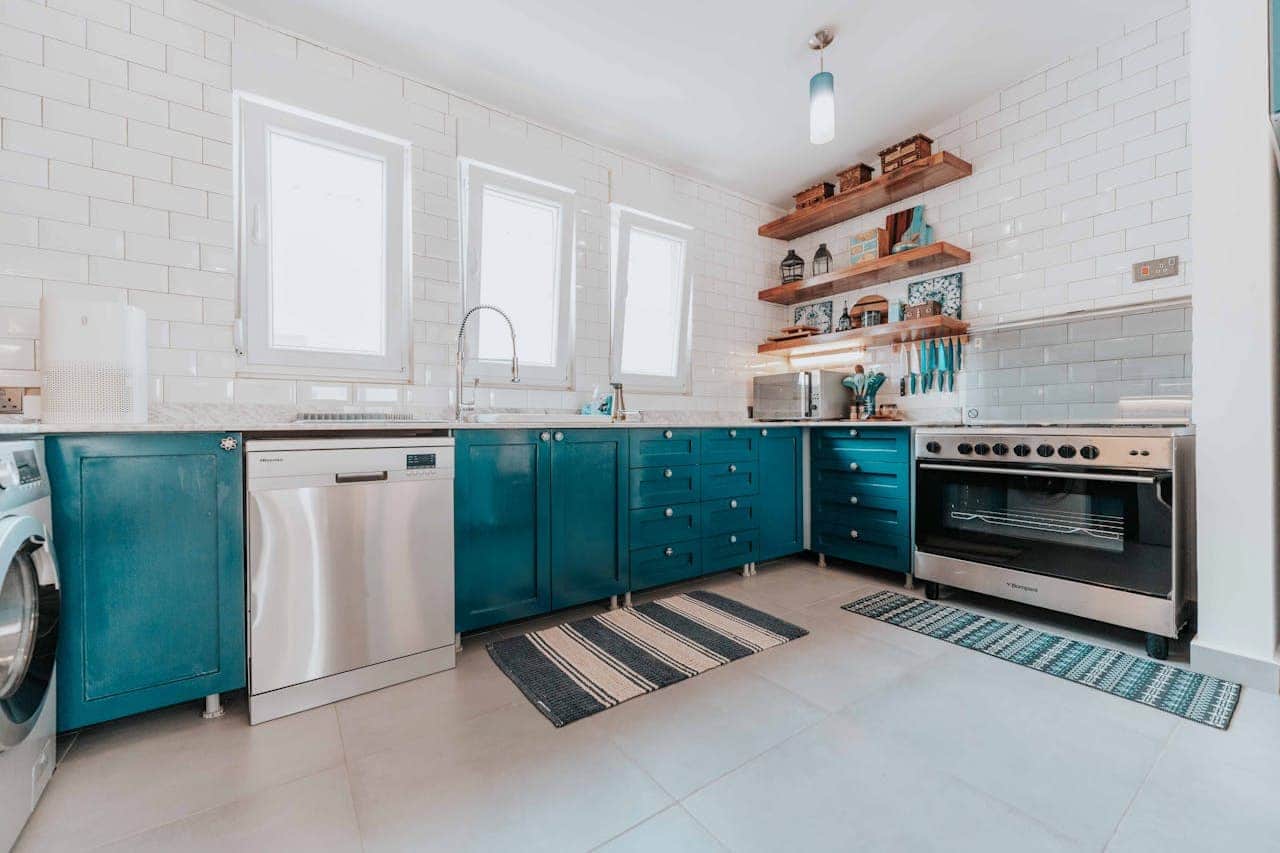
If your rug is too small, it can make your room feel disconnected and cramped. You want your furniture to at least have the front legs on the rug to create a cohesive look.
A tiny rug in a large room breaks up the flow and can make the space seem choppy. Choosing a proportionate rug helps your room feel balanced and welcoming.
Ignoring the function of the room when selecting a rug

When you pick a rug without thinking about the room’s purpose, it can feel out of place. For example, a plush, delicate rug might not work well in a high-traffic kitchen or hallway.
Consider how the rug will be used. In dining areas, you need something easy to clean and durable. In living rooms, comfort and style usually take priority.
Placing the rug unevenly or misaligned with furniture
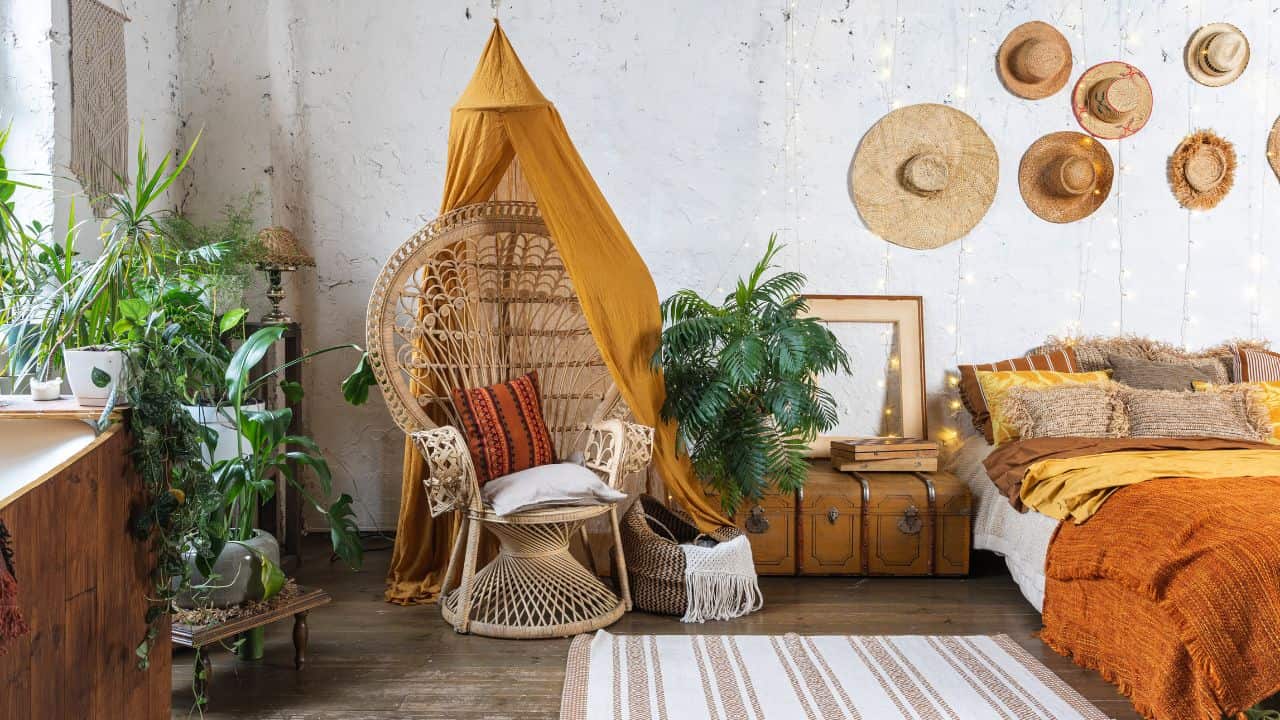
When your rug is off-center or doesn’t line up with your furniture, it can make the room feel chaotic. You want your rug to anchor the space, not confuse it.
Try to align the rug so key furniture pieces sit evenly on it. This creates balance and draws the room together naturally. Adjusting a few inches can make a big difference.
Using a rug that’s too thick and causes door clearance issues
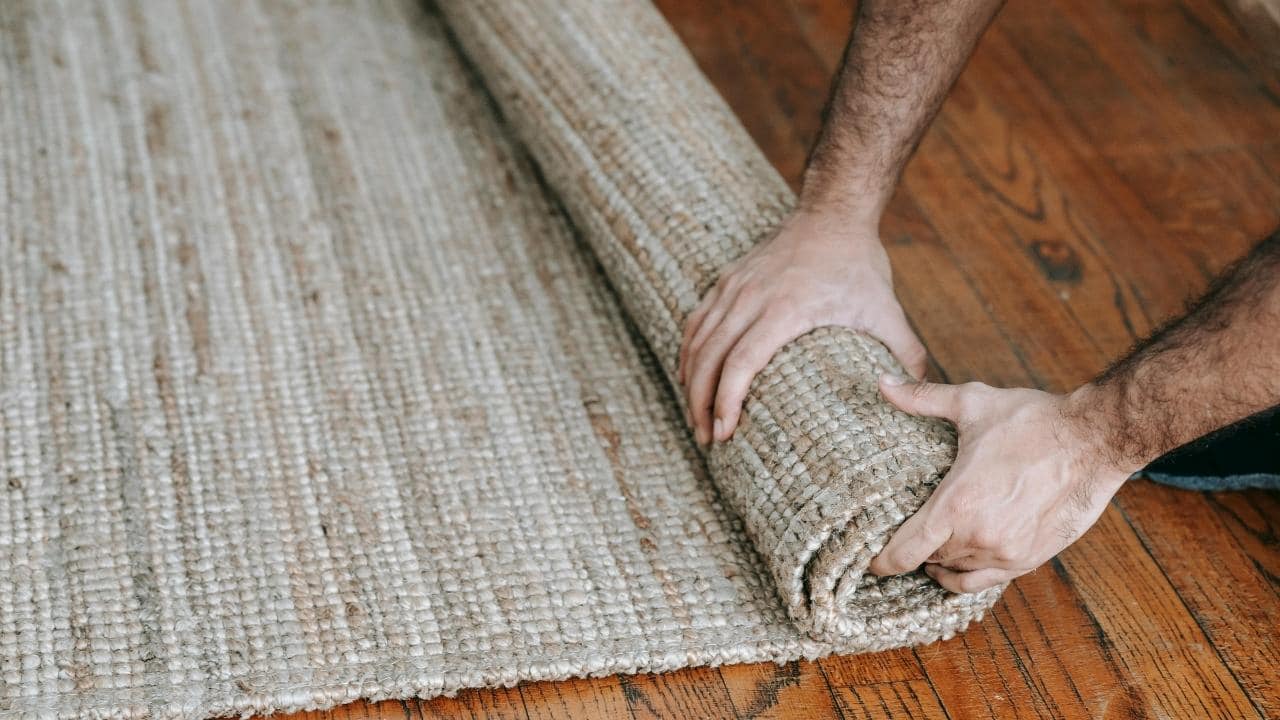
If your rug is too thick, it might get caught when you open or close your doors. This can cause damage to both the rug and the door over time.
Check the clearance between the floor and the door before picking a thick rug. If needed, you can trim the bottom of a wooden door to fit, but be careful not to damage it.
Picking a rug color or pattern that clashes with the room’s palette

You want your rug to complement the colors already in your space. Picking a color or pattern that clashes can make the room feel chaotic.
If your walls or furniture have bold patterns, choose a rug with a subtle design to keep balance. Matching some colors from your existing décor helps tie everything together nicely.
Forgetting to use a rug pad to prevent slipping
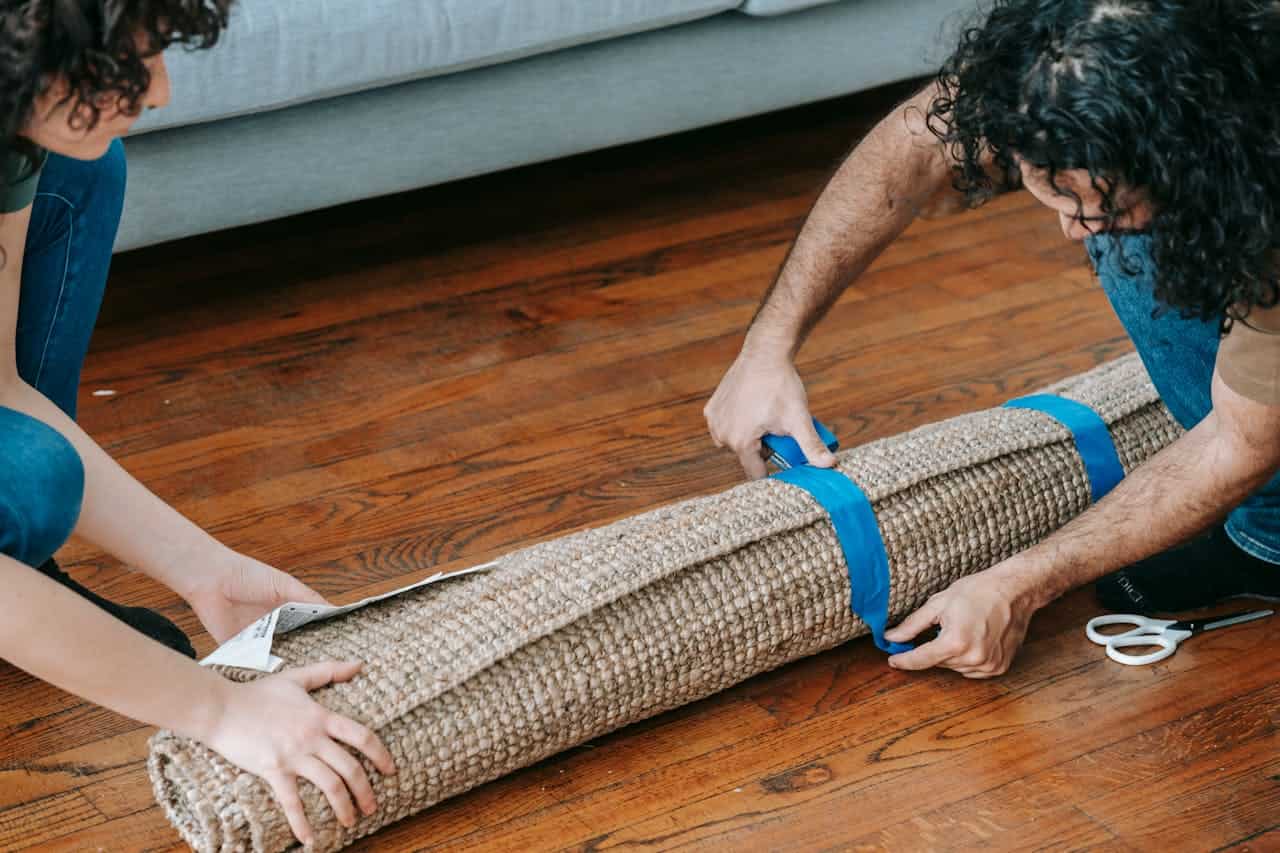
You might skip a rug pad, but it plays an important role in keeping your rug in place. Without one, your rug can slide, causing slips or trips.
A good rug pad also cushions your rug and protects your floors from scratches. Using one makes your space safer and more comfortable.
Leaving the rug flush against the wall instead of creating some space
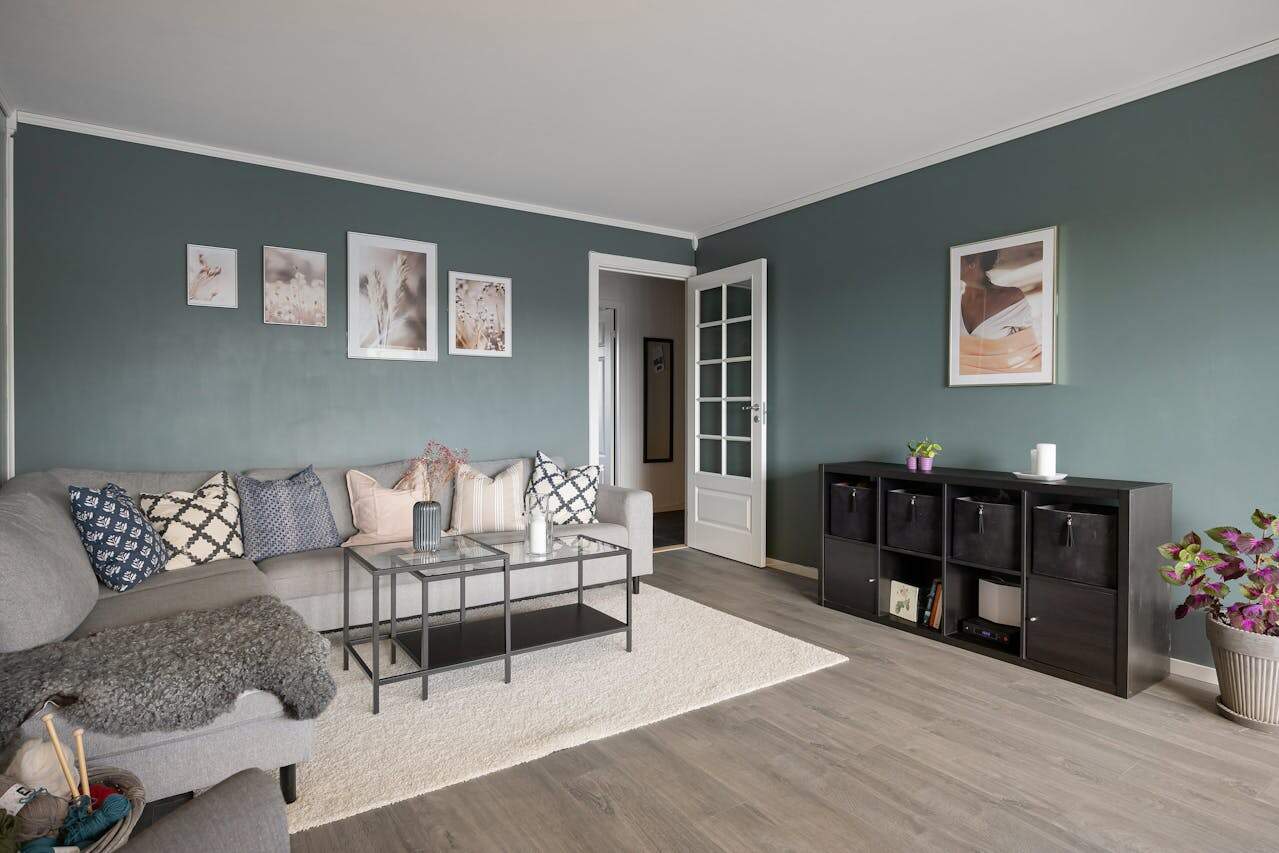
When you push your rug right up against the wall, it can make your room feel cramped. Creating a small gap around the edges, about 12 inches, lets the floor breathe and adds balance.
This space helps your furniture and rug work together better, preventing the room from feeling tight or crowded. It also grounds your sofa or chairs, making the layout look intentional and comfortable.
Overly bold rugs that overpower other design elements
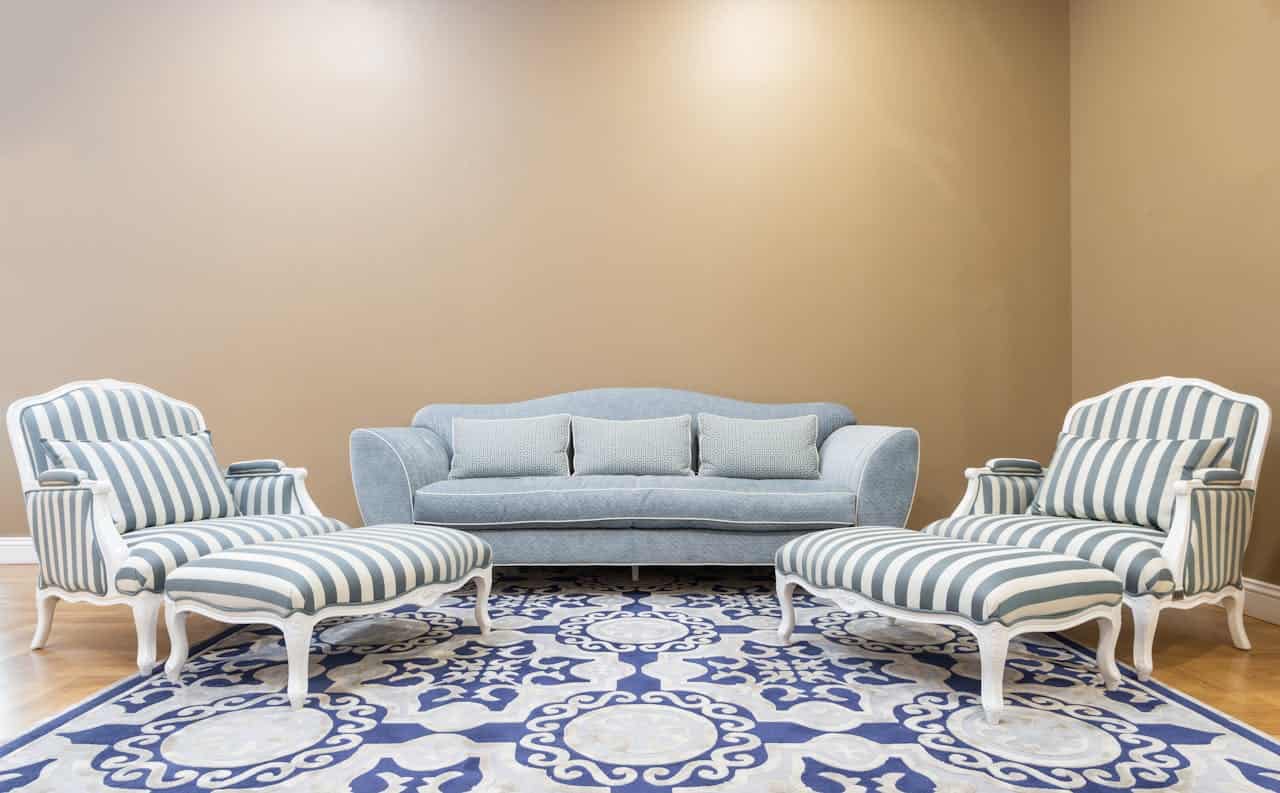
When you pick a rug with very loud patterns or bright colors, it can dominate the room. This makes it hard for other design pieces to stand out.
Your space should feel balanced, so choose rugs that complement rather than compete with your furniture and decor. You want your rug to enhance, not overwhelm, the overall look.
Selecting rugs without considering foot traffic and durability
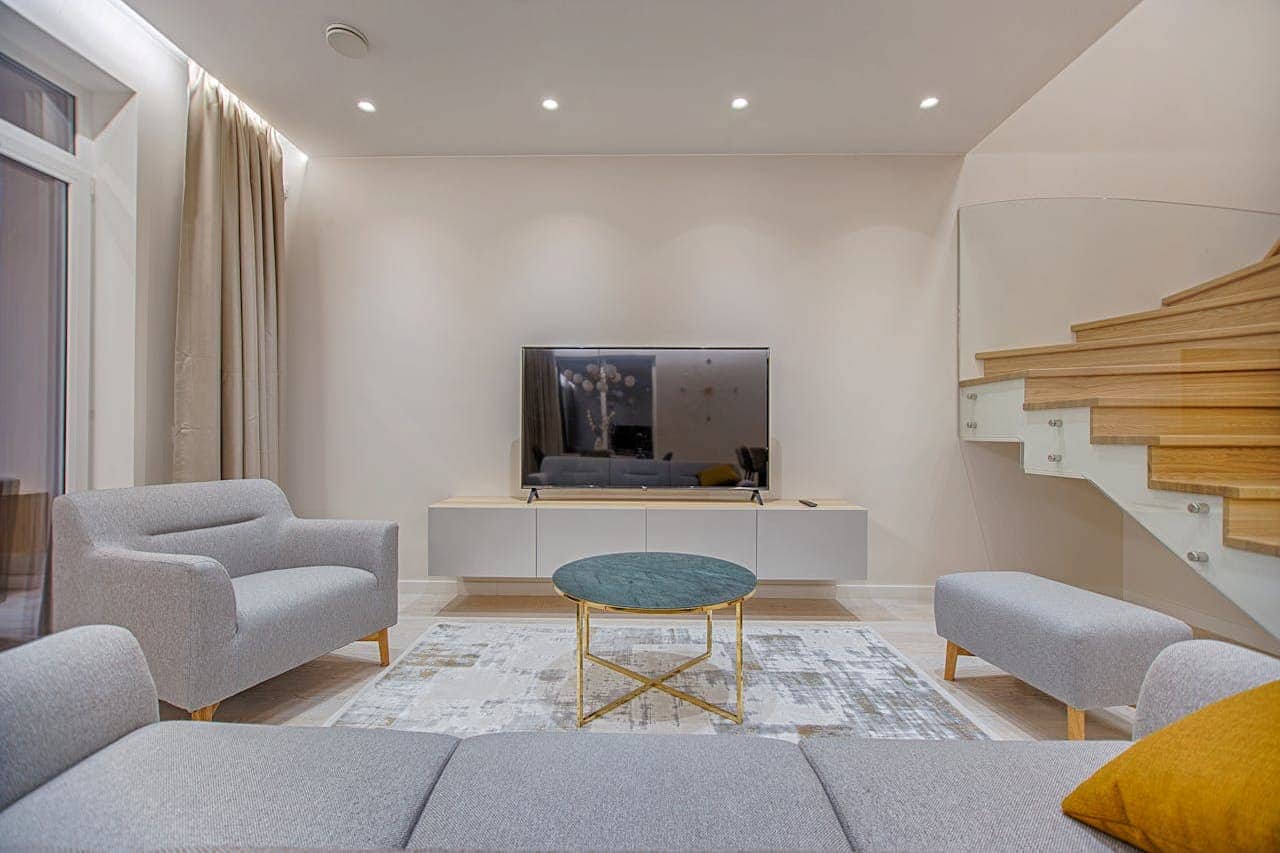
You want a rug that holds up where you use it most. High-traffic areas need durable materials like wool or synthetic fibers.
Choosing a delicate rug for a busy space can wear it out quickly. Think about how often the rug will be walked on before buying.
This helps you pick a rug that looks good and lasts longer, saving you from replacing it too soon.
Ignoring the shape of the room when choosing rug shape
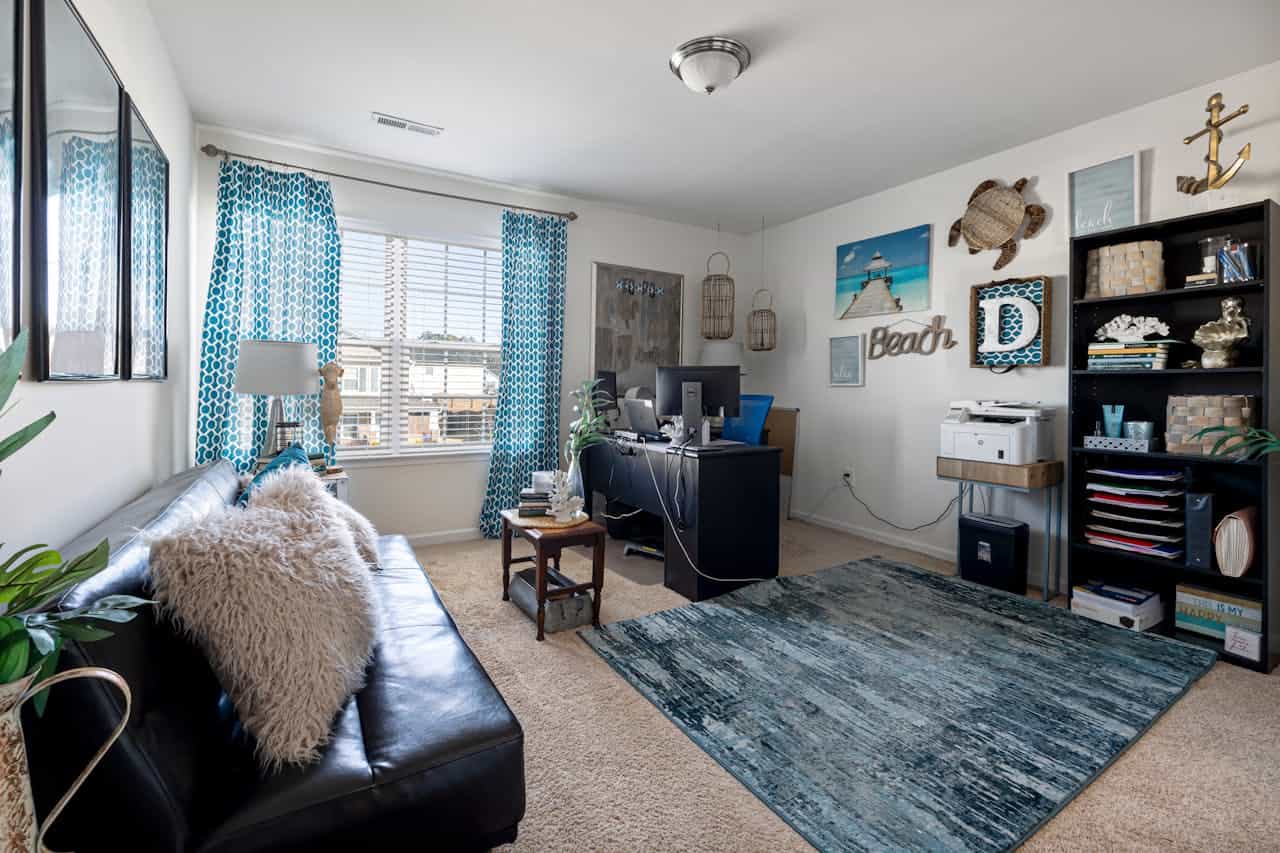
You should consider your room’s shape before picking a rug. A rectangular room often looks best with a rectangular rug to emphasize the space.
Choosing a round rug in a square room can feel off balance. Matching the rug shape to your room helps create a more natural flow and visually anchors your furniture.