Making changes to your rental space can be tempting, especially if you want to personalize your living environment. It’s crucial to know that certain renovations could lead to eviction, as they might violate your lease agreement. Understanding these boundaries can save you from potential headaches down the road.
As a tenant, being aware of what modifications are allowed is vital for maintaining a good relationship with your landlord. Whether you’re considering simple upgrades or more extensive renovations, knowing the risks involved can help you make informed decisions about your home.
Advertisement
1. Removing Walls Without Permission
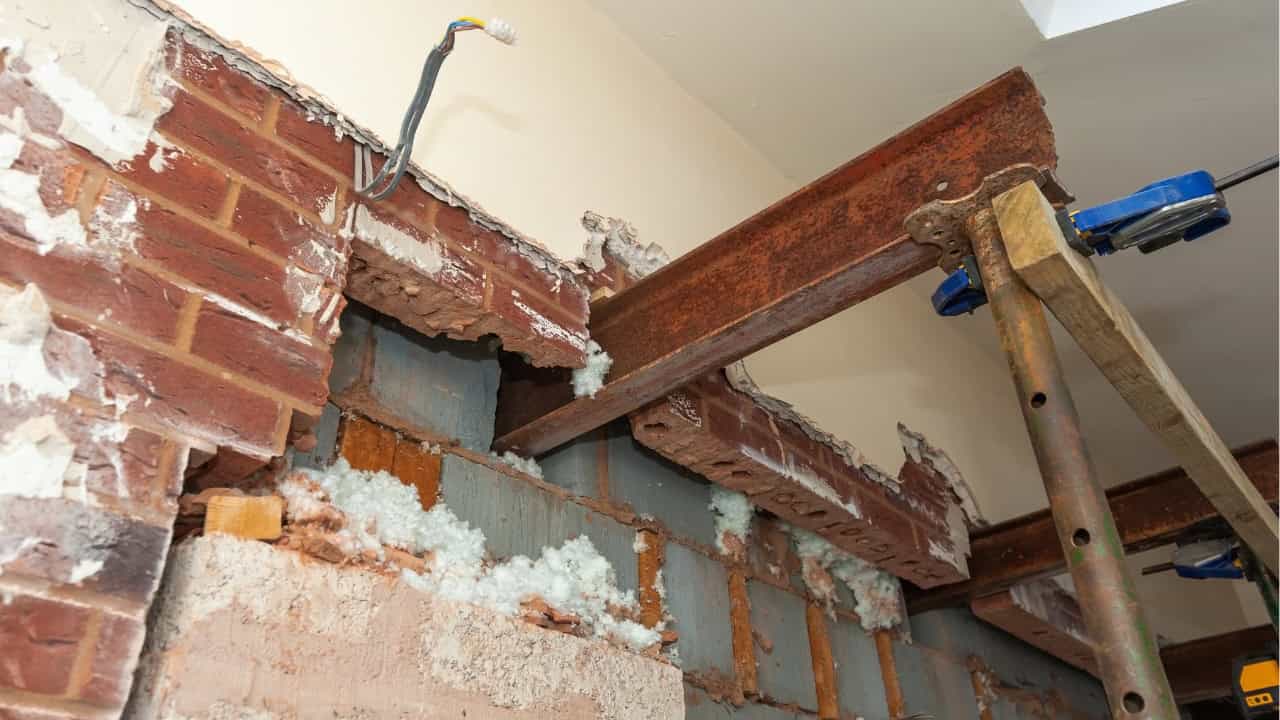
Removing walls in your rental can seem like a great way to create more space. However, this is generally not allowed without your landlord’s explicit consent.
Making structural changes, like removing a wall, alters the property’s layout. This can lead to issues concerning safety and property value.
If you decide to make such modifications without permission, you risk eviction. It’s important to review your lease agreement and communicate with your landlord before starting any renovation.
2. Installing Unauthorized Plumbing Fixtures

Installing new plumbing fixtures without permission can lead to serious problems. If you create leaks or damage the existing plumbing, you could be held responsible for costly repairs.
Your landlord likely has specific rules about modifications to plumbing. Ignoring these can breach your lease agreement. It’s important to communicate with your landlord before making any changes.
Always consider the potential consequences. Unauthorized installations could result in eviction or additional fees. Clear communication helps maintain a good relationship and protects your living situation.
3. Changing Flooring Material Improperly
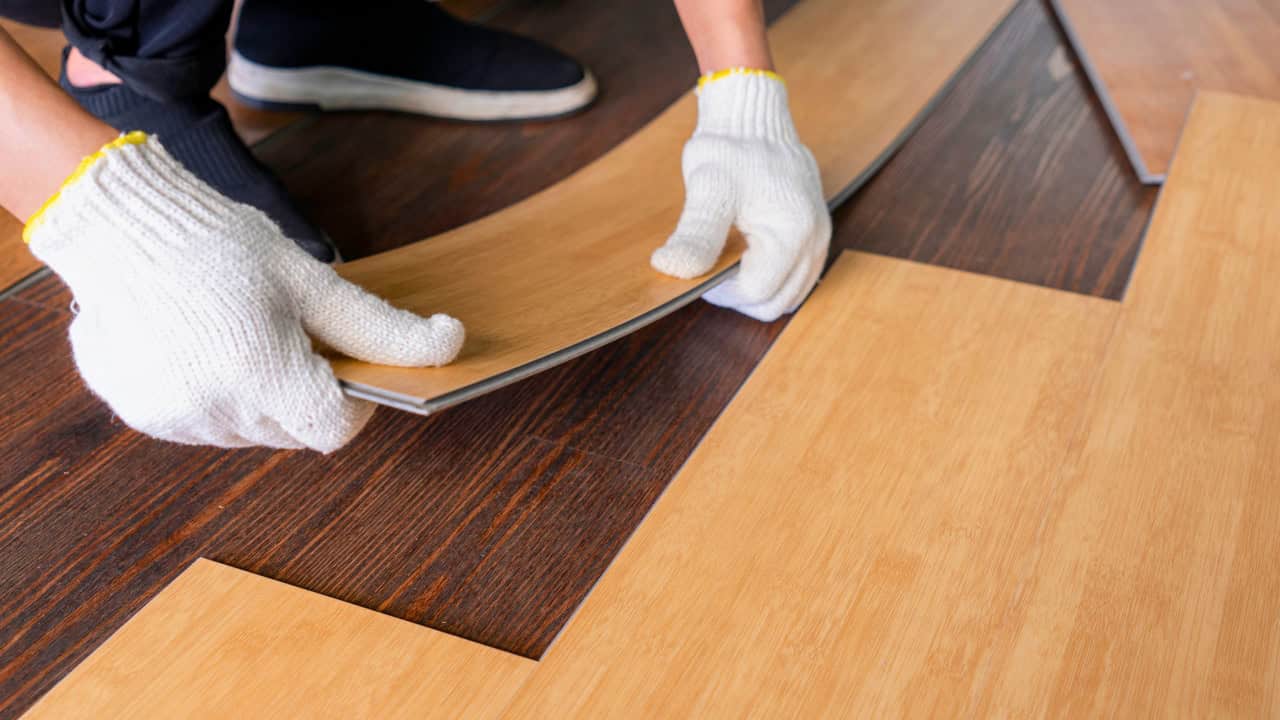
Changing flooring in your rental can be tempting, especially if you dislike the current option. However, doing it without permission can lead to serious issues.
Most landlords specifically prohibit changing flooring materials, especially if it alters the structure or damages the property. Installing new flooring can also void your lease agreement.
If you’re considering a flooring upgrade, always consult your landlord first. They may be open to the idea, particularly if you offer to use materials that are easily removable or replaceable.
4. Altering Exterior Facade
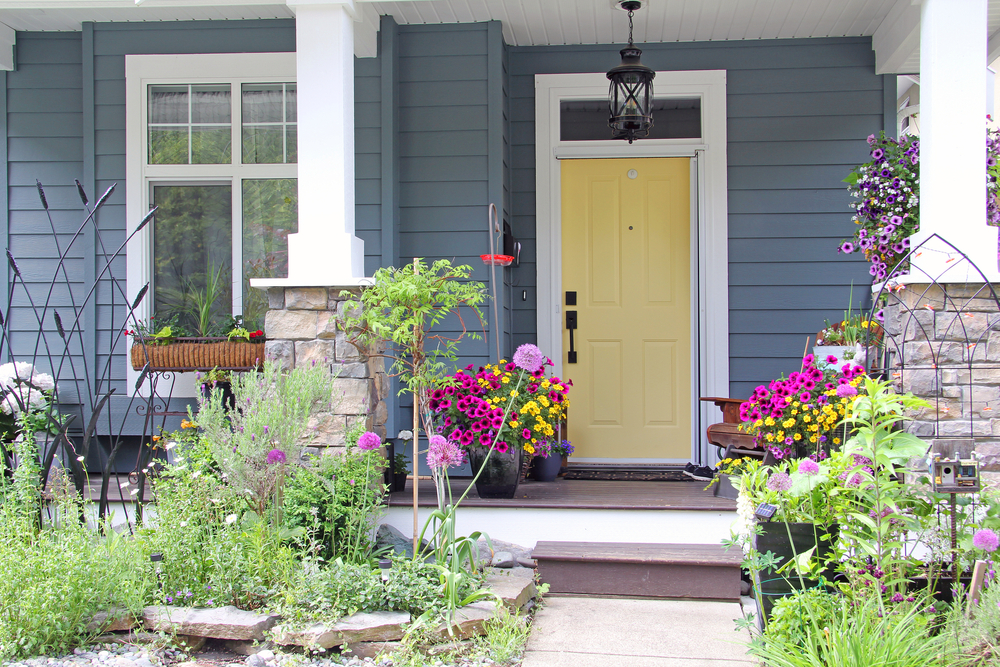
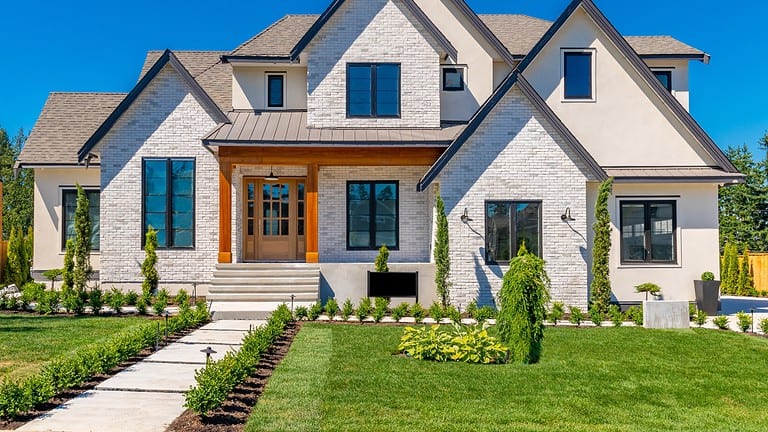
Changing the exterior facade of your rental property can lead to serious issues. Most leases prohibit significant alterations to prevent damage and maintain uniformity.
If you decide to change windows, paint the exterior, or install new siding, you might be violating your lease. Any unauthorized work could result in penalties, including eviction.
Always check with your landlord before making any changes. Keeping good communication can help avoid misunderstandings and preserve your tenancy.
5. Adding Unapproved Structures
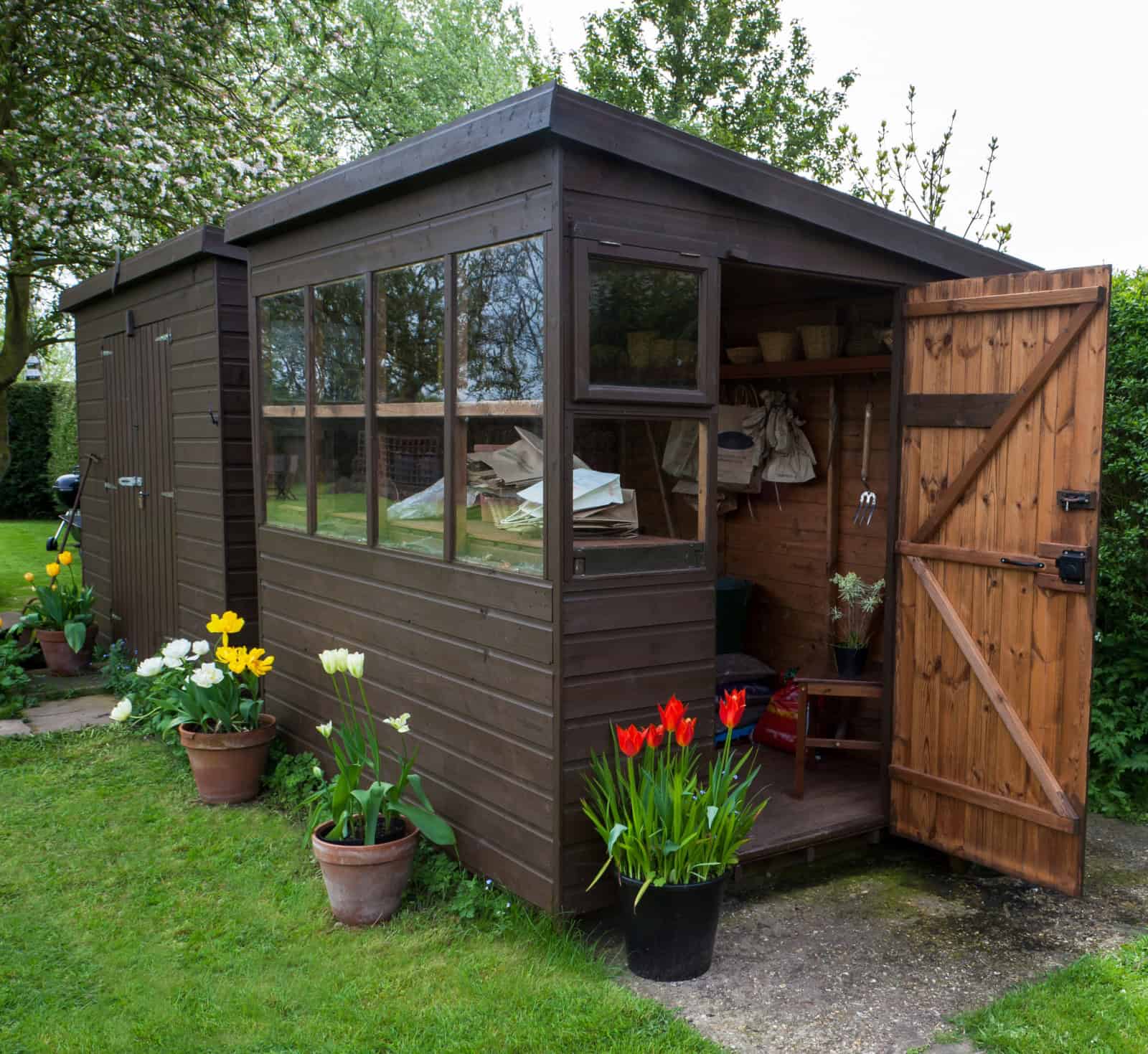
Adding unapproved structures, like sheds or fences, can lead to serious consequences. Landlords often have specific guidelines about modifications to their property.
If you make changes without permission, you risk eviction. It’s important to communicate with your landlord before starting any projects.
Check your lease for any restrictions. This helps you avoid misunderstandings and ensures a good relationship with your landlord. Always prioritize getting approval for any significant alterations.
6. Replacing Windows with Unapproved Models
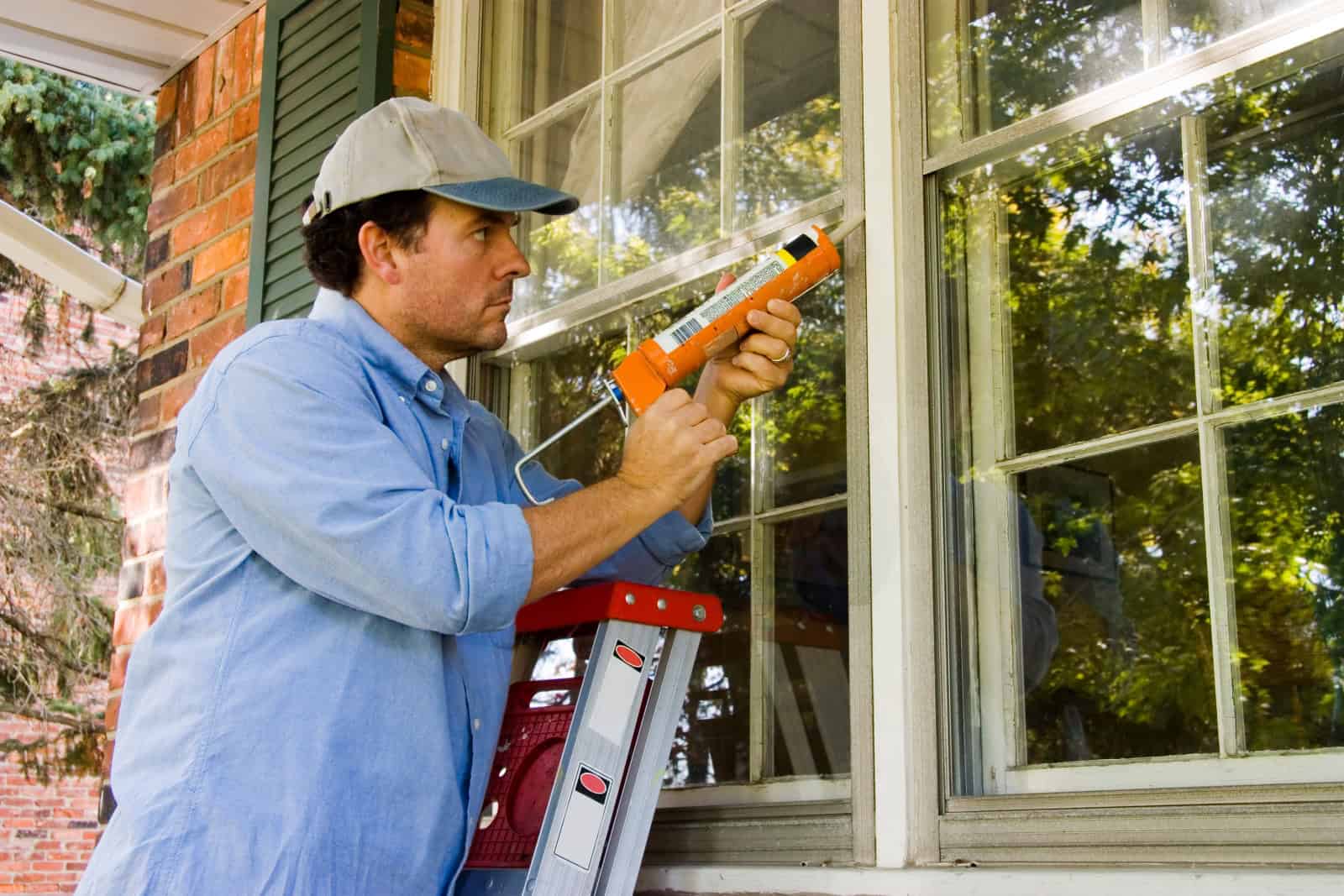
When you replace windows in your rental property, it’s crucial to stick to approved models. Using unapproved windows can lead to disputes with your landlord or property management.
If your lease specifies certain guidelines for renovations, bypassing those can put you at risk of eviction. Unapproved models might not comply with safety or aesthetic standards required in your building.
Before making any changes, consult your lease agreement or talk to your landlord. It’s better to get permission upfront than face potential penalties later.
7. Painting with Non-Neutral Colors
Choosing bold, vibrant colors for your rental can really express your personality. However, non-neutral shades may not be to your landlord’s liking.
Using bright reds or deep blues could alienate future tenants or complicate your move-out process. It might even lead to disputes over your security deposit.
Stick to neutral tones to keep your space fresh and welcoming. Light grays, soft beiges, and warm whites can appeal to a wider range of tastes and help avoid conflict.
If you really want to add color, consider using removable wallpaper or decor instead. This way, you can personalize your space without risking eviction or financial loss.
8. Installing a Satellite Dish
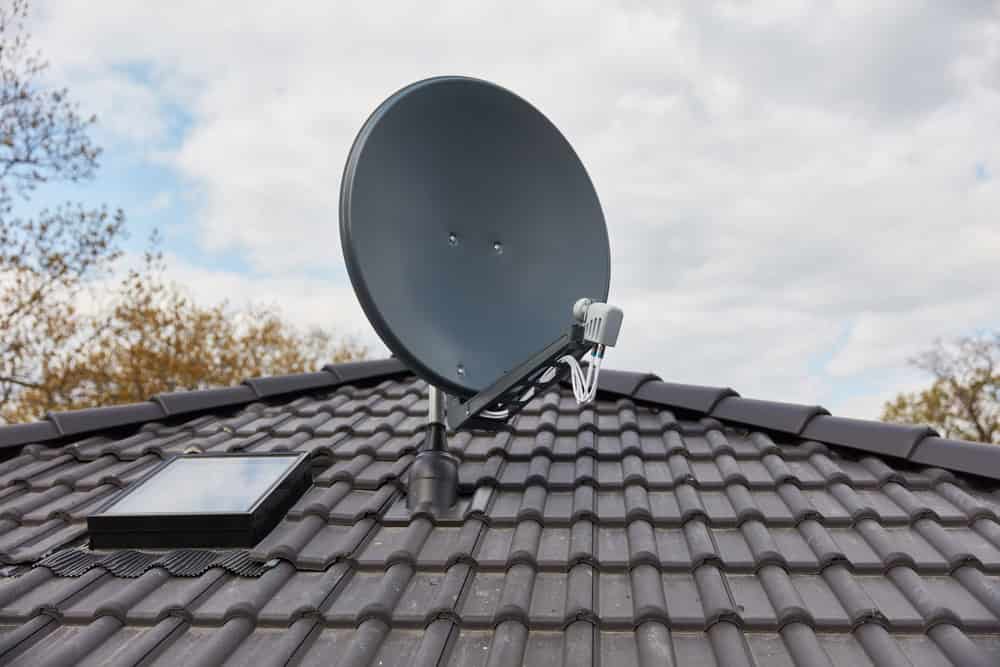
Installing a satellite dish without permission can lead to serious issues with your landlord. Many leases contain specific clauses about alterations made to the property.
The FCC allows you to install a satellite dish in your private space, such as a balcony. However, you should always inform your landlord first to avoid conflicts.
Ignoring this could result in eviction if the installation violates your rental agreement. It’s best to adhere to the guidelines set by your landlord to ensure a smooth rental experience.
9. Upgrading to High-End Appliances Without Consent

Upgrading to high-end appliances might seem like a great idea, but doing it without your landlord’s permission can lead to serious issues. Many rental agreements specifically prohibit changes.
If you replace appliances like a refrigerator or washer without asking, you risk eviction. The landlord might consider it a breach of your lease.
It’s best to discuss any upgrade ideas with your landlord first. They may appreciate your initiative and even agree to the changes. Keeping communication open can lead to a better living experience for both of you.
*This article was created with the help of AI.