When you decide to improve your home, it’s natural to want projects that boost its value. However, not all renovations offer a good return on investment, even if they seem like smart choices.
Understanding which updates don’t add value can help you avoid spending time and money on changes that won’t benefit you in the long run. This guide will help you identify common renovations that might look appealing but don’t actually increase your home’s market worth.
Advertisement
Installing a Swimming Pool

Adding a swimming pool can feel like a great upgrade to your home. It might increase your home’s value by a small percentage, but often not enough to cover the cost.
Pools don’t add living space or square footage, so buyers may not see them as a big asset. Maintenance and safety concerns can also make pools less attractive to some.
Overly Personalized Wallpaper
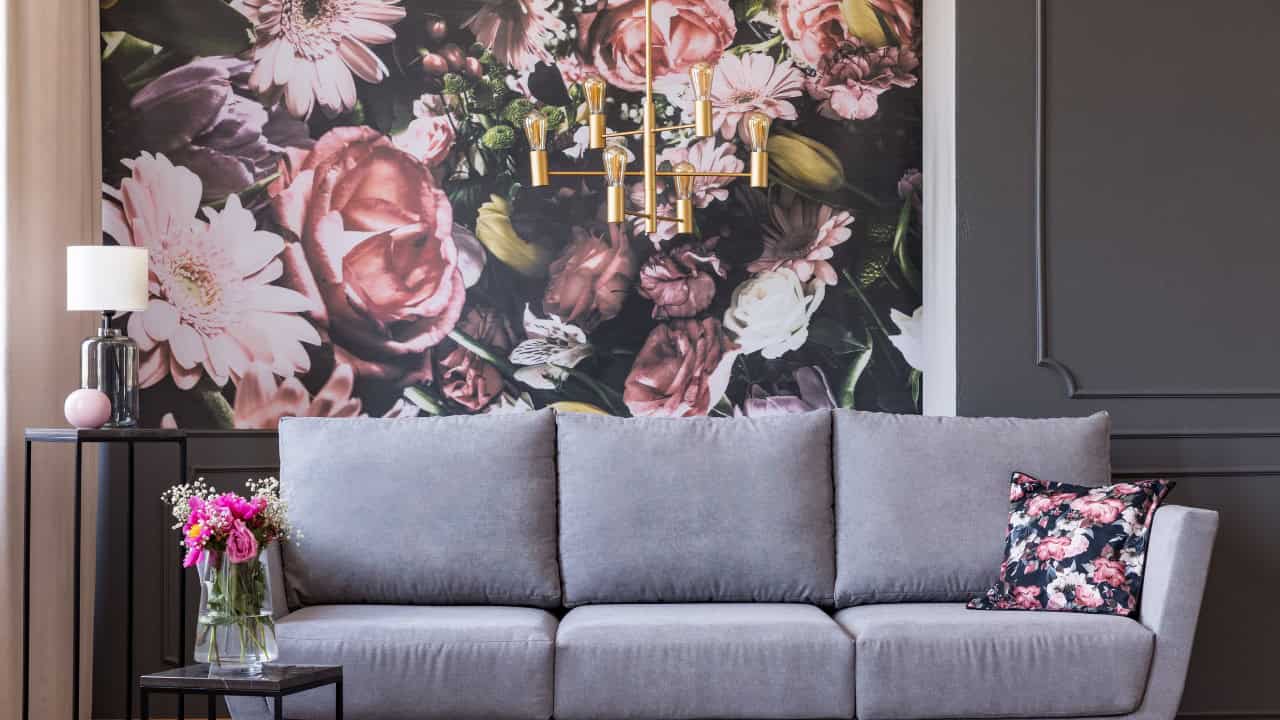
Choosing wallpaper with bold patterns or very specific themes can feel like a fun way to show your style. However, it often narrows the appeal for future buyers.
You might love it, but others may see it as extra work since they’ll likely want to replace it. Neutral walls usually help your home sell faster and for a better price.
Wall-to-Wall Carpeting
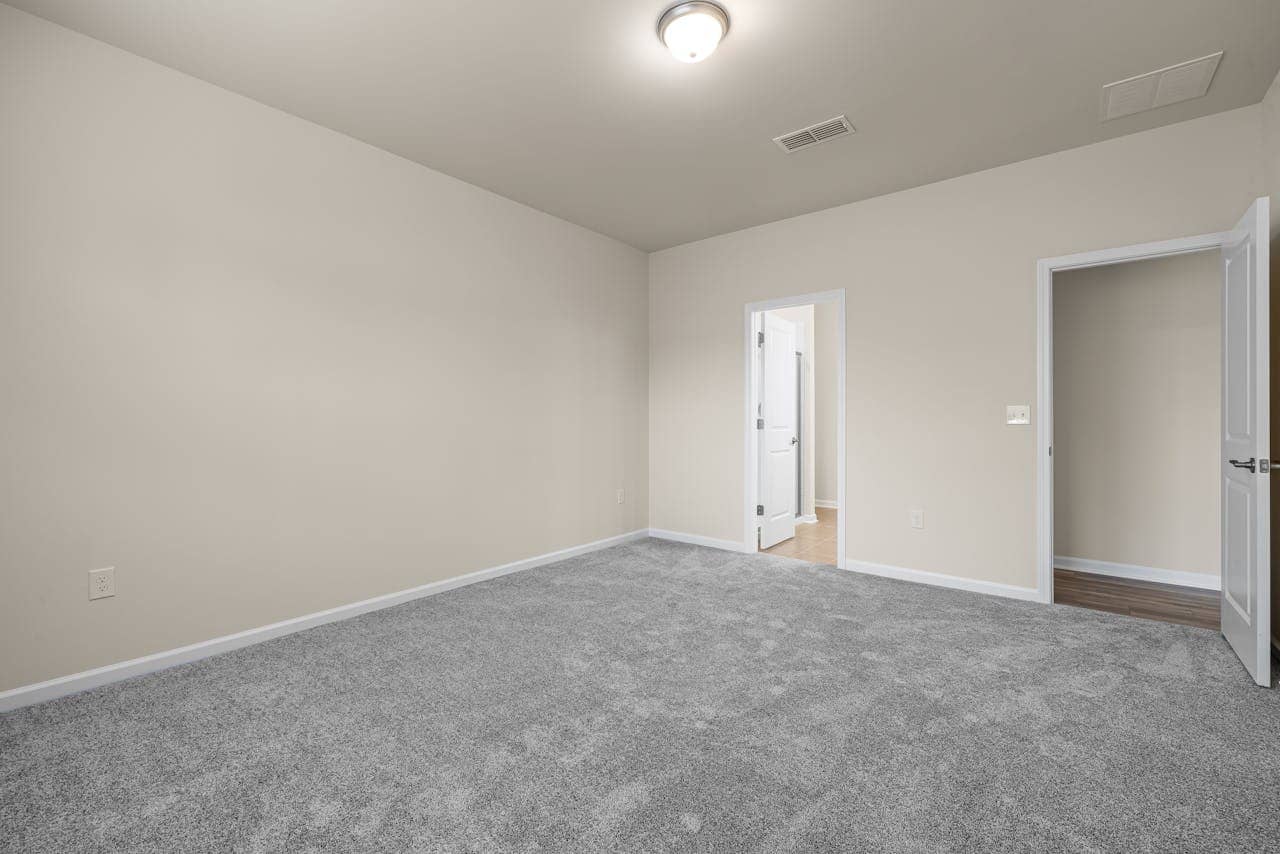
You might think replacing old carpet with new wall-to-wall carpeting refreshes your home. However, it often doesn’t increase its market value.
Buyers usually prefer durable, low-maintenance flooring options instead. Consider alternatives like laminate or vinyl if you want a practical upgrade. Carpet can also wear quickly, which might turn people off.
Garage Conversions into Living Space
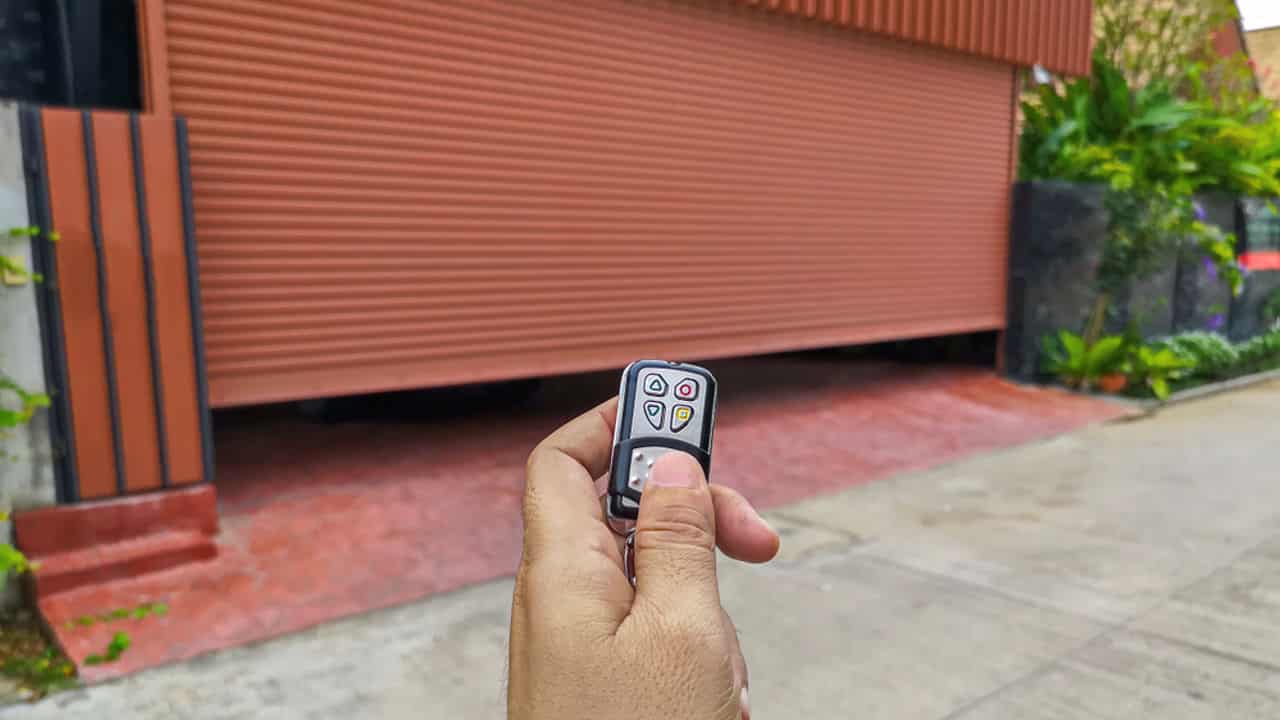
Converting your garage into living space may seem like a great way to add room. However, it often reduces your home’s overall value.
Most buyers prefer a functional garage for storage or parking. Losing that space can be a drawback when selling your home.
If you do convert, keep in mind it might not provide the return on investment you expect.
Building Large Home Additions
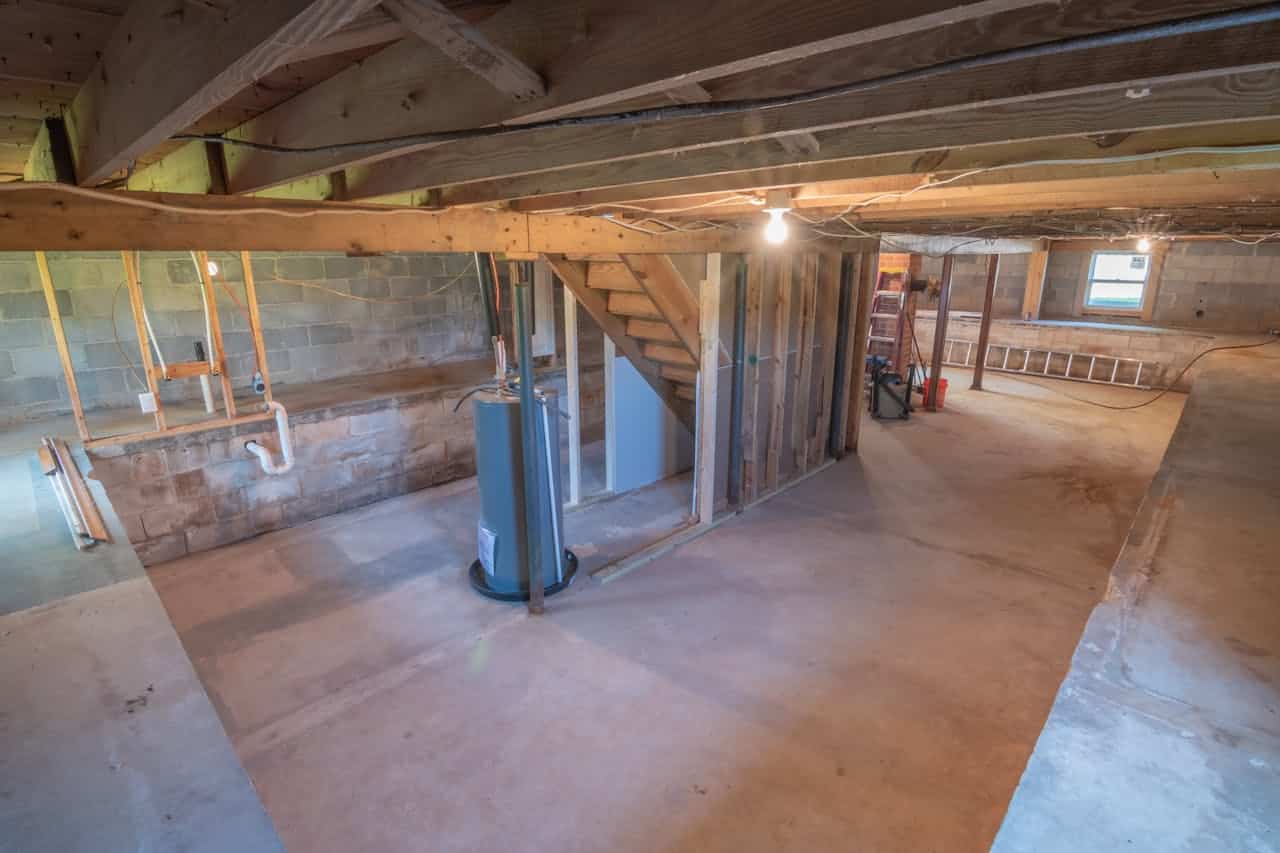
You might think adding a big new room will boost your home’s value. However, large additions can be expensive and often don’t bring a good return on investment.
Instead, focus on improving your existing space. Renovating a basement or attic can add usable square footage without the high costs of building out.
Installing Built-In Electronics

You might think built-in electronics make your home look high-tech, but they often don’t add much value. These upgrades can be costly and may not appeal to every buyer’s taste.
If the technology becomes outdated quickly, it could even be a drawback. Instead, consider upgrades that are easier to update or remove later.
Sacrificing Space for a Primary Suite
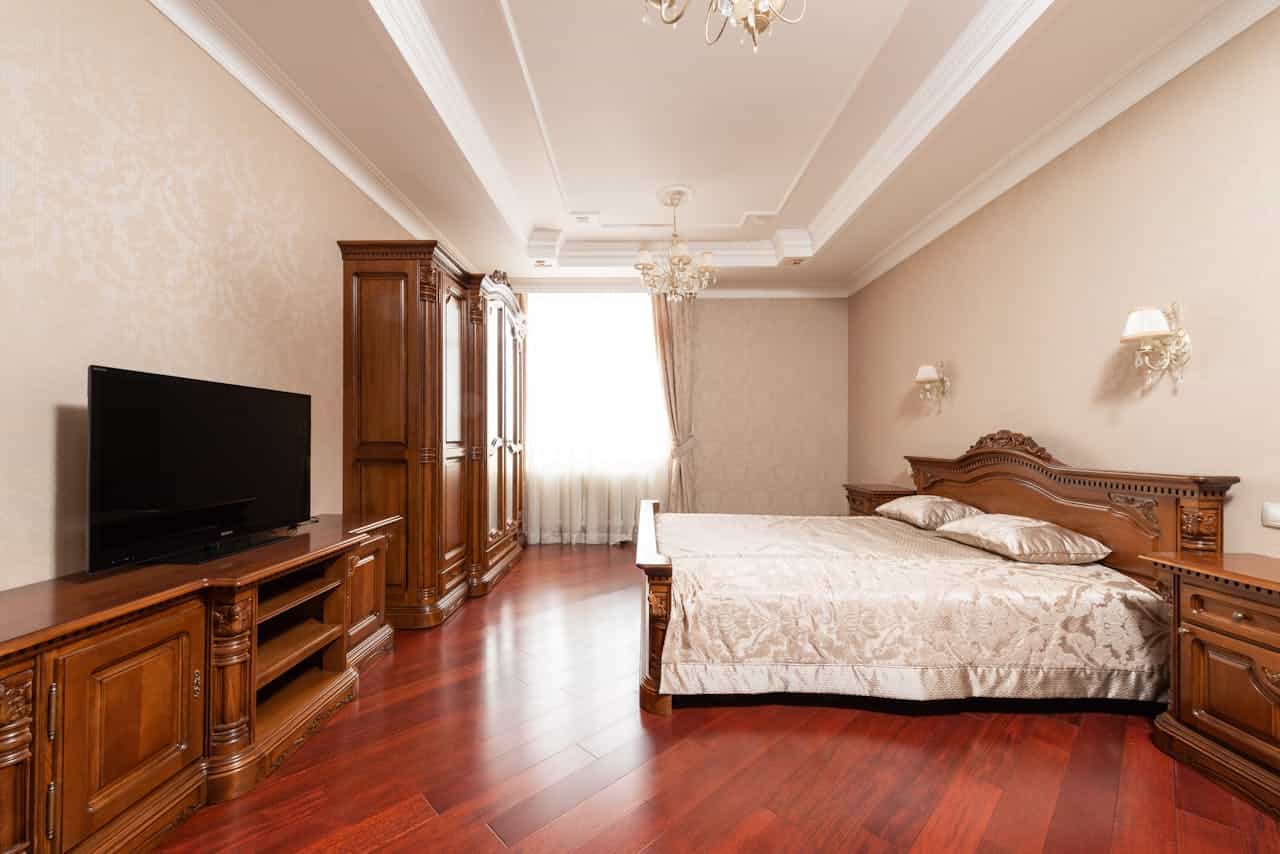
You might think enlarging your primary suite by reducing the number of bedrooms adds value. However, losing a bedroom can limit your home’s appeal, especially if space is tight. Buyers often prefer more bedrooms over a bigger master.
Consider how shrinking common areas or other rooms may affect your home’s overall flow and function before making changes.
Overbuilding for the Neighborhood

If your home is much larger or fancier than others nearby, you might not see a good return on your investment. Buyers often prefer homes that fit the neighborhood style and size.
Building too much can price your home out of the local market. It’s better to match your upgrades to what’s typical around you.
Adding a Sauna
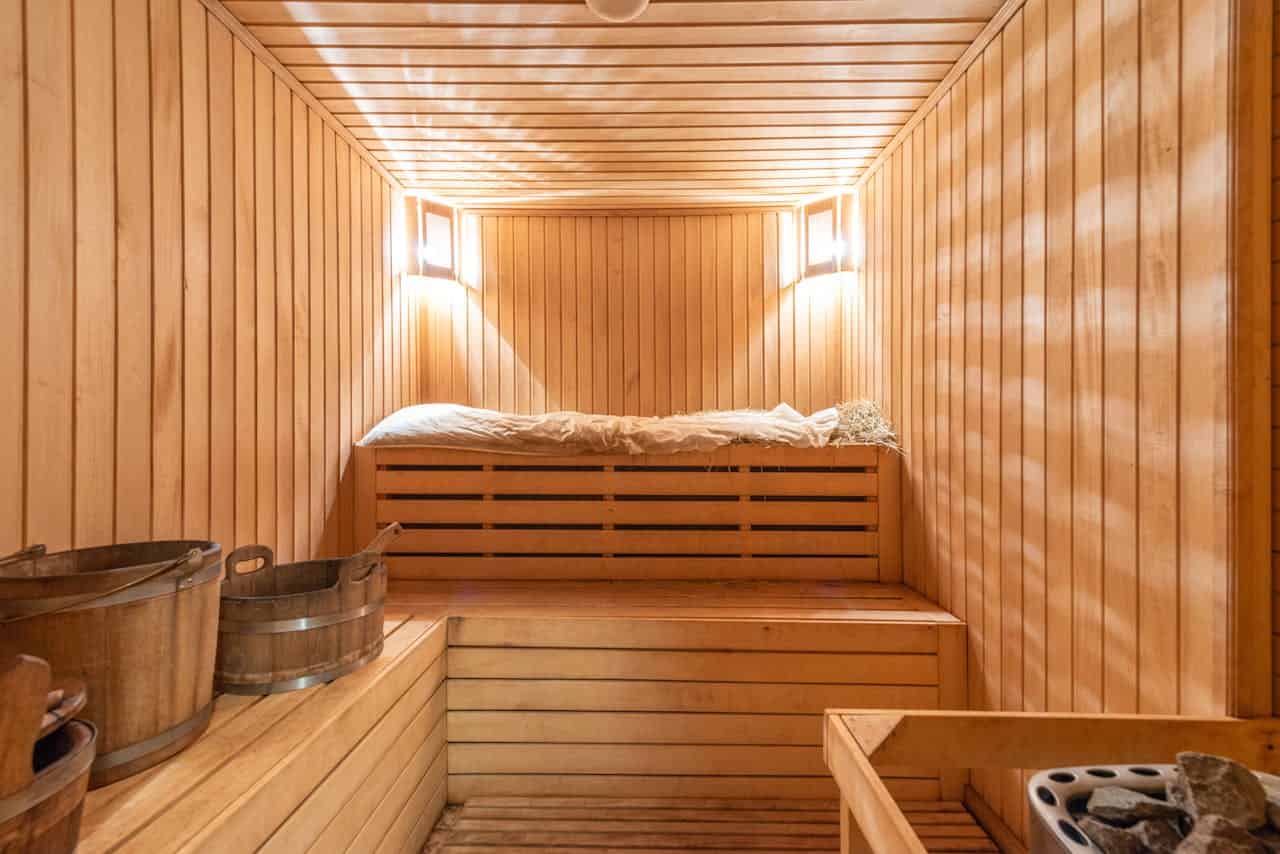
Adding a sauna to your home can feel like a great idea for relaxation. However, it doesn’t always increase your property’s value significantly.
If you live in a place like Finland, a custom-built sauna might add some value. But in many markets, it’s considered a niche feature that appeals to fewer buyers.
Converting to Standing Showers
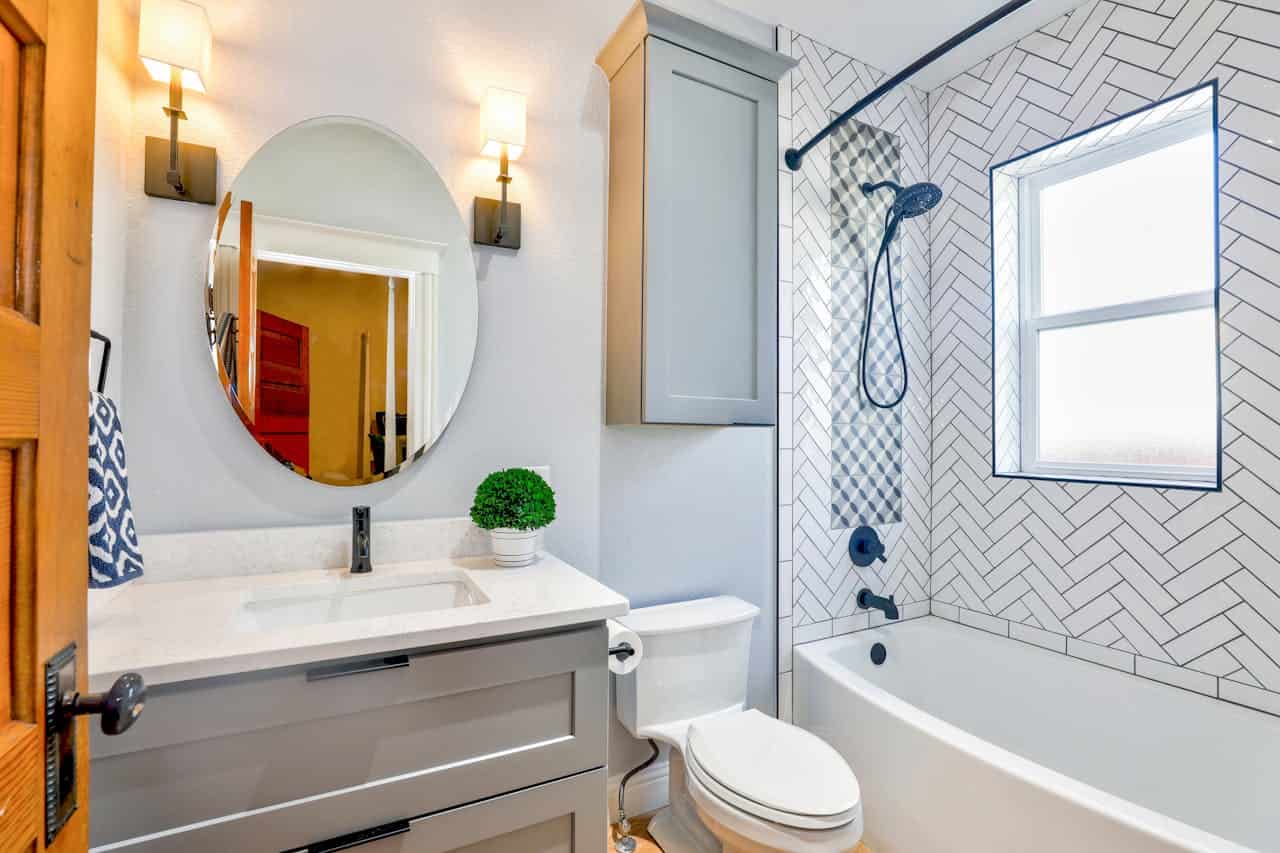
You might think switching to a standing shower modernizes your bathroom, but it doesn’t always add value. Many buyers still prefer a tub, especially families with kids or pets.
A standing shower can make your space feel sleek, but losing a bathtub might limit your home’s appeal. Consider keeping both if possible, or choose upgrades that improve function without removing the tub.