Growing unique and exotic flowers at home can be a rewarding experience for any plant enthusiast. With the right conditions and care, you can transform your living space into a vibrant oasis filled with stunning blooms. You don’t have to be a master gardener to cultivate these rare varieties; many can thrive indoors or in your garden.
In this exploration of rare flowers, you’ll discover options that not only enhance your home’s aesthetic but also spark conversation among guests. From unusual colors to captivating shapes, these flowers bring a touch of the extraordinary right to your doorstep, allowing you to enjoy their beauty every day.
Advertisement
Corpse Flower (Amorphophallus titanum)
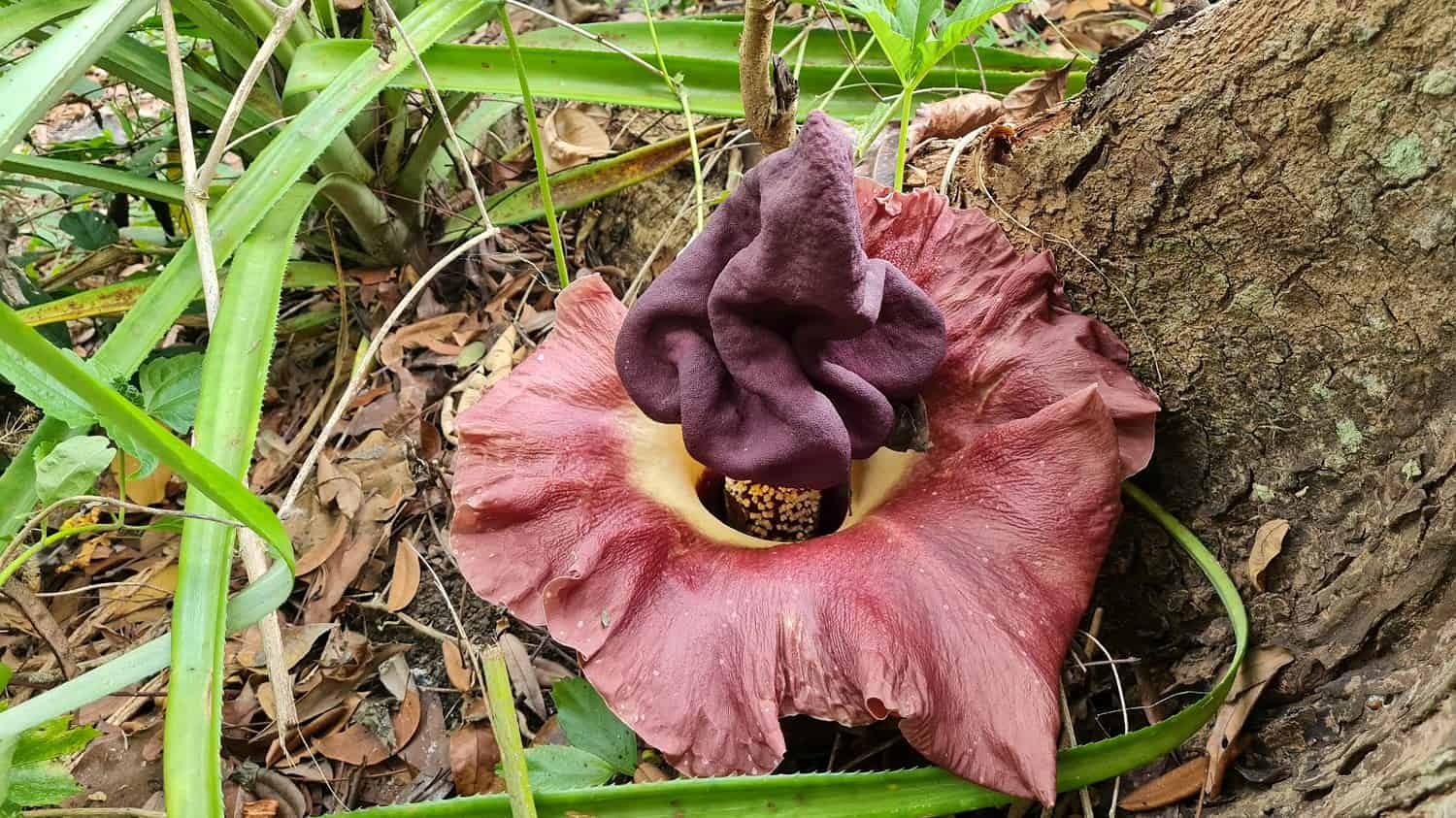
The corpse flower, known scientifically as Amorphophallus titanum, is a unique plant that you can grow at home. It’s famous for its striking size and distinctive odor, which resembles rotting flesh.
Blooming can take years, but when it does, it lasts only 2-3 days. This rare tropical beauty can be a conversation starter in your garden!
Venus Fly Trap

The Venus Fly Trap is a fascinating carnivorous plant that is sure to capture your interest. With its unique traps that snap shut, it can catch small insects, making it both fun and functional for your home.
This plant thrives in humid environments and prefers bright light. You can easily grow it in a pot with a soil mix designed for carnivorous plants. It’s a delightful addition to any plant collection!
Cobra Lily
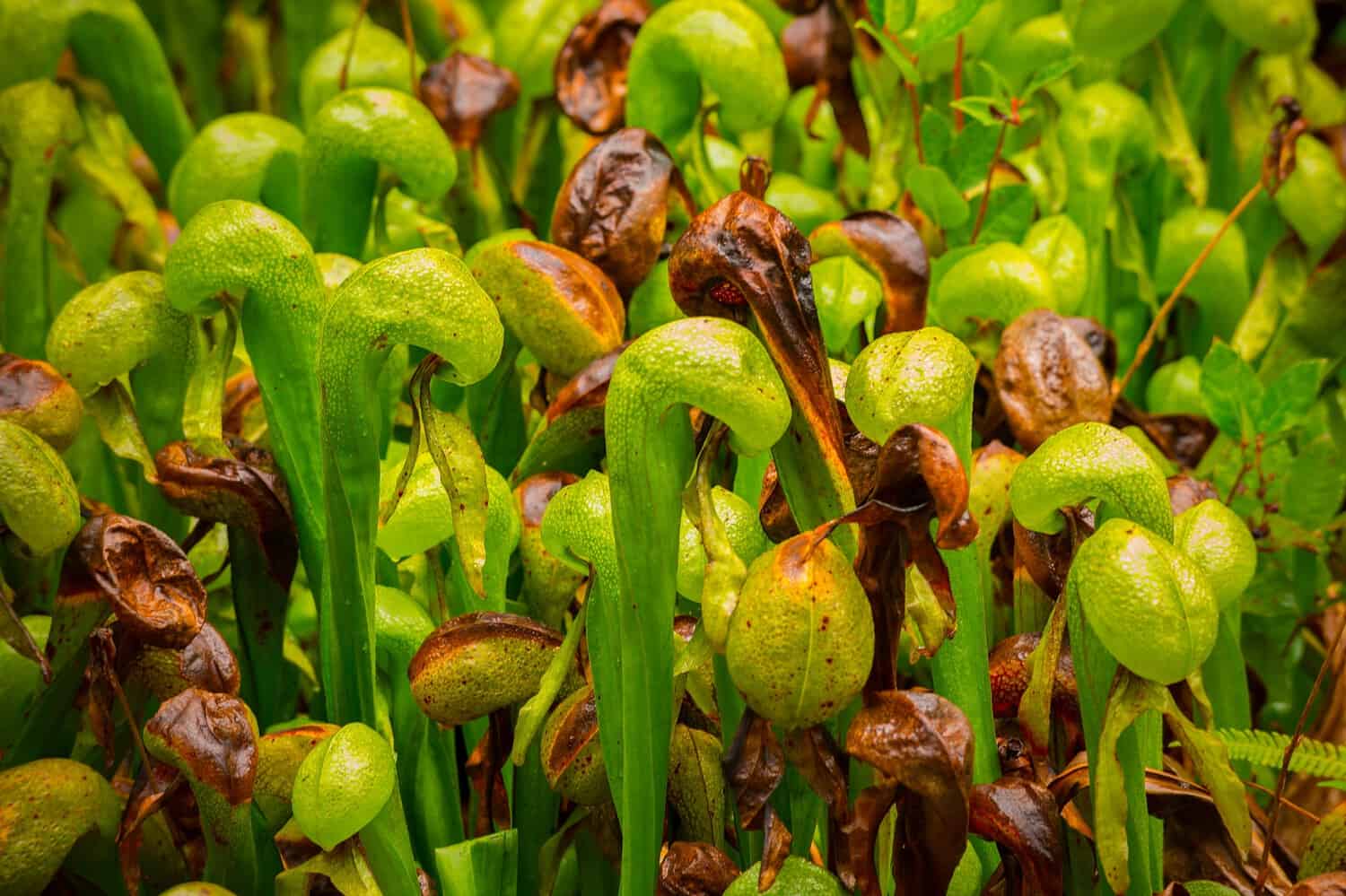
The Cobra Lily, or Darlingtonia californica, is a unique carnivorous plant. Its striking shape resembles a snake, making it a fascinating addition to your home.
Native to northern California and southern Oregon, this plant requires specific care. It thrives in cool, moist environments and prefers a soil-free medium. With the right setup, you can enjoy the beauty of this exotic plant right in your living space.
Goldfish Plant
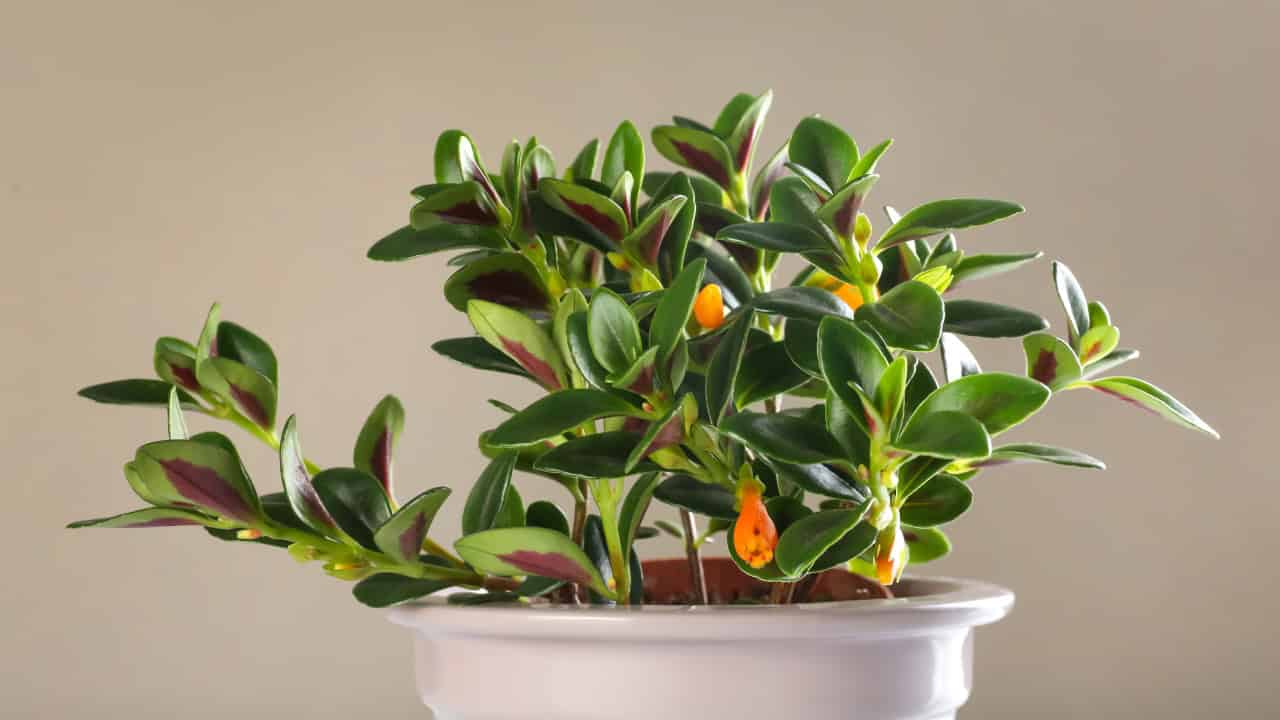
The Goldfish Plant is a delightful addition to your home. Its unique, bright flowers resemble little goldfish, adding a playful touch to any space.
This plant thrives in humid environments and prefers bright light. Make sure to use well-draining, acidic soil for optimal growth. Keeping it at temperatures between 65 and 75°F will help it flourish. With proper care, you can enjoy its charming blooms for a long time.
Sundew
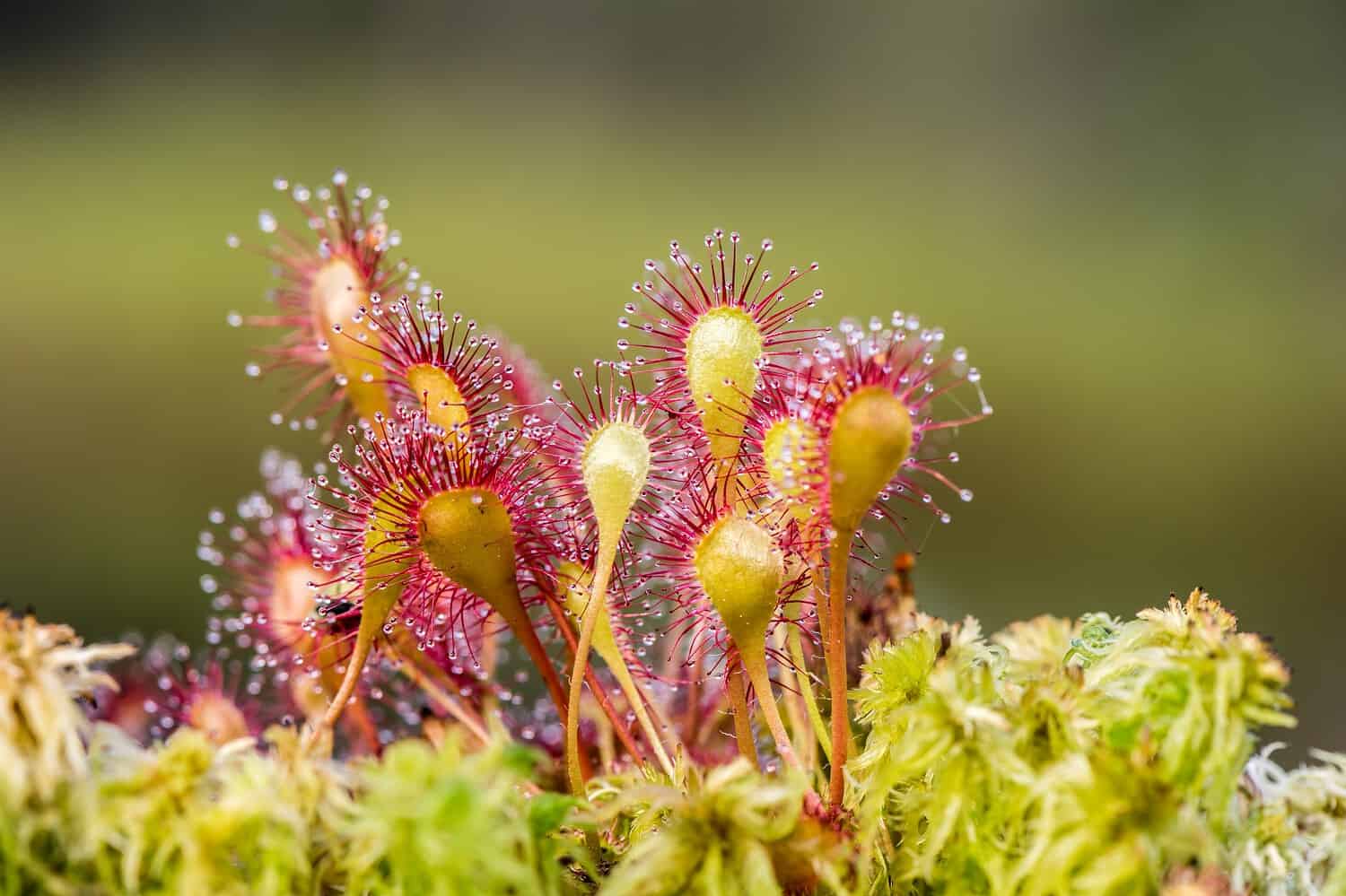
Sundews are fascinating carnivorous plants that you can easily grow at home. With their unique, sticky leaves, they attract and trap insects, providing them with essential nutrients.
You can find various types, including Drosera burmannii, which showcases beautiful dew-covered leaves. They thrive in bright, indirect sunlight, making them perfect for indoor settings. Growing sundews adds a touch of exotic beauty to your collection!
Nepenthes (Pitcher Plant)
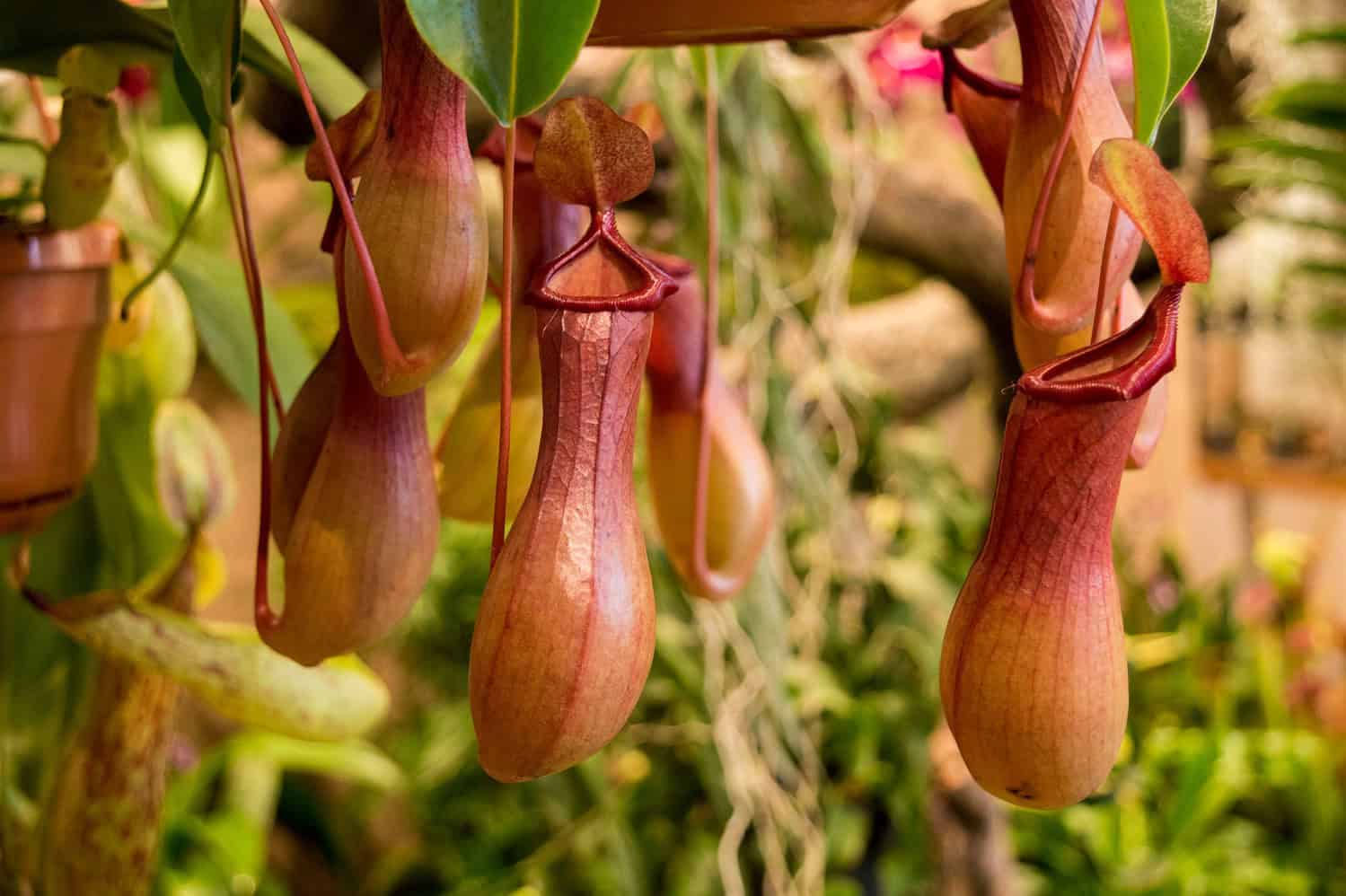
Nepenthes, commonly known as pitcher plants, are unique and captivating additions to your home garden. These tropical plants thrive in high humidity and prefer bright, indirect light.
Caring for your Nepenthes involves providing the right soil and occasional feeding. You can use cricket powder or small insects to help them grow strong. Their distinctive pitcher-shaped leaves not only look stunning but also catch pests, making them a natural pest control option!
Japanese Bird’s Nest Fern
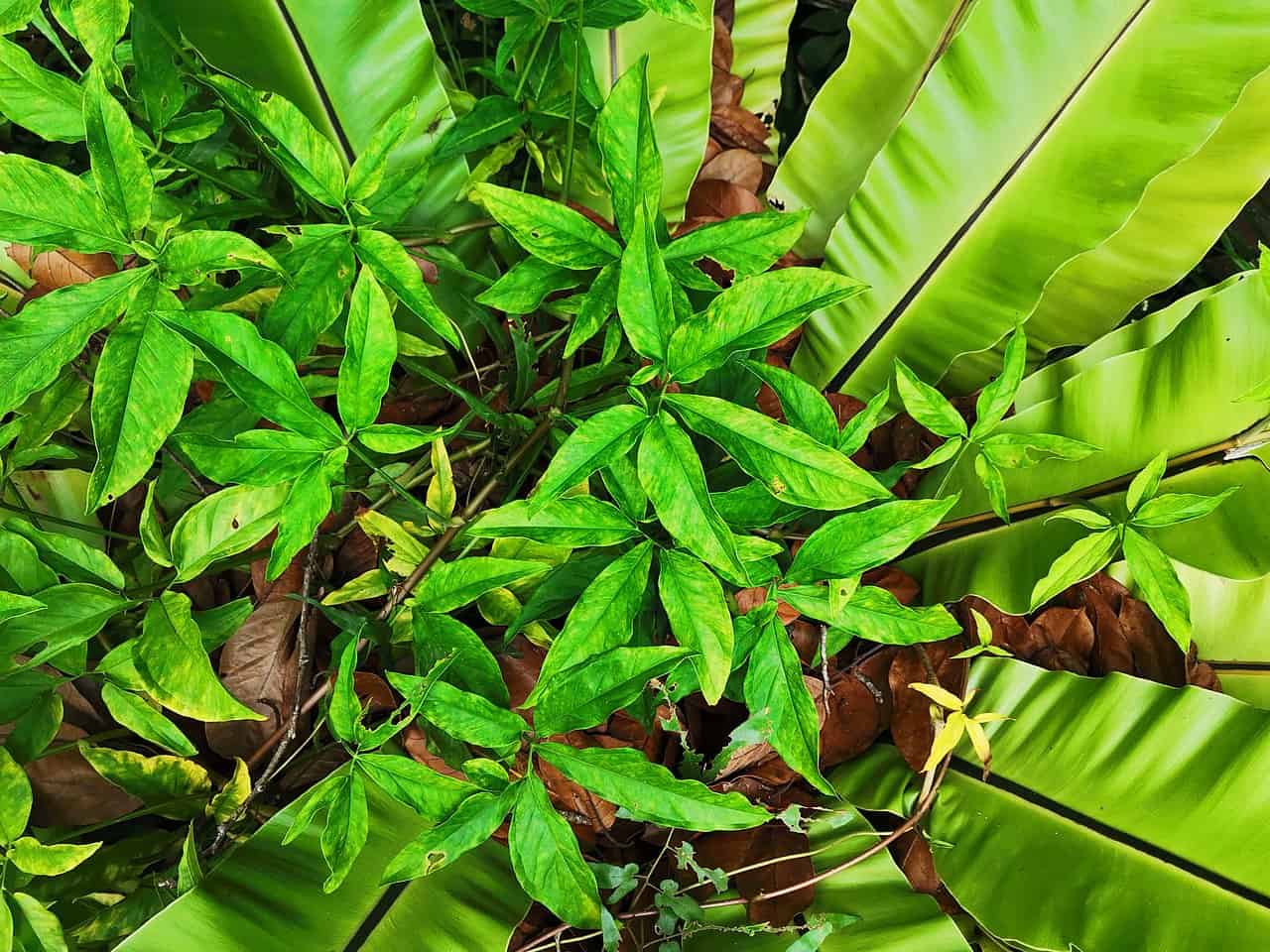
The Japanese Bird’s Nest Fern, or Asplenium antiquum, is a fantastic choice for your home. This fern is easy to care for, making it perfect for both novice and experienced plant enthusiasts.
You can grow it indoors or outdoors in mild climates. It thrives in light shade and requires minimal maintenance. With proper care, its vibrant fronds can truly brighten your space.
Bromeliad Neoregelia
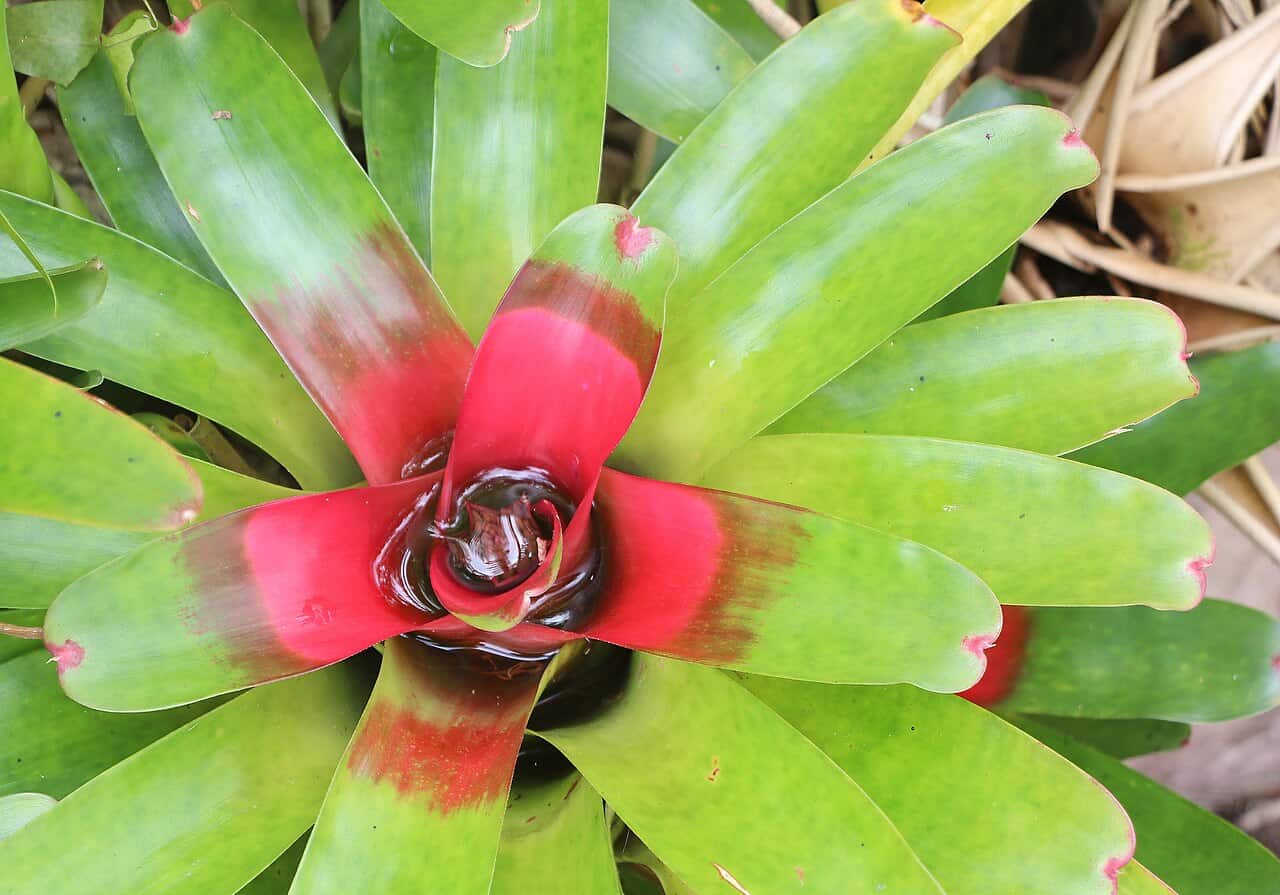
Bromeliad Neoregelia is a stunning choice for your home. With vibrant colors and rosette-shaped leaves, it adds a tropical feel to any space.
These plants thrive in bright, indirect light, making them perfect for bright rooms. Regular watering helps keep the center cup filled, which is essential for their growth.
Neoregelias are relatively low-maintenance and can tolerate varying humidity levels. Enjoy their unique beauty and watch them brighten your home!
Sansevieria Kirkii

Sansevieria kirkii, commonly known as the Coppertone snake plant, is a stunning choice for home gardeners. Its unique, variegated leaves add a touch of exotic flair to any space.
This plant thrives in low light and requires minimal care, making it perfect for beginners. Just ensure it has well-draining soil and moderate watering, and it will flourish in your home.
Hydrangea
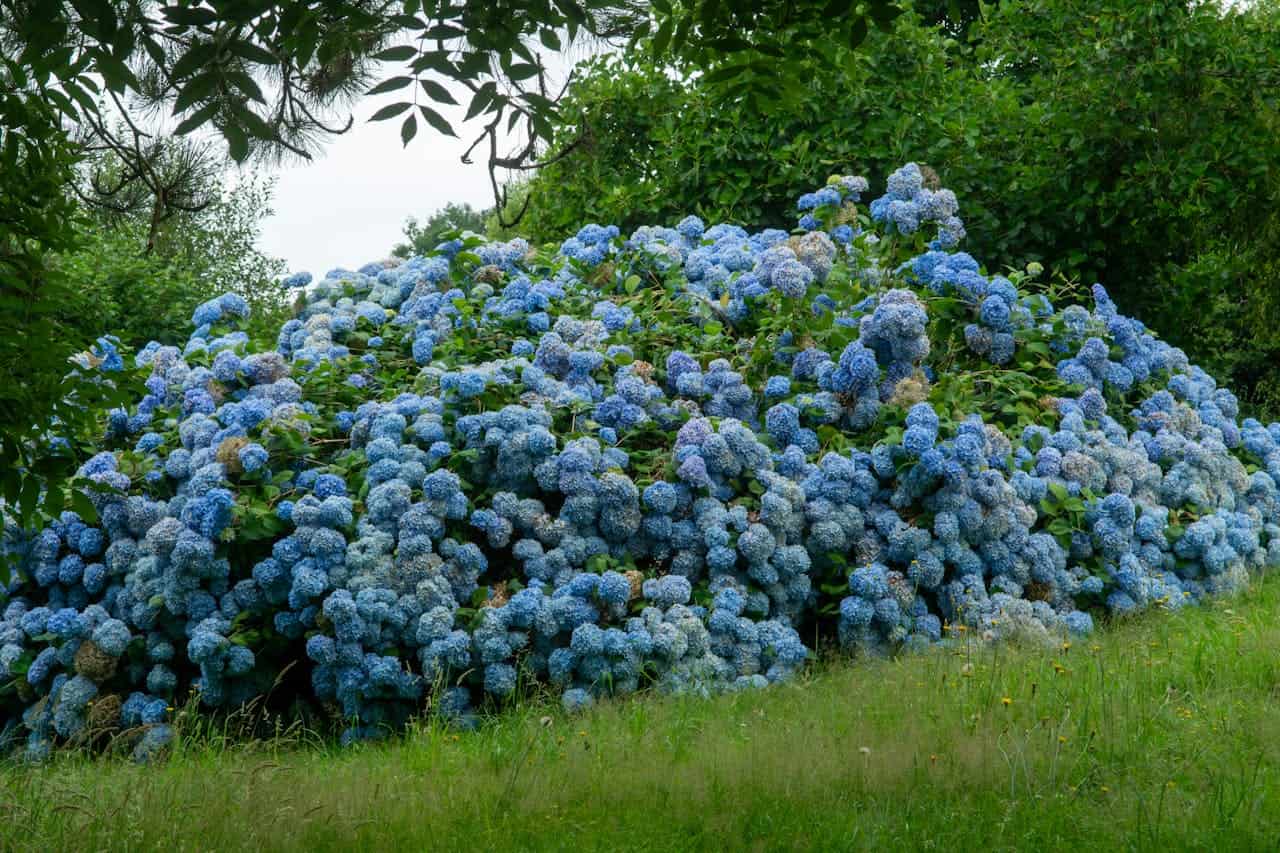
Hydrangeas are beautiful and versatile flowers that can brighten up your garden. You can choose from various types, like bigleaf or lacecap hydrangeas, each offering unique blooms.
Growing hydrangeas is relatively easy, and they thrive in different conditions. You can even find rare hydrangea seeds to cultivate exotic varieties at home. Enjoy adding a splash of color to your landscape!
*This article was created with the help of AI.