There’s a reason so many people fill their homes with plants—beyond just looking nice, they actually do a lot for your health and well-being. If you’ve ever felt more relaxed after watering your plants or just enjoy the way greenery makes a space feel more inviting, you’re not imagining things. Plants have been shown to boost focus, increase productivity, and even help with recovery after an illness.
And if you’re someone who tends to forget to water, don’t worry—there are plenty of hardy plants that still bring benefits without needing constant attention. Whether you already have a collection of houseplants or are just thinking about getting your first one, here are ten science-backed reasons why adding greenery to your space is worth it.
Advertisement
Plants Can Make You More Productive

If you’re struggling to stay focused at work, adding a plant to your desk might help more than you think. Studies have found that having plants in a workspace can boost productivity, reduce stress, and even spark creativity. In one experiment, students working near plants completed tasks faster and felt less overwhelmed.
It’s not just a placebo effect, either—other studies have shown that offices with more greenery see fewer sick days and higher job performance. If your workspace feels a little dull, a low-maintenance plant like a snake plant or pothos might be an easy way to liven it up and keep your mind engaged.
They Teach Responsibility Without the Pressure
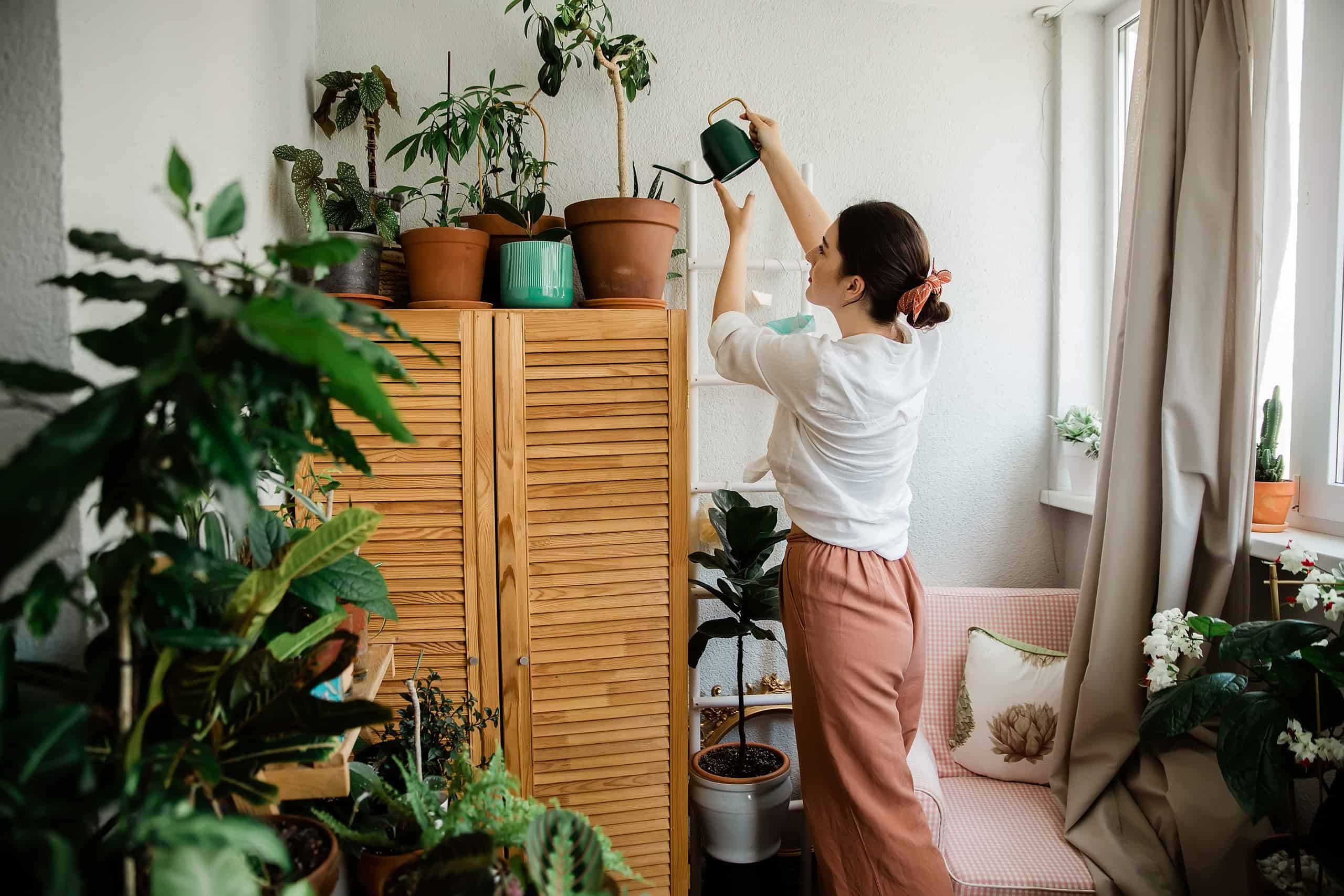
Caring for a plant is a great way to build responsibility, especially if you’re not ready for a pet or just want a low-stakes way to practice consistency. Plants need regular watering, the right light, and occasional care like pruning or repotting.
Unlike a dog or cat, a plant won’t bark at you if you forget about it for a day, but it does encourage routine and attentiveness. It’s also a great way to teach kids about responsibility without overwhelming them—start them off with an easy plant like a pothos or a succulent.
A Plant Can Make Work More Enjoyable

Nobody loves being stuck at work all day, but a little greenery might help make it more bearable. Research has found that people who work around plants feel more satisfied with their jobs and even more committed to their company. Something about having a bit of nature around makes the environment feel less draining.
Even if you don’t have a window view of trees or a fancy office setup, a simple potted plant can still help. It’s a small way to make your space feel more inviting, which can make those long workdays feel a little less stressful.
They Can Boost Humidity and Reduce Dry Air
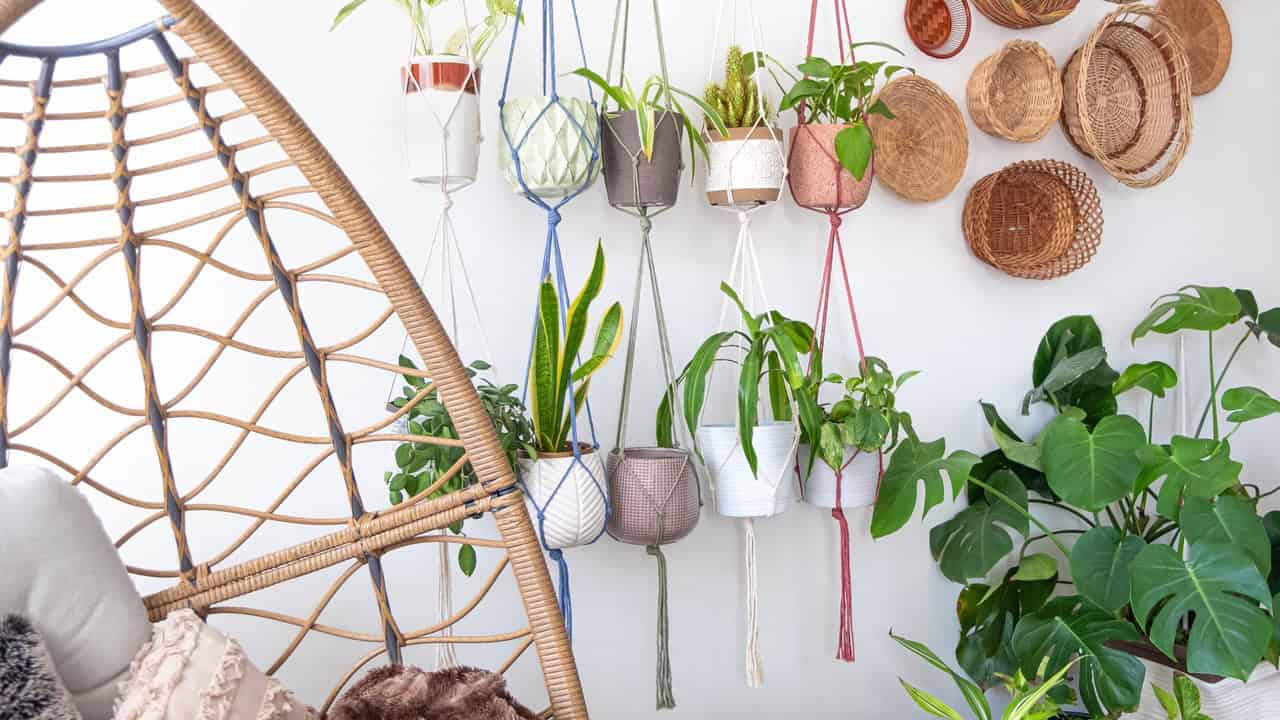
If you struggle with dry skin, scratchy throats, or static shocks in the winter, houseplants might help. Plants release moisture into the air through a process called transpiration, which naturally increases humidity.
Some plants are better at this than others—ferns, peace lilies, and areca palms are known for adding extra moisture to indoor air. While they won’t replace a humidifier, they can make a noticeable difference in keeping your home more comfortable, especially in colder months.
Plants Can Improve Indoor Air Quality
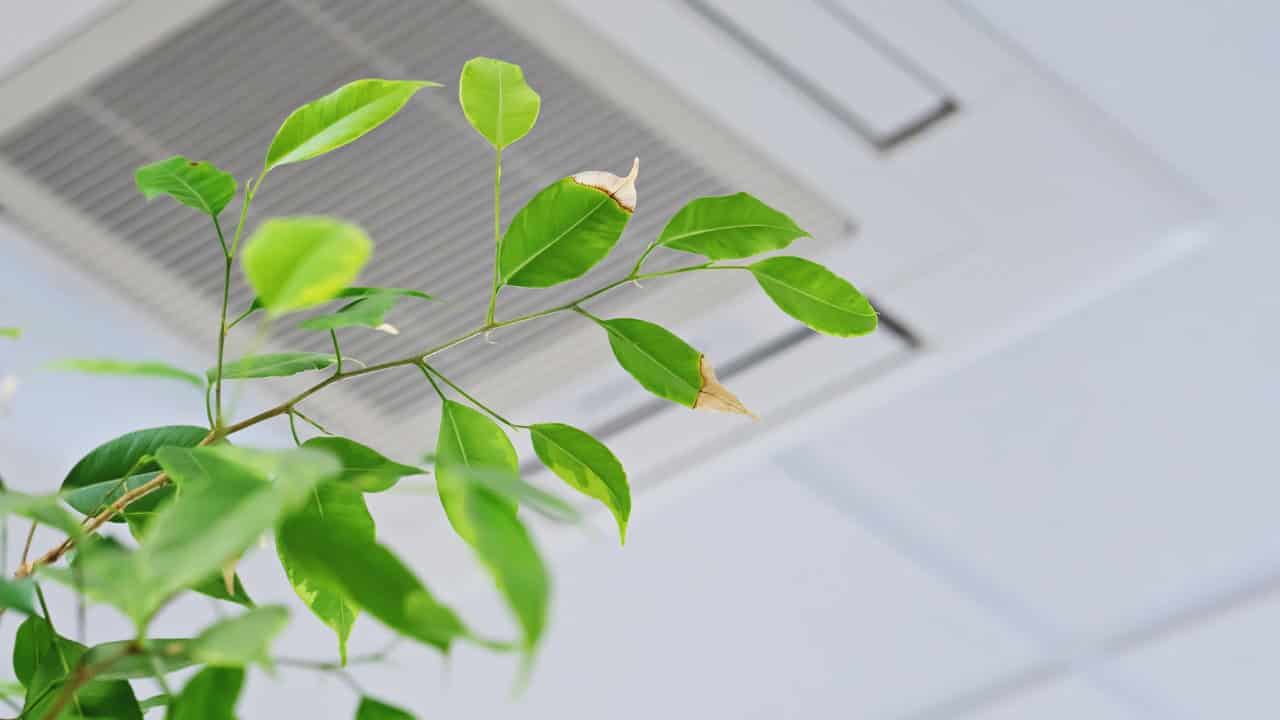
There’s a reason people always talk about plants “cleaning the air.” NASA originally studied houseplants as a way to filter air in space stations, and their research showed that plant roots and soil can absorb harmful chemicals in the air. Later studies confirmed that some plants are better at filtering air than others.
That said, you’d need a whole jungle in your house to match the air-purifying power of modern ventilation. But even if they don’t replace an air filter, plants like ferns, spider plants, and rubber trees can still help remove toxins from the air. Plus, they add moisture to dry indoor spaces, which is great for your skin and breathing.
Plants Can Help Lower Stress

Life can get overwhelming, but having a few plants around might help take the edge off. Research has shown that just working with plants—like repotting one—can lower stress levels. In one study, people who spent time tending to a plant had lower heart rates and blood pressure afterward. Meanwhile, those stuck on a computer task saw their stress levels spike.
The best part is that you don’t have to be a gardening expert to get the benefits. Even simple plant care—watering, trimming, or just admiring your greenery—can help you feel more at ease. It’s an easy way to build a little more calm into your daily routine.
Real Plants Can Improve Focus

Fake plants might look nice, but they won’t do much for your brain. A study found that students who had real plants in their classroom were more focused than those who studied with fake plants, pictures of plants, or no plants at all. Something about having live greenery in your space seems to help your mind stay on track.
If you work from home or have a study area, adding a few plants might be a simple way to improve your concentration. Even low-maintenance options like snake plants or pothos can make a difference without requiring much effort.
They Create a More Relaxing Environment

There’s a reason people love filling their homes with greenery—plants just make a space feel calmer and more inviting. Whether it’s a small aloe plant on your kitchen counter or a full wall of greenery in your living room, plants help soften a space and make it feel more natural.
Studies have shown that being around plants can lower anxiety and boost mood, even if you’re not actively tending to them. Just having that little bit of nature in your home can help create a more peaceful atmosphere, which is something everyone could use.
Caring for Plants Can Be Therapeutic

There’s something about tending to plants that just feels good. In fact, horticultural therapy—using plants to improve mental health—has been around for centuries. Studies have shown that indoor gardening can boost well-being for people dealing with anxiety, depression, or dementia. Some doctors in England even prescribe potted plants to patients as part of their treatment.
You don’t have to go all out with a full garden to get the benefits. Even a small indoor herb garden or a single houseplant can give you something positive to focus on. Watching something grow under your care is a great reminder that progress takes time.
Plants Might Speed Up Recovery

Ever notice how hospitals and recovery centers often have plants and greenery? That’s because studies have shown that looking at plants and flowers can actually help people recover from illness or surgery faster. In one review, patients who had views of greenery needed less pain medication and got out of the hospital sooner than those without.
Even if you’re just feeling under the weather, surrounding yourself with plants might give you a small boost. Whether it’s fresh flowers on your nightstand or a potted plant by your bed, a little bit of greenery could make your recovery a little more comfortable.
*This article was created with the help of AI.