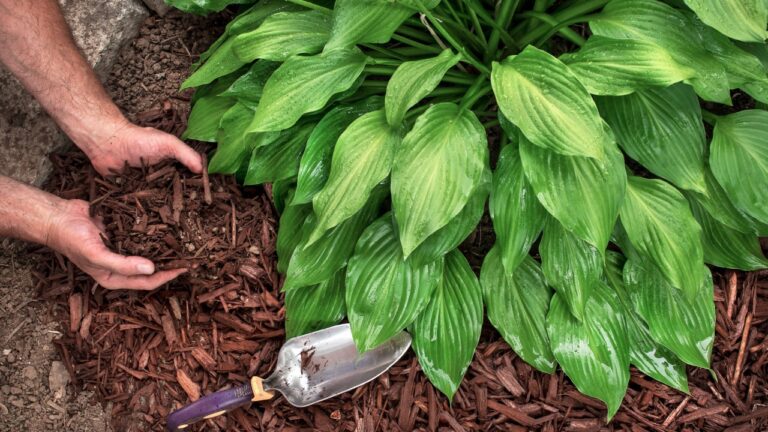
Knowing which fertilizers can harm your soil is important if you want to keep your garden healthy. Some popular fertilizers might seem helpful but can actually damage the soil’s natural balance.
You need to be careful about what you use to feed your plants because certain fertilizers can make your soil less healthy over time. Understanding this can help you avoid common mistakes that hurt your garden instead of helping it.
Advertisement
Miracle-Gro: High salt content harms soil microbes
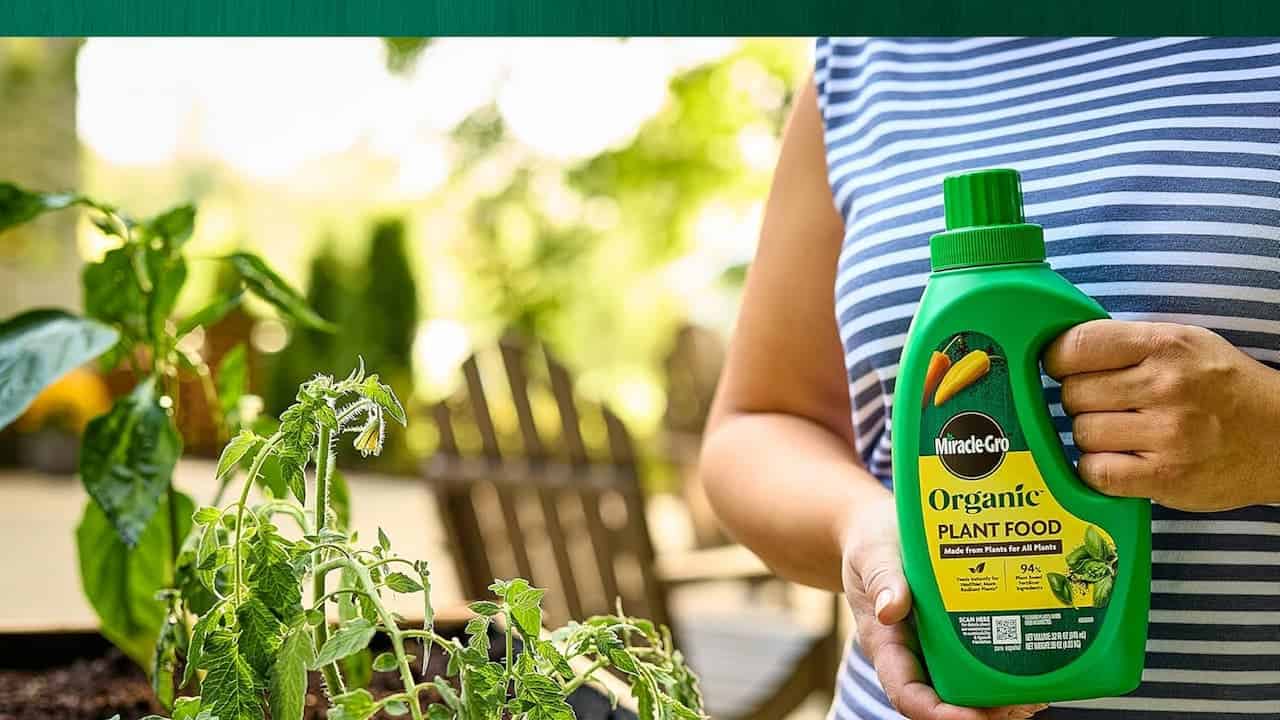
When you use Miracle-Gro, you add a lot of salt to your soil. High salt levels can hurt the tiny microbes that live there. These microbes help plants grow by breaking down nutrients.
If the microbes are damaged, your soil won’t be as healthy. This can make it harder for your plants to get the good stuff they need. So, using too much Miracle-Gro may cause problems over time.
NPK fertilizers: Block micronutrient uptake in plants

When you use NPK fertilizers, they can make it harder for your plants to absorb important micronutrients. This happens because the main nutrients in NPK can compete with smaller, needed minerals in the soil.
If your plants don’t get enough micronutrients, they might not grow as well or stay healthy. So, using too much NPK fertilizer can actually hurt your soil and plants over time.
Fresh, non-composted manure: Contains harmful salts and weed seeds

Using fresh manure might seem like a quick fix, but it often has salts that can hurt your plants. These salts can stop your plants from getting water properly.
Also, fresh manure can carry weed seeds. Those weeds can take over your garden and make it hard for your plants to grow. It’s safer to use composted manure to avoid these problems.
Chemical fertilizers with PFAS: ‘Forever chemicals’ damage environment
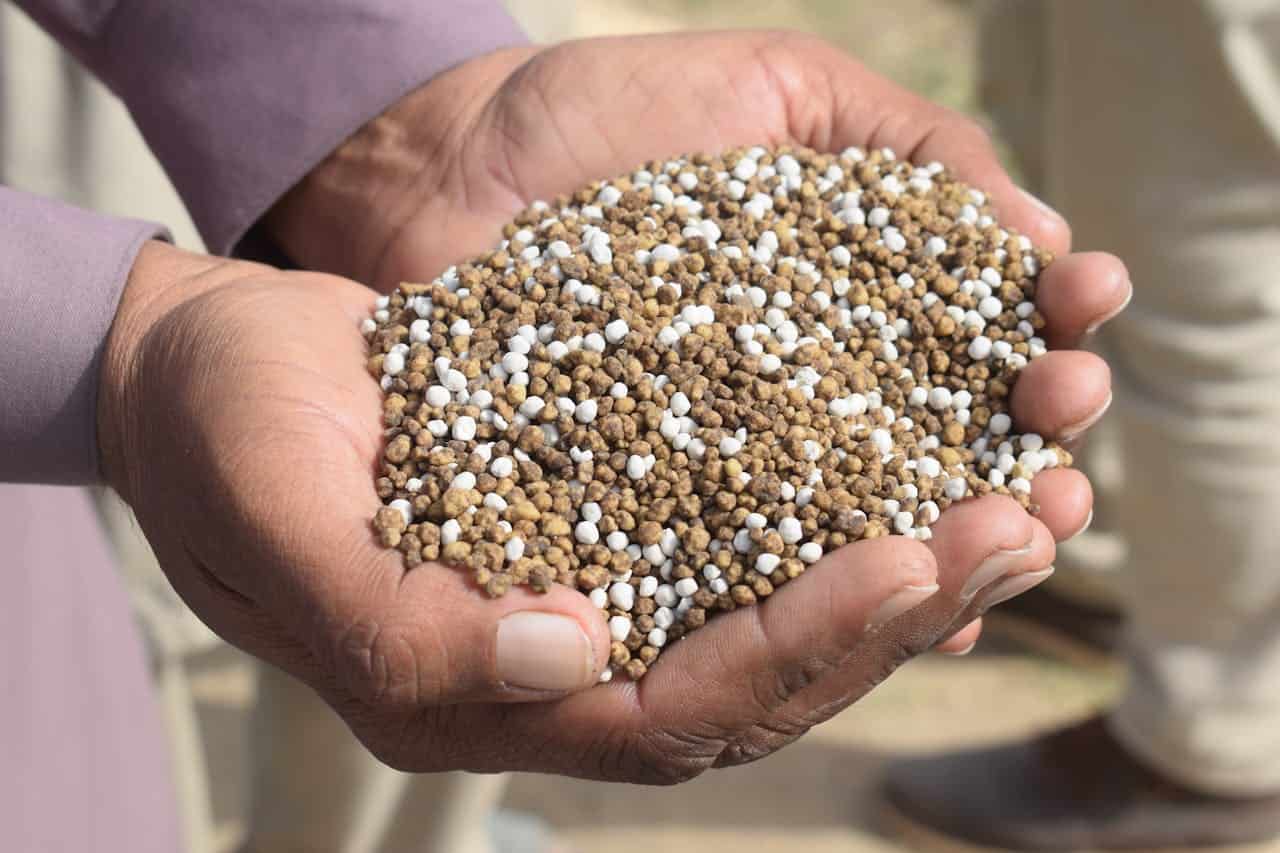
You might not know that some chemical fertilizers contain PFAS, also called “forever chemicals.” These chemicals don’t break down easily and can stay in your soil for a long time.
When PFAS get into the soil, they can harm plants and eventually make their way into water. Using fertilizers with PFAS can cause problems for your garden and the environment.
Synthetic phosphorus fertilizers: Can increase soil acidity
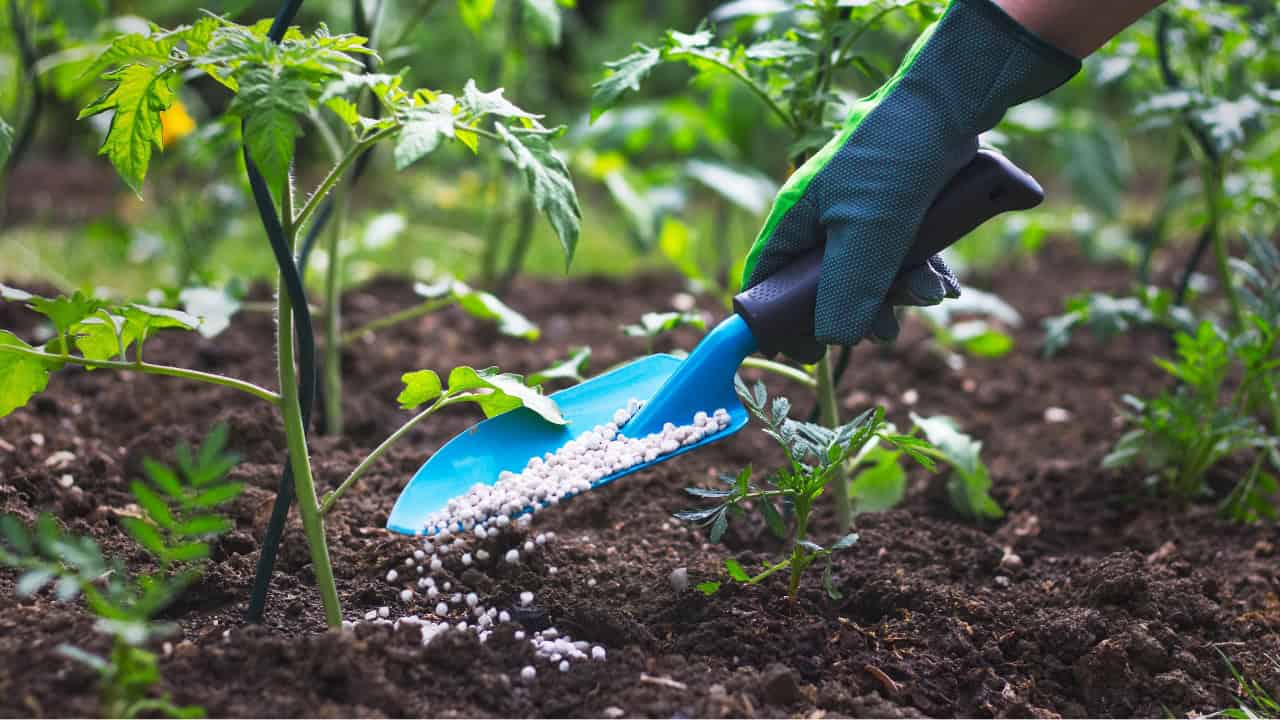
If you use synthetic phosphorus fertilizers, be careful. They can make your soil more acidic. This happens because certain phosphorus fertilizers release hydrogen ions into the soil.
More acidic soil can harm your plants if it’s not balanced. It’s a good idea to test your soil pH before adding these fertilizers. This way, you can avoid making your soil too acidic.
Water-soluble synthetic fertilizers: Damage beneficial soil organisms
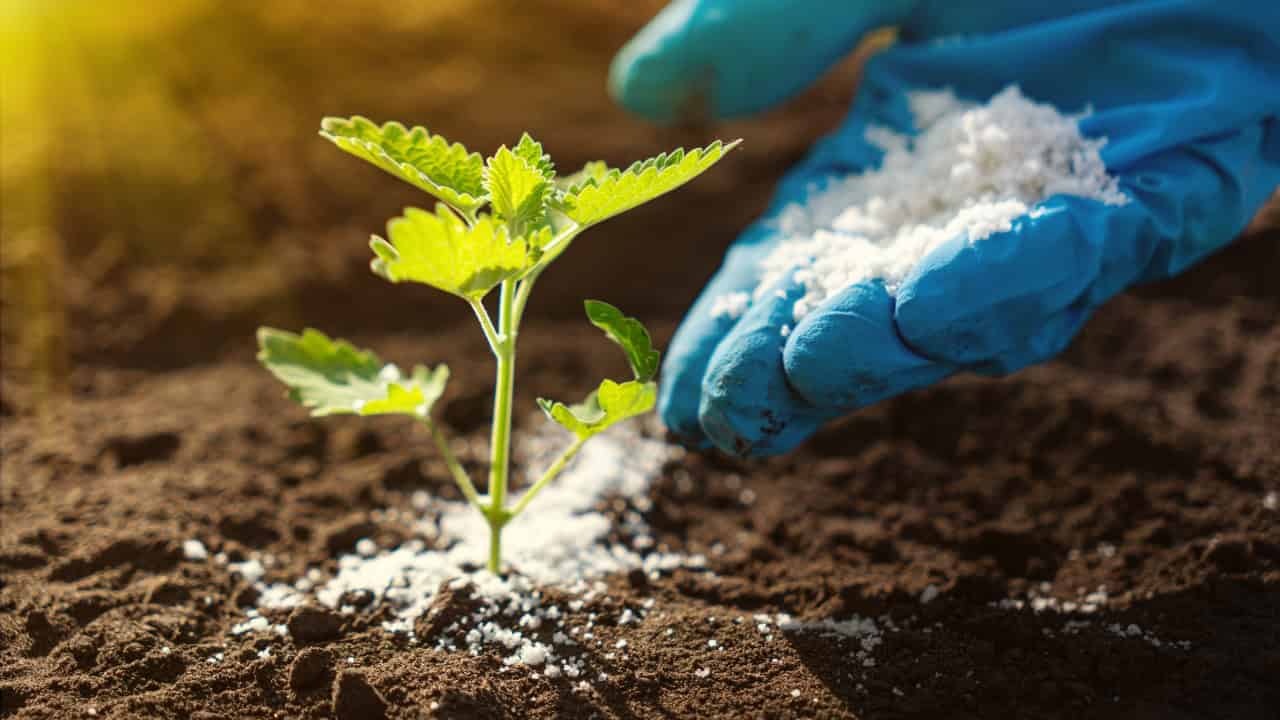
When you use water-soluble synthetic fertilizers, they can harm the helpful microbes in your soil. These tiny organisms are important because they keep soil healthy and help plants grow.
Too much of these fertilizers can reduce the number of good bacteria and fungi. This can mess up natural soil processes and make your garden less healthy over time.
High-salt synthetic fertilizers: Cause root burn and reduce soil health

If you use high-salt synthetic fertilizers, you might notice your plants’ roots getting damaged. The salt can burn roots, making it harder for plants to take up water and nutrients.
These fertilizers can also reduce how well your soil holds water. Over time, this can make your soil less healthy and less able to support strong plants.
Fast-release chemical fertilizers: Disrupt natural soil nutrient cycles
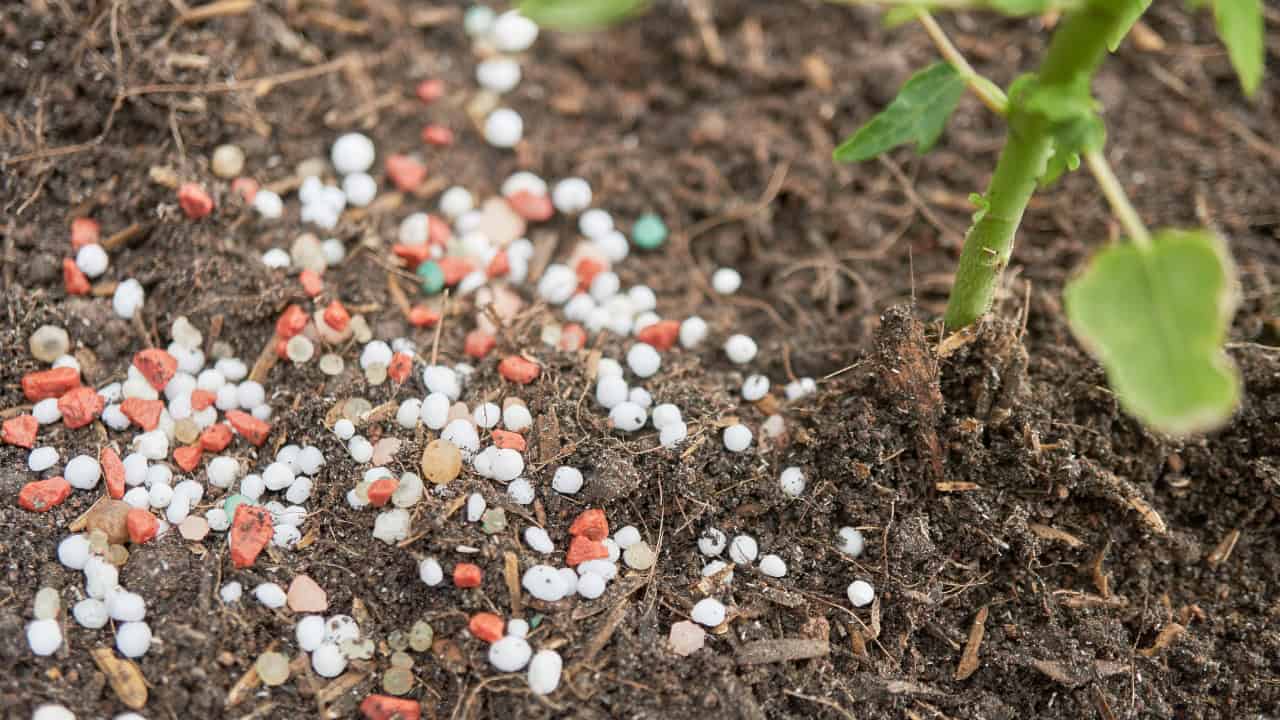
When you use fast-release chemical fertilizers, they quickly add nutrients to your soil. This might sound good, but it can upset the natural balance of nutrients.
These fertilizers often flood your soil with nitrogen and phosphorus. This can cause some nutrients to wash away before plants use them. Over time, your soil loses helpful microbes and organic matter. This makes it harder for your plants to get nutrients naturally.
Synthetic fertilizers: Encourage pest attacks on plants

When you use synthetic fertilizers, your plants might grow fast but become weaker against bugs. High nitrogen in these fertilizers can make plants less able to fight off pests.
You might also notice more aphids and other pests because the fertilizers disrupt the natural balance in the soil. This makes your plants easier targets.
Overuse of nitrogen fertilizers: Leads to soil nutrient imbalance
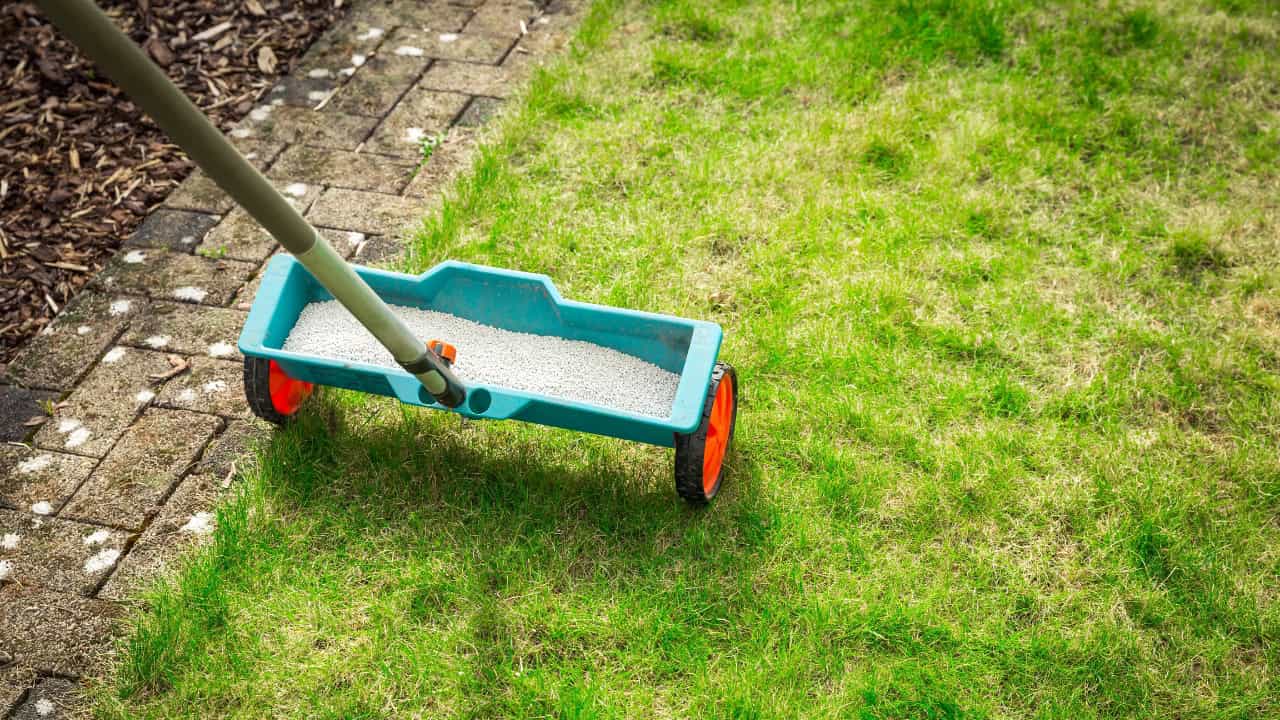
When you use too much nitrogen fertilizer, it can mess up the balance of nutrients in your soil. This means some nutrients become too high while others get used up.
Your plants might not get the right mix of nutrients, which can hurt their growth. Over time, the soil’s natural health can also get worse.