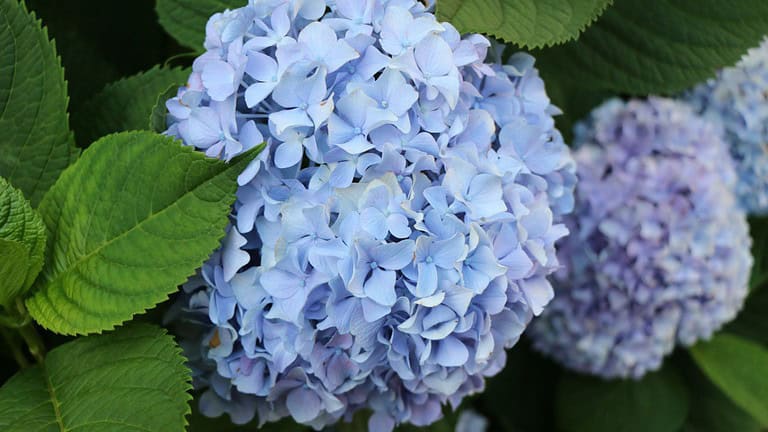
Have you ever come across a plant name that sounded so peculiar it could belong in a fantasy novel? Nature has an impressive way of surprising us not just with its beauty but also with the creativity reflected in its plant names. You’ll discover a fascinating variety of plants that have names so unique, they might just make you smile or raise an eyebrow.
These unusual names often bring a sense of wonder and whimsy to the garden. Whether you’re a seasoned plant enthusiast or just someone who enjoys the occasional stroll through a nursery, this exploration into the world of quirky plant names will surely pique your curiosity.
Advertisement
Bleeding Heart
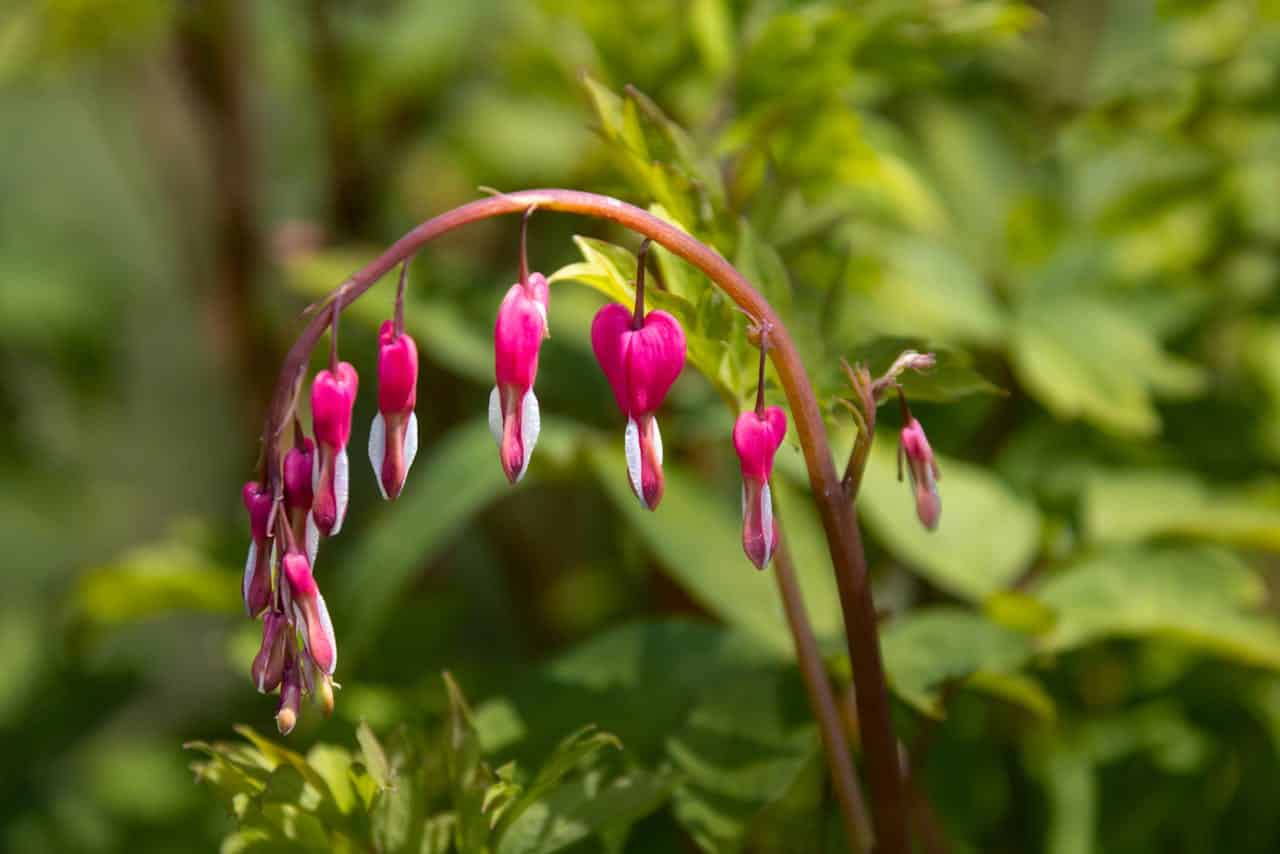
Bleeding Heart, known scientifically as Lamprocapnos spectabilis, features beautiful heart-shaped flowers. This charming plant blossoms in spring and adds a lovely touch to your garden.
You might find it thriving in shaded areas, making it a perfect choice for those tricky spots. Its unique appearance truly stands out and can brighten up any landscape. Enjoy this delightful plant in your outdoor space!
Naked Ladies
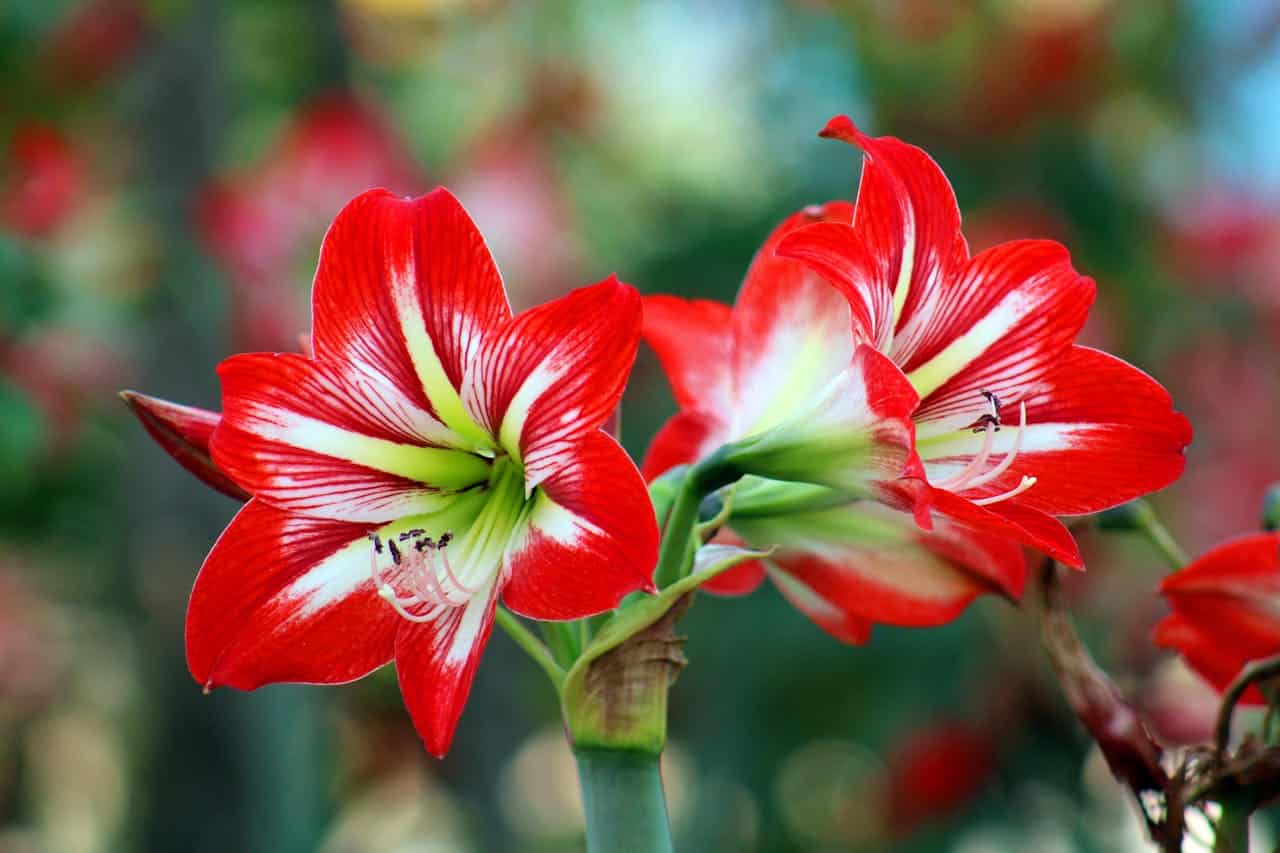
You may find it amusing that “Naked Ladies” is a popular name for certain flowers. These plants, scientifically known as Amaryllis belladonna, rise from the ground without leaves, presenting stunning pink or white blooms.
They’re also called “surprise lilies,” reflecting their sudden appearance in gardens. If you’re curious to learn more about these charming flowers, check out this True Plant Stories: Naked Ladies article.
Cockscomb
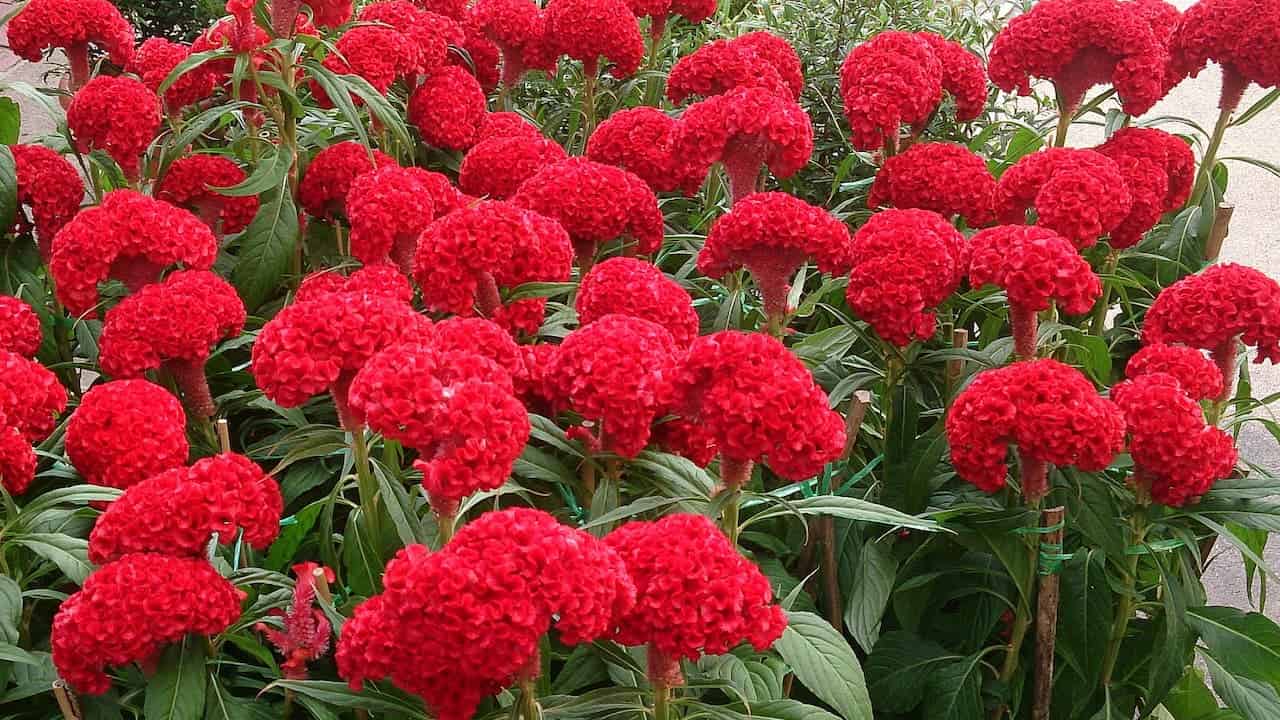
Cockscomb, or Celosia argentea var. cristata, features unique flowers that resemble a bright red brain. This eye-catching plant adds a fun touch to gardens with its feathery, vibrant blooms.
Native to tropical regions, cockscomb thrives in warm weather. You can enjoy its unusual shape and colors throughout the growing season, making it a delightful addition to your plant collection.
Tickleweed
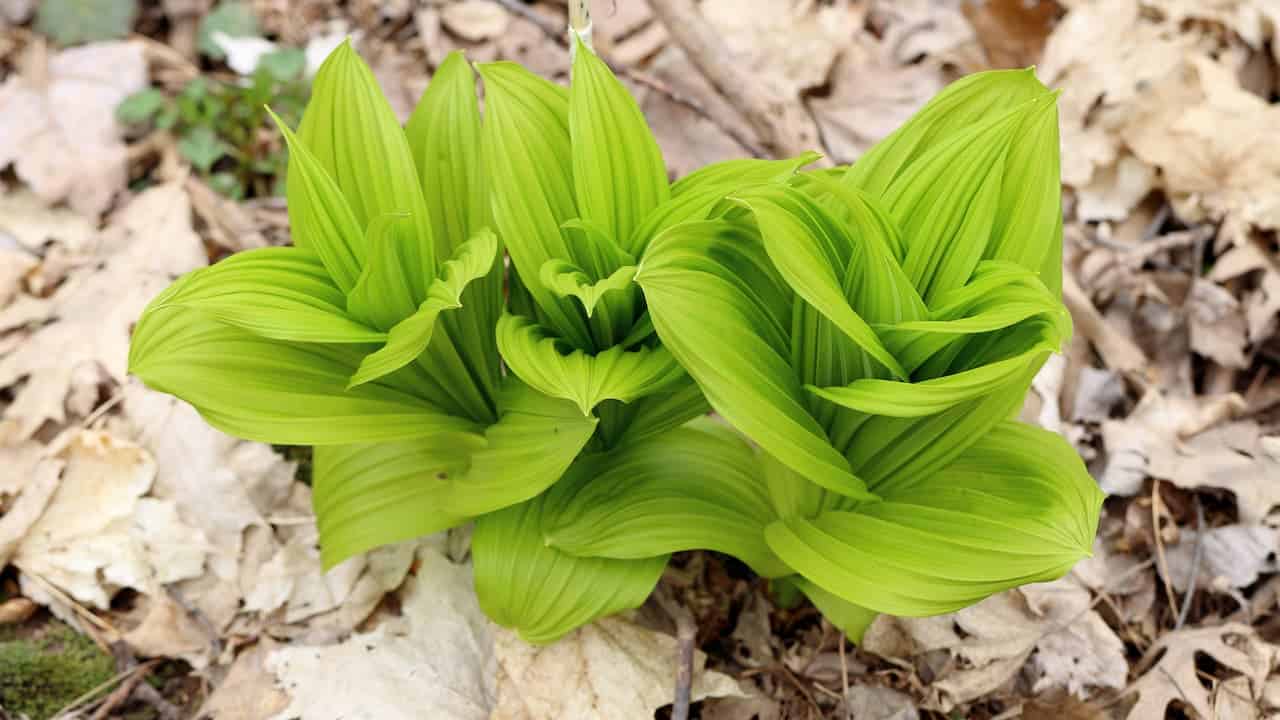
Tickleweed is a playful name for a plant that can bring a smile to your face. The scientific name is Hymenocallis, and it’s often found in marshy areas.
Its delicate flowers resemble a playful nod to the name, appearing in clusters that can charm anyone. Don’t be surprised if you find yourself giggling at such a whimsically named plant!
Sneezeweed
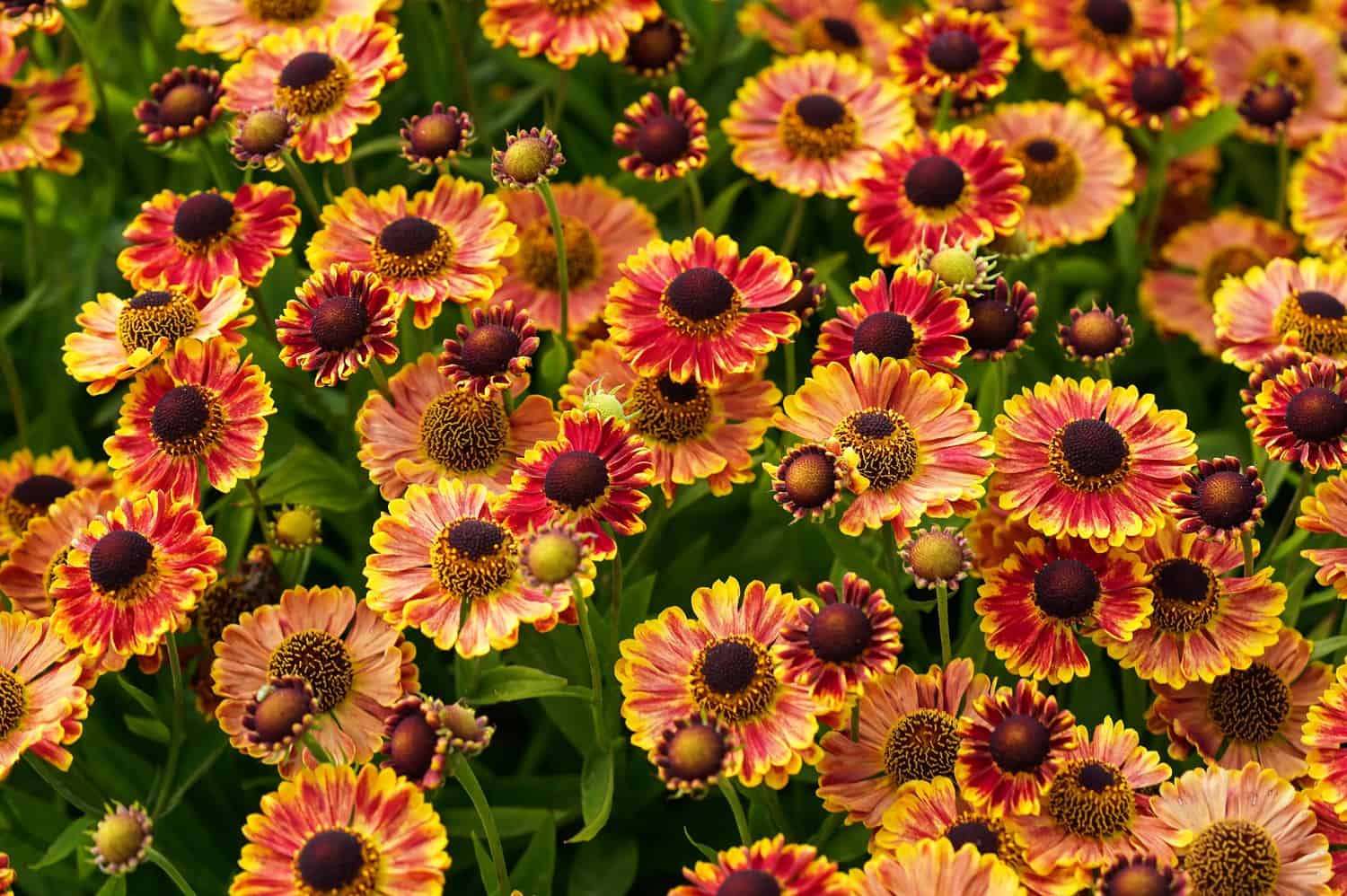
Sneezeweed, scientifically known as Helenium autumnale, has a quirky name that captures curiosity. This plant is often found blooming in late summer and offers vibrant yellow and orange flowers that attract pollinators.
You might find it interesting that the name “sneezeweed” comes from the historical use of its leaves to make snuff. With its cheerful look, Sneezeweed can brighten up your garden.
Pussytoes
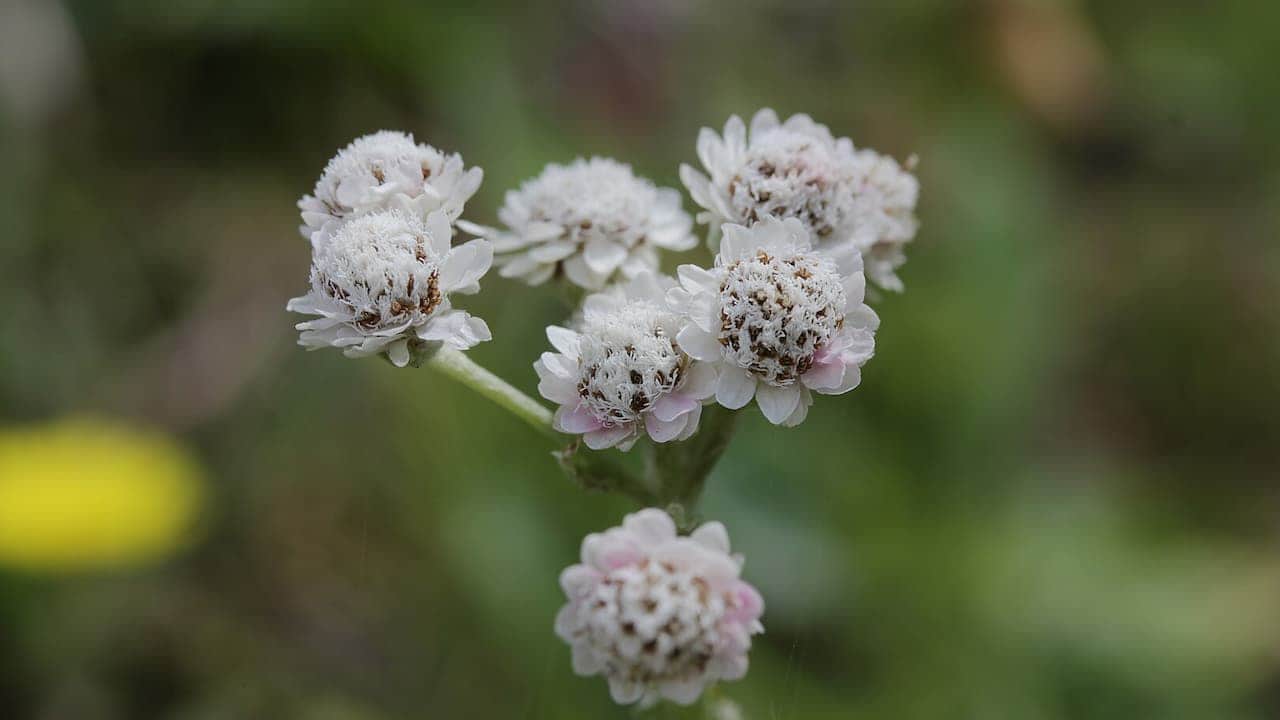
Pussytoes are charming little plants that might catch your eye with their unique name. The flowers resemble a cat’s paw, which is how they earned that delightful moniker. You can find various species, such as field pussytoes, thriving in North America. Their unusual name definitely adds a fun twist to any garden!
Queen Anne’s Lace

Queen Anne’s Lace may sound whimsical, but it’s a real plant! Known scientifically as Daucus carota, this stunning flower resembles a delicate lacy umbrella.
You might recognize it by its white blooms and beautiful, fern-like leaves. Rarely, it can be confused with toxic look-alikes, so always be cautious when foraging. Don’t forget that its root is edible and has a history tied to the wild carrot.
Good King Henry
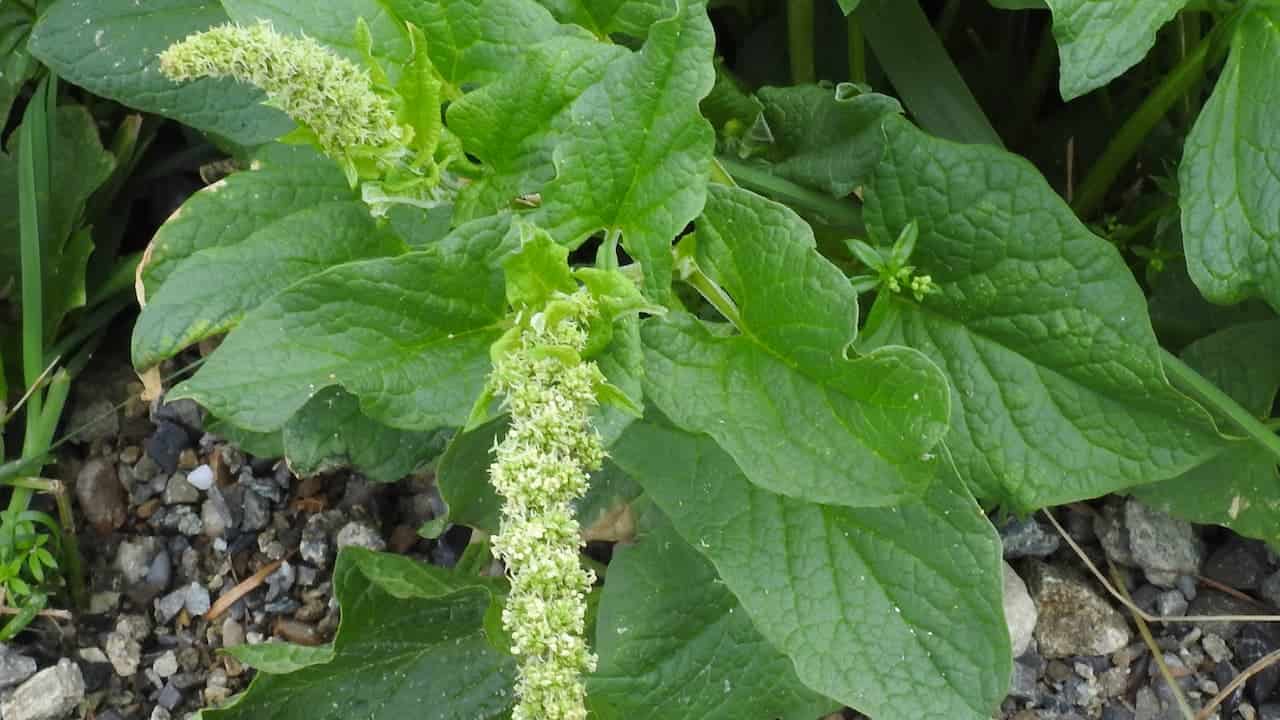
Good King Henry is a perennial plant with a quirky name you might not expect. Often called “poor man’s asparagus” or “Lincolnshire spinach,” it’s known for its edible leaves that can be cooked like spinach.
This hardy plant thrives in various conditions, making it a great addition to your edible garden. You’ll find its rich flavor adds depth to your dishes.
Bugleweed
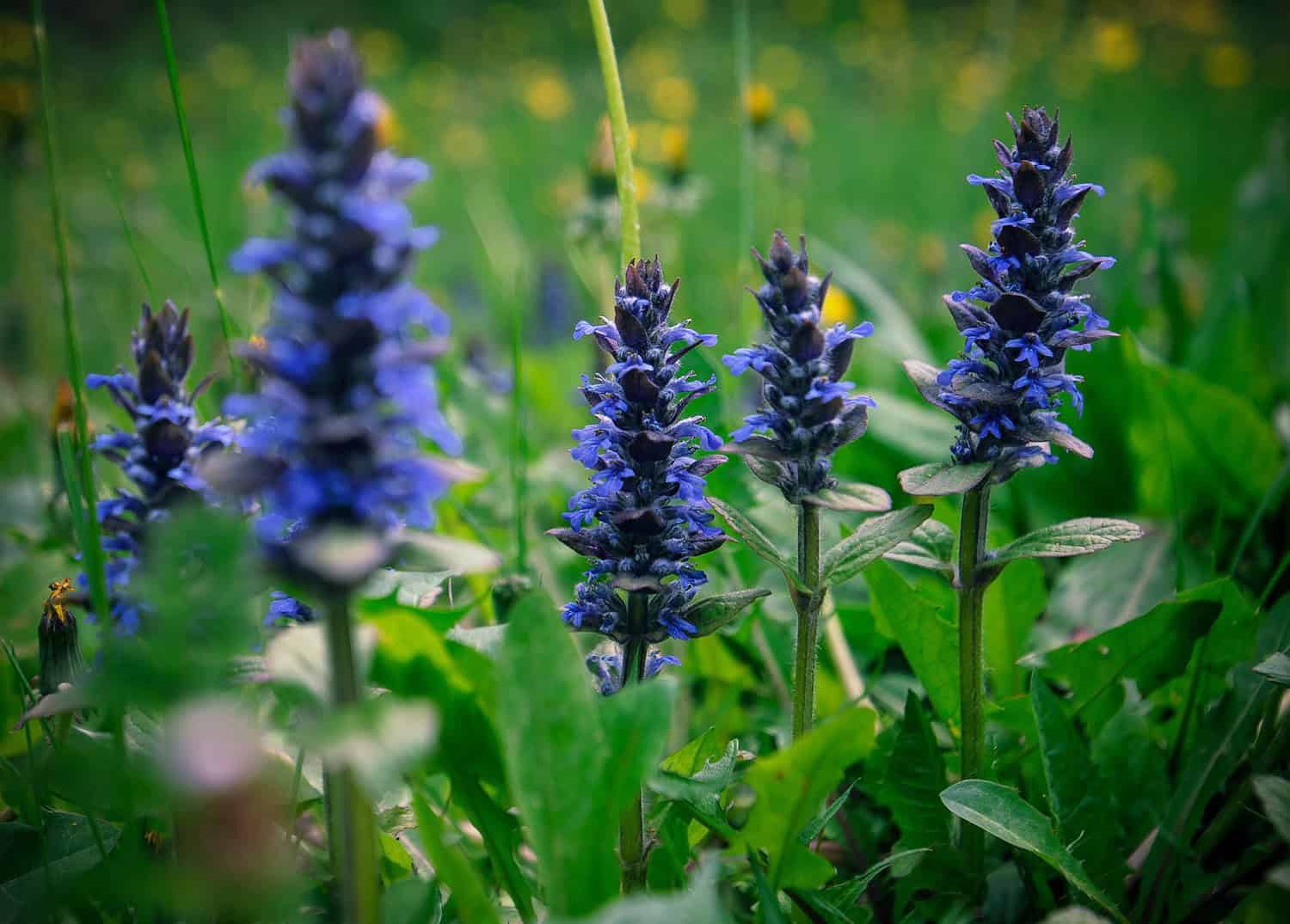
Bugleweed, also known as Lycopus europaeus, is a charming perennial herb. It features dense, green foliage and small, tubular flowers that can add beauty to your garden.
This plant thrives in moist areas and can even help with some traditional health remedies. Its nickname, “bugle,” might sound whimsical, but it’s a delightful addition to any plant collection.
Bear’s Breeches
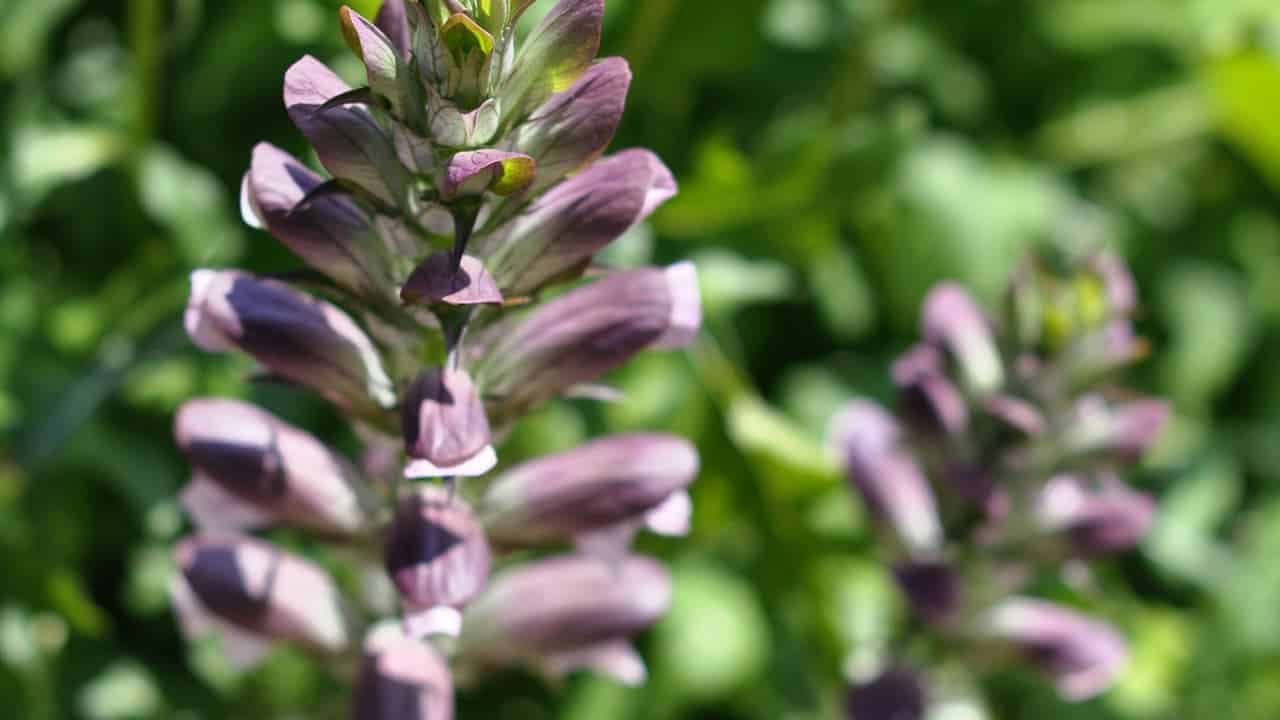
Bear’s Breeches, known scientifically as Acanthus, adds a unique touch to gardens with its striking foliage. This perennial plant can reach heights of 2 to 6 feet and produces eye-catching spikes of white and pink flowers.
It’s a resilient choice, known for being deer resistant. You can find varieties like Acanthus mollis and Acanthus spinosus, each of which brings its own charm to your landscape.