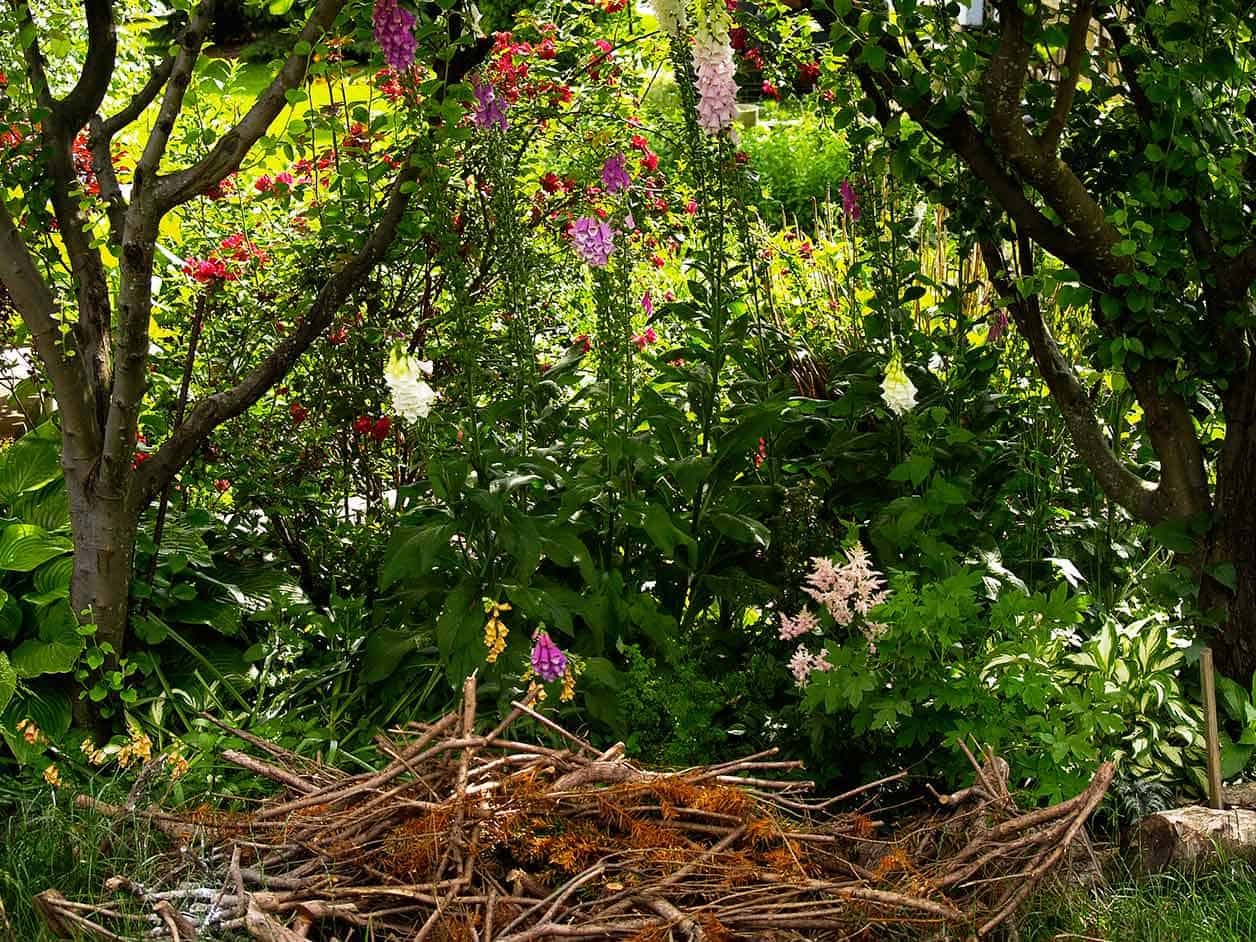
If you enjoy gardening or want to add more life to your outdoor space, choosing the right perennial combinations can make all the difference. Pairing plants that complement each other helps create a balanced, colorful, and low-maintenance garden that you’ll enjoy throughout the seasons.
Knowing which perennials thrive together and enhance each other’s beauty takes the guesswork out of planting and helps your garden look its best. When you choose smart combinations, you get a natural, effortless style that works well in different environments and growing conditions.
Advertisement
Echinacea and Agastache for vibrant summer color
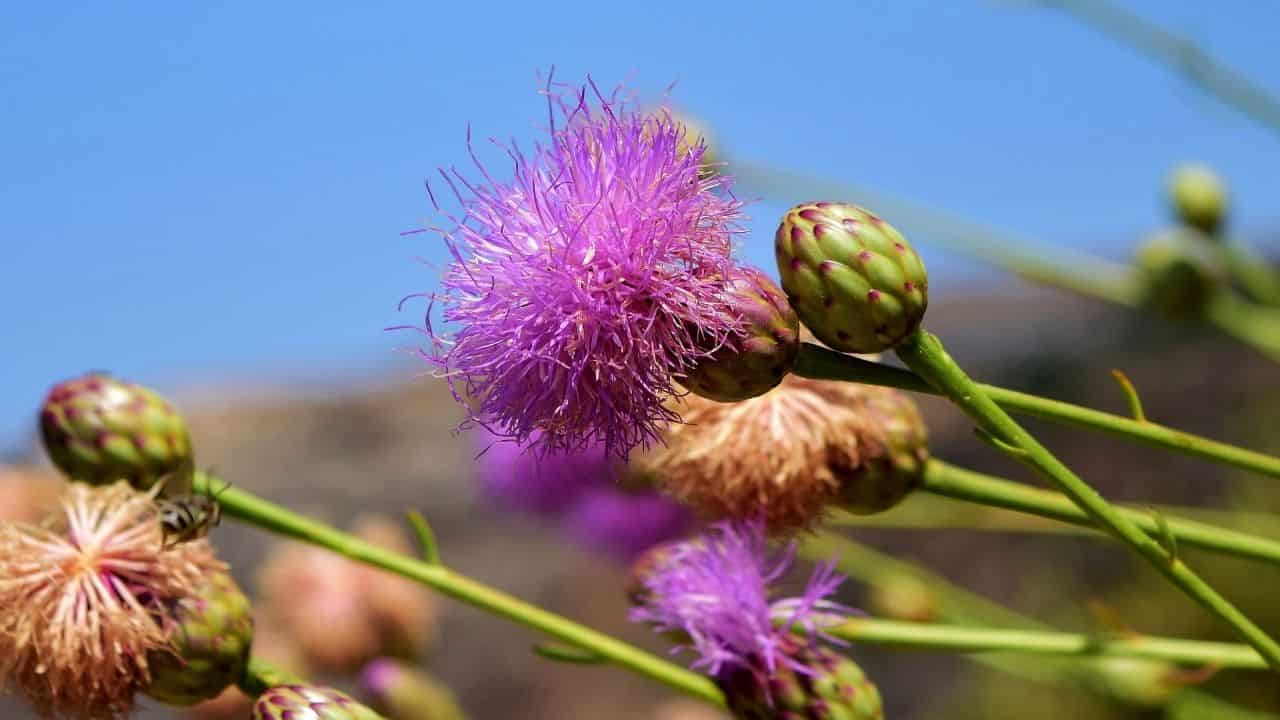
If you want a combo that brightens your garden, Echinacea and Agastache work really well together. Both plants enjoy similar growing conditions like full sun and well-drained soil.
You’ll get long-lasting blooms from Agastache alongside the bold colors of Echinacea. This pairing attracts pollinators, too, making your garden lively all summer long. See more about this combo at Gardenia.net.
Spirea bumalda paired with hydrangea for soft, lush layers
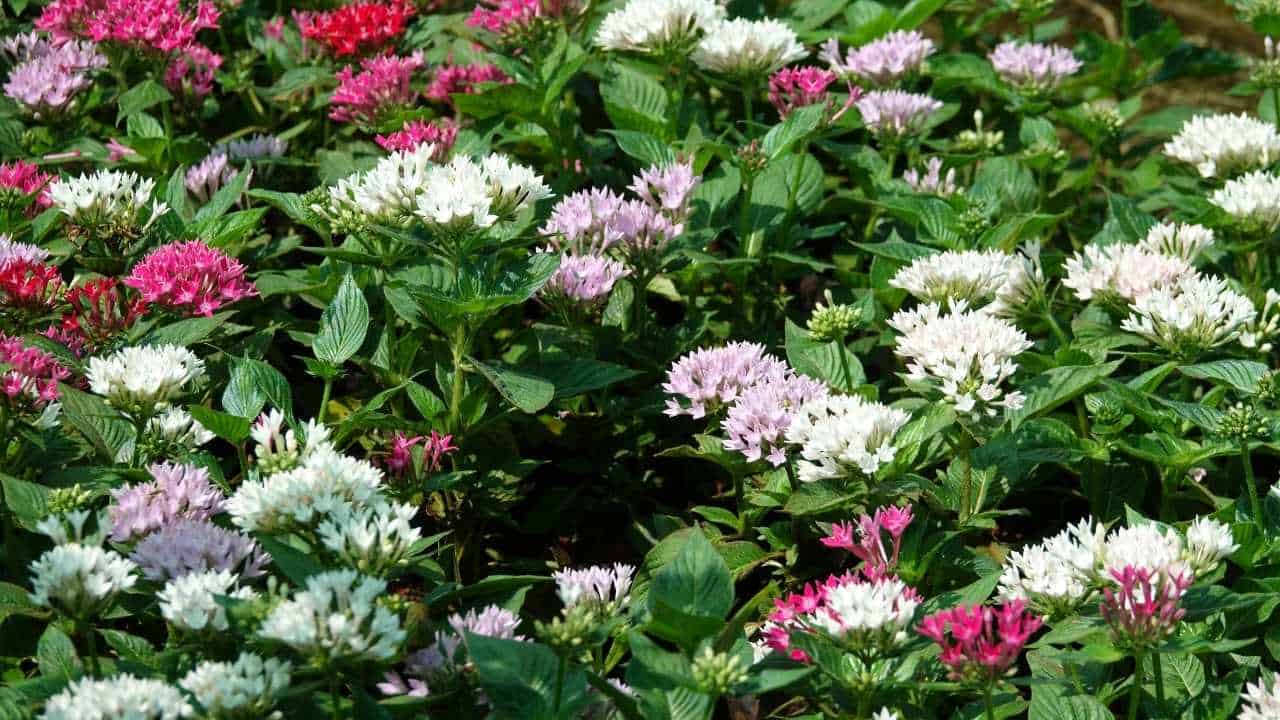
You can create a soft, lush garden look by pairing Spirea bumalda with hydrangeas. The Spirea offers airy, pink blooms that contrast nicely with the bold, rounded flowers of hydrangeas. Together, they add texture and depth without needing much maintenance.
This combo works well in partial sun and gives your garden a gentle, layered feel that looks inviting all season. For more ideas, check out this guide on perfect perennial shrubs.
Himalayan honeysuckle with deep purple heuchera
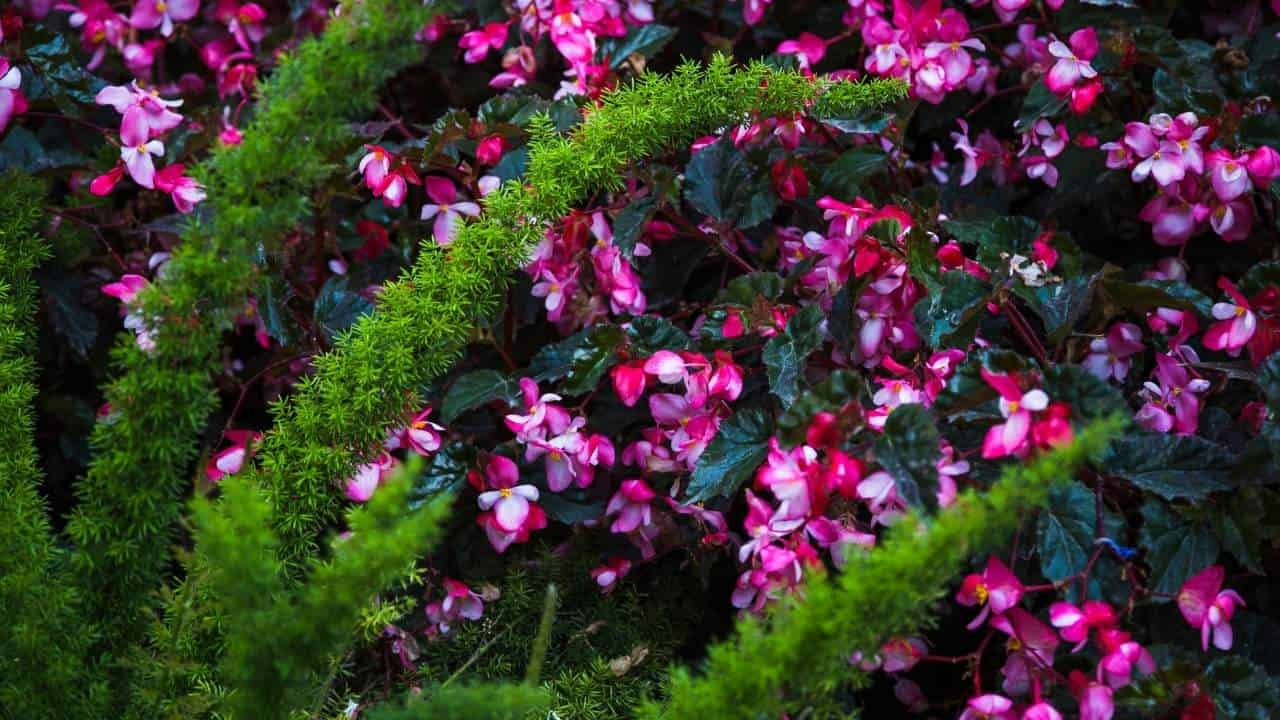
If you want a combo that really pops, try pairing Himalayan honeysuckle with deep purple heuchera. The honeysuckle’s wild, green foliage contrasts nicely with the rich, dark leaves of the heuchera.
This mix adds texture and color variety to your garden without much fuss. It’s a great way to bring some life to shady spots. You can learn more about pairing these plants here.
Hostas combined with ferns and bluebells for shady spots
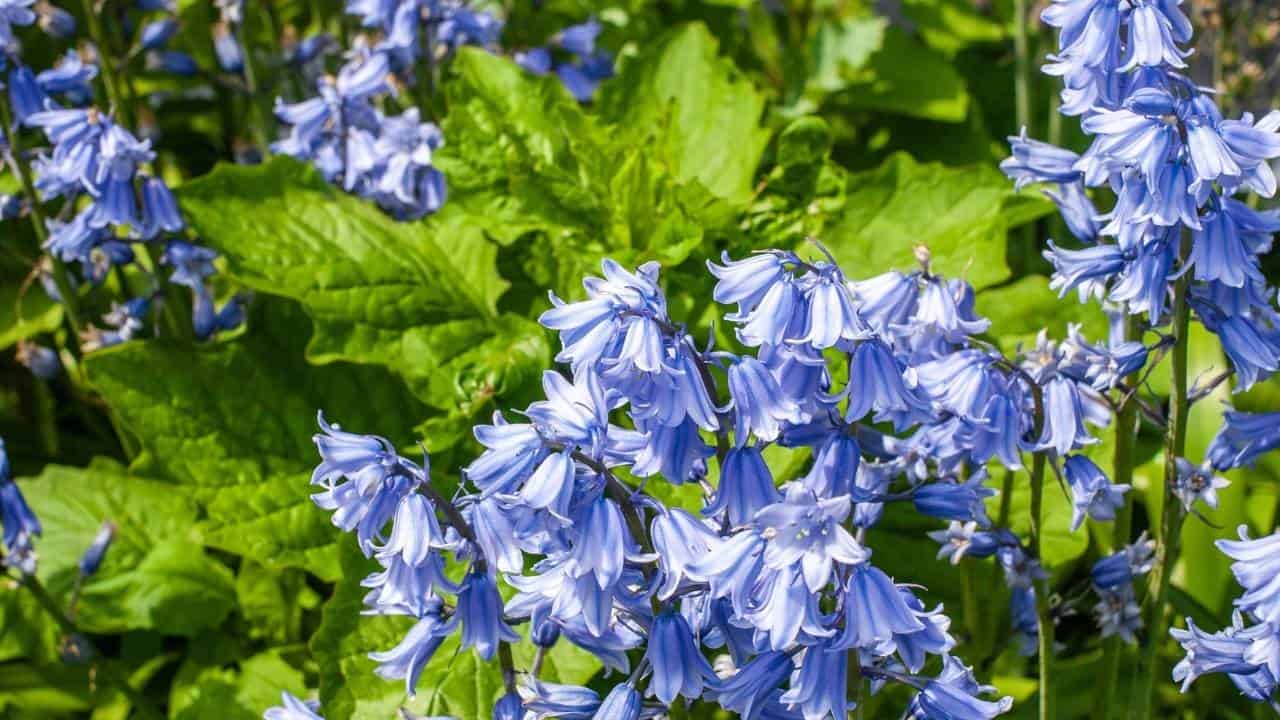
If you’ve got a shady corner, hostas paired with ferns and bluebells can add texture and color without much fuss. Hostas bring broad, lush leaves that contrast nicely with the feathery fronds of ferns. Bluebells add simple, charming blooms that brighten the shady area in spring.
This combo stays interesting throughout the growing season and thrives in low-light conditions. For more options on shade-loving companions, check out this guide to hosta companion plants.
Azalea and viburnum for low-growing, blooming beauty
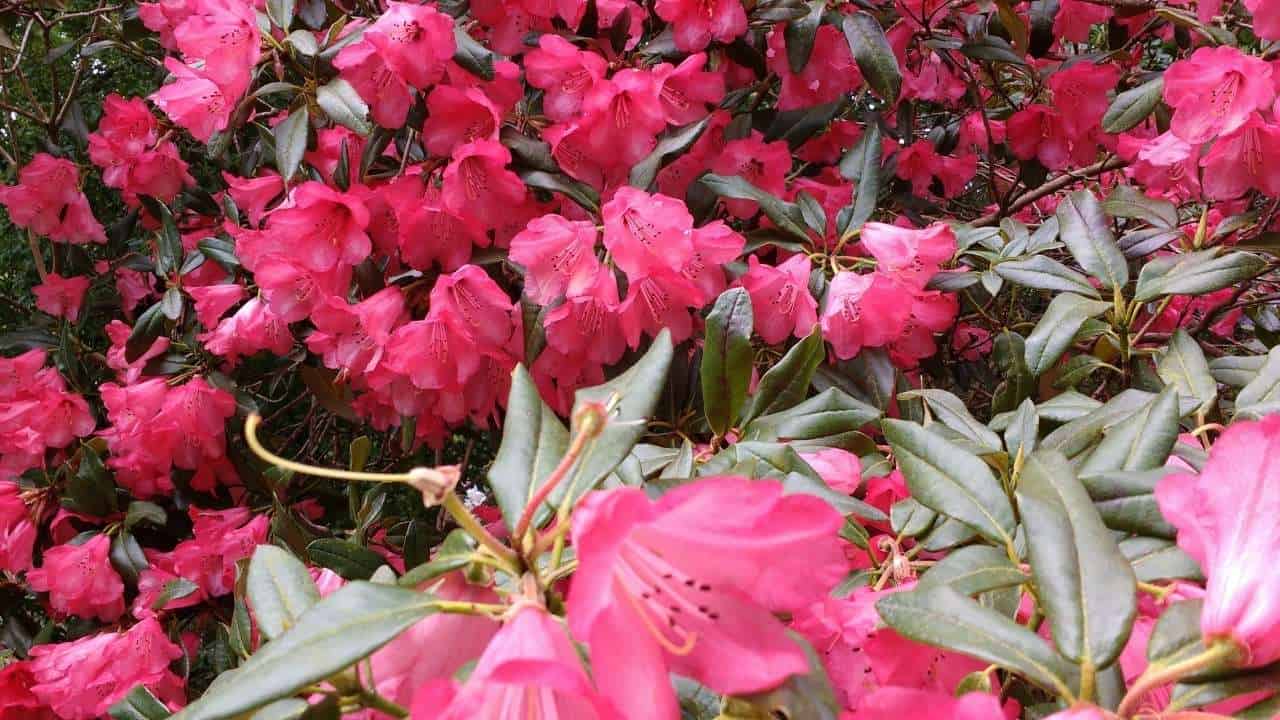
You can create a lovely low-growing flower combo with azalea and viburnum. Azaleas offer bright, colorful blooms that catch the eye. Viburnum adds structure with its leafy branches and clusters of small flowers.
Both plants do well in similar conditions, making them easy to grow side by side. Together, they brighten up your garden throughout the growing season. For more ideas, check out this guide on perennial plant combinations.
Potentilla alongside spirea for long-lasting blooms

You can pair potentilla with spirea for a continuous burst of color in your garden. Potentilla blooms from late spring to frost, offering bright yellow flowers.
Spirea complements it well since it also blooms in spring or summer, depending on the variety. This combo keeps your garden lively for months. Both shrubs are low maintenance and tolerate full sun, making them perfect for easy care.
Check out potentilla companion plants for ideas.
Kniphofia ‘Lemon Popsicle’ with classic Echinacea ‘Magnus’
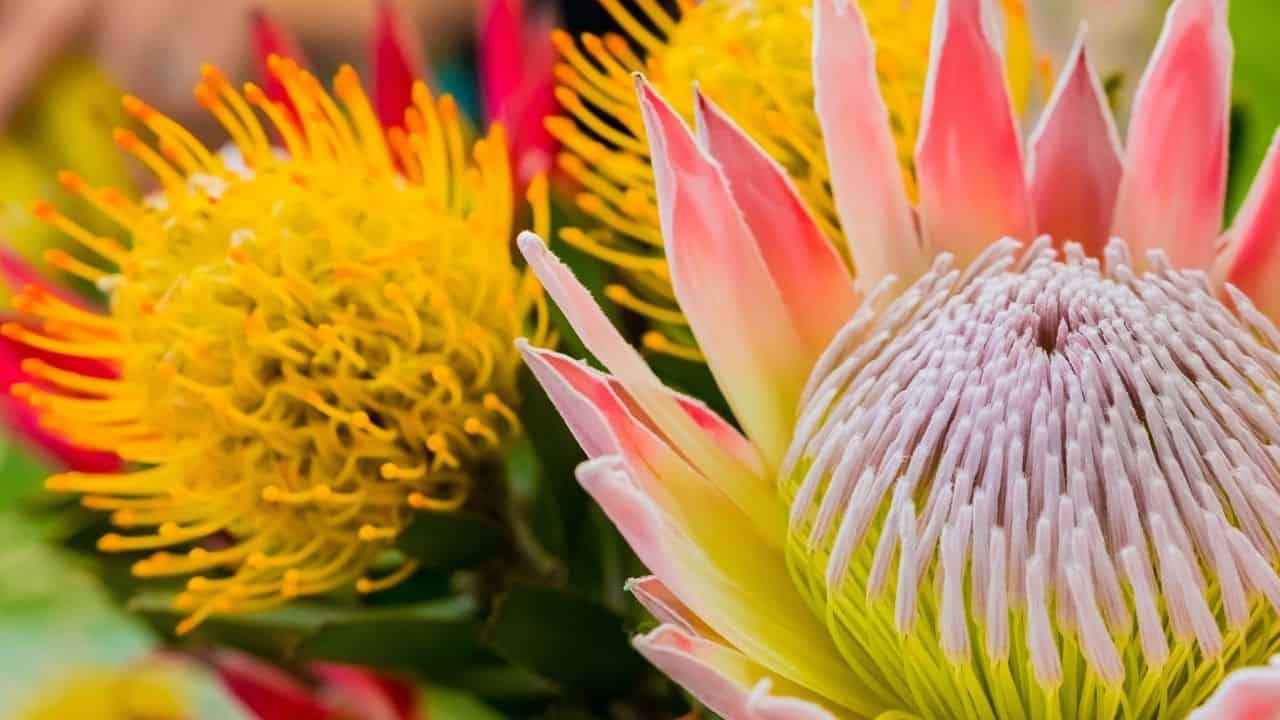
You’ll love pairing Kniphofia ‘Lemon Popsicle’ with the classic Echinacea ‘Magnus’. The bright lemon-yellow spikes of Kniphofia add a fresh, energetic vibe.
Echinacea ‘Magnus’ brings bold, purple-pink daisy-like flowers that balance the look nicely. Together, they create a dynamic combo that’s easy to care for and looks great in your garden.
Columbine mixed with allium for whimsical spring blooms
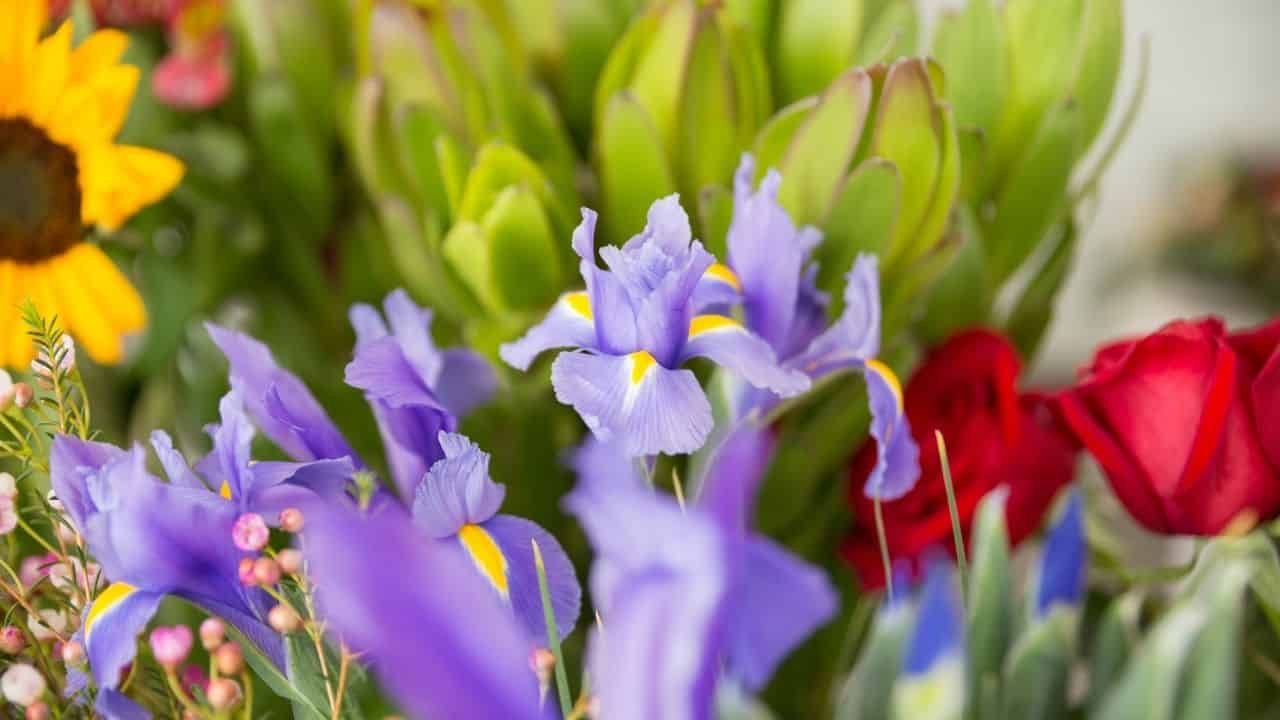
You can create a playful garden look by pairing columbine with allium. The airy, delicate columbine flowers contrast nicely with the round, bold blooms of alliums. This combo adds texture and color variety to your spring garden, making it feel fresh and light. For ideas, check out whimsical spring blooms.
Lenten roses with purple and pink companions
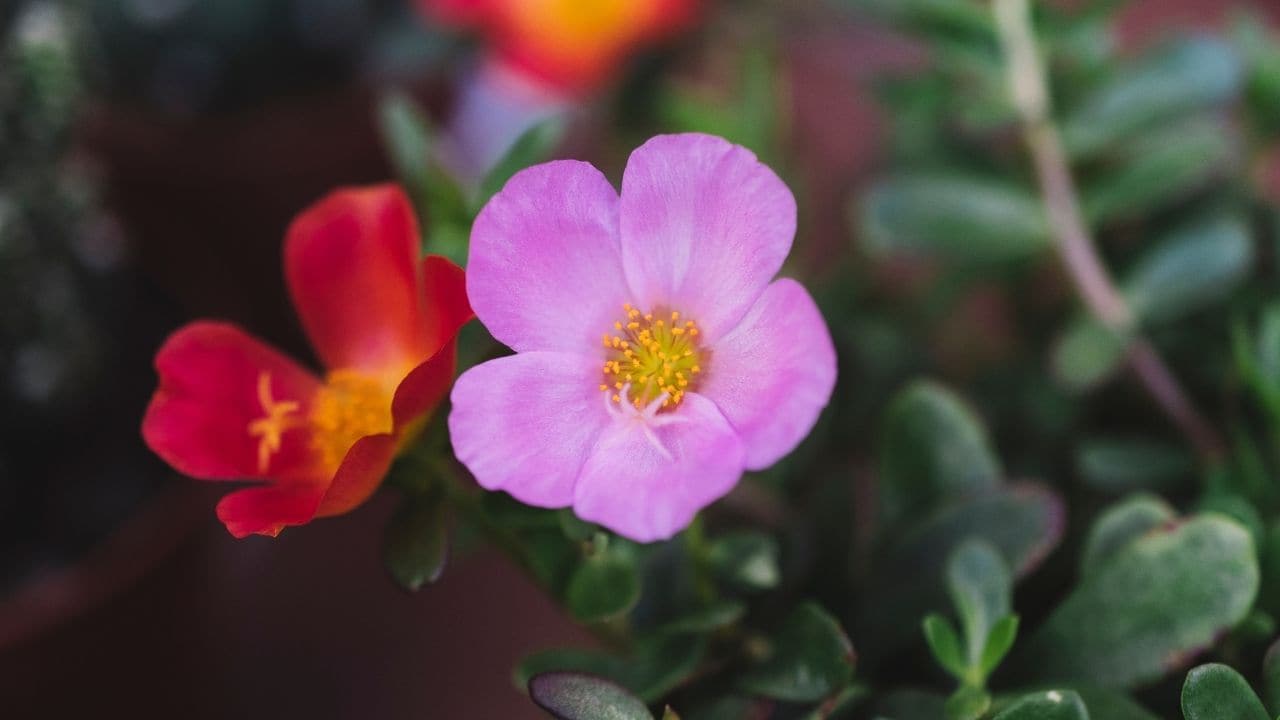
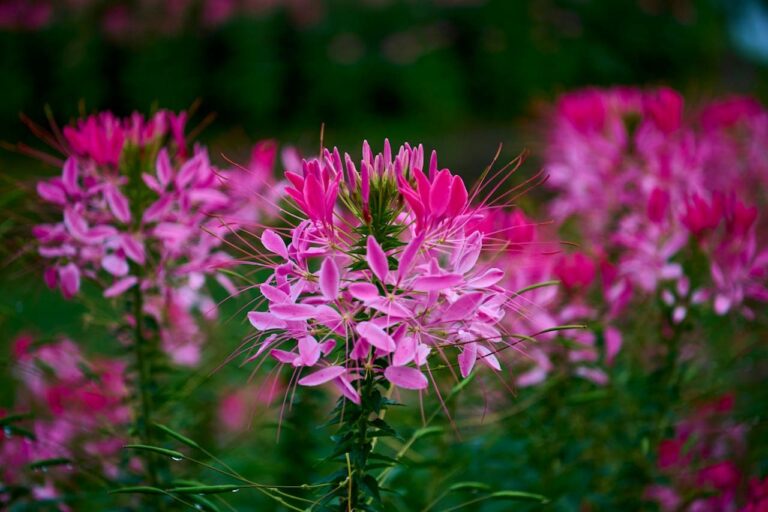
You can pair Lenten roses with purple and pink flowers for a soft, charming look. Plants like begonias and certain cleomes work well without overpowering the hellebores. This combo brightens up shaded spots and adds delicate color early in the season. For more ideas, see hellebores and companion plants.
Gladiolus and echinacea for a summer pop of color
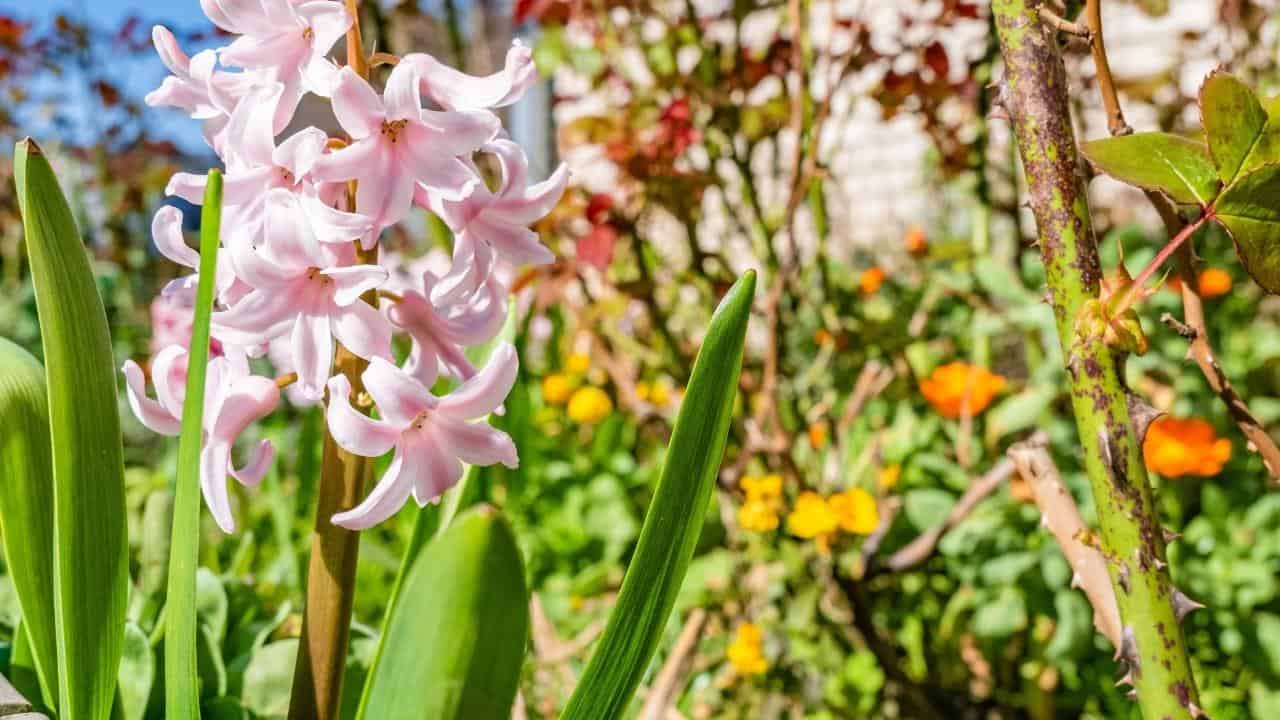
You can brighten your garden with gladiolus and echinacea together. Gladiolus adds tall spikes of vibrant color, while echinacea brings sturdy, daisy-like blooms.
Both are tough perennials that bloom in summer, giving your space a lively, colorful vibe. Mixing these two creates layers of texture and color that work great for summer beds. Check more ideas on American Meadows.