When it comes to grocery shopping, you might think that organic foods are always the healthier choice. While some organic items do offer benefits, many overpriced organic foods don’t provide any significant health advantages over their conventional counterparts. This can lead you to spend more money without getting the nutritional value you expect.
It’s easy to be lured by the organic label, especially when it comes to items you buy regularly. Knowing which foods to prioritize can help you make smarter choices and save some cash. In this article, you’ll discover a list of organic foods that might not be worth the extra expense.
Advertisement
Organic food’s benefits are overrated. – Reddit User

Many people believe organic food is better for your health. A Reddit user argues that these benefits are overrated and not worth the higher prices.
You might think organic means healthier, but studies show the nutritional differences are minimal. The extra cost doesn’t always lead to a noticeable benefit.
It’s crucial to make informed food choices. Sometimes, focusing on a balanced diet of fresh produce, whether organic or not, can be more beneficial for your health and wallet.
Organic products often use pricey organic pesticides.

When you choose organic food, you might think you’re getting something special. Interestingly, organic farms often use organic-approved pesticides, which can be just as expensive.
These pesticides aren’t necessarily better for your health. In fact, some may be less effective, leading to their frequent application.
So, while you’re paying a premium for that organic label, the pesticides involved might not offer the benefits you expect. You could be spending more for something that isn’t significantly different.
Buying organic doesn’t mean GMO-free benefits.

Choosing organic doesn’t automatically mean you’re avoiding GMOs. In many regions, organic standards prohibit genetic engineering, but not all products branded as organic guarantee that.
Some organic foods can still be grown using practices that may not align with your preferences. This doesn’t necessarily make them healthier than conventional options.
Ultimately, if avoiding GMOs is important to you, it’s best to check labels carefully. Always look for specific certifications that ensure you’re getting what you want.
Organic foods can cost up to 50% more.
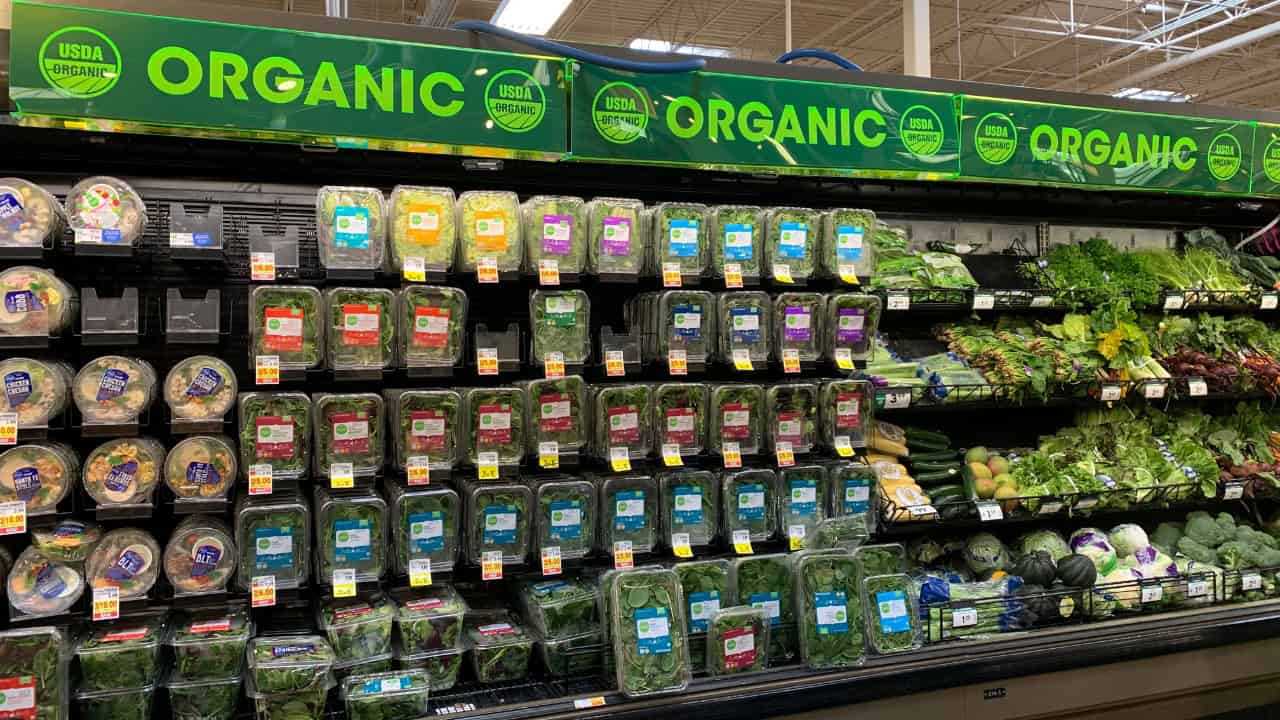
When you’re shopping, you might notice that organic foods can be quite pricey. In fact, they can cost about 50% more than their non-organic counterparts.
This price difference often stems from higher production costs. Farmers face expenses related to organic certification and farming practices that don’t use synthetic fertilizers or pesticides.
You may find that some organic items seem disproportionately expensive when compared to regular options. So, it’s worth considering whether the price tag aligns with your value on organic versus conventional foods.
Organic foods not conclusively healthier, says 2019 study
You might think organic foods are the healthier choice, but research suggests otherwise. A 2019 systematic review analyzed 35 studies and found no strong evidence that organic food is nutritionally superior to conventional options.
While organic foods often cost more, this study indicates you’re not necessarily getting better health benefits. It’s worth considering your choices and what fits your budget without compromising on nutrition.
Less than 1% of US cropland is organic, driving prices up.

Did you know that less than 1% of U.S. cropland is dedicated to organic farming? This limited availability is a big reason why organic foods tend to cost more.
With fewer farms growing organic crops, supply can’t keep up with rising demand. As more people want organic options, farmers struggle to meet that need, pushing prices higher.
The costs associated with organic farming, like certification and labor, add to the price as well. So, when you shop organic, you’re often paying for the scarcity of those products on the market.
Organic produce often bought for its perceived health benefits

When you pick organic fruits and veggies, you might think you’re making a healthier choice. Many people believe organic produce is packed with more nutrients and is safer than regular options.
The truth is, studies show that the nutritional differences can be minimal. You might pay a premium for that “organic” label, but it doesn’t always mean you’re getting better health benefits.
For many, it’s about peace of mind and supporting sustainable practices. Just remember, eating a variety of foods is key, whether they are organic or not.
Eating organic linked to lower inflammation but findings not conclusive

You might have heard that eating organic food can lead to lower inflammation levels. Some studies suggest a connection, indicating that organic products may have fewer pesticides and additives.
However, the evidence isn’t entirely clear-cut. Not all research supports the idea that organic equals healthier. Factors like individual diet, lifestyle, and overall nutrition play significant roles in inflammation.
So, while the benefits seem promising, they aren’t guaranteed. It’s essential to consider the bigger picture when choosing your food.
Organic meat’s premium price not always matched by value

When it comes to organic meat, you might notice a hefty price tag. Many believe that paying more means you’re getting a healthier product. However, that’s not always the case.
The truth is, organic meat doesn’t guarantee higher nutritional value compared to conventional options. The health benefits can vary significantly depending on the individual animal’s diet and living conditions.
Sometimes, you’re just paying for a label rather than a noticeable difference in quality. You might want to consider that before splurging at the grocery store.
No definitive health advantage of organic foods over conventional
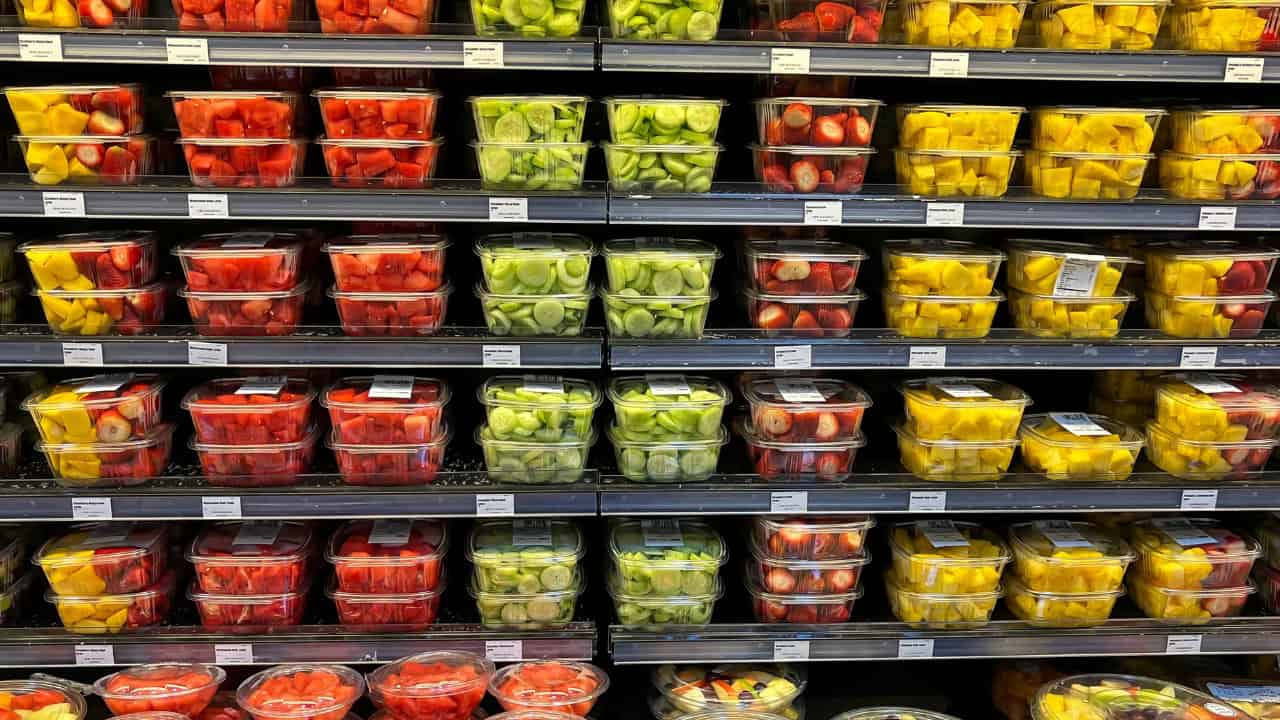
When it comes to organic foods, research shows there isn’t a clear health advantage compared to conventional options. Studies often find similar nutrient levels in both types.
You might hear that organic fruits and vegetables have slightly more antioxidants, but the difference isn’t significant enough to justify the higher price. In many cases, the benefits of a balanced diet with a variety of foods matter more than whether they are organic.
Ultimately, focusing on a diet rich in fruits, vegetables, and whole grains is more important than stressing over whether they’re labeled organic or conventional. Your health thrives on diversity and moderation, not just organic labels.