If you want to welcome more birds into your outdoor space, choosing the right plants is a key step. Native plants provide food and shelter that local birds naturally rely on, making your garden more inviting to feathered visitors.
By adding native plants, you create a habitat that supports birds throughout the year, helping them find food, nesting spots, and protection. This guide will help you pick ten plants that are great for attracting birds to your garden.
Advertisement
Buttonbush (Cephalanthus occidentalis)
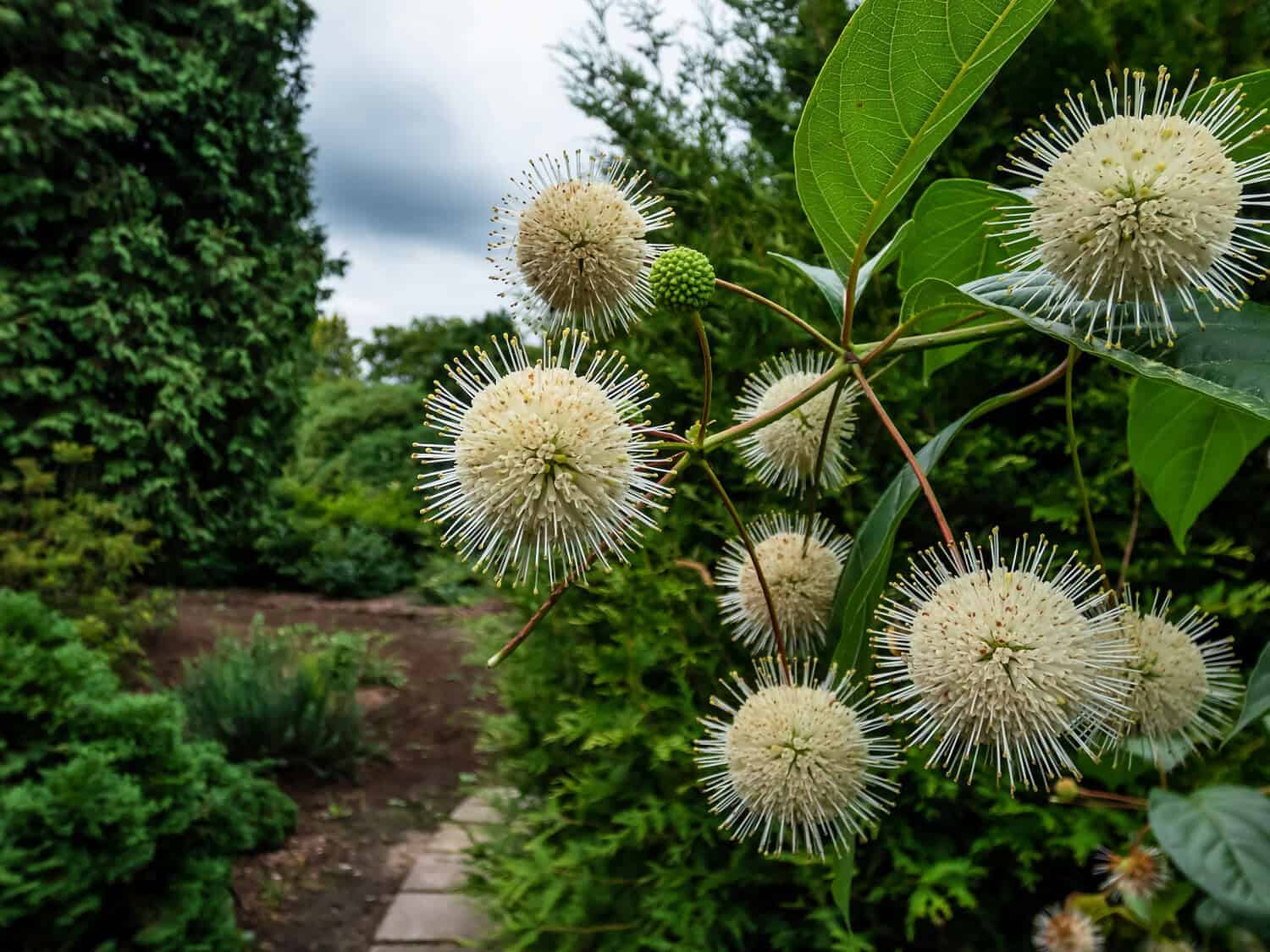
If you want to bring more birds to your garden, buttonbush is a great choice. Its round, fragrant white flowers attract bees, butterflies, and hummingbirds.
This plant grows well near ponds or wet areas, offering food and shelter for waterfowl and other birds. Buttonbush also adapts to different soil types, making it easy for you to care for.
American Beautyberry
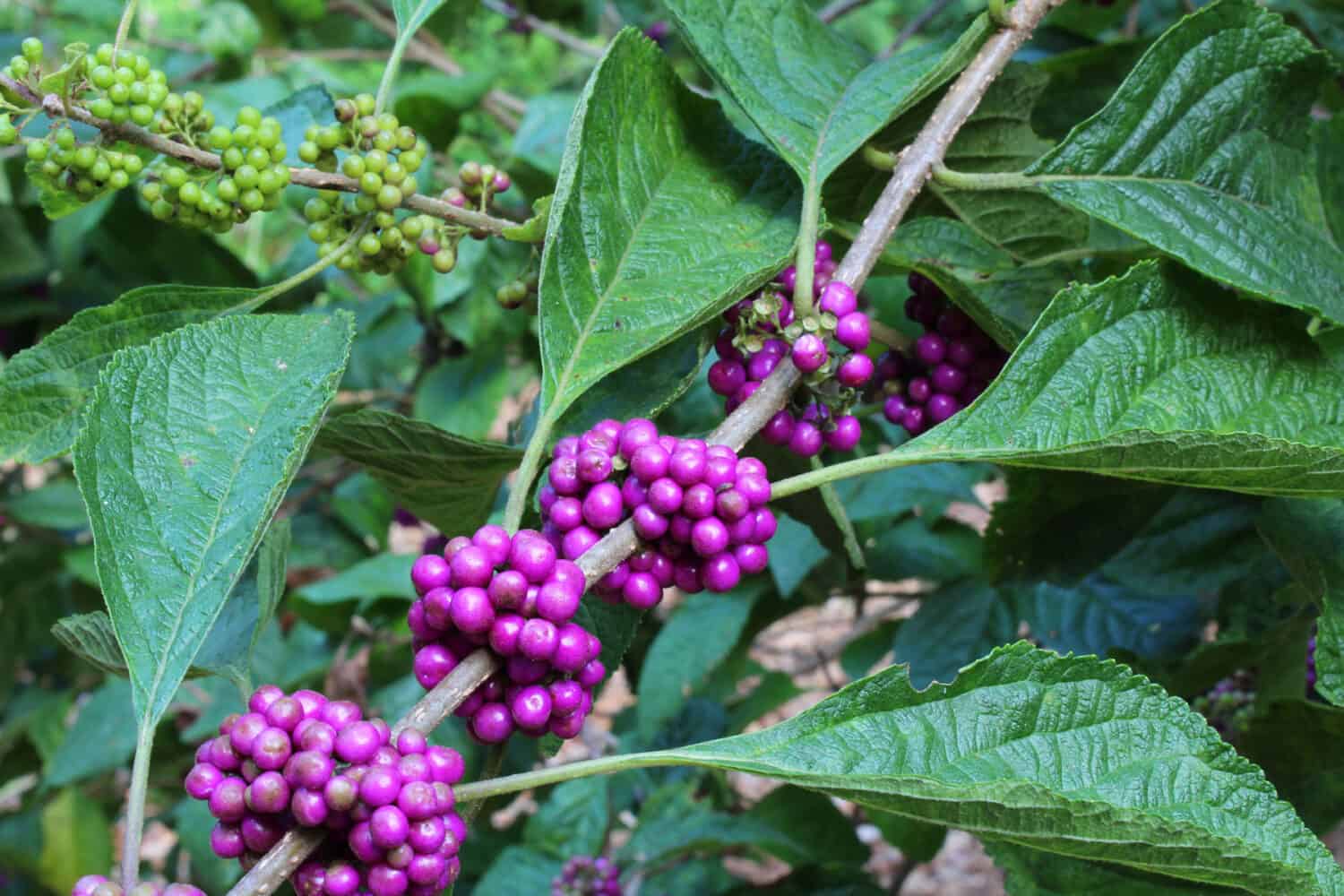
If you want a low-maintenance shrub that birds love, American Beautyberry is a great choice. Its bright purple berries attract songbirds through fall and into winter. You’ll also appreciate how it tolerates drought and thrives in sun to part sun.
Plus, the leaves have natural insect-repellent properties, which helps keep bugs away from your garden.
Gray Dogwood (Cornus racemosa)
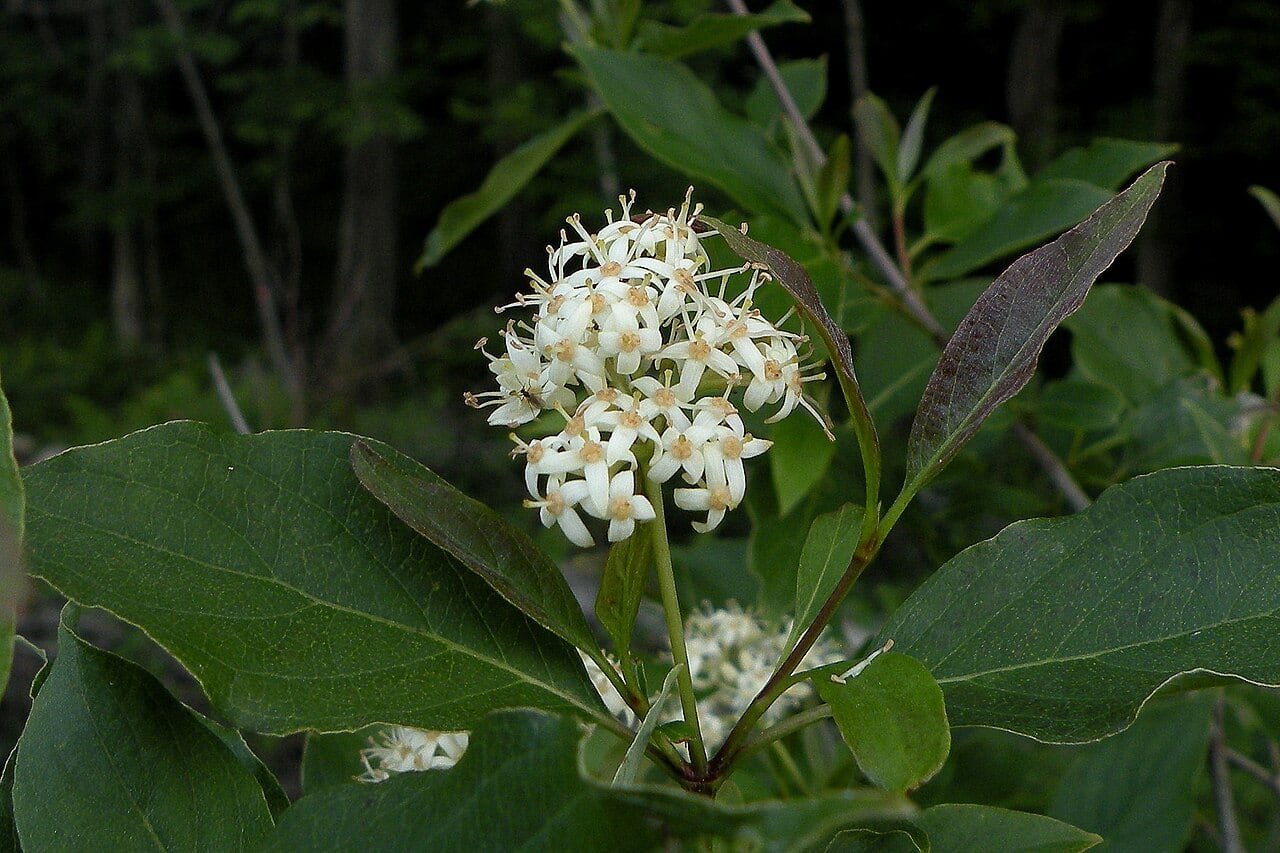
Gray Dogwood is a tough shrub that handles dry or wet soil, so it fits nicely in many spots around your garden. It creates dense thickets that give birds cover and places to nest. Birds like Northern Cardinals and Eastern Bluebirds are often seen around it.
You’ll also notice its flowers and fruits attract wildlife. Try planting it near streams or ponds for a natural, bird-friendly area.
Red Osier Dogwood (Cornus sericea)
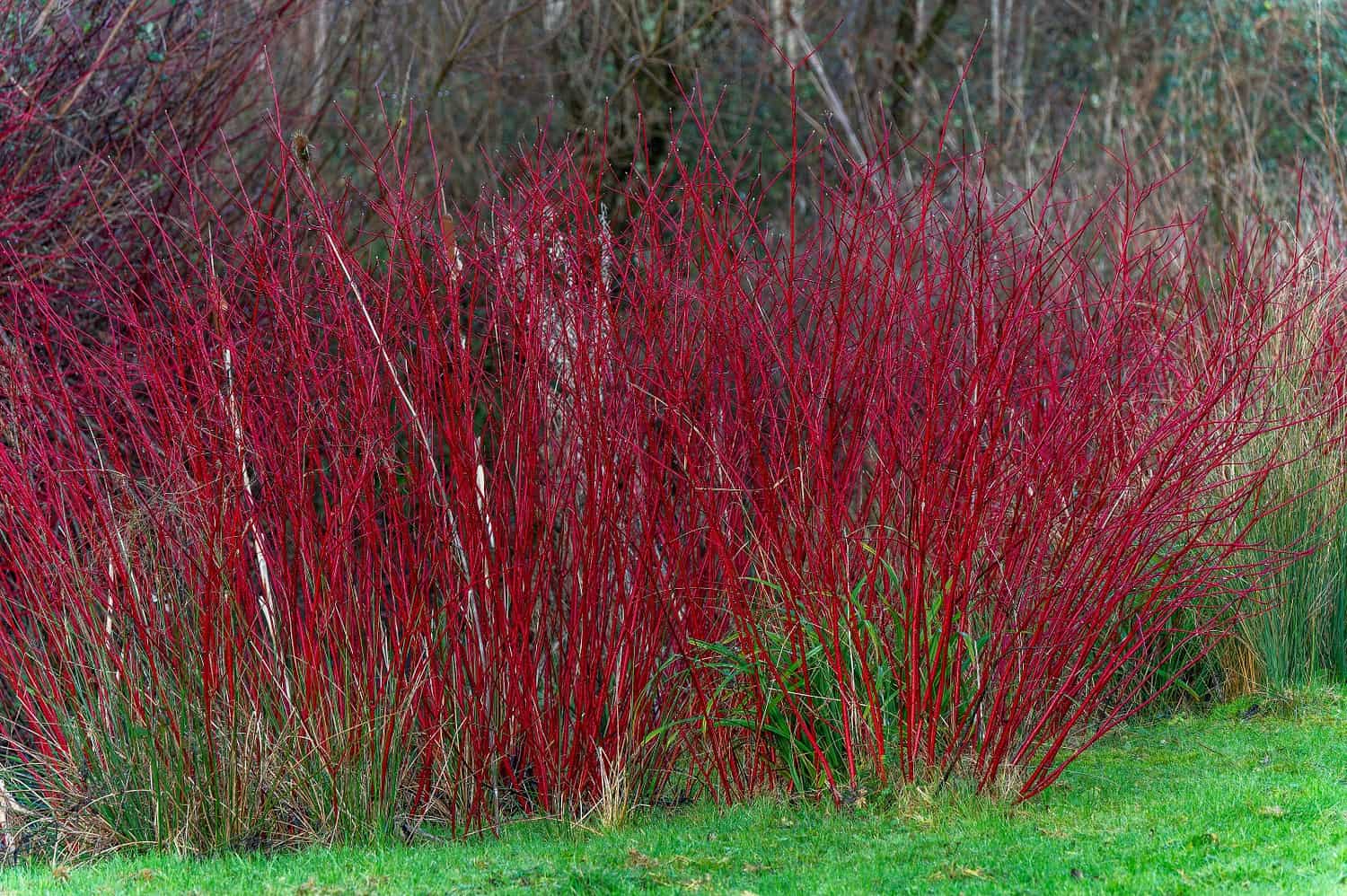
If you want a shrub that attracts birds all year, red osier dogwood is a good pick. Its berries provide food for migrating birds and other wildlife.
You’ll also notice its bright red stems, which add color to your garden, especially in winter. This native shrub does well in moist areas, making it great for wetter spots.
Serviceberry (Amelanchier arborea)

If you want to attract birds, Serviceberry is a solid choice. Its sweet berries ripen in June, making them a favorite snack for many songbirds.
You’ll also appreciate its pretty white flowers in spring and vibrant fall colors. It grows well in full sun and likes some moisture, fitting nicely into most gardens.
Mountain Ash (Sorbus spp.)
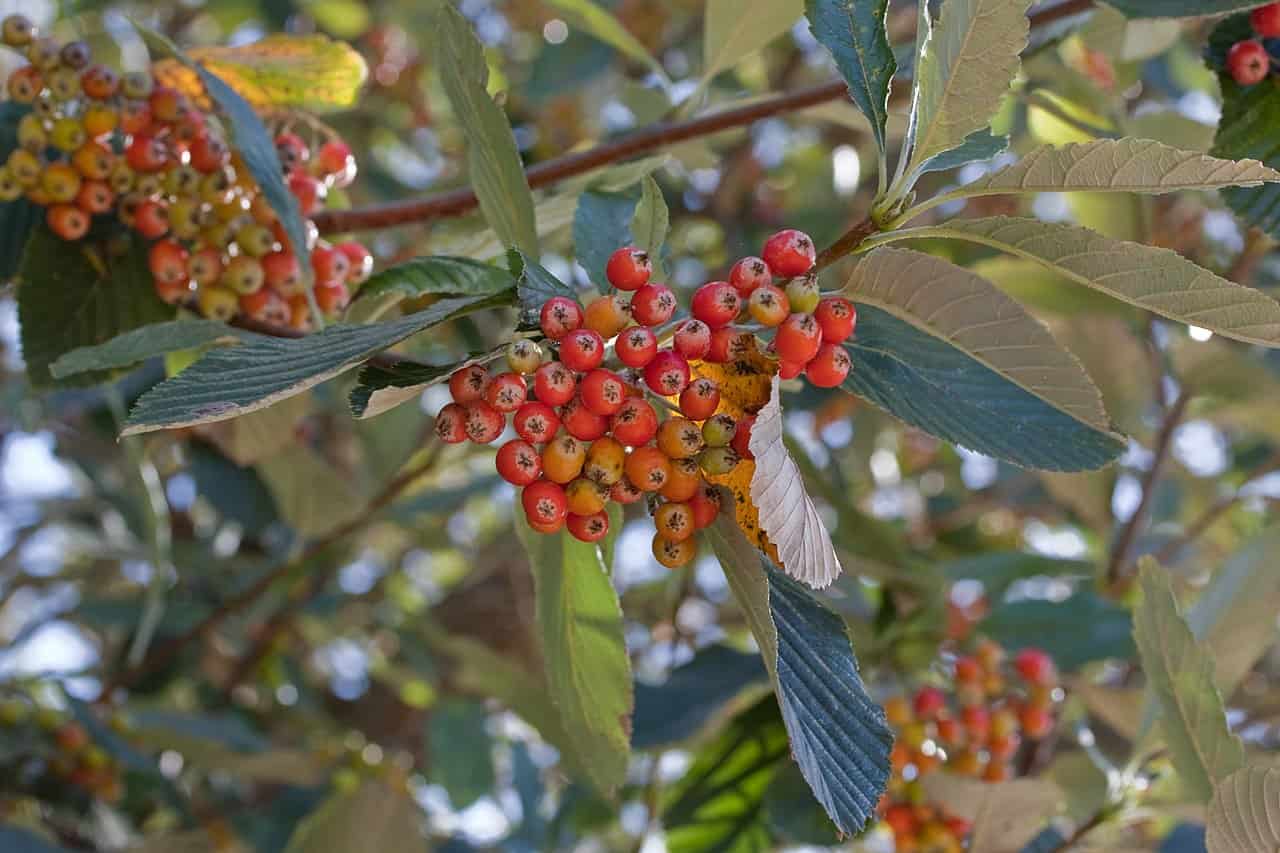
If you want to attract birds, mountain ash is a solid choice. Its bright berries are favorites for many species like robins and waxwings.
This tree also adds some color to your garden with its clusters of fruit. Just watch out for winter damage, as young stems can be vulnerable.
Highbush Blueberries

If you plant highbush blueberries, you’ll attract a variety of birds like robins and bluebirds. These berries are tasty for both you and wildlife, making your garden a popular spot.
Plus, they’re native to many areas, so they fit right in with your local ecosystem. Highbush blueberries also add a nice splash of color throughout the seasons.
Coral Honeysuckle

If you want to attract hummingbirds, coral honeysuckle is a great choice. Its bright red flowers provide nectar that these little birds love.
After the flowers fade, you’ll notice red berries that feed songbirds like robins and mockingbirds. Plus, it supports butterflies and native bees, making your garden lively and balanced.
Black Chokeberry (Aronia melanocarpa)
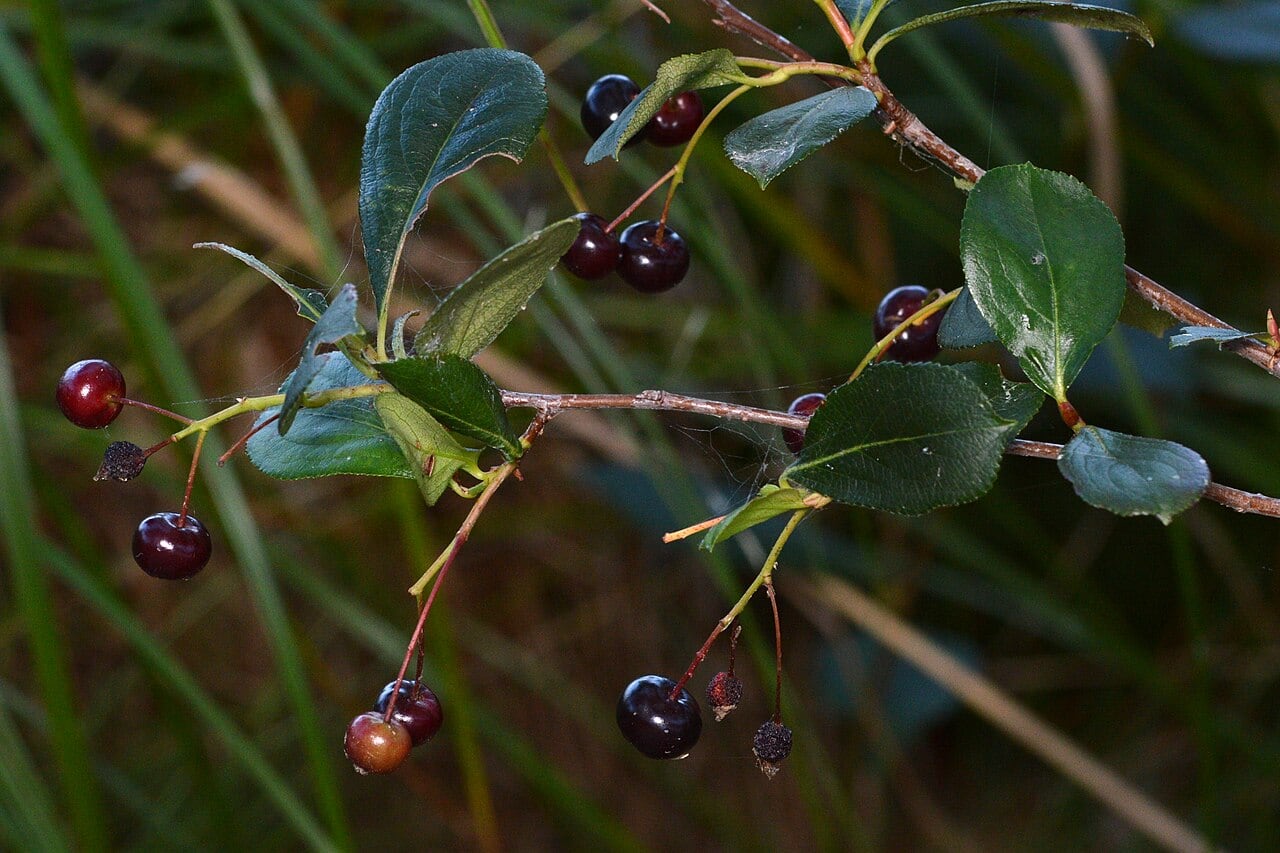
If you want to attract birds, black chokeberry is a solid choice. The shiny black berries provide a tasty snack for them.
This shrub also creates good cover for nesting and protection. In fall, its colorful leaves add some great seasonal interest to your garden.
Elderberry
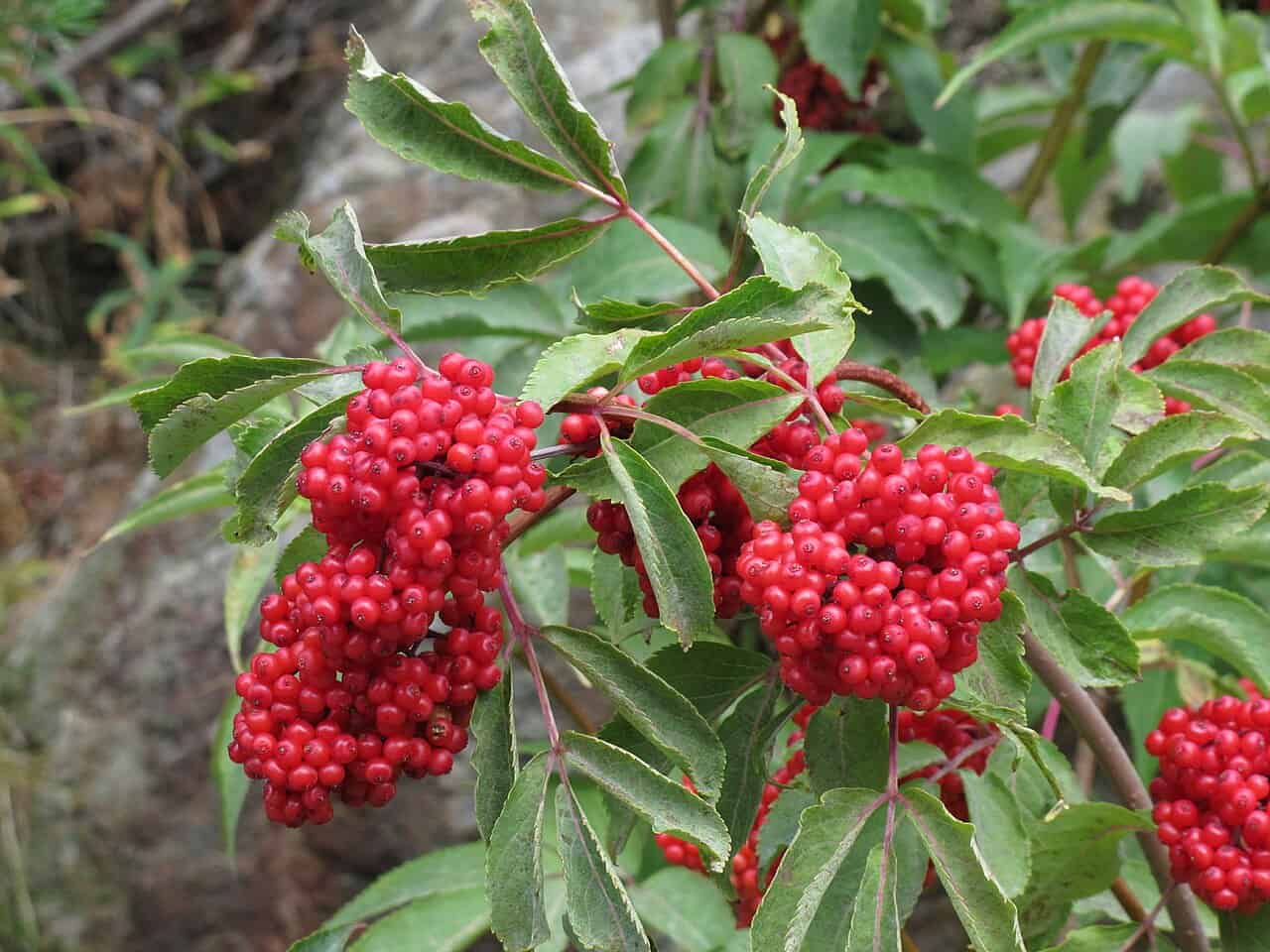
If you want to attract birds, elderberry is a solid choice. It produces clusters of small white flowers in spring that draw insects, which brings even more birds to your yard.
Later, those flowers turn into dark purple berries that many birds love to eat. Plus, elderberry bushes are pretty easy to care for, making them perfect for your garden.