When it comes to luxury food items, you might think you’re indulging in the best of the best. The reality is that many of these high-end products are often just clever marketing ploys designed to make you spend more. You might be surprised to learn that some of the fanciest items on the menu aren’t necessarily worth their hefty price tags.
As you dive into the world of gourmet delights, it’s essential to recognize that not everything glamorous is genuinely high-quality. Understanding which luxury food items are merely a facade can help you make more informed choices in your culinary adventures.
Advertisement
Truffle Oil: Often synthetic with no real truffles involved.
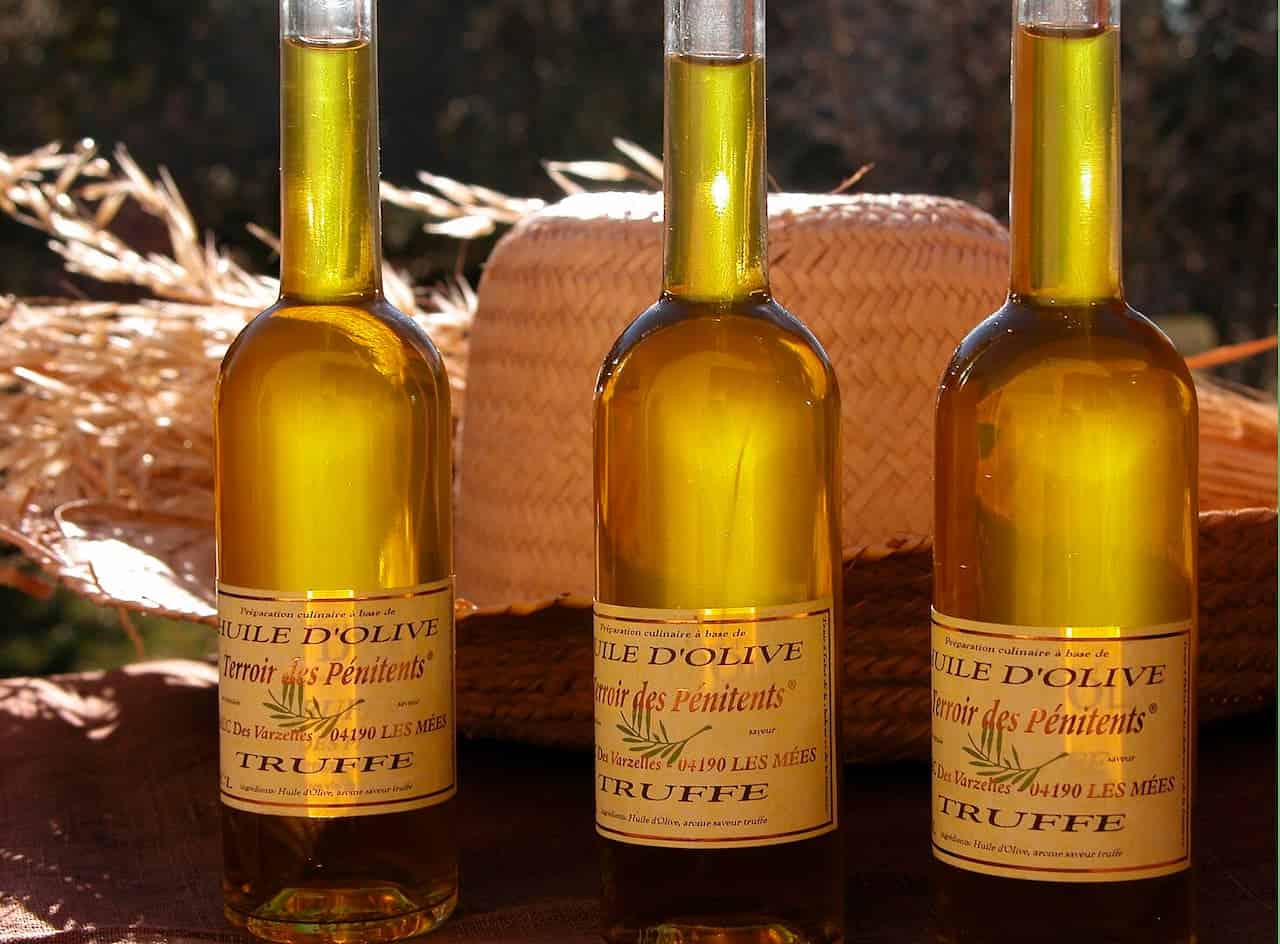
When you drizzle truffle oil on your dish, you might think you’re adding something fancy. In reality, many truffle oils are not made from real truffles. They often use a base oil mixed with synthetic flavors, like 2,4-dithiapentane. This chemical gives you that truffle aroma without any actual truffles involved.
If you’re dining out, it’s a good idea to ask if the restaurant is using real truffles or just flavoring. You might be surprised at what you find out!
Kobe Beef: Most Labeled ‘Kobe Beef’ Is Fake
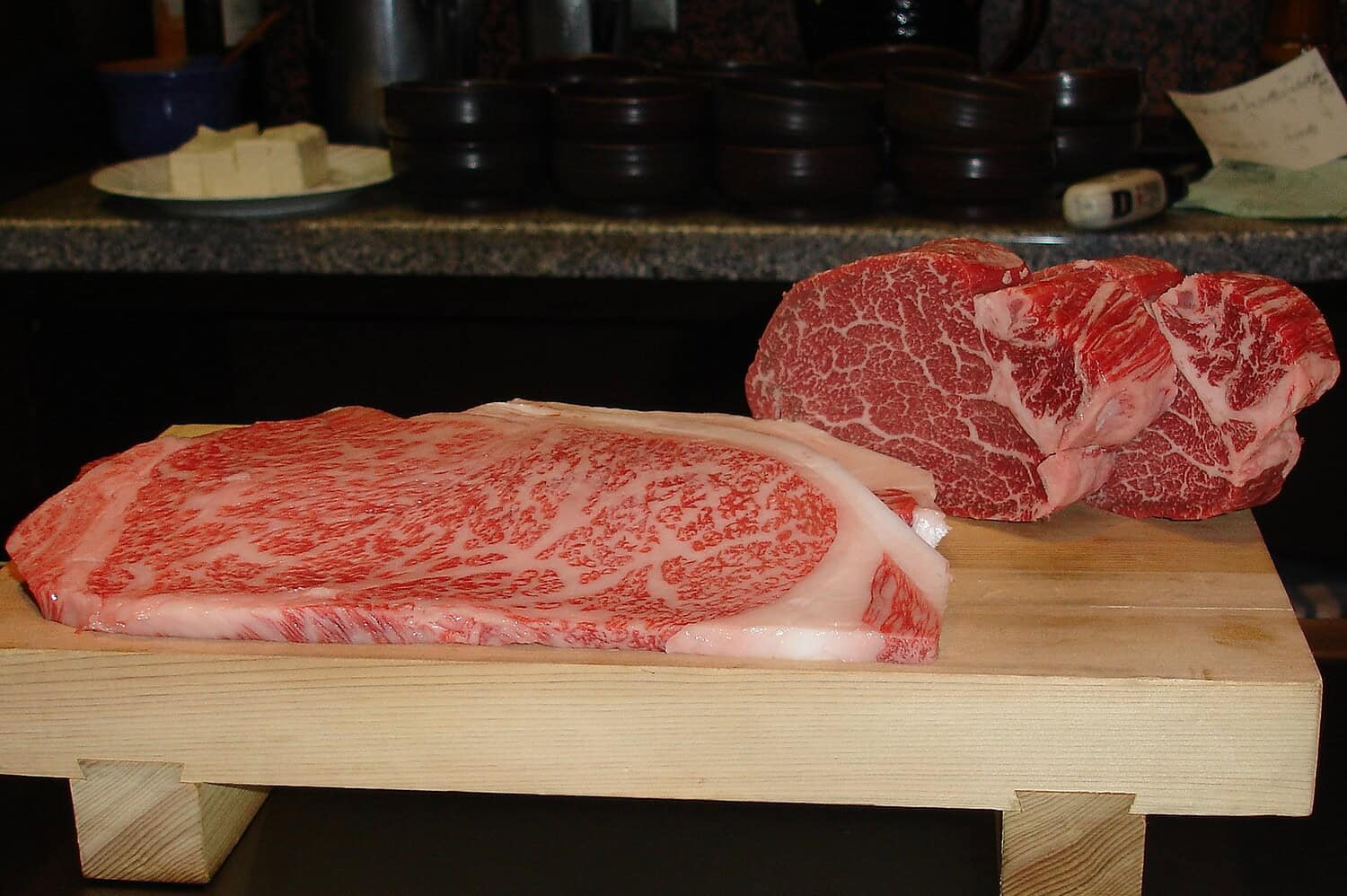
When you order Kobe beef, you might not be getting the real deal. Most of the meat labeled as such in the U.S. isn’t authentic Kobe beef at all.
True Kobe beef comes from a specific breed of cattle in Japan. You can’t find it legally imported into the U.S. Instead, what you’re likely eating is a hybrid or simply Wagyu beef. Many restaurants and retailers use the term loosely, so it’s smart to check the origin before ordering. Enjoy the flavor, but know what you’re really getting.
Alaskan King Crab: Sometimes replaced with cheaper crustaceans.

When you think of Alaskan King Crab, you might picture a luxurious seafood feast. Unfortunately, not all crab you see is the real deal. Sometimes, restaurants and suppliers swap out this prized crustacean for cheaper alternatives. It’s tricky since many people can’t tell the difference.
You might think you’re indulging in something special, but you could be eating something much less valuable. Always ask where your seafood comes from to avoid being scammed.
Saffron: Frequently Cut with Turmeric or Sugar

When buying saffron, you might be surprised to find it’s often mixed with other substances like turmeric or sugar. This practice is common because saffron is expensive, making it tempting for sellers to cut costs.
Turmeric is particularly used since its yellow color can mimic saffron’s appearance. This can mislead you into thinking you’re getting high-quality spice. Be wary of powdered saffron; it’s more prone to this kind of adulteration. Stick to reputable sources to ensure you’re getting pure saffron.
Caviar: Commonly substituted with cheaper fish eggs.

When you think of caviar, you might picture a luxurious delicacy. But beware—some products marketed as caviar are often mixed with cheaper fish eggs.
Sellers may use roe from species like lumpfish or even imitate caviar with gelatin beads. This practice can trick you into thinking you’re getting high-quality caviar when it’s really just a clever substitute. You should pay attention to the labels and ask about sourcing to ensure you’re not falling for these marketing tactics.
Balsamic Vinegar: Many are just flavored wine vinegar.
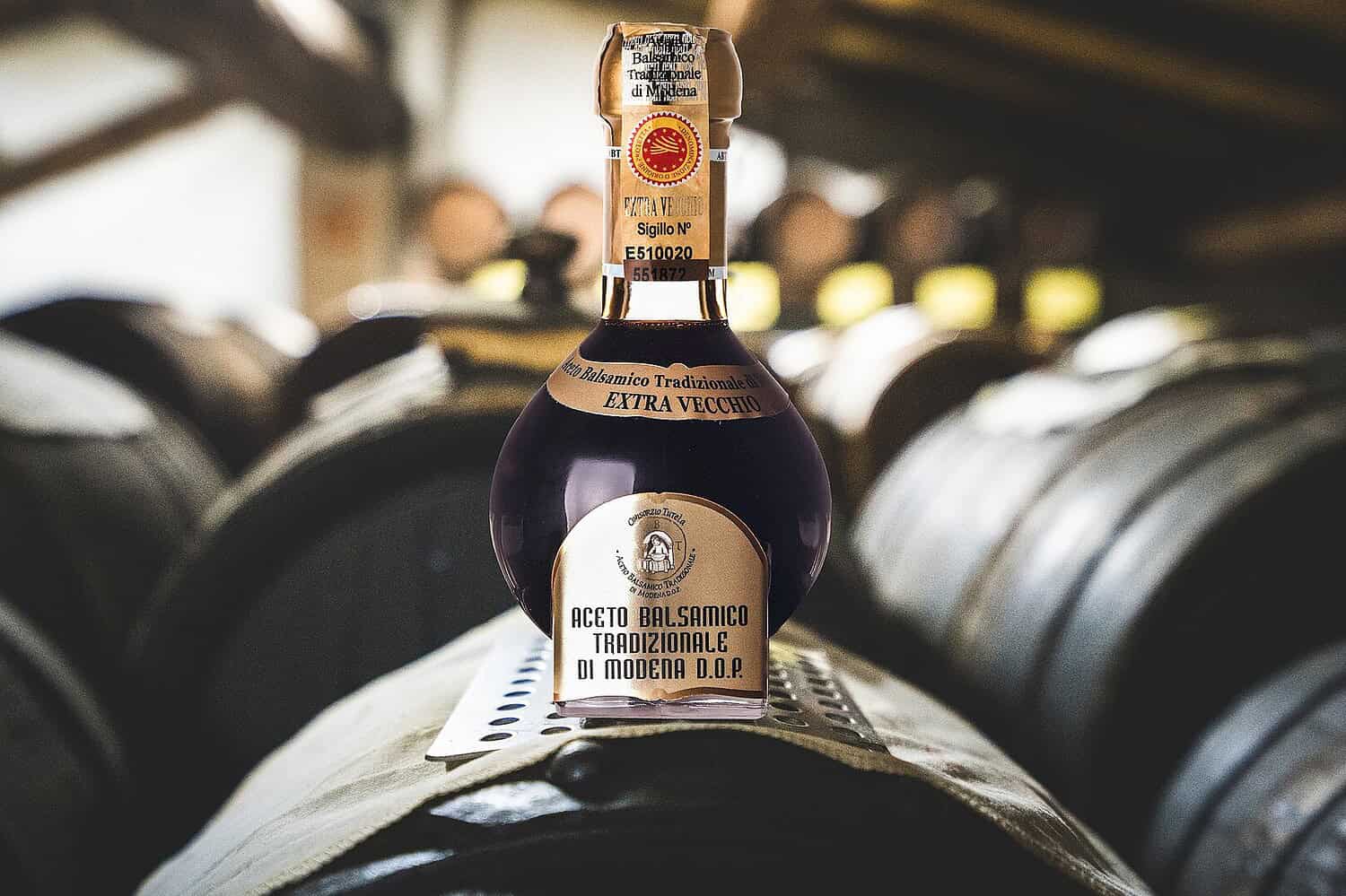
When you grab a bottle of balsamic vinegar, you might expect something special. The truth is, many store-bought versions are just flavored wine vinegar.
Real balsamic vinegar from Modena, Italy, is aged and complex, but that cheap bottle in your pantry? It’s likely made with low-quality grape must or plain wine vinegar.
You might enjoy the taste, but don’t be fooled by fancy labels. A lot of balsamic vinegar on the market doesn’t live up to the real deal. Choose wisely to ensure you’re getting the authentic flavor experience.
Olive Oil: Often diluted with other oils

When you grab a bottle of olive oil, you might think you’re getting the real deal. Unfortunately, much of what’s on the market is often diluted with cheaper oils.
Fake olive oil is a common issue, where producers mix it with oils like soybean or sunflower. This practice leads to misleading labeling, making it hard to know what you’re actually buying.
Reports suggest that a significant portion of Italian olive oil could be fraudulent. Awareness is key. Always look for trustworthy brands or labels that guarantee authenticity.
Maple Syrup: Can be corn syrup with flavoring.

When you pick up a bottle of syrup, it’s easy to assume it’s real maple syrup. But sometimes, you might just be getting corn syrup with added flavors instead.
“Maple flavored syrup” often uses corn syrup as its main ingredient and adds in artificial flavoring to mimic the taste of genuine maple. This can lead you to believe you’re enjoying a luxury treat when you’re actually consuming something quite different.
To avoid the scam, check the label. Look for pure maple syrup, which has a distinct taste and comes from the sap of maple trees, unlike the imitations that rely on cheap substitutes.
Foie Gras: Sometimes mislabeled and not authentic

Foie gras is marketed as a luxurious delicacy, but its authenticity can often be questionable. Investigations have found that many products are mislabeled, leading to confusion about what you’re actually eating.
Some brands may not meet the standards for ethical production, which raises concerns about quality. You might think you’re getting the best, but the reality could be something quite different.
It’s essential to do your research and choose reputable sources when purchasing foie gras. Authentic products should come from producers committed to ethical practices.
Wagyu Steak: Sometimes Crossbred or Not Real Wagyu

When it comes to Wagyu steak, you might think you’re getting the real deal. However, much of what’s marketed as Wagyu in the U.S. is actually crossbred with Angus cattle.
This crossbreeding is usually done to enhance the quality of Angus beef, but it might not deliver that authentic Wagyu experience.
To navigate this, be on the lookout for terms like “American Wagyu.” Some cuts could be misleading, leading you to question what you’re really paying for. Always check the source to ensure you’re not getting duped.
*This article was created with the help of AI.