Flower gardens are more than just a beautiful addition to your landscape; they’re a means of artistic expression, a pursuit of passion, and for many, a source of relaxation and peace. As seasons change, so does the opportunity to design and create a new, vibrant canvas in your backyard. Seasonal flower gardens allow you to experiment with a variety of different flowers and the unique colors, textures, and designs they bring. In this post, we present ten inspiring seasonal flower garden designs to fuel your creativity and give your outdoor space a fresh, vibrant look every season.
1. Spring Bulb Bonanza
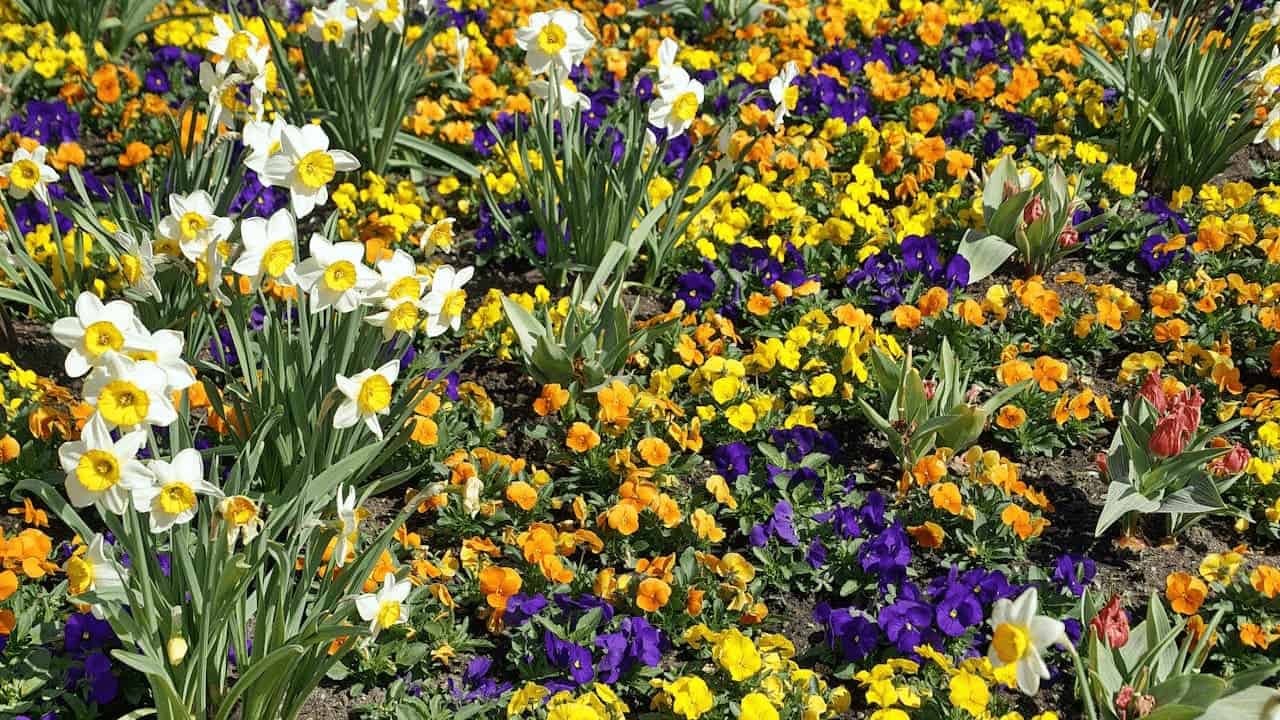
Spring is synonymous with a burst of color, thanks to the arrival of bulbs like tulips, daffodils, and hyacinths. Plant these bulbs in the fall for a vibrant spring display. Arrange the bulbs in clusters for visual impact rather than scattering them sporadically. Consider mixing different types of bulbs in one area for a variety of heights and colors.
Advertisement
Don’t forget about early and late blooming varieties. Having a mix of these ensures that your garden is in constant bloom throughout the spring. For example, crocus and snowdrops bloom early, tulips and daffodils bloom in mid-spring, and alliums bloom in late spring.
2. Summer Perennial Paradise
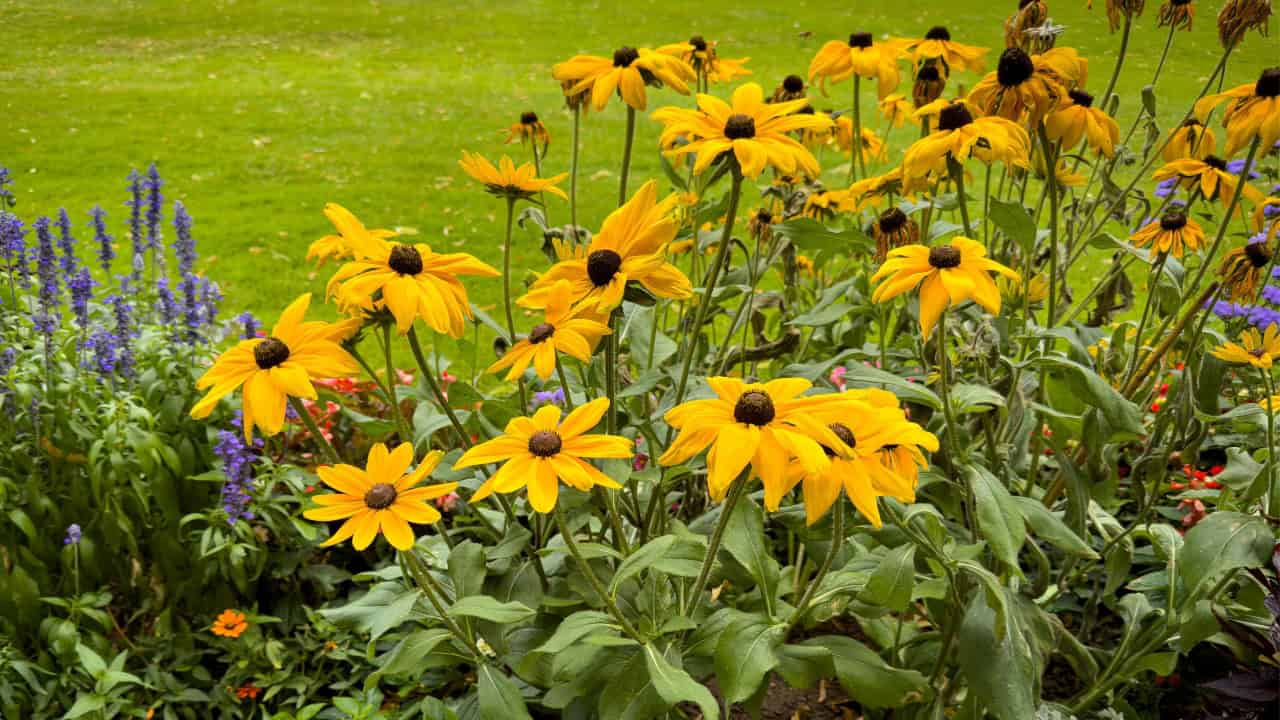
Summer is the prime time for many perennials. Create a perennial garden that is in constant bloom through the summer. Consider plants like daylilies, coneflowers, and black-eyed Susans which are not only beautiful but also drought-tolerant.
Remember, perennials come in a variety of shapes, sizes, and colors. Use taller varieties like delphiniums and hollyhocks at the back of your garden and shorter ones like lavender and coreopsis at the front. This creates a tiered effect that is pleasing to the eye.
3. Autumn Chrysanthemum Charm
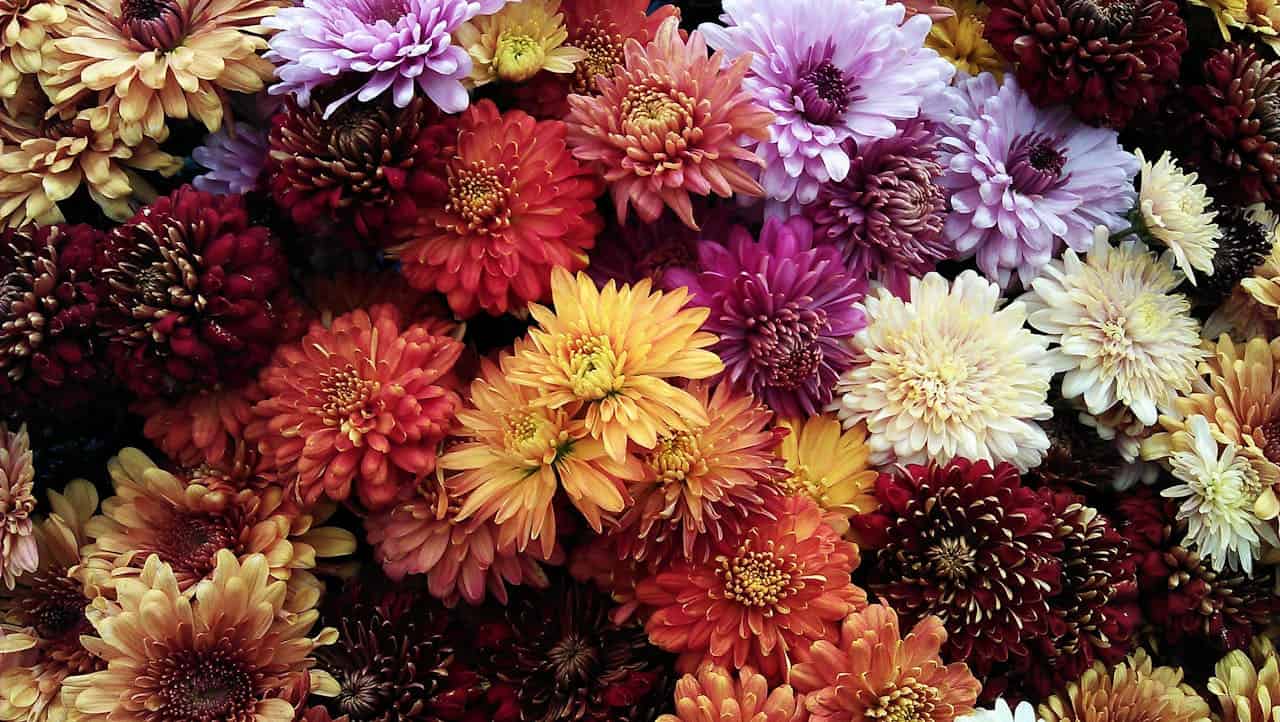
Chrysanthemums, or mums, are the stars of the autumn garden. Their vibrant colors perfectly complement the changing leaves. Plant your mums in clusters for a dramatic effect.
Remember, mums come in an array of colors ranging from whites and yellows to deep reds and purples. Mix and match different colors for a truly stunning autumn display.
4. Winter Evergreen Elegance

Winter gardens need not be bare and uninteresting. Evergreen plants like holly, boxwood, and conifers provide color and texture during the winter months. Arrange these plants in clusters or as hedges for a sense of structure and design.
Don’t forget about adding winter-blooming flowers like hellebores and winter aconites for a pop of color. These flowers are frost-resistant and add a touch of cheer during the colder months.
5. Color Theme Gardens
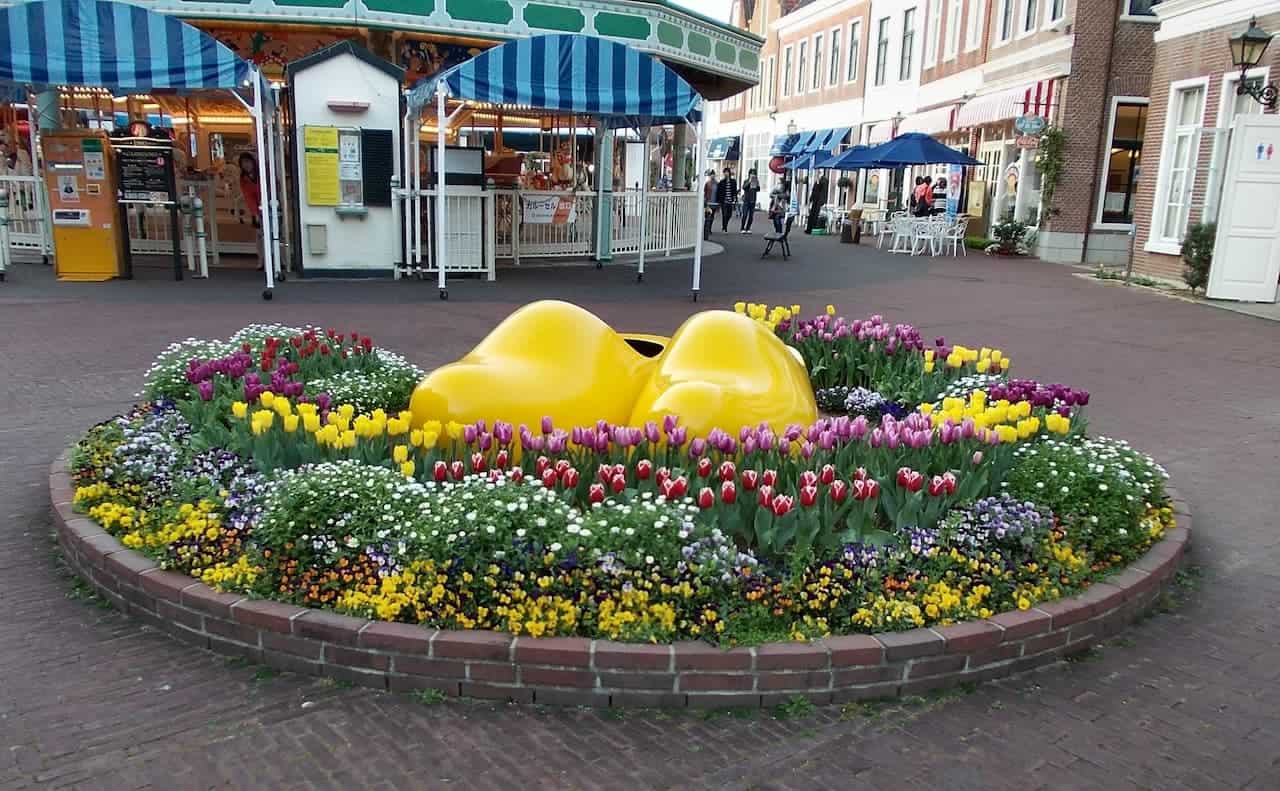
Stick to a color theme each season for a cohesive and sophisticated look. For instance, a spring garden with different shades of purple tulips, violets, and hyacinths creates a peaceful and calming effect.
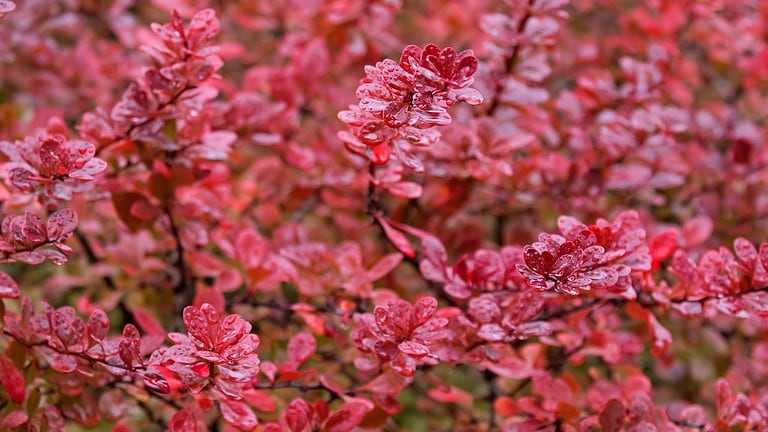
Remember, color themes can be dynamic and change with the season. A summer garden could transition from a cool blue and white theme to a fiery red and orange in the fall.
6. Cottage Garden Charm
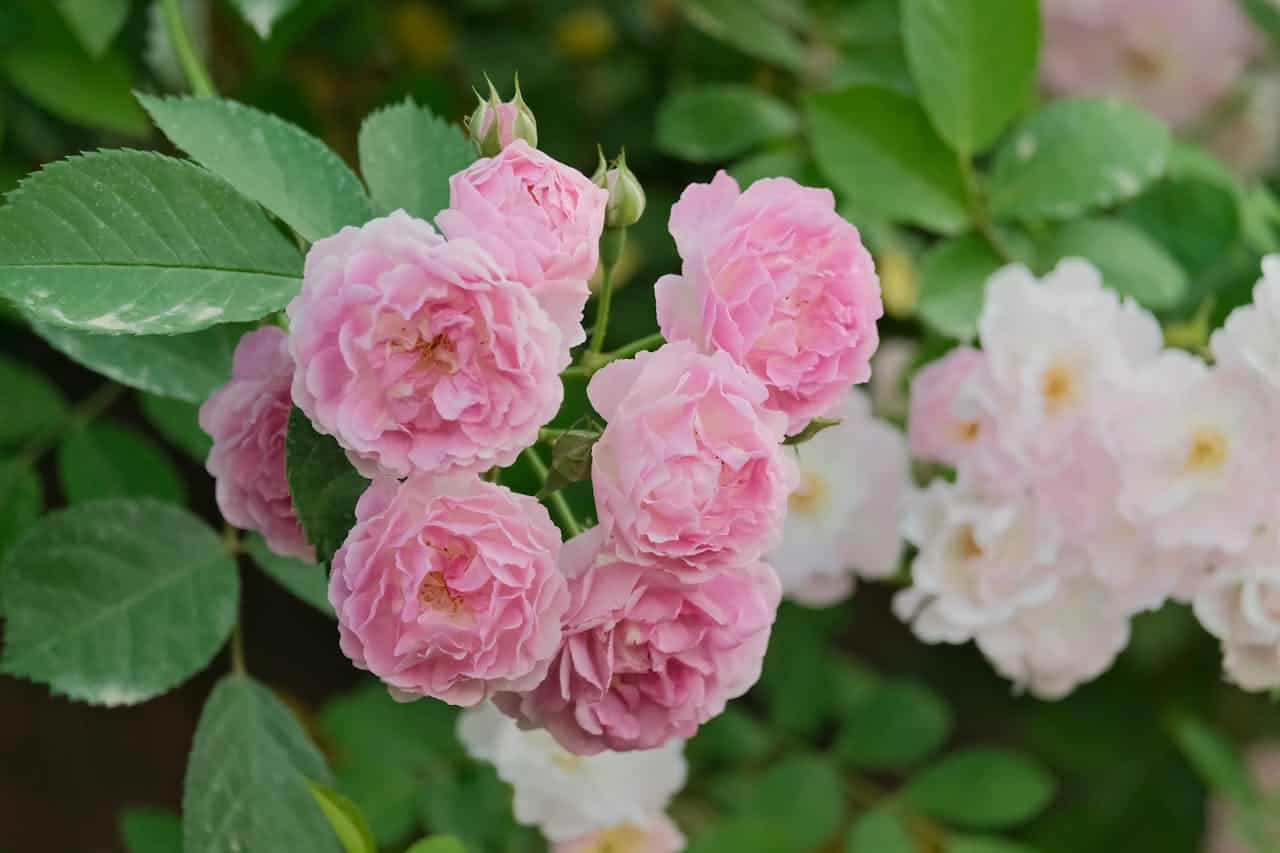
Imagine a garden straight out of a fairytale book. A cottage garden filled with a plethora of flowers like roses, foxgloves, and delphiniums is not only charming but also a pollinator’s paradise.
The key to a cottage garden is to plant densely and let flowers spill over onto paths. This creates a sense of abundance and casual elegance.
7. Wildflower Wonders
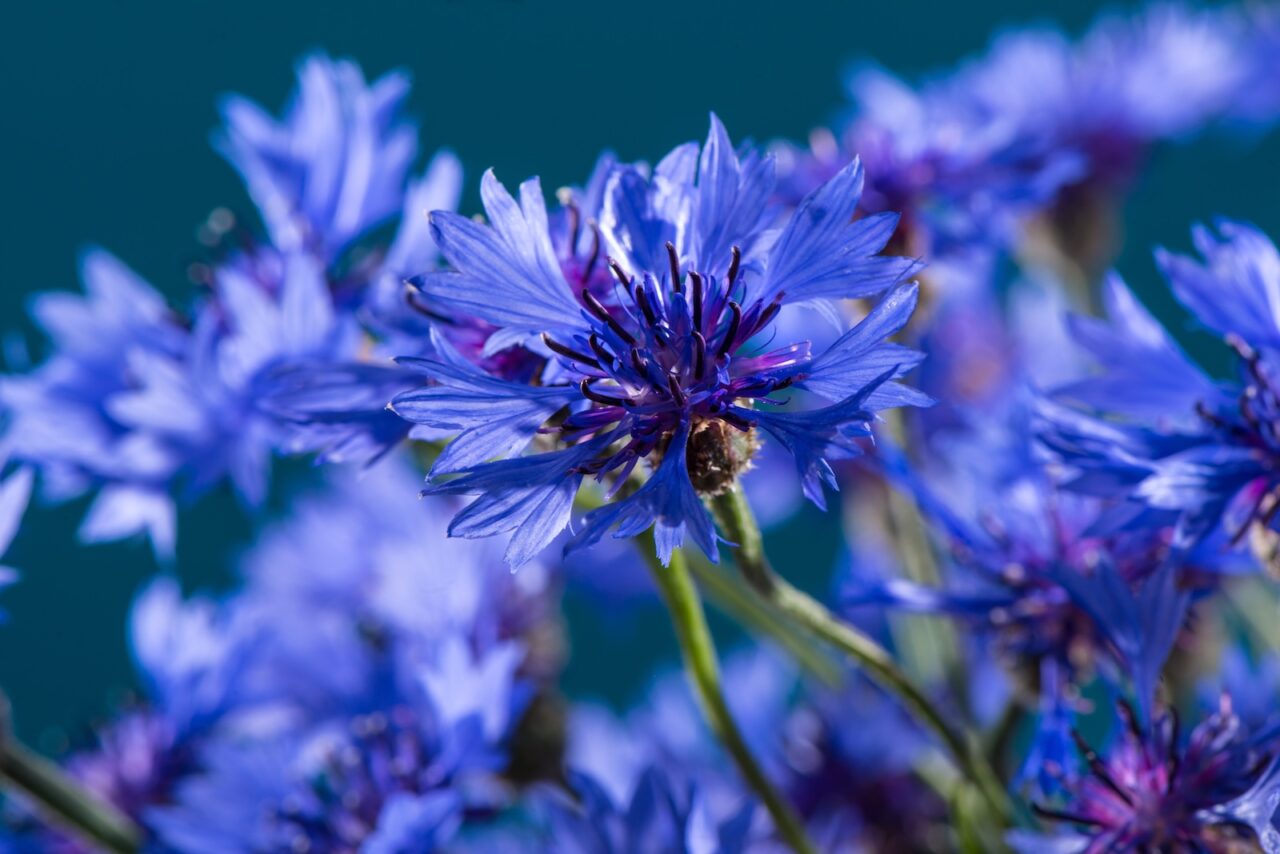
Wildflower gardens are not only low maintenance but also a great way to attract pollinators. Mix and match different wildflowers like poppies, cornflowers, and cosmos for a natural, untamed look.
Remember, wildflower gardens can be sown from seed directly into the soil. This makes them an economical choice for large areas.
8. Edible Flower Garden
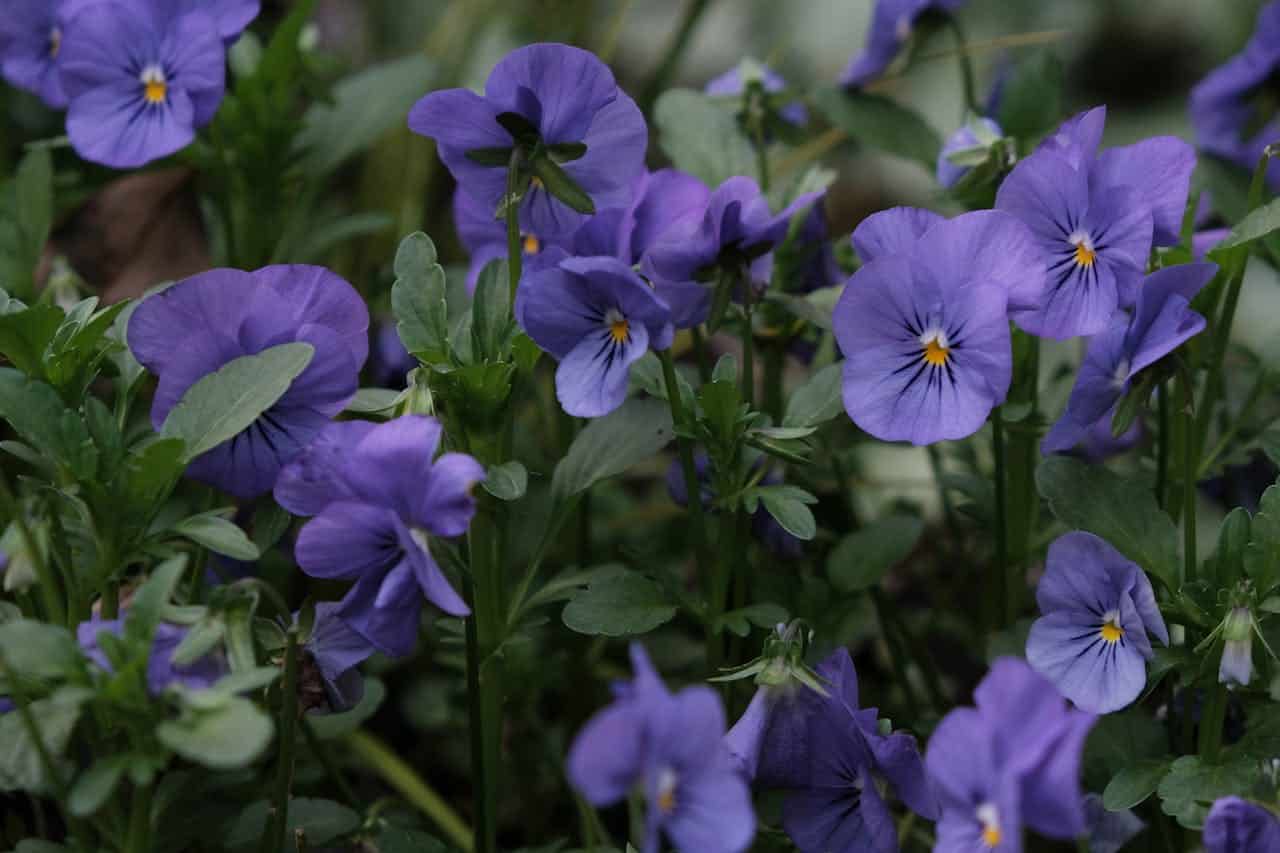
Why not create a garden that is not only beautiful but also provides fresh produce? Many flowers like nasturtiums, marigolds, and violas are both edible and ornamental.
Remember to use organic methods when growing edible flowers to avoid chemical residues. Also, always double-check the edibility of flowers before consuming them.
9. Monochromatic Magic
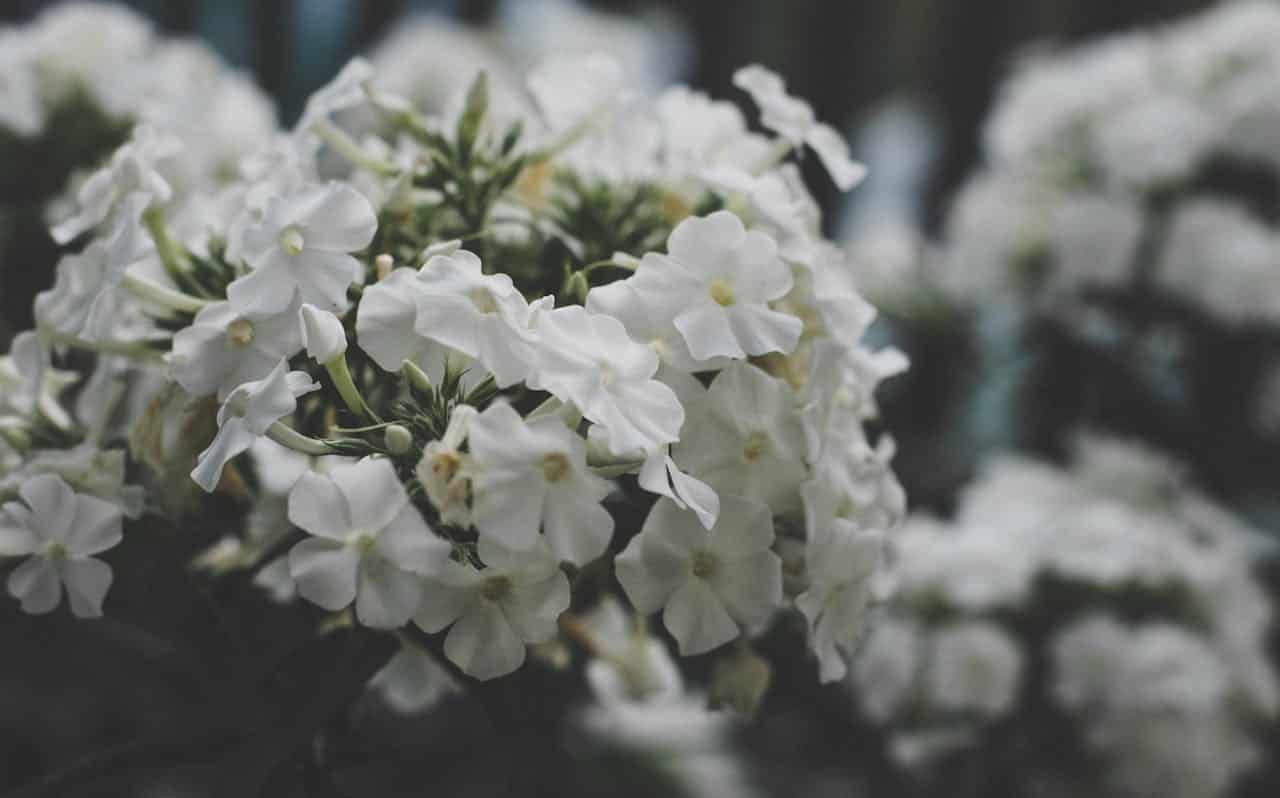
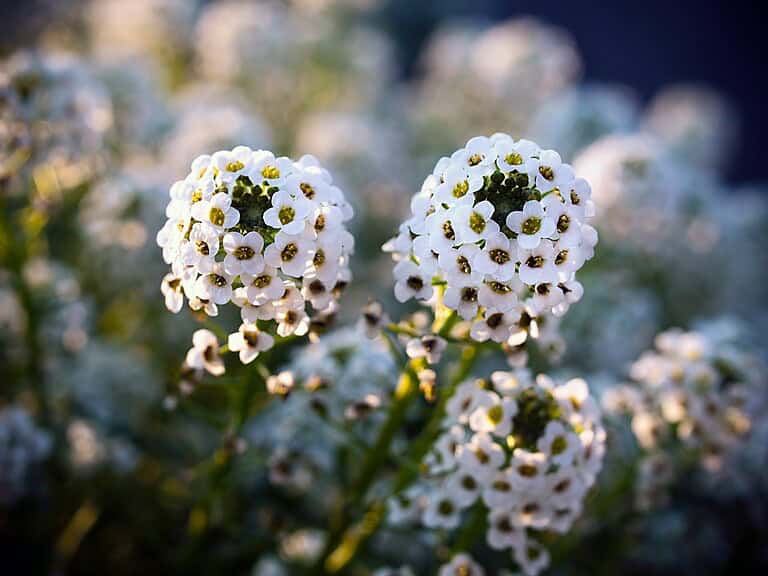
A monochromatic flower garden can create a big impact. Choose flowers in different shades of the same color for a sophisticated and modern look. For instance, a white garden with flowers like roses, lilies, and daisies exudes elegance and tranquility.
Remember, monochromatic gardens require careful planning to ensure a constant bloom throughout the season.
10. Pollinator’s Paradise

Designing a garden with pollinators in mind is not only good for the environment but also ensures a constant bloom. Flowers like zinnias, sunflowers, and salvia are great for attracting bees, butterflies, and hummingbirds to your garden.
Remember, pollinators prefer native flowers. Research the native plants in your area and incorporate them into your garden for a buzz of activity.