Fire safety is something you might not think about every day, but your home contains many items that could potentially start a fire. Understanding which common household things pose risks can help you prevent accidents before they happen.
Knowing which everyday items in your home can be fire hazards allows you to take simple steps to keep your space safer. By being aware, you take control of your environment and reduce the chance of fire-related emergencies.
Advertisement
Unattended cooking pans
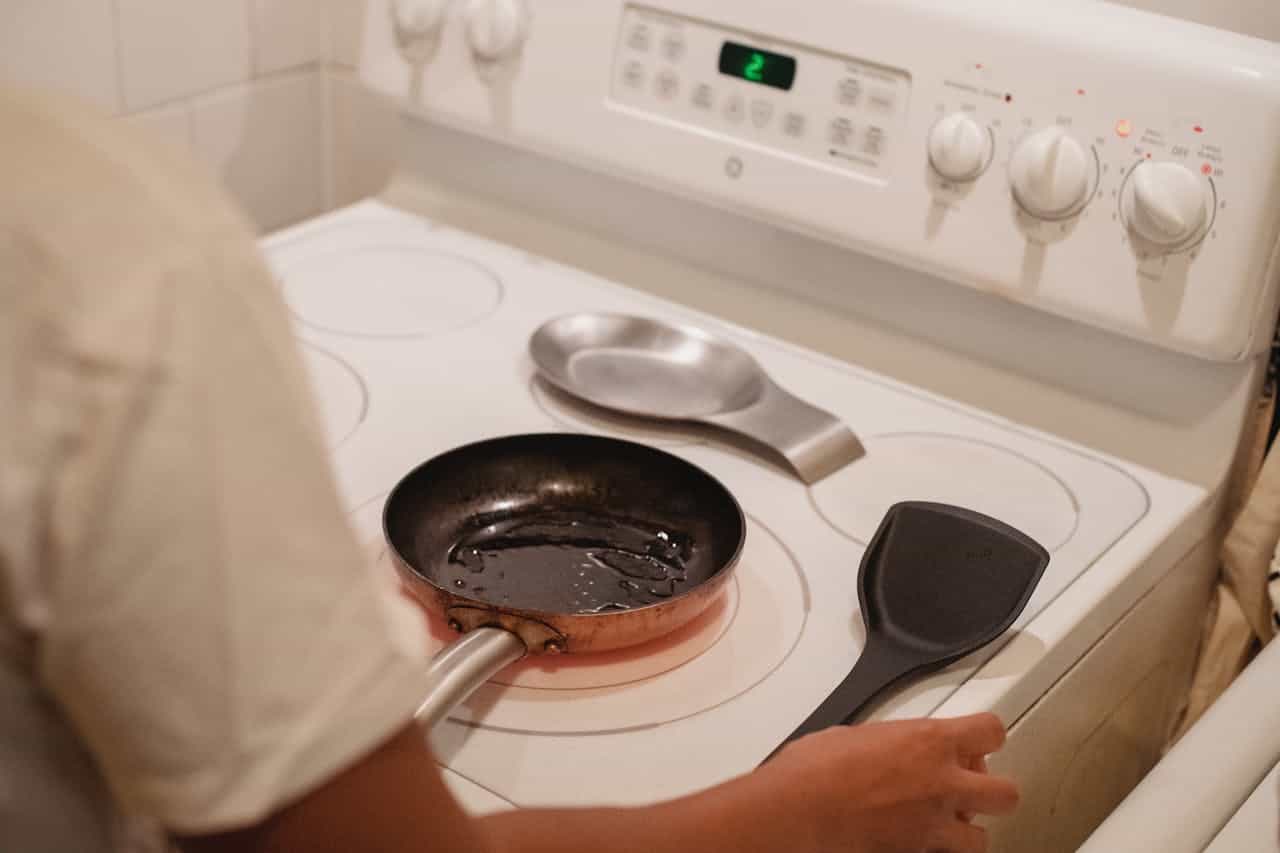
You should never leave a pan unattended while cooking. Heat can quickly build up and cause a fire to start.
If you need to leave the kitchen, turn off the burner. Keeping an eye on your cooking helps prevent accidents.
Make sure flammable items like towels or mitts are away from the stove. This keeps your cooking area safer.
Overused power strips

You might rely on power strips to plug in many devices at once. But using too many or plugging high-wattage appliances into them can cause overheating.
Avoid daisy-chaining power strips or plugging in items like refrigerators or microwaves. This puts extra strain on the circuit and raises the fire risk.
Check the power strip’s wattage limit so you don’t overload it. It helps keep your home safe and your devices running smoothly.
Dryer lint buildup
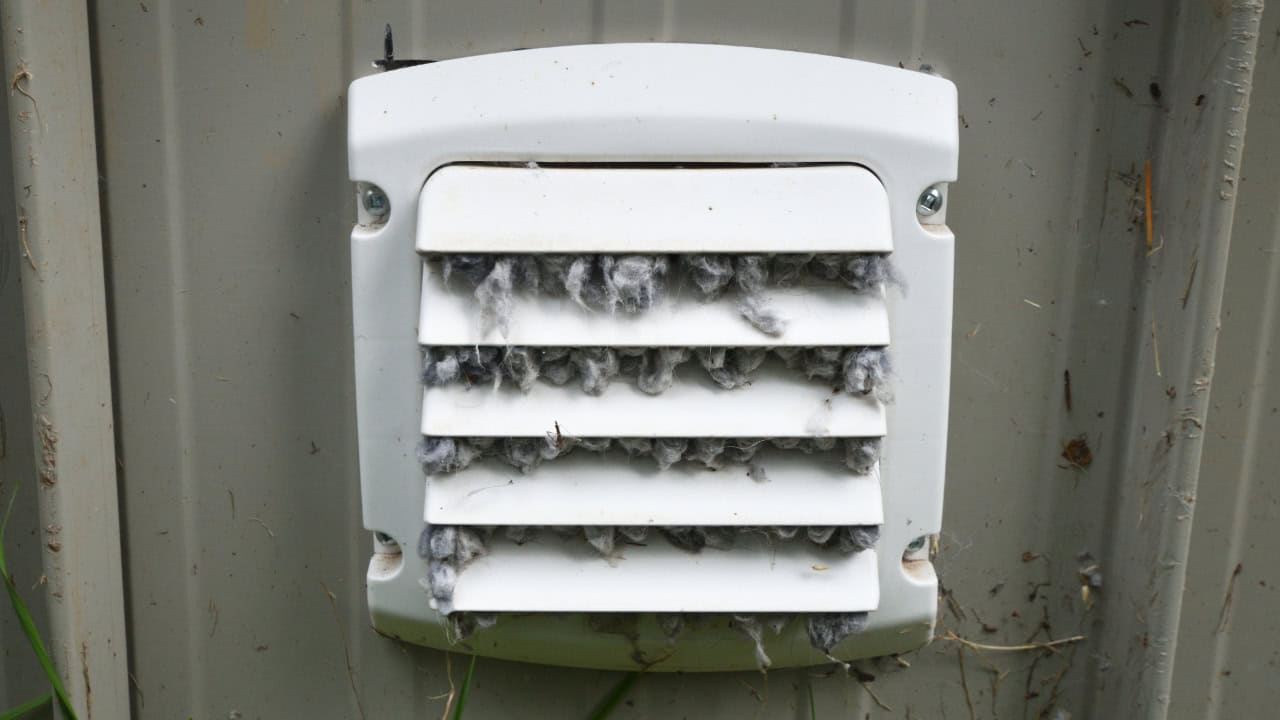
You might not realize it, but dryer lint is a common fire hazard. Lint is highly flammable and can easily catch fire if it accumulates in your dryer or vent system.
To keep your home safe, clean the lint screen after every load. It’s also a good idea to have your dryer vent professionally cleaned regularly to prevent buildup.
Toasters left plugged in
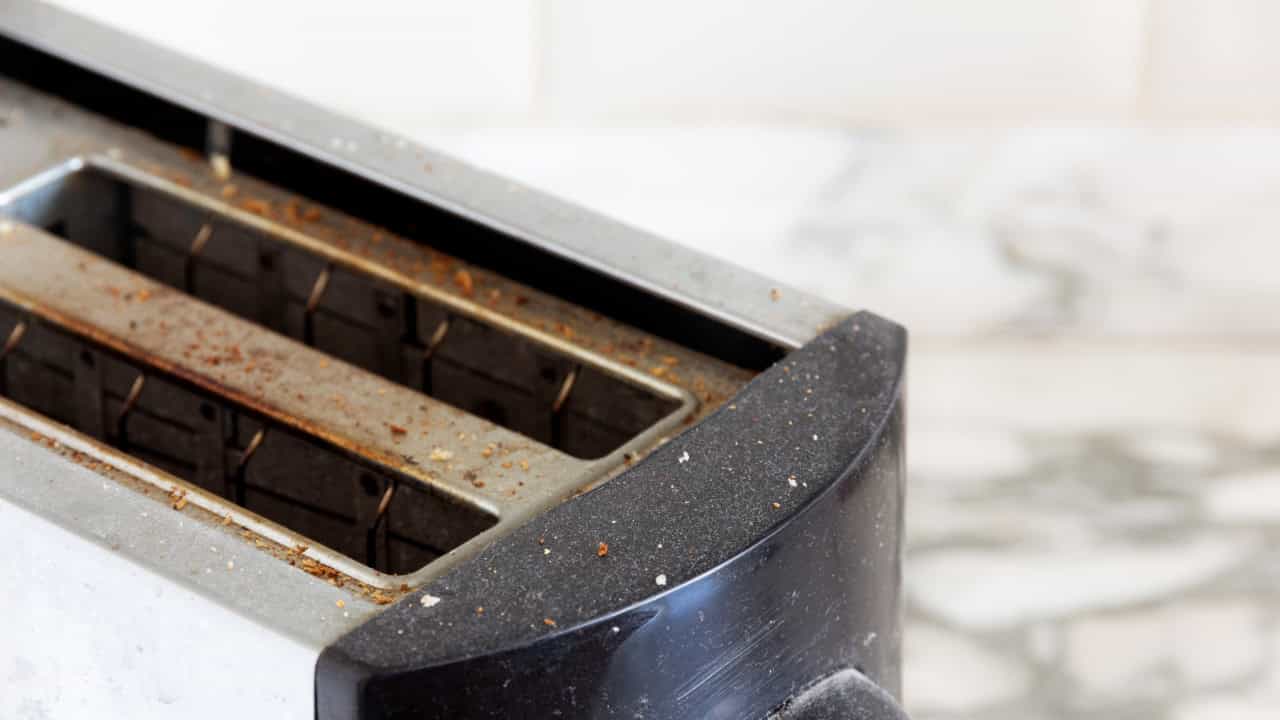
You might think leaving your toaster plugged in is harmless. However, residual heat and electrical faults can increase fire risks.
Dust and crumbs can build up in the toaster and its outlet, creating potential sparks. Unplugging your toaster after use is a simple step to keep your home safer.
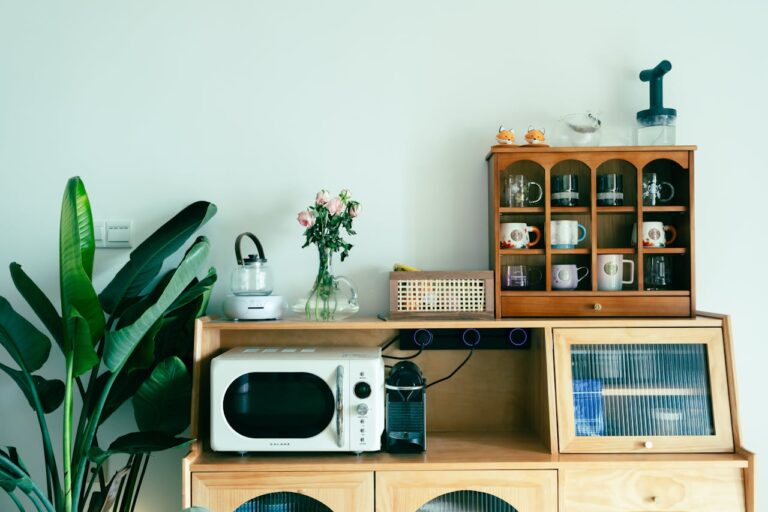
Microwaves with faulty wiring
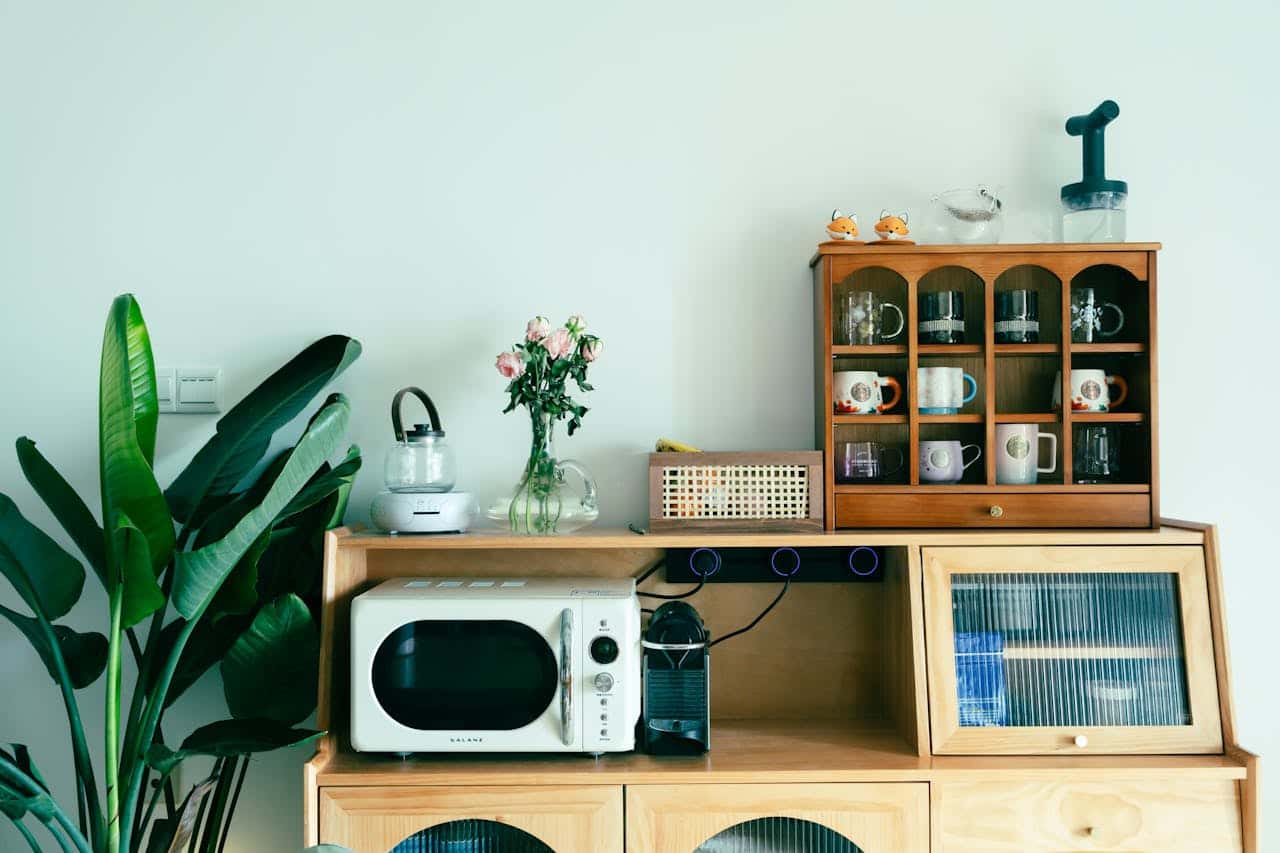
If your microwave has faulty wiring, it can become a fire risk. You might notice sparks or unusual smells when it’s running.
It’s important to check for damaged cords or unusual noises. If you see signs of wear, it’s safer to have it repaired or replaced.
Using your microwave properly and avoiding metal inside can also help prevent internal damage and fires.
Heating lamps near flammable materials
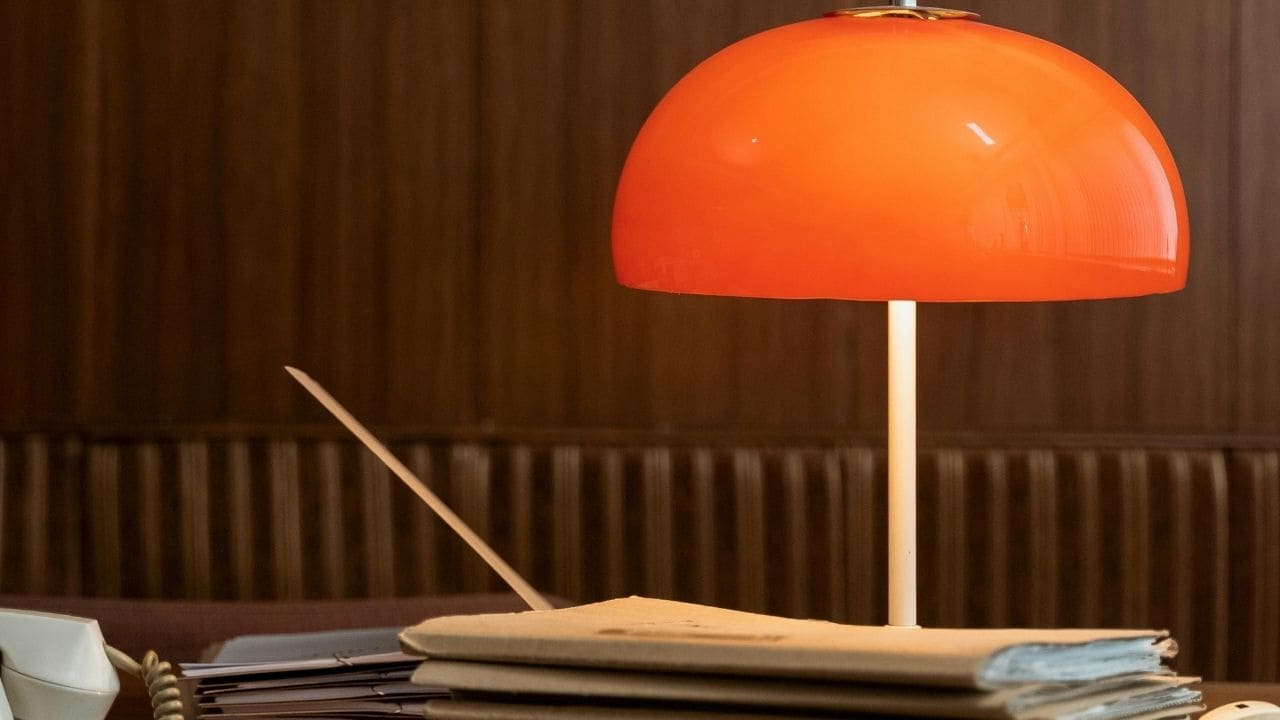
You should keep heating lamps away from anything that can easily catch fire. Items like curtains, paper, or fabric near these lamps can heat up quickly and spark a fire.
Check the area around your heating lamps regularly. Make sure nothing is too close or hanging near them to stay safe.
Hair spray cans stored improperly

You should keep hair spray cans away from heat sources like stoves or direct sunlight. These cans often contain flammable propellants that can cause them to explode if overheated.
Storing them in cool, dry places helps prevent accidents. Avoid leaving cans in cars on hot days, as temperatures can rise quickly.
Rubbing alcohol near heat sources
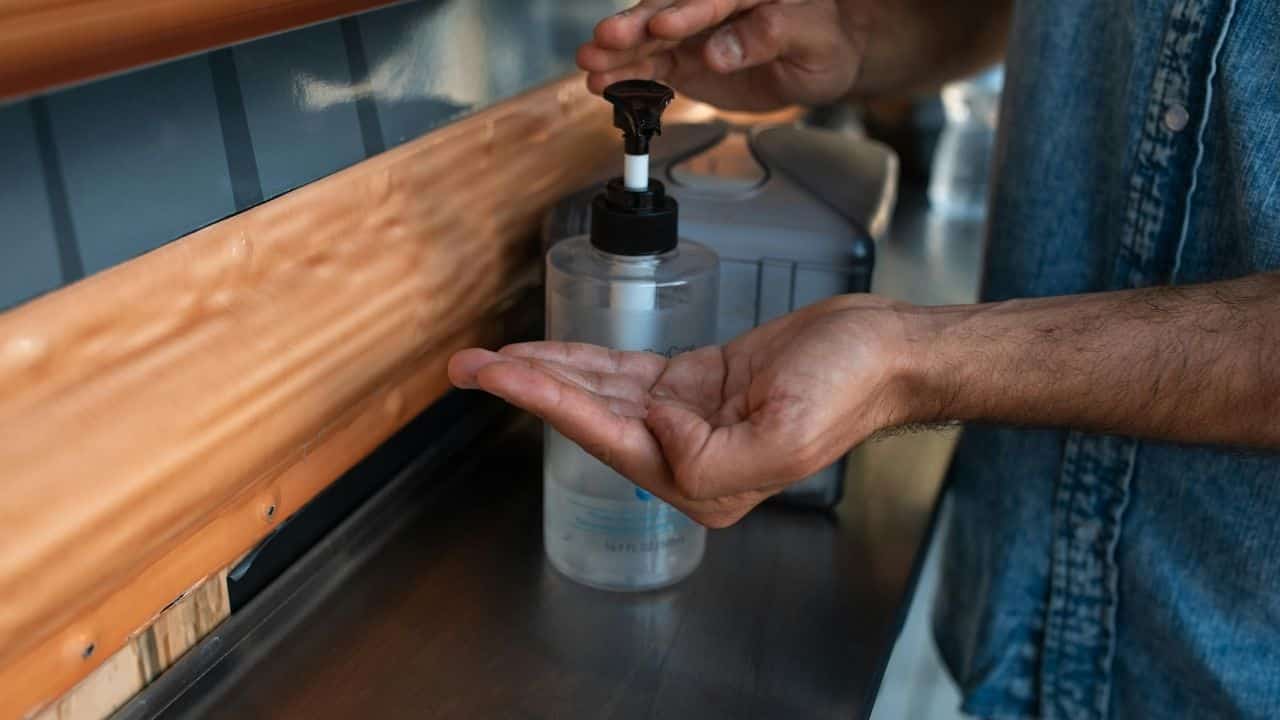
Rubbing alcohol is common in many homes and can dry out quickly. Its vapors are highly flammable, so you should keep it away from open flames or hot surfaces.
If you leave rubbing alcohol too close to heat, the vapors might catch fire easily. Always store it in a cool, well-ventilated place to keep your home safe.
Overloaded electrical outlets
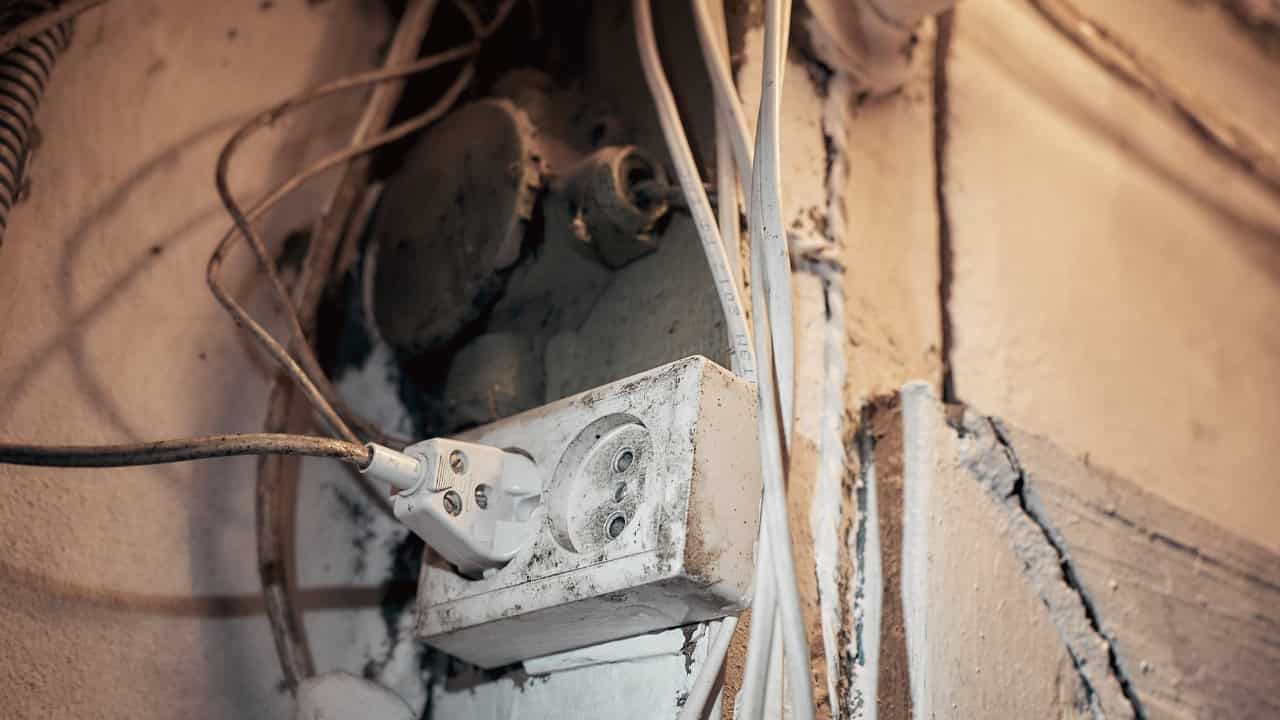
You might be tempted to plug many devices into one outlet, but overloading it can cause wires to overheat. This heat can ignite nearby flammable items.
Try to limit plugs to two per outlet and use power strips with built-in circuit breakers. Regularly check for warm or discolored outlets, which could be signs of trouble.
Candles left burning unattended

You should never leave candles burning when you’re not in the room. Even a small breeze can cause the flame to catch nearby items like curtains or paper.
Place candles on stable, non-flammable surfaces away from anything that could easily ignite. If you need light, consider using battery-powered options instead.