When it comes to keeping your home safe, being aware of potential fire hazards is essential. Many everyday items around you may pose risks without you even realizing it. Identifying these hazards can significantly reduce the chances of a fire starting in your home.
Taking a moment to examine the common household items you might overlook can make a big difference. From appliances to cleaning supplies, understanding which items could spark a fire helps you create a safer living environment for you and your family.
Advertisement
1. Dryer lint buildup
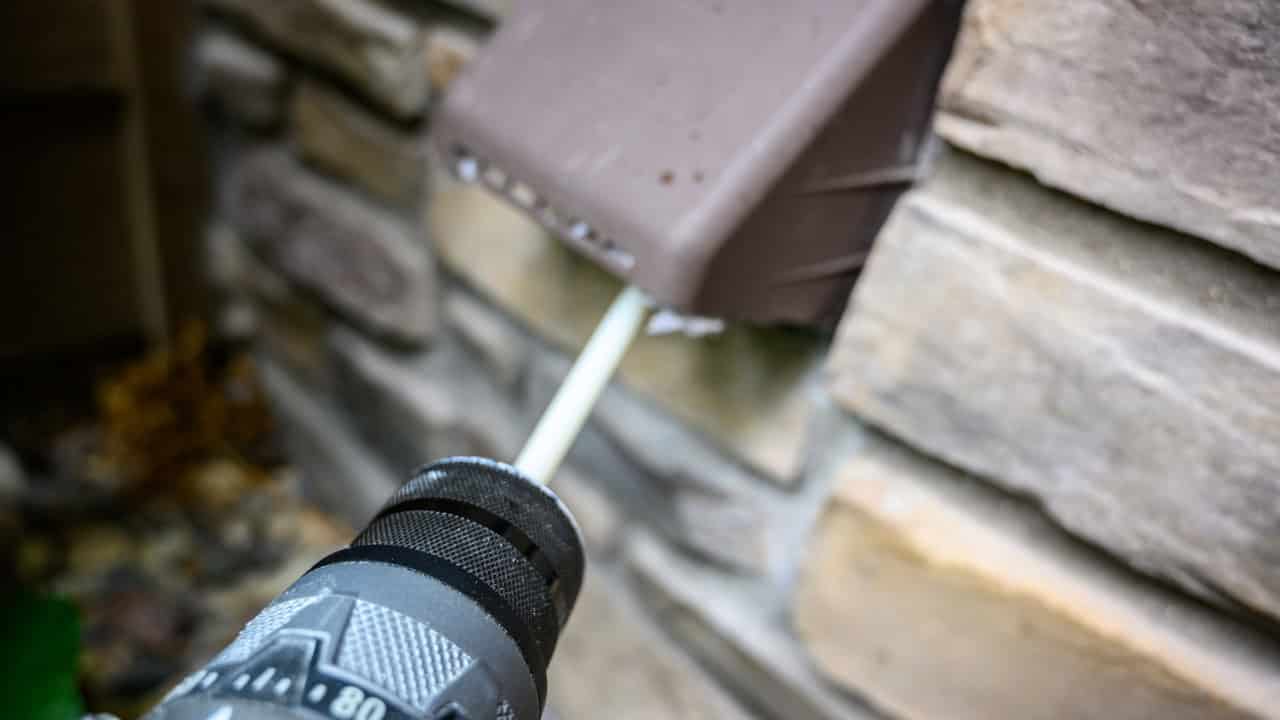
Dryer lint buildup is a common fire hazard in many homes. Lint collects in the dryer’s lint trap, vent, and ducts. If not cleaned regularly, this highly flammable material can restrict airflow.
When your dryer overheats, lint can ignite, leading to dangerous fires. It’s essential to clean the lint trap before and after each use. Additionally, having the dryer vent professionally cleaned once a year can help prevent hazardous situations.
Stay safe by being proactive about your dryer maintenance. Your awareness can significantly reduce fire risks in your home.
2. Unattended candles

When you light a candle, it creates a warm and cozy atmosphere. However, leaving it unattended can turn that comfort into a dangerous situation.
Many fires start because candles are left burning while people leave the room. A simple gust of wind or a curious pet can easily knock them over.
To ensure safety, always extinguish your candles before stepping out. Keep them away from flammable materials like curtains or paper. Your safety should always come first!
3. Faulty wiring
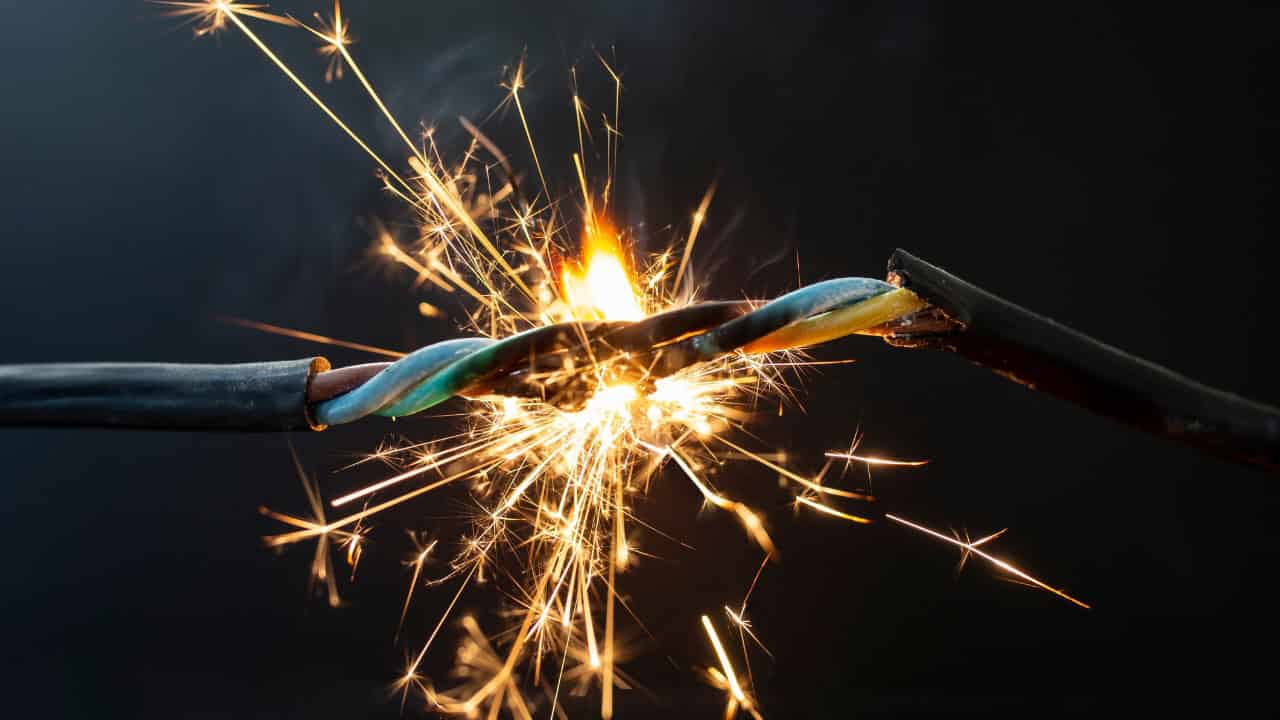
Faulty wiring is a significant fire hazard in many homes. It can occur due to age, wear, or improper installation.
You may notice signs like flickering lights or frequently tripped circuit breakers. These can indicate underlying wiring issues that need attention.
Make sure to check your home’s wiring, especially if it’s older. Hiring a qualified electrician for inspections can keep your home safer.
Don’t overlook the importance of maintaining your electrical systems. Taking these steps can help prevent dangerous fires.
4. Overloaded power strips
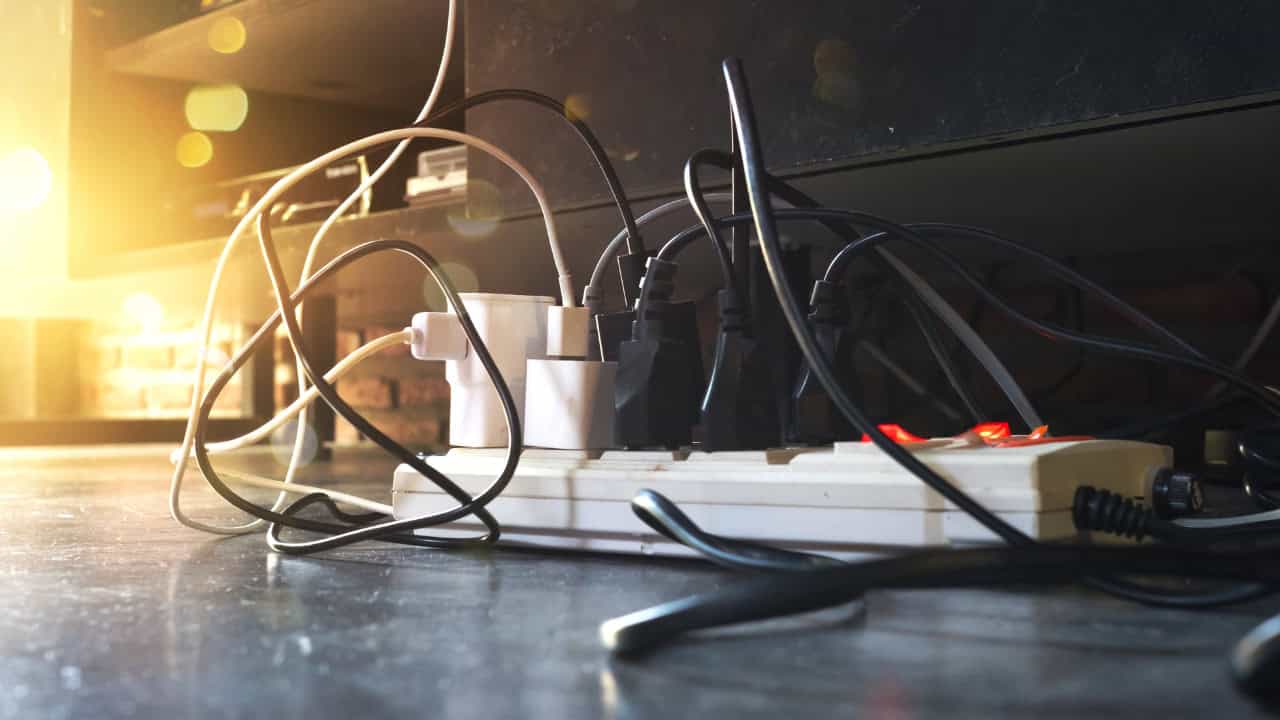
Overloading power strips is a common fire hazard that often goes unnoticed. You might be tempted to plug multiple devices into a single strip, but that can lead to serious risks.
Power strips are designed for limited wattage. When you exceed this limit, they can overheat and potentially start a fire.
Always check how much wattage your devices use and avoid daisy-chaining power strips together. This practice can quickly overload your electrical system.
Keep your home safe by using power strips wisely and ensuring they don’t feel warm to the touch.
5. Portable heaters
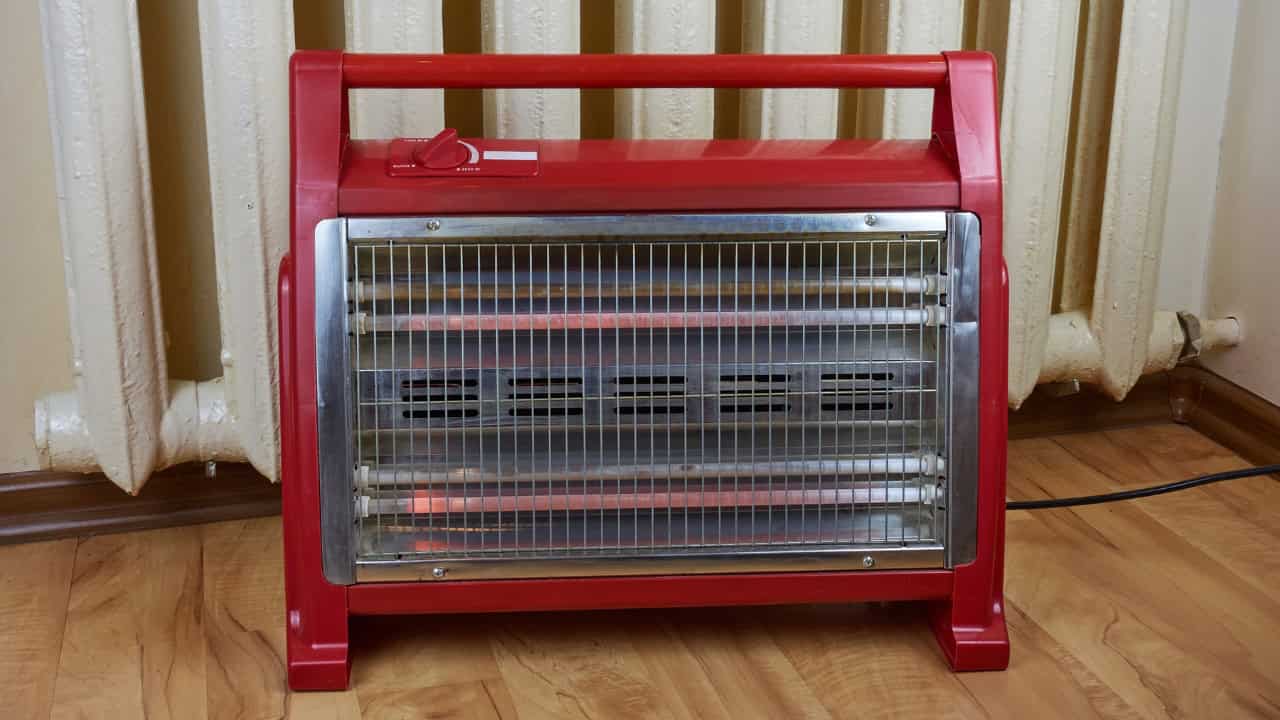
Portable heaters can be a great way to keep warm during cold months. However, they also carry significant fire risks if not used correctly.
Always place your heater on a flat, stable surface and keep it away from flammable items like curtains and furniture. It’s important to never leave a portable heater unattended, especially while sleeping or when you leave the room.
Regularly check the cord for damage, as frayed cords can pose additional hazards. Following simple safety measures can help you enjoy the warmth without worry.
6. Old or damaged appliances

Old or damaged appliances in your home can pose significant fire hazards. You may not realize it, but worn-out components and outdated materials can increase the risk of malfunctions.
Regularly check your appliances for signs of wear. Look for frayed cords, scorch marks, or strange smells. These indicators can signal that it’s time to replace or repair an appliance.
Be cautious with older models, as they may not have the same safety features as newer ones. Investing in updated appliances can help protect your home and provide peace of mind.
7. Frayed electrical cords
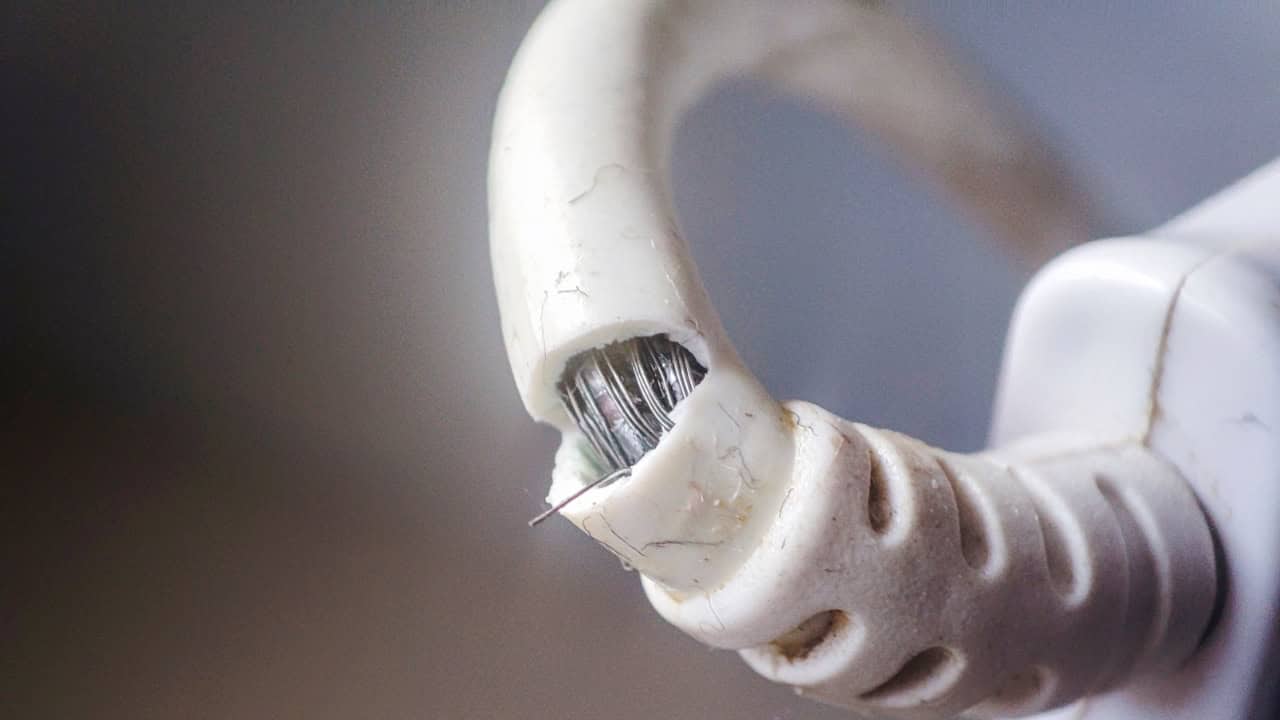
Frayed electrical cords are a common yet serious fire hazard in your home. When the outer layer of the cord becomes damaged, the exposed wires can create sparks or overheat.
You should regularly inspect your cords for any signs of wear. If you notice fraying, it’s best to replace the cord or the device altogether.
Avoid running cords under rugs or in high-traffic areas to minimize wear. Keeping your electrical cords in good condition helps ensure your safety at home.
8. Unattended cooking
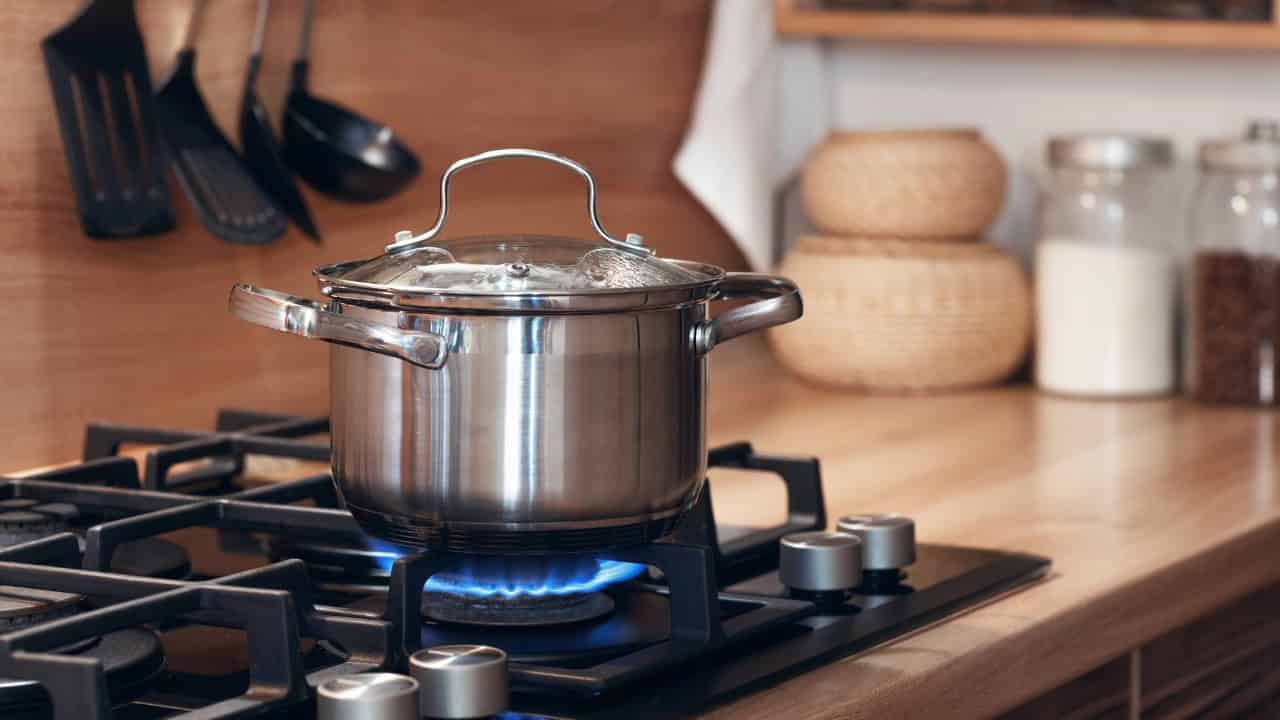
Leaving food unattended while cooking is a common cause of kitchen fires. When you walk away from the stove or oven, even for a moment, things can go wrong quickly.
It only takes a few seconds for something to ignite, especially if you’re cooking with oil. Cooktops are involved in a high percentage of residential cooking fires.
Stay close to your cooking food, and keep distractions at bay. If you need to leave the kitchen, turn off the heat to prevent accidents.
9. Storing flammable liquids indoors
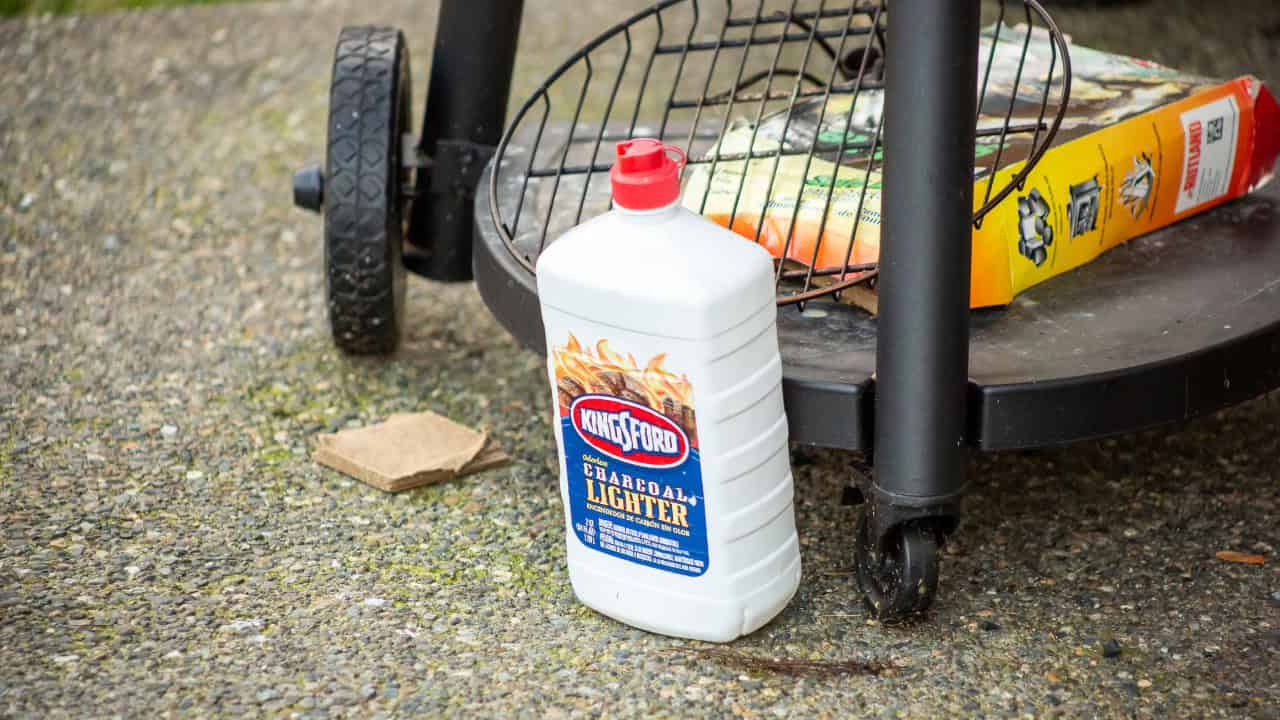
When storing flammable liquids indoors, ensure they are kept in a cool, well-ventilated area. Avoid placing them near heat sources like stoves or heaters.
Use robust, labeled containers to prevent leaks and spills. Keep the containers tightly sealed to limit vapor release.
It’s essential to store these items out of reach of children and pets. Consider using a fire-rated cabinet specifically designed for hazardous materials. This will help keep your space safe and organized.
10. Oily rags not stored properly
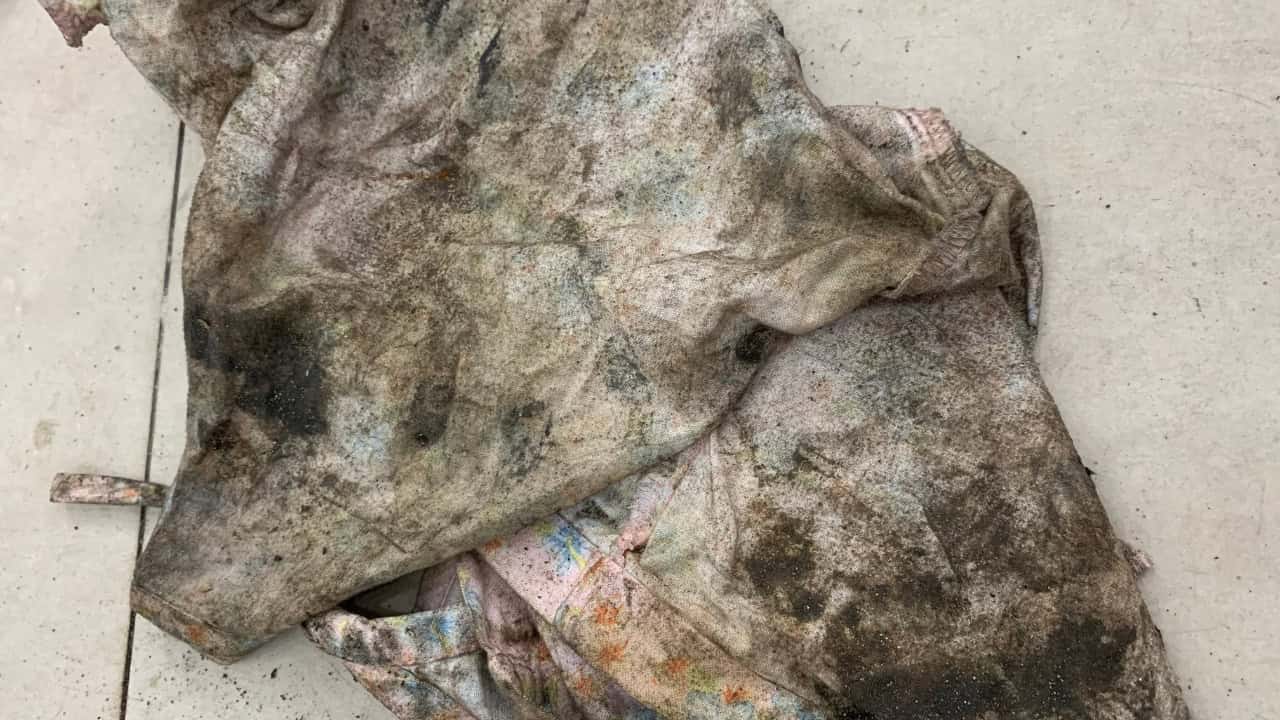
Improper storage of oily rags can lead to serious fire hazards. When rags soaked in oil are piled up, they can generate heat and ignite, even without a spark. This is particularly dangerous if they are left in a closed container without ventilation.
To prevent this, use special oily-waste cans designed to allow airflow. Make sure these cans are emptied regularly to avoid accumulation.
Remember that keeping your workspace tidy and storing oily rags safely can greatly reduce the risk of a fire. Always stay vigilant about how you handle and dispose of these items.
*This article was created with the help of AI.