Homeownership comes with a long to-do list, but let’s be honest—some maintenance tasks are easy to put off. The problem? Skipping routine upkeep can lead to expensive repairs, major headaches, and even safety hazards down the road.
If you want to save money, protect your home, and avoid future regrets, here are 10 home maintenance tasks you should never skip!
Advertisement
1. Cleaning Your Gutters

Gutters aren’t exactly exciting to maintain, but ignoring them can lead to serious water damage. When leaves, dirt, and debris build up, your gutters clog, causing rainwater to overflow and seep into your foundation, walls, or roof.
What happens if you skip it?
- Water can damage your home’s foundation and cause basement flooding.
- Overflowing gutters can lead to roof leaks and wood rot.
- Clogged gutters are a breeding ground for pests like mosquitoes and rodents.
How often to do it:
- Twice a year (spring and fall) or more if you have a lot of trees near your home.
2. Changing Your HVAC Filters
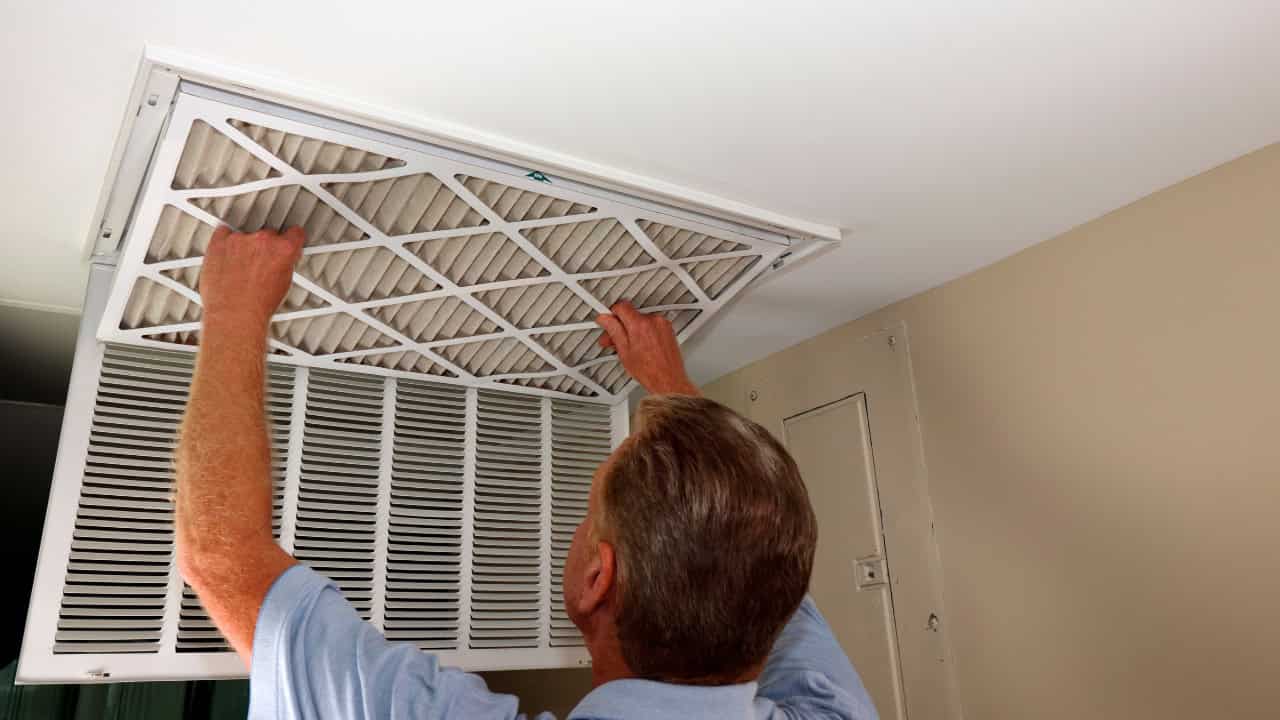
Your heating and cooling system works year-round, but dirty air filters reduce efficiency, drive up energy bills, and strain your system.
What happens if you skip it?
- Your HVAC system works harder and wears out faster.
- Poor air circulation can lead to dust buildup and allergy issues.
- A clogged filter can cause your system to overheat and break down.
How often to do it:
- Every 1–3 months, depending on pet hair, dust, and seasonal allergies.
3. Draining Your Water Heater
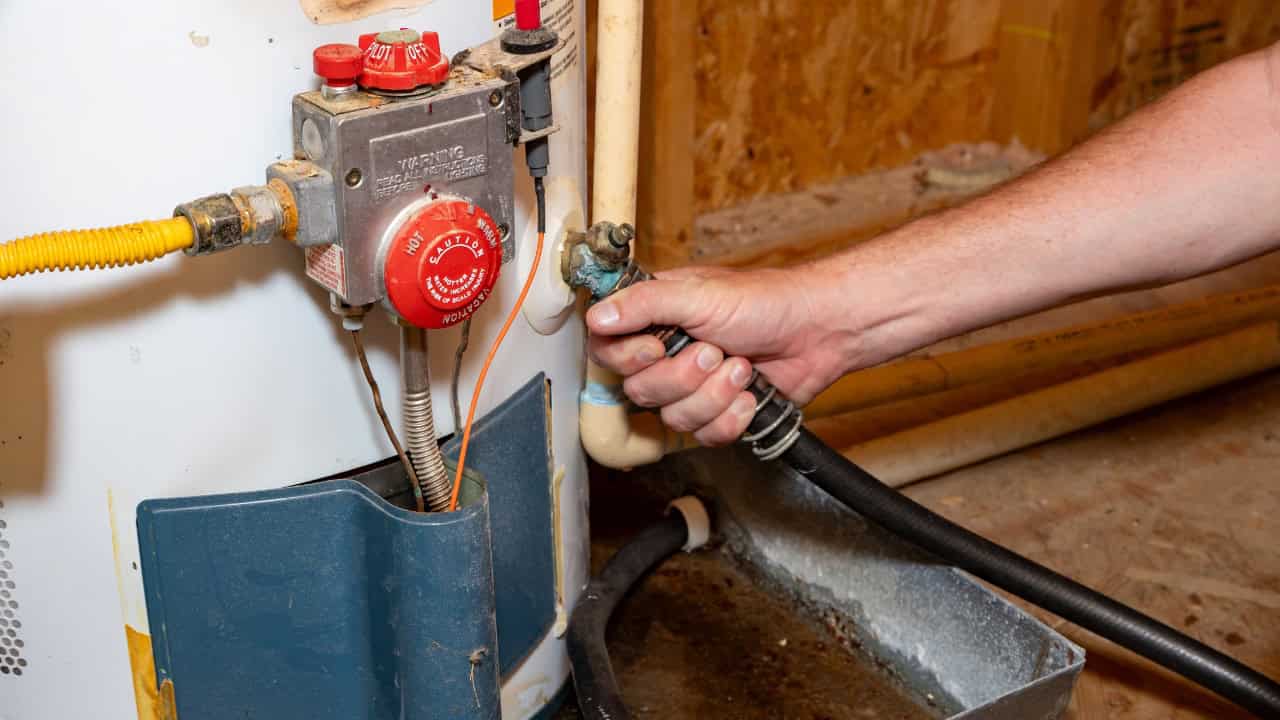
Over time, sediment builds up in your water heater, reducing efficiency and shortening its lifespan. If you don’t flush it out, you’ll eventually have rusty water, weird noises, and an expensive repair bill.
What happens if you skip it?
- Your water heater becomes less efficient, costing you more in energy.
- Sediment buildup lowers water pressure and damages heating elements.
- The lifespan of your water heater drops from 10–15 years to just a few.
How often to do it:
- Once a year (or twice if you have hard water).
4. Checking for Roof Damage
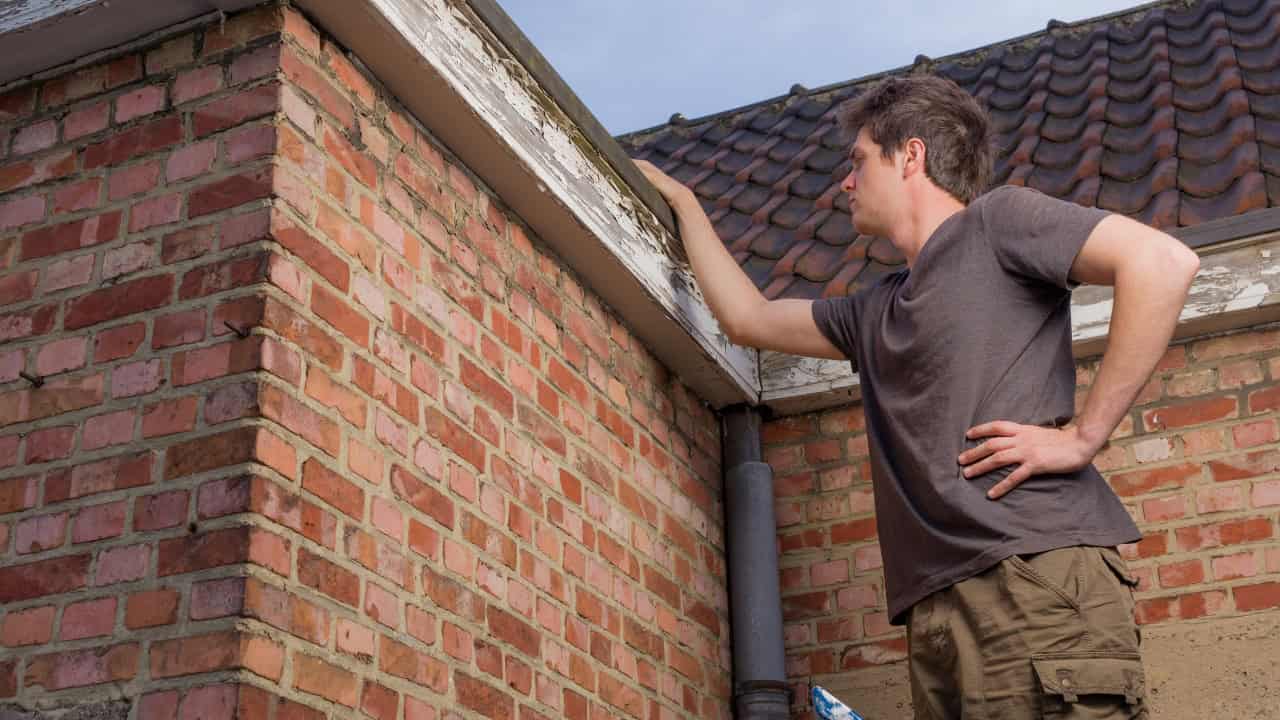
Your roof protects your entire home, but many homeowners don’t check for damage until there’s a leak. By the time you notice water inside, you’re already dealing with costly repairs.
What happens if you skip it?
- Small cracks or missing shingles can turn into major leaks.
- Water damage can lead to mold, rot, and structural issues.
- Ignoring roof problems can cost thousands in repairs—or a full roof replacement.
How often to do it:
- Twice a year (spring and fall) plus after major storms.
5. Sealing Gaps Around Windows and Doors
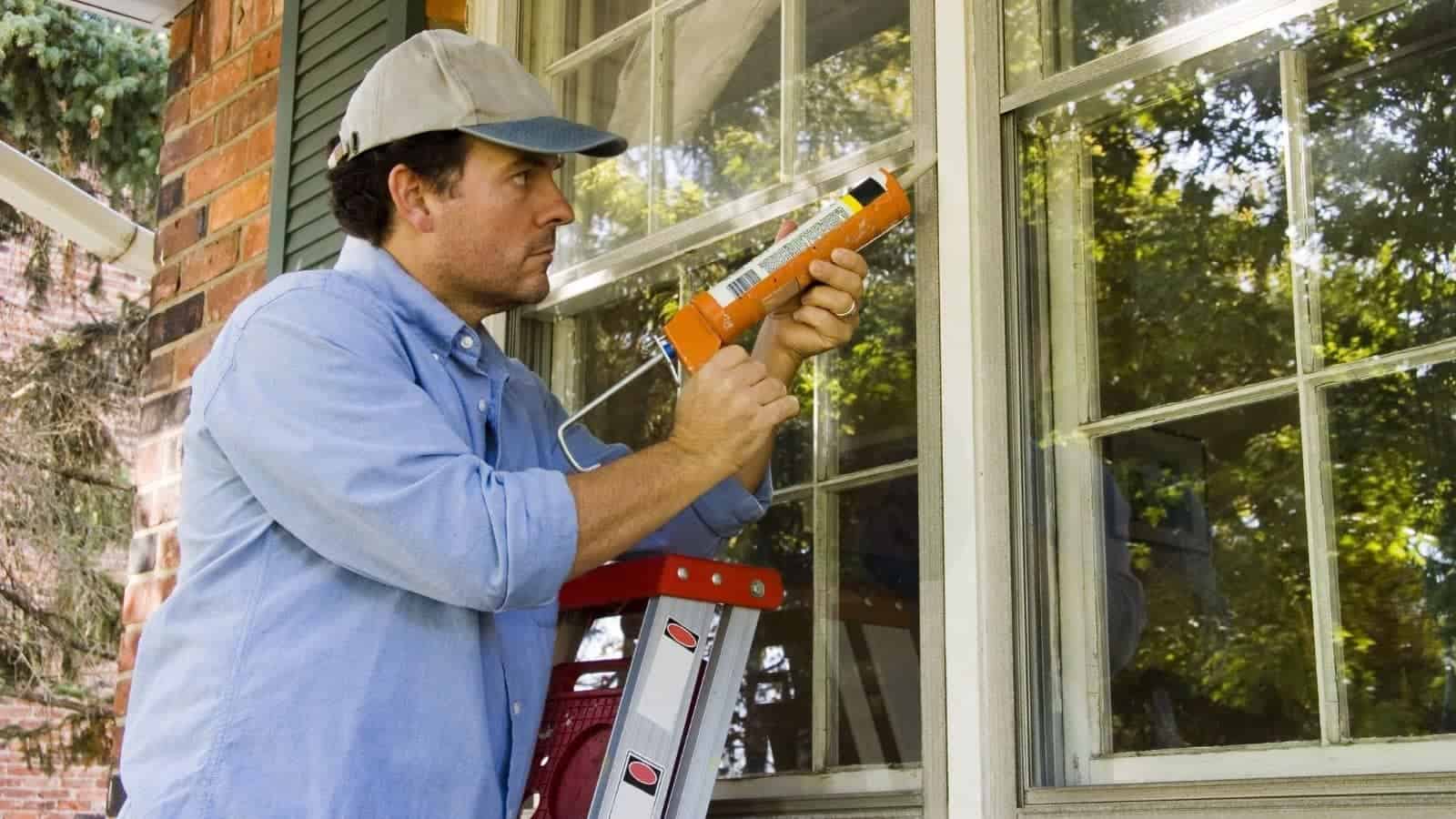
Even tiny gaps in your windows and doors can let in drafts, raise energy bills, and attract pests.
What happens if you skip it?
- Your home becomes less energy-efficient, increasing heating and cooling costs.
- Moisture can seep in, causing wood rot or mold growth.
- Small openings make it easier for bugs and rodents to get inside.
How often to do it:
- Annually, before winter and summer.
6. Testing Smoke and Carbon Monoxide Detectors
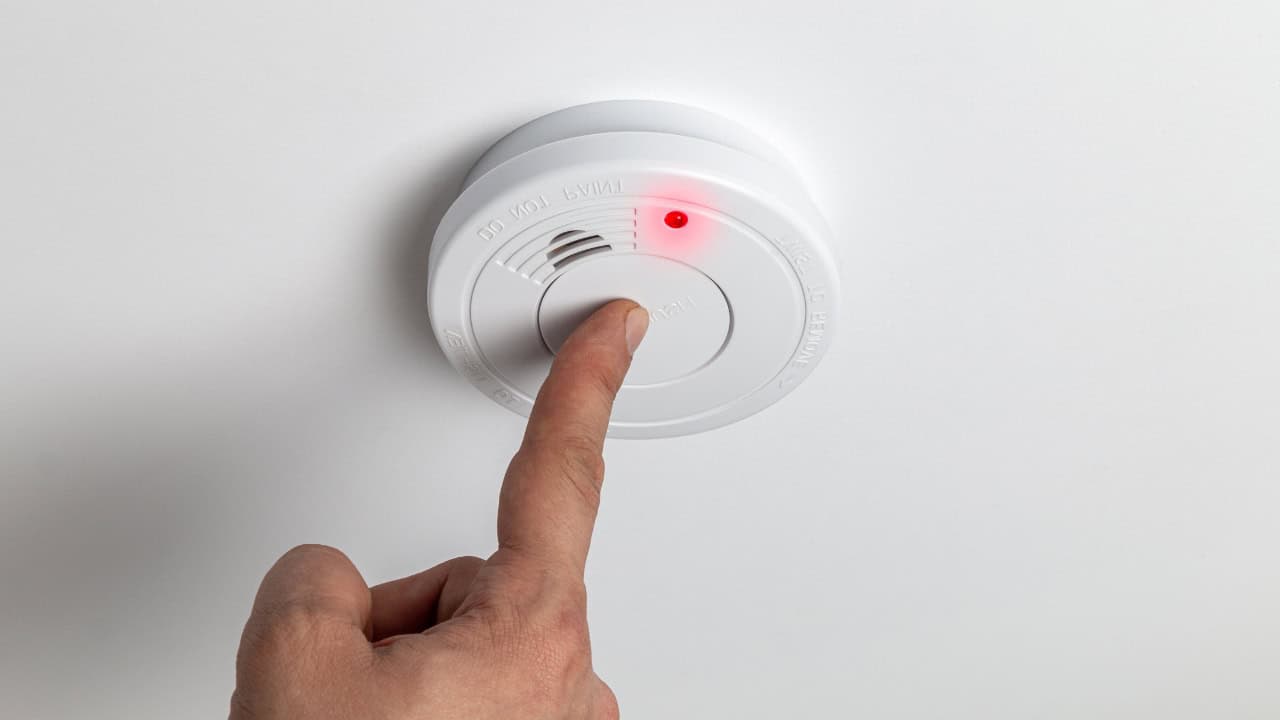
Your smoke and CO detectors are your first line of defense against fire and gas leaks, but they won’t protect you if they’re not working.
What happens if you skip it?
- You may not get an early warning in case of a fire.
- Carbon monoxide poisoning can be deadly—and it’s odorless.
- If a detector fails, your family’s safety is at risk.
How often to do it:
- Test monthly, replace batteries yearly, and replace units every 10 years.
7. Inspecting and Cleaning Dryer Vents
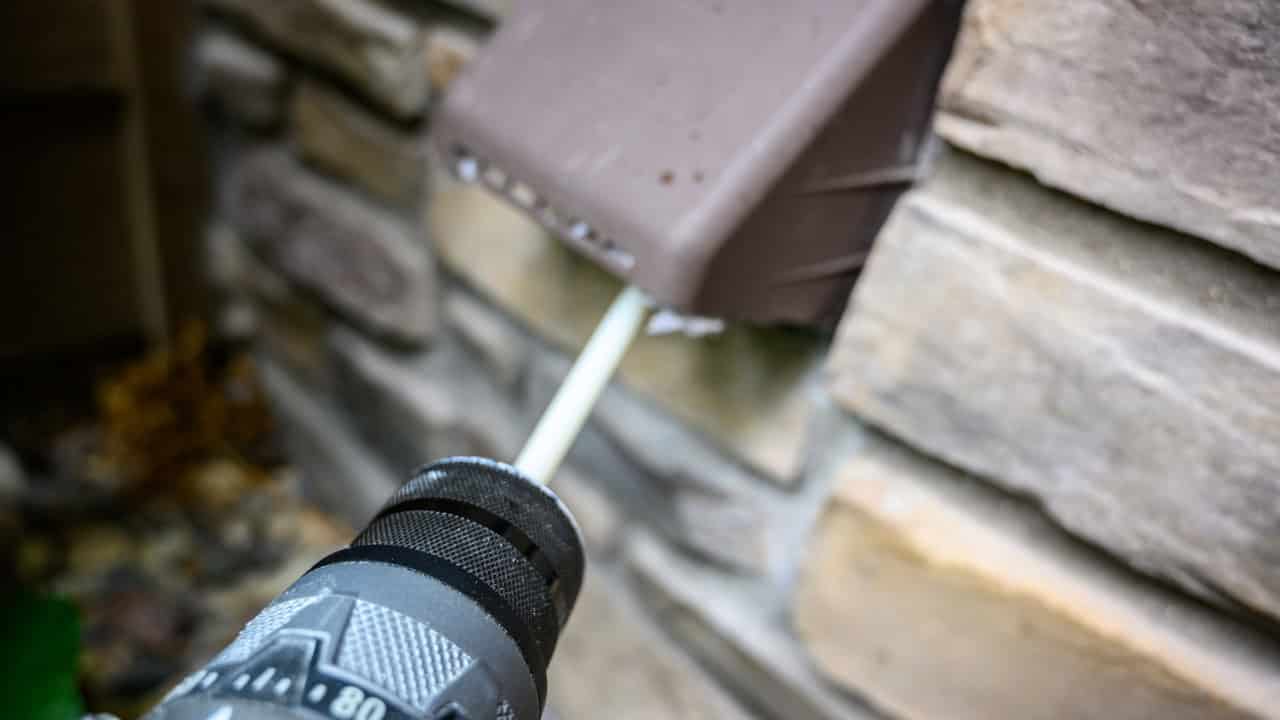
A clogged dryer vent is one of the leading causes of house fires. Lint buildup blocks airflow, making your dryer work harder and increasing fire risk.
What happens if you skip it?
- Your dryer takes longer to dry clothes, wasting energy.
- Lint buildup can overheat the dryer and cause a fire.
- The vent could get blocked, causing moisture buildup and mold growth.
How often to do it:
- Clean the lint trap after every load and the full vent system once a year.
8. Flushing Slow Drains
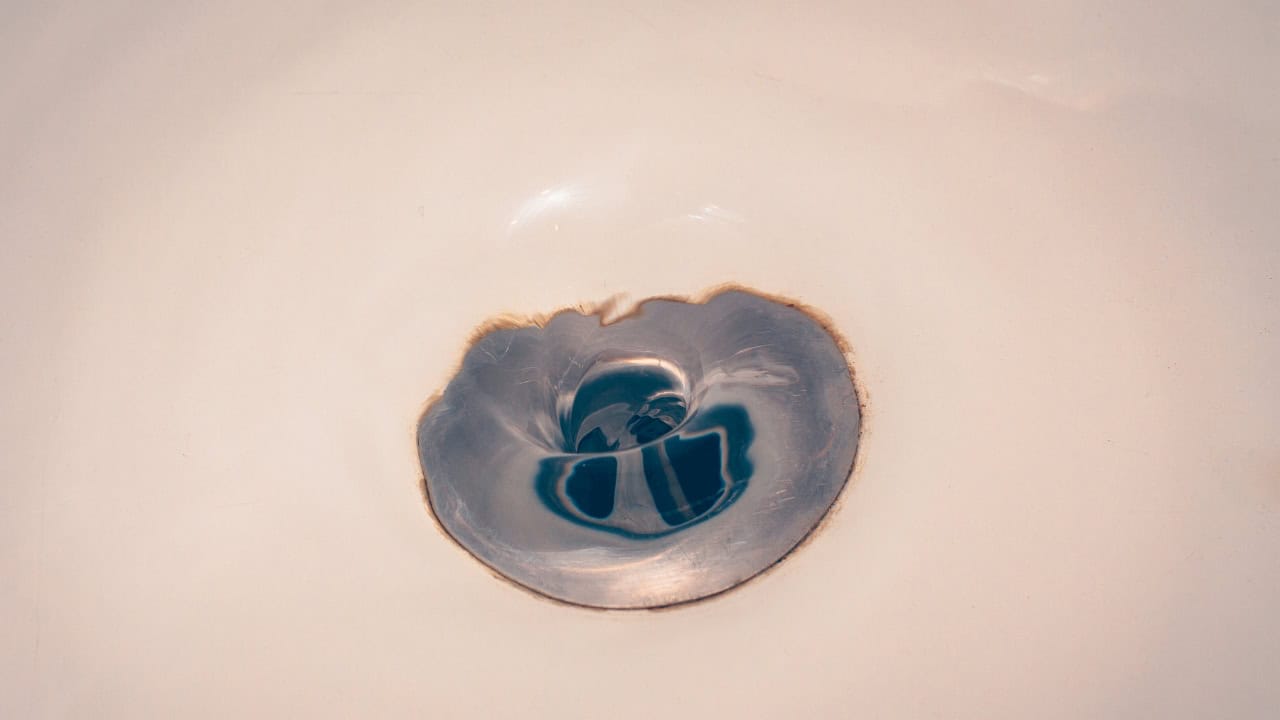
A slow drain might not seem urgent, but ignoring it can lead to a full-blown clog or even pipe damage.
What happens if you skip it?
- Small clogs turn into big, expensive plumbing issues.
- Standing water can lead to mold and bacteria growth.
- Persistent slow drains can indicate a bigger issue in your plumbing system.
How often to do it:
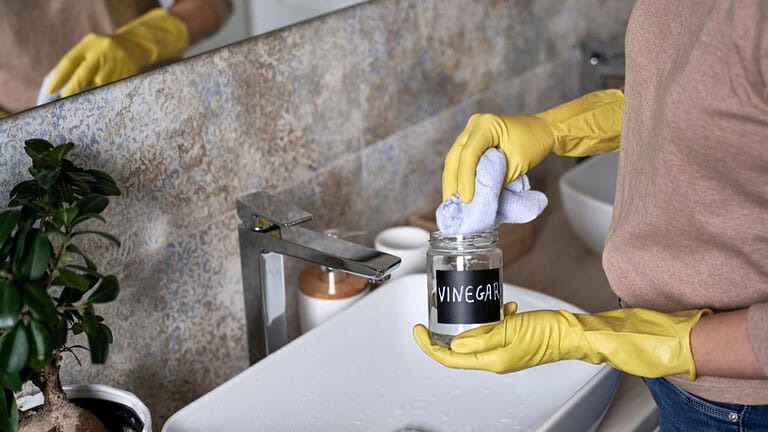
- Every few months—use a mixture of baking soda, vinegar, and hot water to keep drains clear.
9. Checking for Leaky Faucets and Toilets
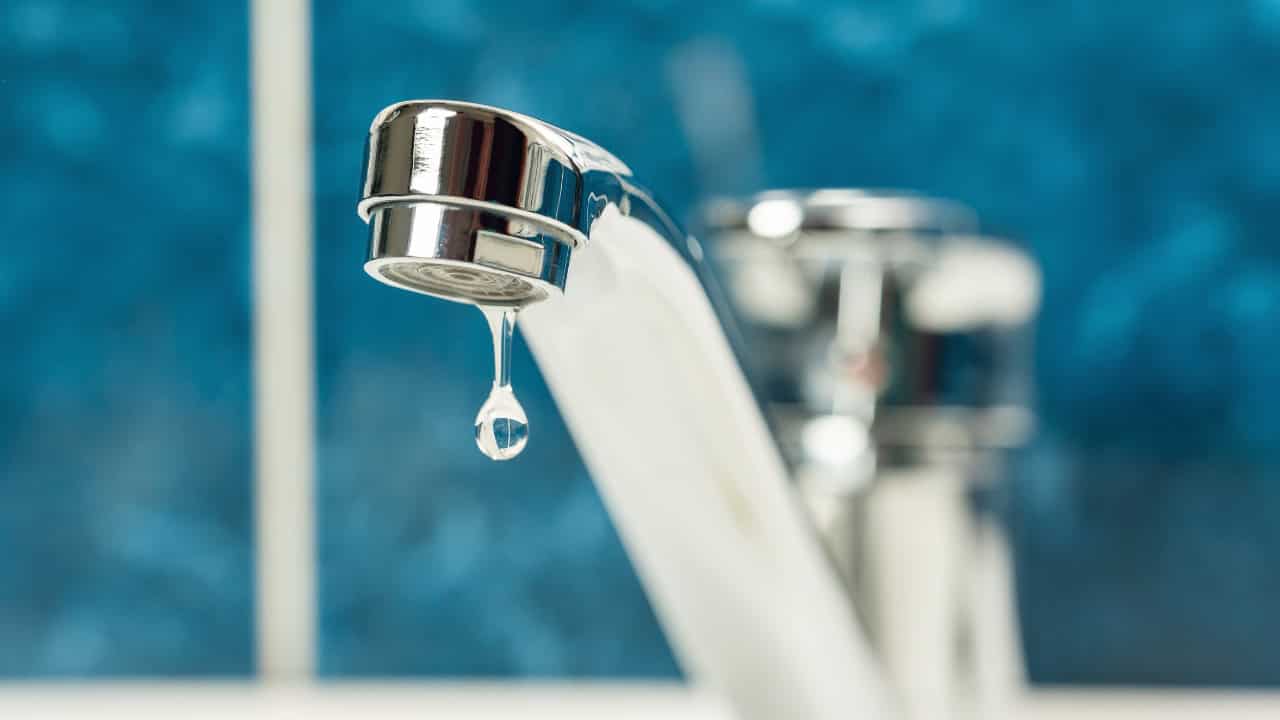
Even a small drip can waste hundreds of gallons of water a year, increasing your bill and causing unseen damage.
What happens if you skip it?
- Water damage can lead to mold, mildew, and rotting cabinets or floors.
- A running toilet can waste thousands of gallons of water per year.
- Ignoring leaks can result in higher water bills and costly plumbing repairs.
How often to do it:
- Check for leaks monthly—listen for running toilets and look under sinks for moisture.
10. Power Washing Your Home’s Exterior
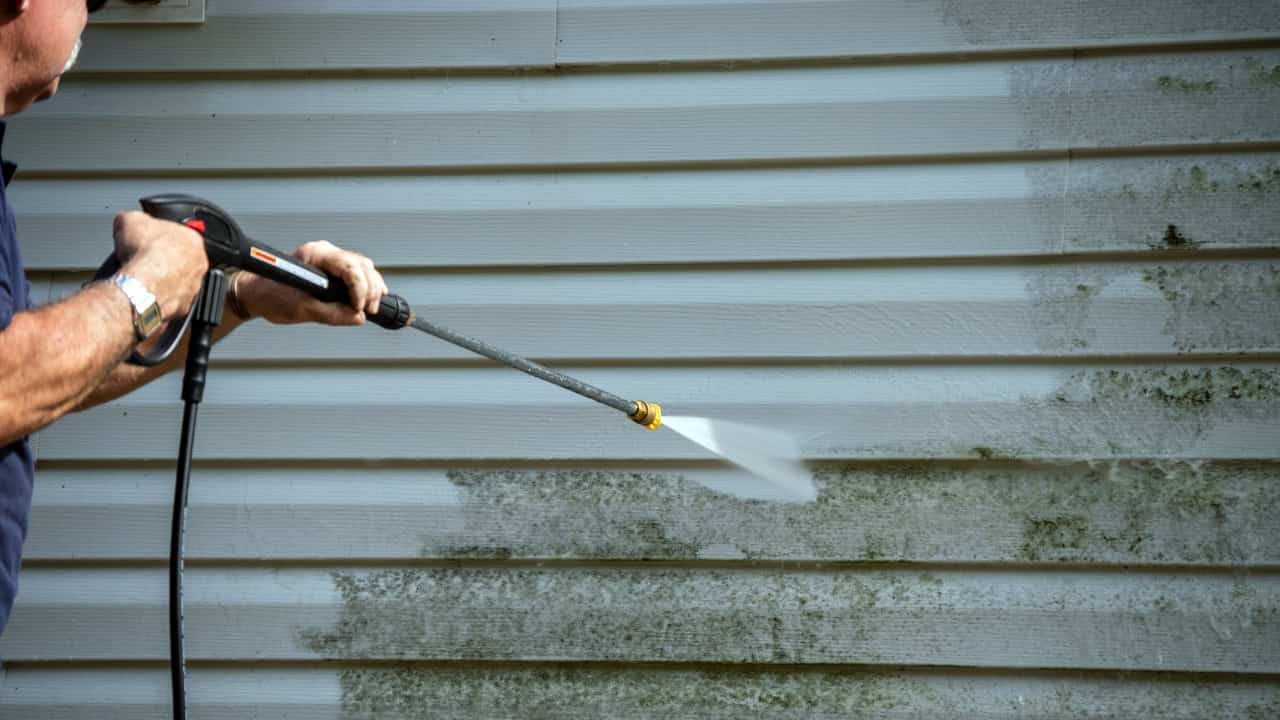
Over time, dirt, grime, and mildew build up on your home’s exterior, making it look older and more worn than it really is.
What happens if you skip it?
- Dirt and mold can permanently stain siding and brick.
- Built-up grime can trap moisture, leading to rot or structural damage.
- A dirty exterior lowers your home’s curb appeal and resale value.
How often to do it:
- Once a year, ideally in spring or summer.
*This article was created with the help of AI.