Many homeowners wonder why their electricity bills seem higher than expected, even when they feel like they’re using energy carefully. The truth is, everyday habits and common appliances can quietly add up, increasing your monthly costs without you realizing it.
Understanding which home habits drive up your electricity bill can help you take simple steps to lower what you pay. By identifying these patterns, you can make small changes that lead to noticeable savings on your energy costs.
Advertisement
Leaving electronics plugged in (phantom power)
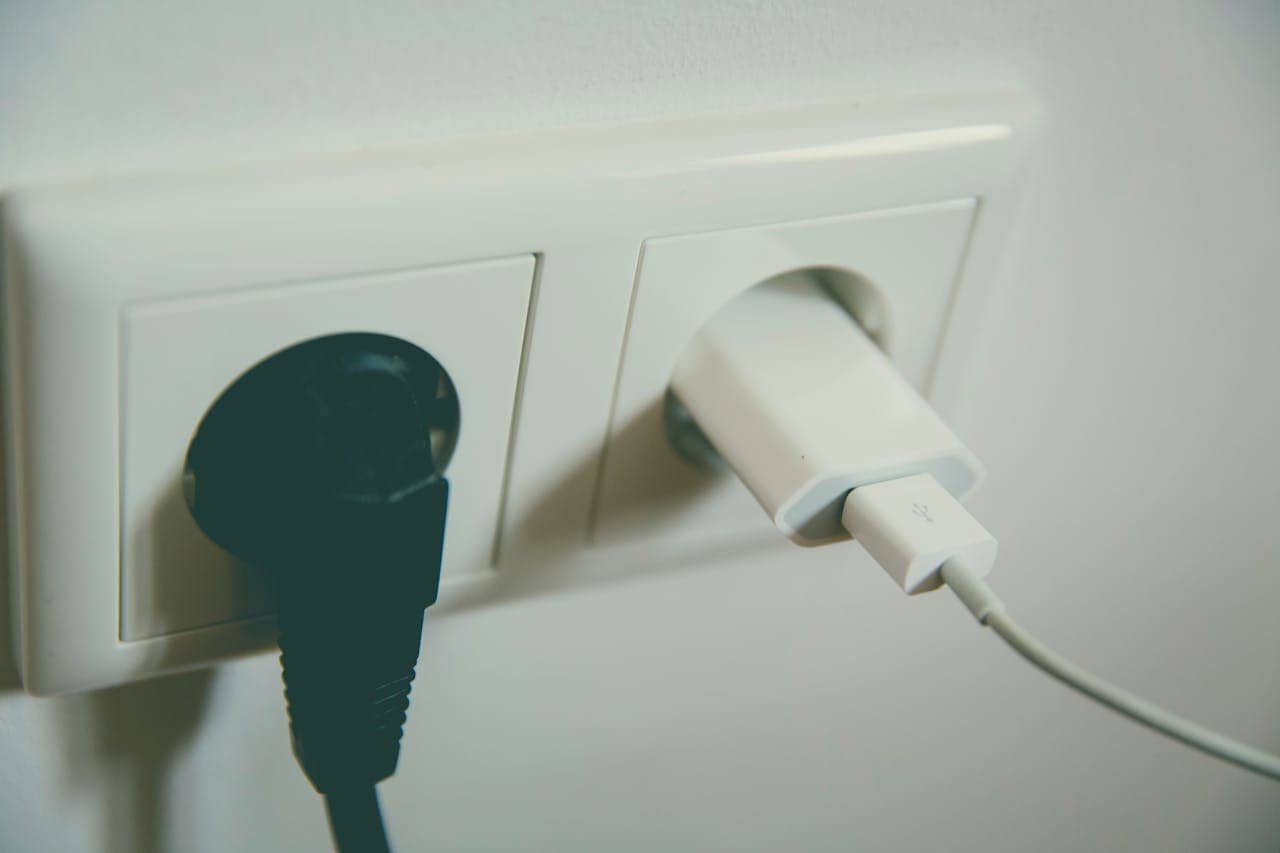
You might not realize it, but many devices use electricity even when they’re turned off. This is called phantom power or vampire energy.
Unplugging items like chargers, gaming consoles, and TVs can stop this small but constant energy drain.
Modern gadgets usually use less phantom power, but unplugging older electronics can still save you a bit on your electricity bill.
Running old refrigerators inefficiently
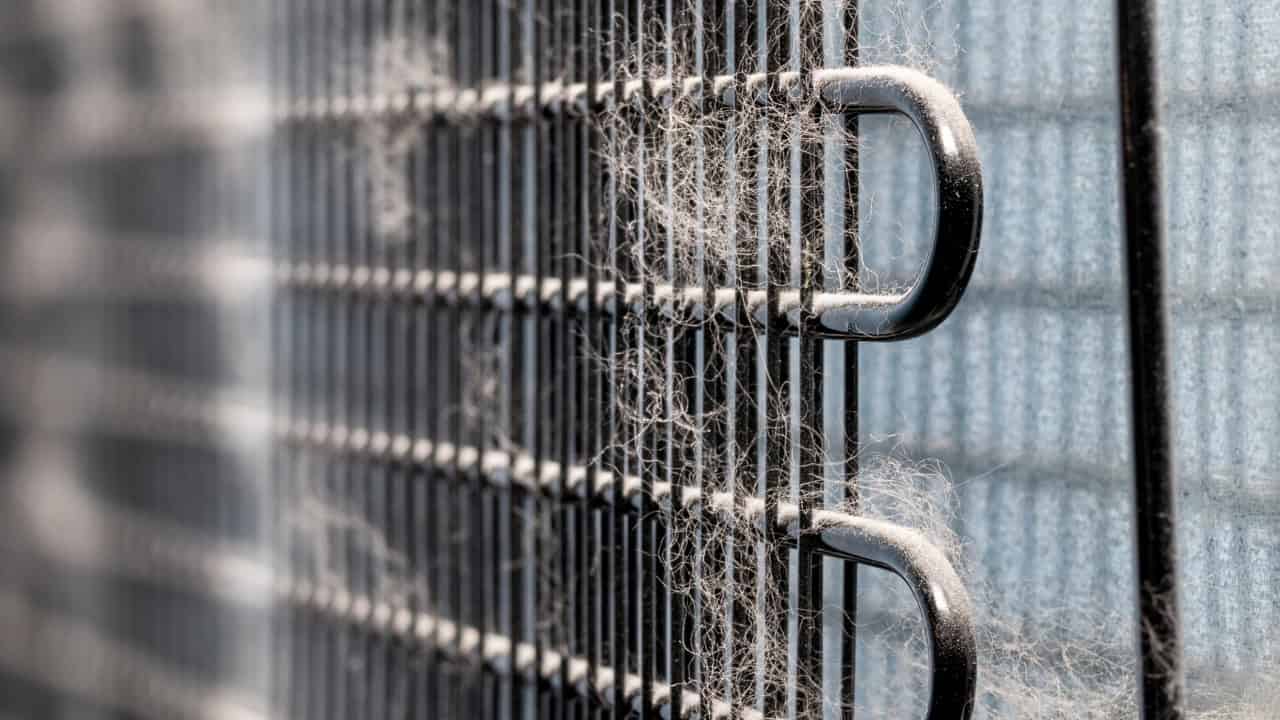
If your refrigerator is older, it may use more electricity than newer models. Running it constantly or overfilling it can make it work harder, increasing your bill.
Consider unplugging it occasionally if you don’t use it often, but replacing an old fridge with an energy-efficient model is usually a better option. This can save you money in the long run.
Using electric dryers excessively
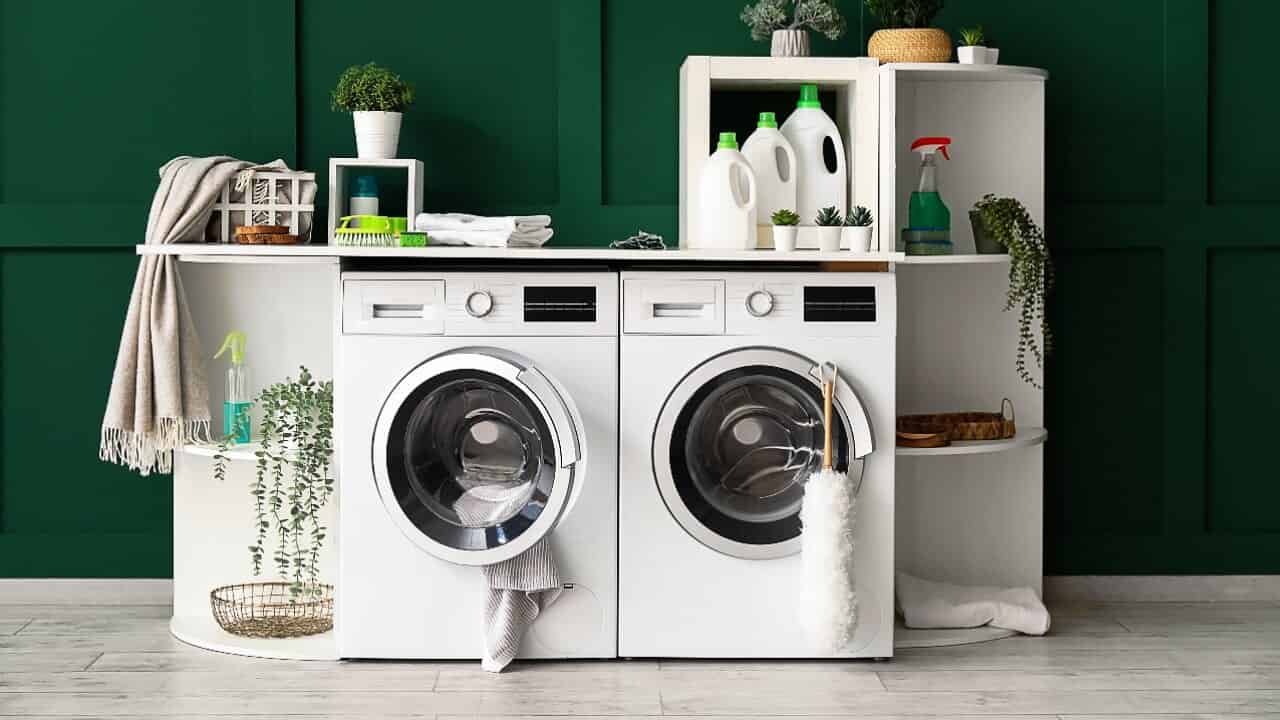
Using your electric dryer too often can raise your electricity bill more than you expect. Dryers use a lot of energy, especially if the lint filter is clogged or the machine isn’t maintained well.
Try hanging clothes to air dry when possible. It saves energy and helps lower your monthly costs without much extra effort.
Cranking up the air conditioning or heating
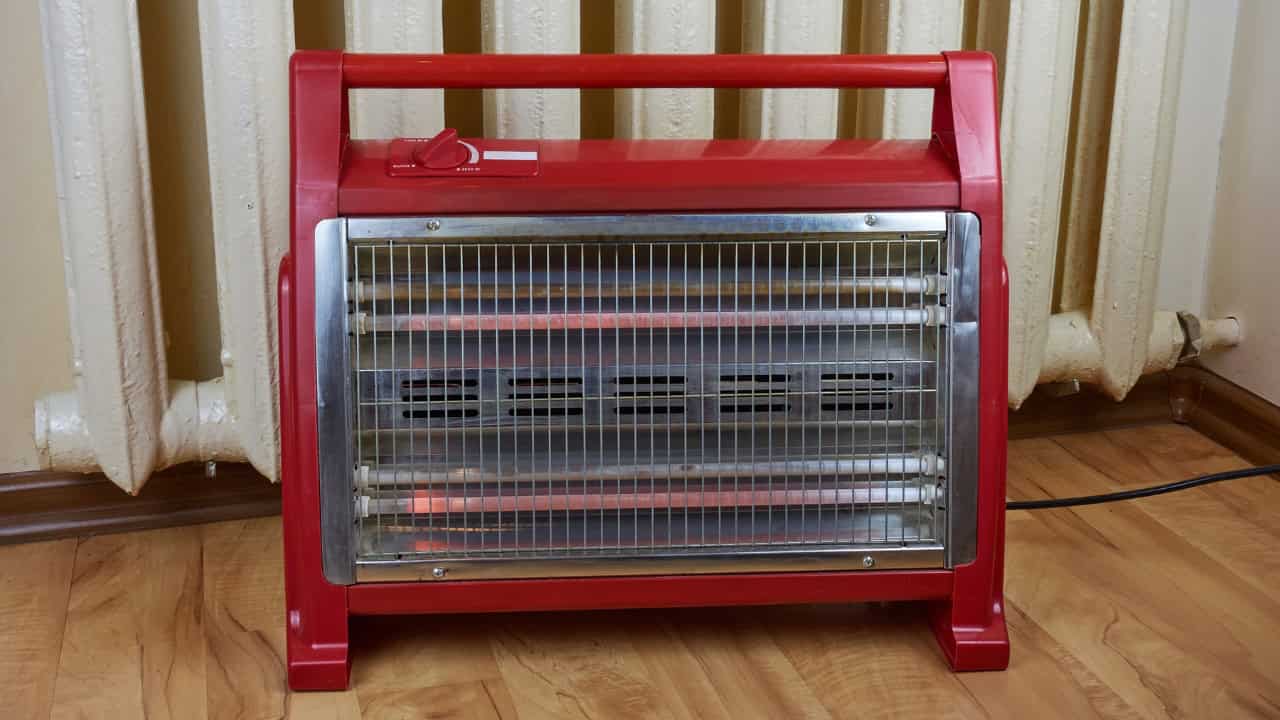
When you turn your AC or heating way up, it forces your system to work harder and uses more energy.
Keeping your thermostat at a moderate, consistent temperature can help lower your electric bill.
Try adjusting your thermostat by a few degrees instead of blasting it full blast. Small changes can make a difference over time.
Not changing HVAC filters regularly
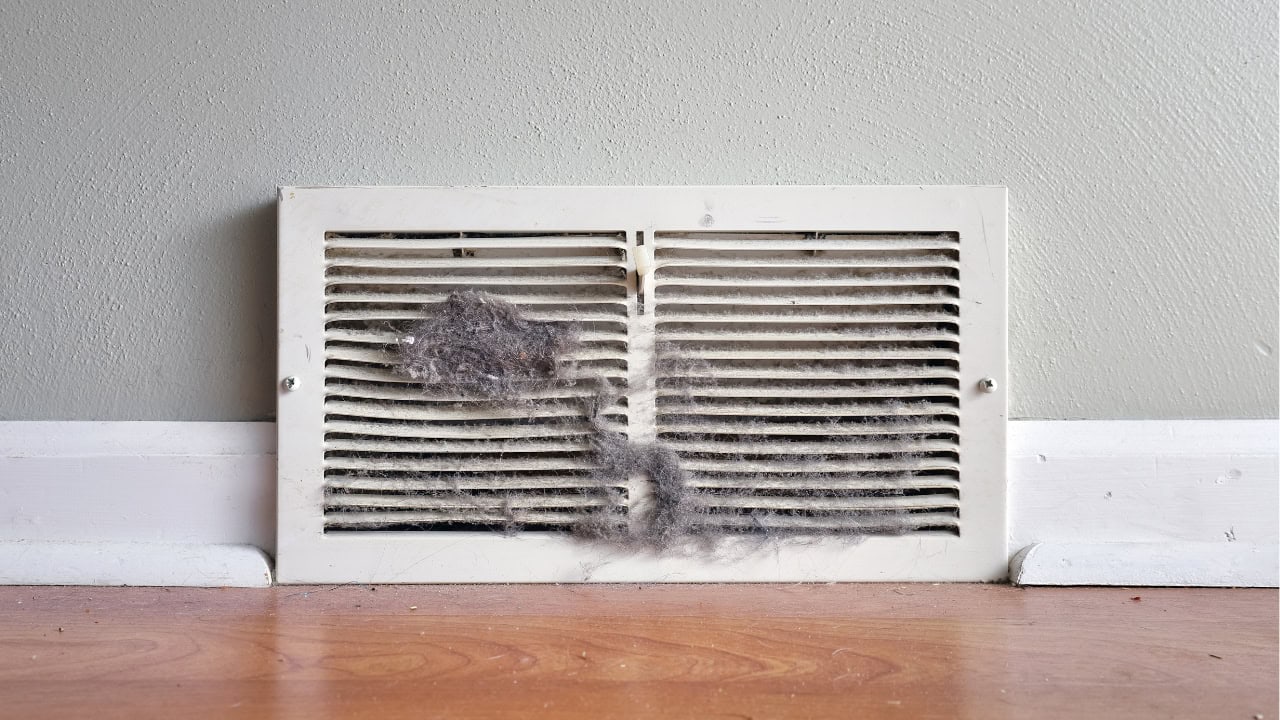
When you don’t change your HVAC filters often, they get clogged with dust and debris. This makes your system work harder to push air through.
As a result, your energy consumption goes up, leading to higher electricity bills. Regular filter changes help your system run efficiently and keep costs down.
Closing air vents to unused rooms
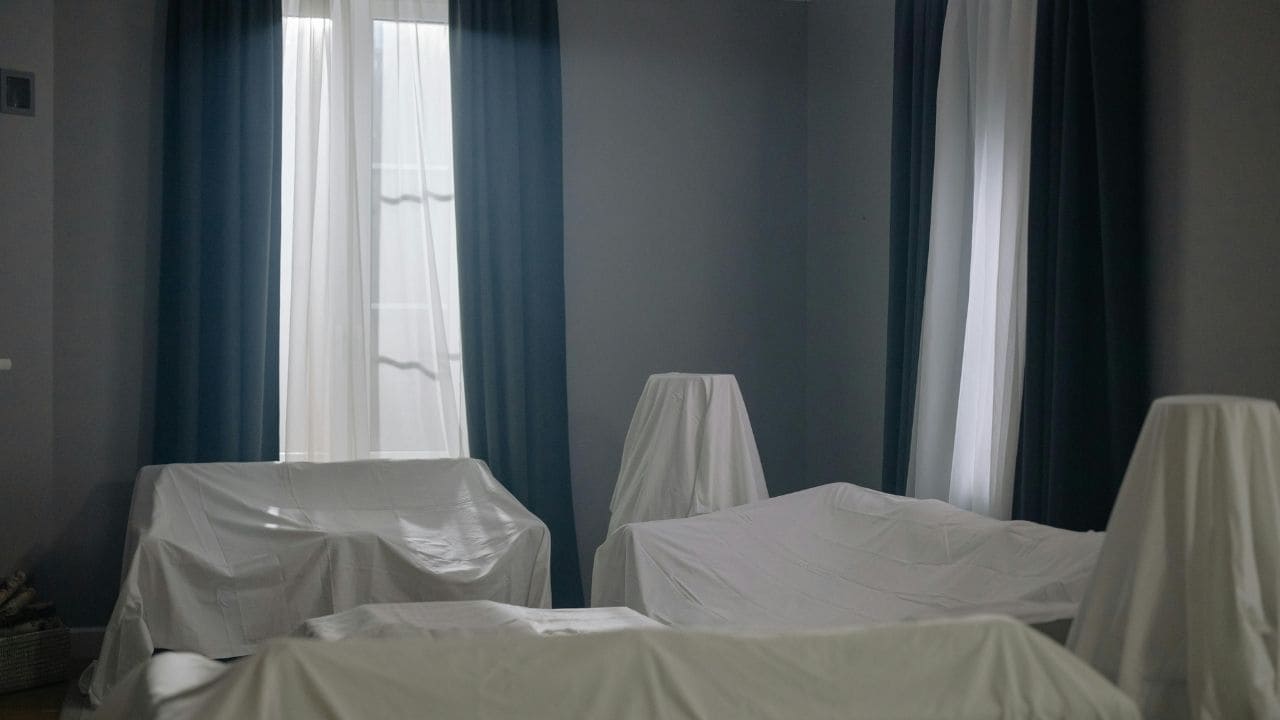
You might think closing vents in rooms you don’t use will save energy. However, that can increase pressure in your HVAC system.
This added pressure can lead to leaks or make your system work harder. Instead of lowering your bill, it might cause more energy use and wear on your equipment.
It’s best to keep vents open and look for other ways to save energy.
Leaving windows open while heating or cooling

Leaving windows open when your heating or cooling system is running lets warm or cool air escape. This makes your system work harder to maintain the temperature, which can raise your electricity bill.
Even a small draft can reduce your HVAC’s efficiency. Closing windows while the system is on helps keep your home comfortable and your energy use lower.
Using electric heat drying cycles in dishwashers
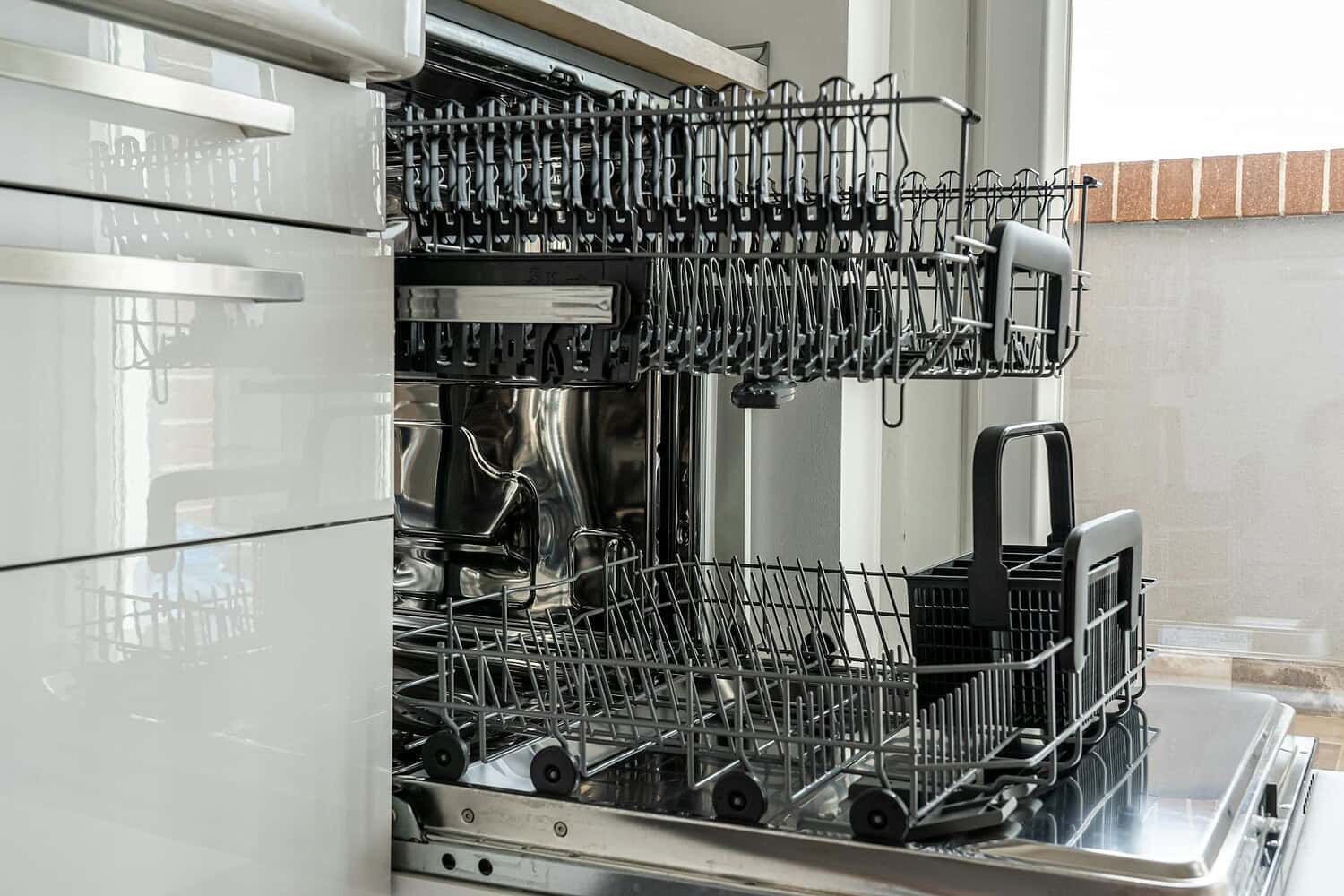
You can save electricity by skipping the heat drying cycle on your dishwasher. This cycle uses extra energy to warm up the dishes after washing.
Instead, open the dishwasher door after the wash ends and let your dishes air dry. This simple change can reduce your electricity use without affecting cleanliness.
Keeping clutter around furnace and air vents
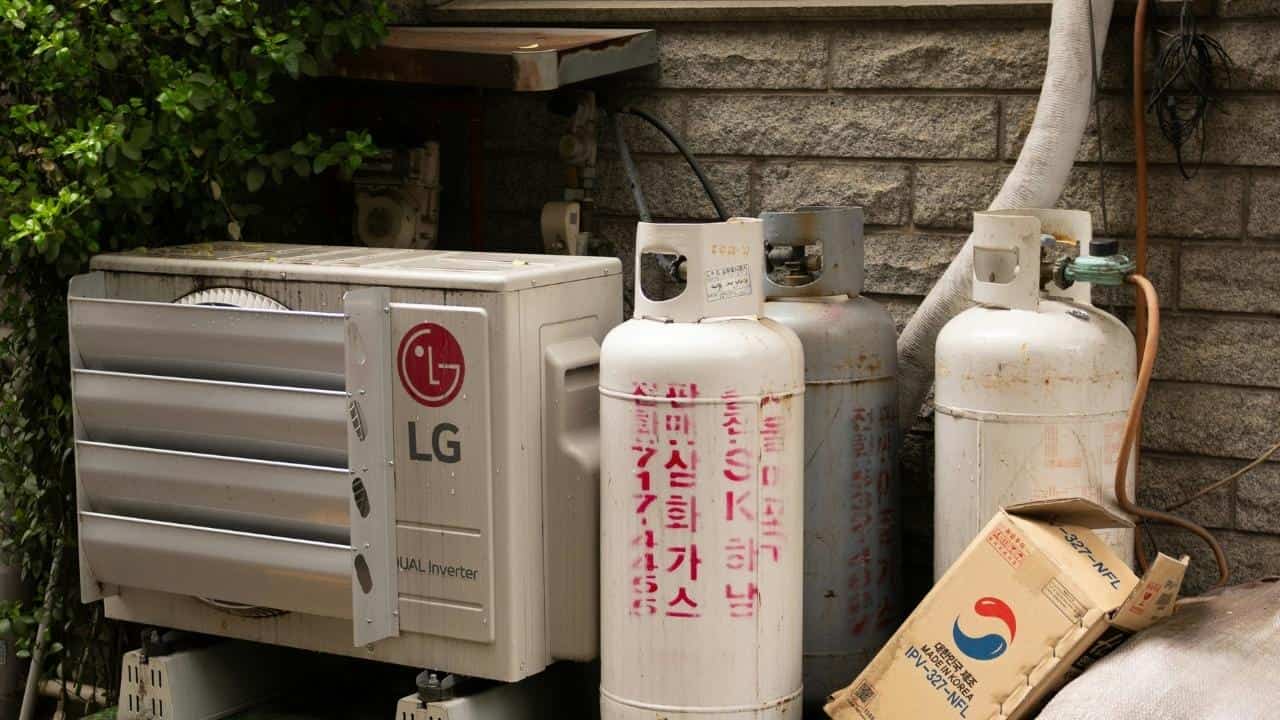
You should keep the area around your furnace clear of clutter. Items like cardboard, wood, or cleaning supplies can block airflow and force your system to work harder.
Clutter near air vents also reduces efficiency. Make sure nothing is covering or blocking vents to help your HVAC distribute air evenly throughout your home.
Overloading power strips with desktop computers
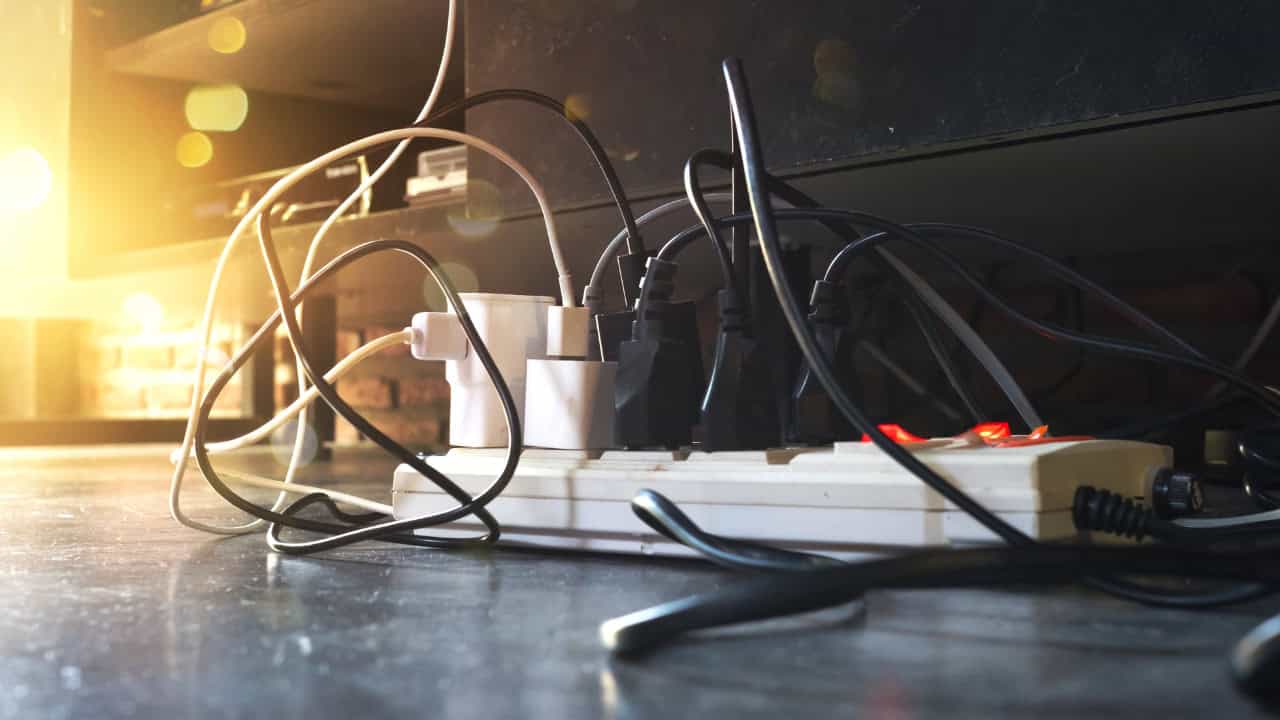
If you plug several desktop computers into one power strip, you risk overloading it. This can cause the power strip to overheat and may damage your equipment. It also increases the chance of tripping your circuit breaker.
Using too many devices on one strip doesn’t save you much electricity. Instead, distribute devices across multiple outlets or use surge protectors designed for higher loads. This keeps your setup safer and more efficient.