If you’ve ever browsed a gourmet food store or fine dining menu, you might have noticed some ingredients that come with sky-high price tags. It can be tempting to think that the more expensive something is, the better it must taste. In reality, many of these gourmet ingredients are overpriced and fail to live up to the hype.
In this article, you’ll explore ten gourmet ingredients that often leave you wondering if the cost really matches the experience. You might find that some of these culinary wonders are simply overrated, while others might surprise you with their true value. Get ready to uncover what’s worth the splurge and what you can skip next time you shop or dine out.
Advertisement
Truffle Oil

Truffle oil often gets a lot of hype, but you might want to think twice before splurging on it. Many chefs prefer using fresh truffles instead, as the oil can lose its delicate flavor over time.
When you pick a truffle oil, check if it’s truly infused with real truffles. Many products just use synthetic flavoring, which can be a letdown.
If you’re looking to elevate your dishes, consider using fresh truffles instead for a genuine taste experience.
Wagyu Beef
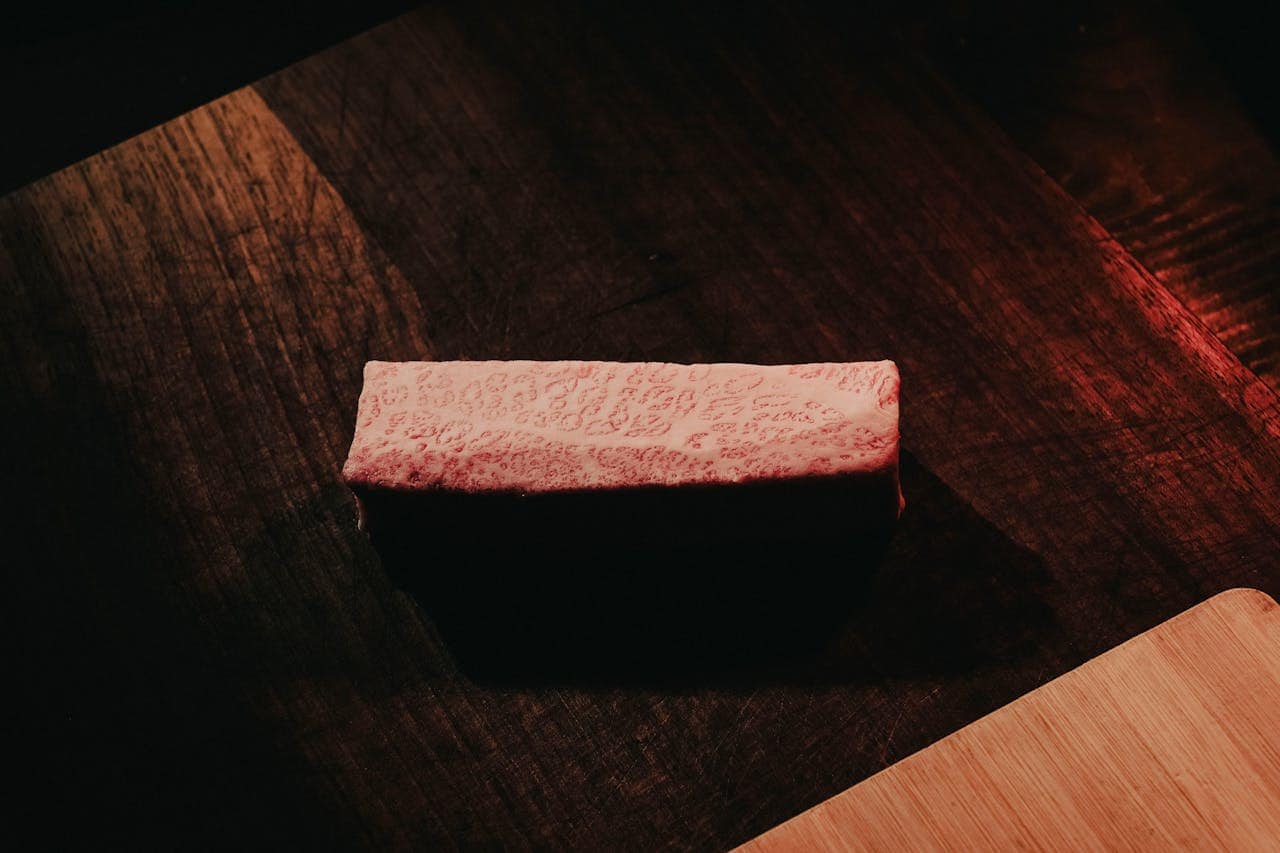
Wagyu beef is often praised for its tenderness and rich marbling. You might find it costing $200 per pound or more in some restaurants.
While many enjoy the unique flavor, some argue it’s just really fatty beef.
If you want a steak experience, you might not need to break the bank on what some consider an overpriced cut. Taste can be subjective, and it’s worth trying different options.
Gold Leaf
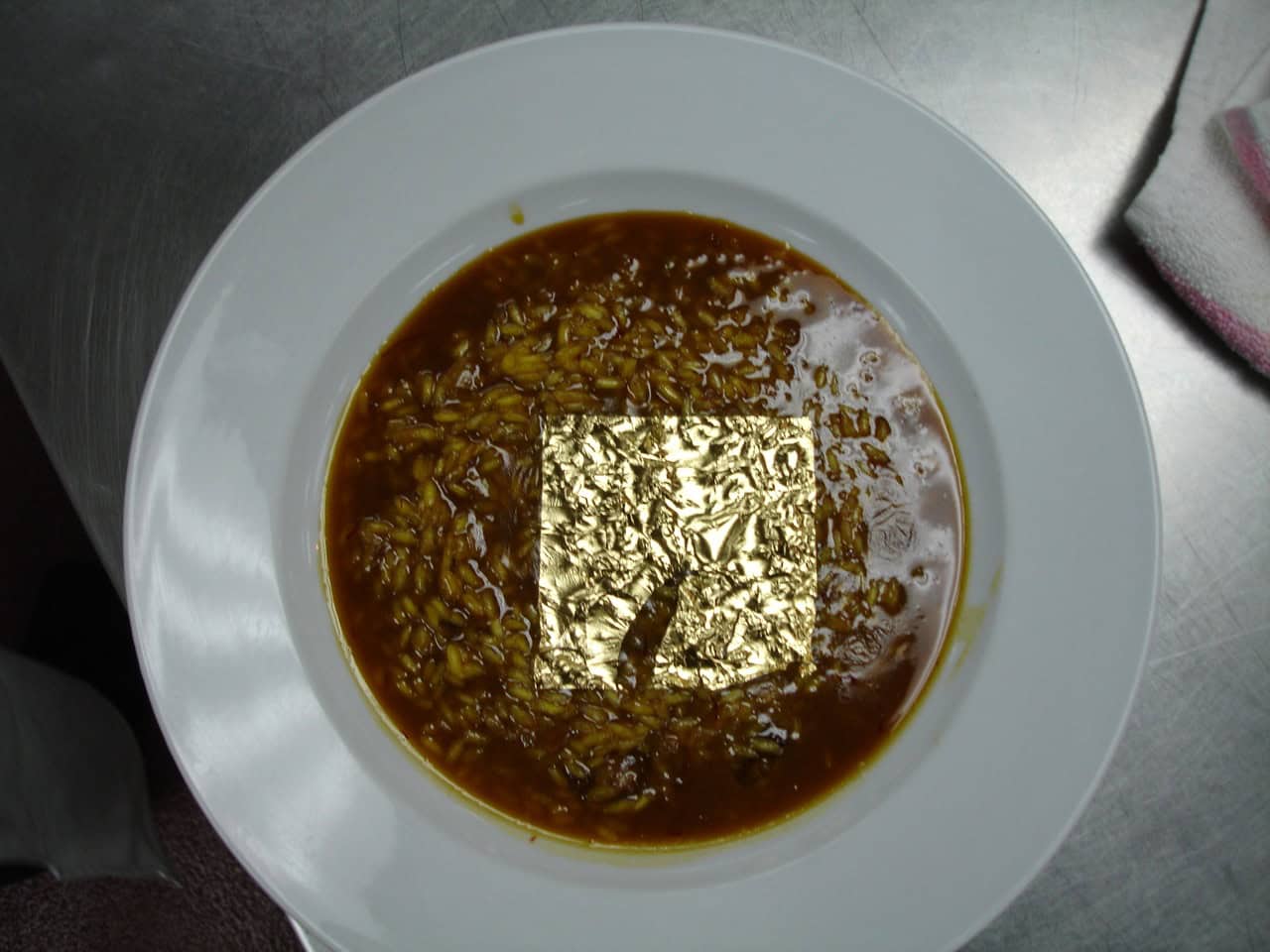
Gold leaf is often seen as the epitome of luxury in the culinary world. It’s literally gold, so you might think it adds value to your dish. In reality, it’s flavorless and offers no nutritional benefits.
People pay a premium just to have a bit of shiny gold on their food. Many find it underwhelming when the taste doesn’t match the price tag.
If you’re interested in the bling factor, go for it, but don’t expect it to enhance your eating experience. Sometimes, simple flavors matter more than golden garnishes.
Caviar

Caviar is often seen as the ultimate luxury food. It’s famous for its high price tag, with even a small serving costing over $100.
While it has a unique taste and texture, many feel it doesn’t live up to the hype. You might find that the flavor is subtle and can be overshadowed by other ingredients.
Plus, the obsession with caviar raises questions about its sustainability. If you’re curious, it might be better to try it just once and see if it’s worth the splurge.
Foie Gras
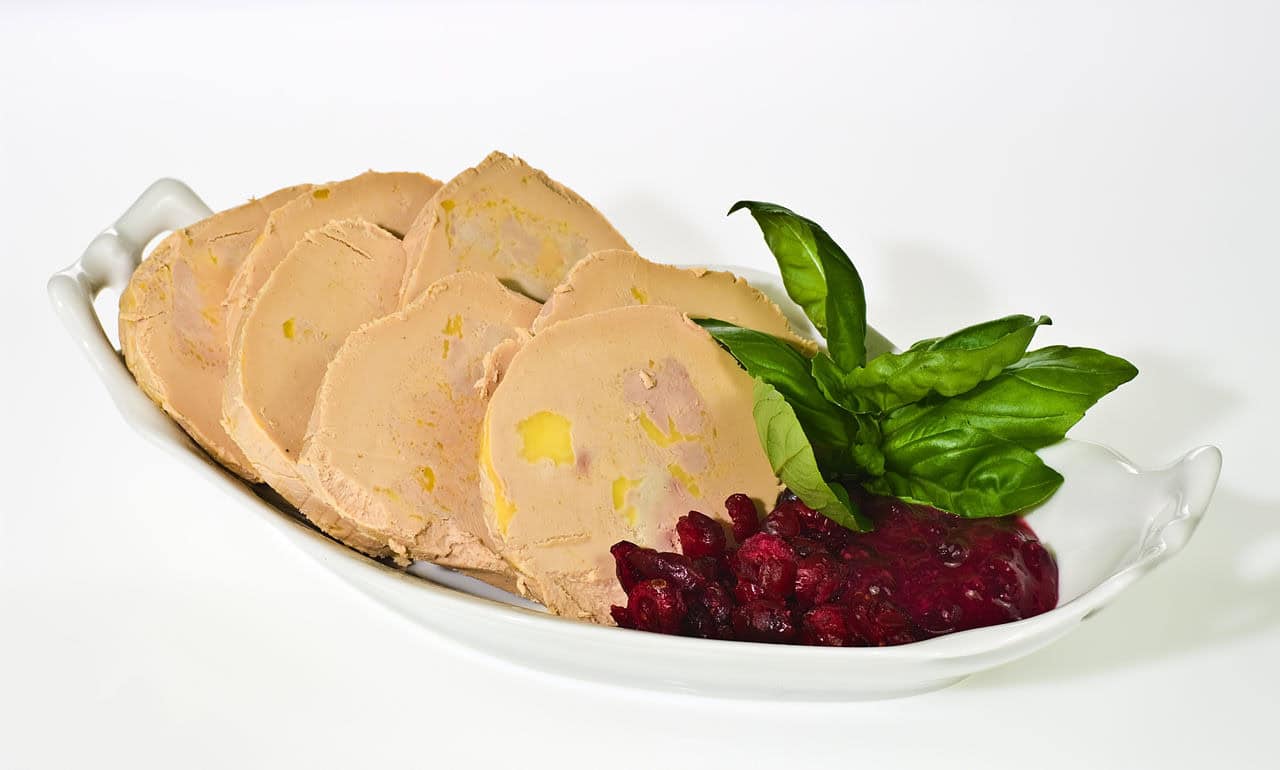
Foie gras is often seen as a luxury item on many menus. It’s made from the liver of ducks or geese that have been specially fattened. While some people love its rich, buttery flavor, others find it overrated for the price.
Your friends might rave about it, but you could get a similar taste experience from less expensive ingredients. Many foodies argue that foie gras is more about status than genuine flavor. If you’re curious, try it once, but don’t feel pressured to love it.
Saffron
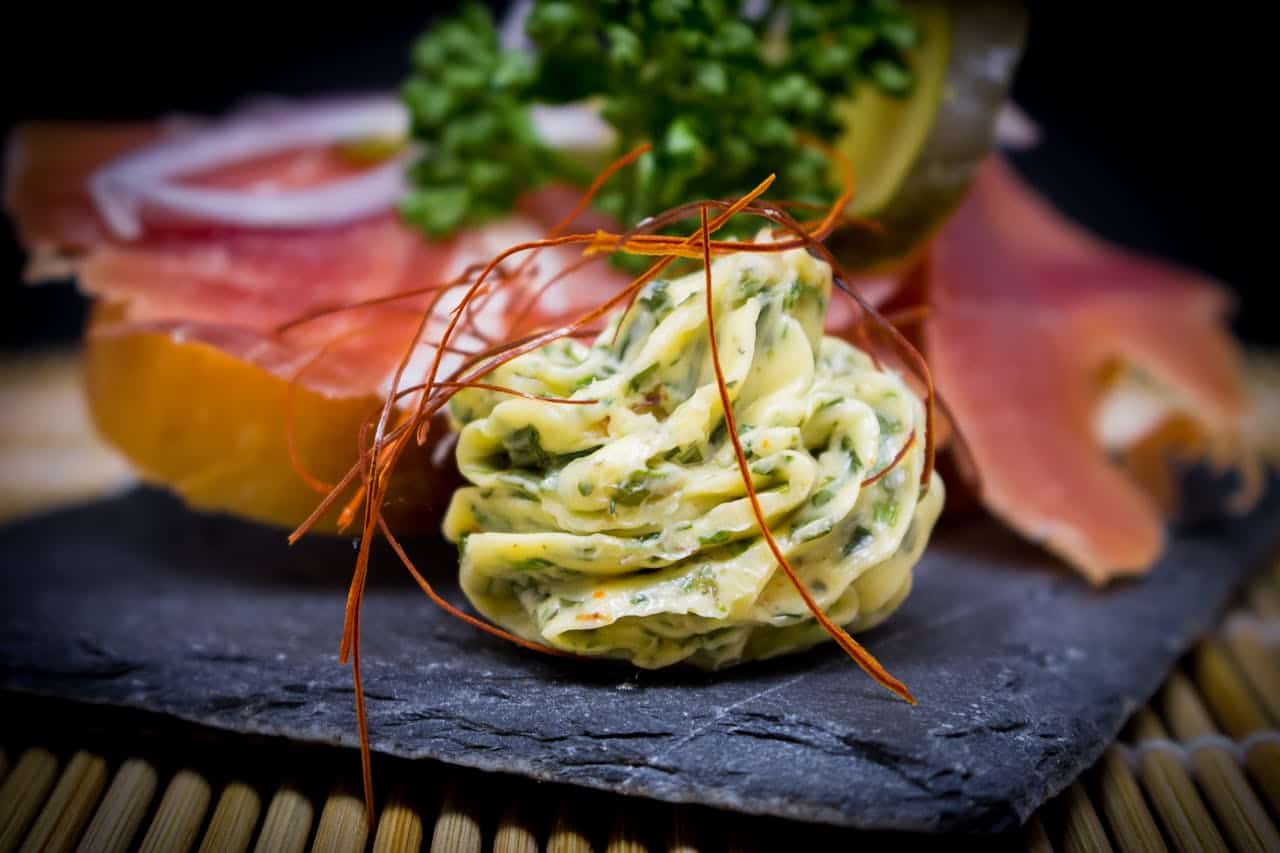
Saffron is known as one of the most expensive spices in the world. It’s often praised for its unique flavor and vibrant color.
However, its price tag can leave you wondering if it’s worth it. The harvesting process is labor-intensive, which contributes to the cost.
Many home cooks end up using it sparingly, making its high price feel a bit excessive. You can often achieve great results with other spices that don’t break the bank.
Bottled Water from Exotic Locations

You’ve probably seen bottled water that claims to come from some exotic, pristine location. These labels often tout purity and unique minerals, making you think you’re sipping on something special.
The reality is that most bottled water is just filtered tap water. Even those fancy brands you see might not be much different from what you get at home.
Paying a premium for these products can feel unnecessary. Sometimes, good old-fashioned tap water is just as refreshing and way more budget-friendly.
Microgreens

Microgreens are often hailed as trendy garnishes. You might notice them on many fancy dishes, but do they really add much value?
Many food enthusiasts feel that these tiny greens can be overpriced for what they offer. They often serve as a decorative element rather than a substantive addition to flavor.
While they pack some nutrients, the price tag can be hard to justify. You might find that conventional herbs provide better flavor without the hefty cost.
Artisan Salts
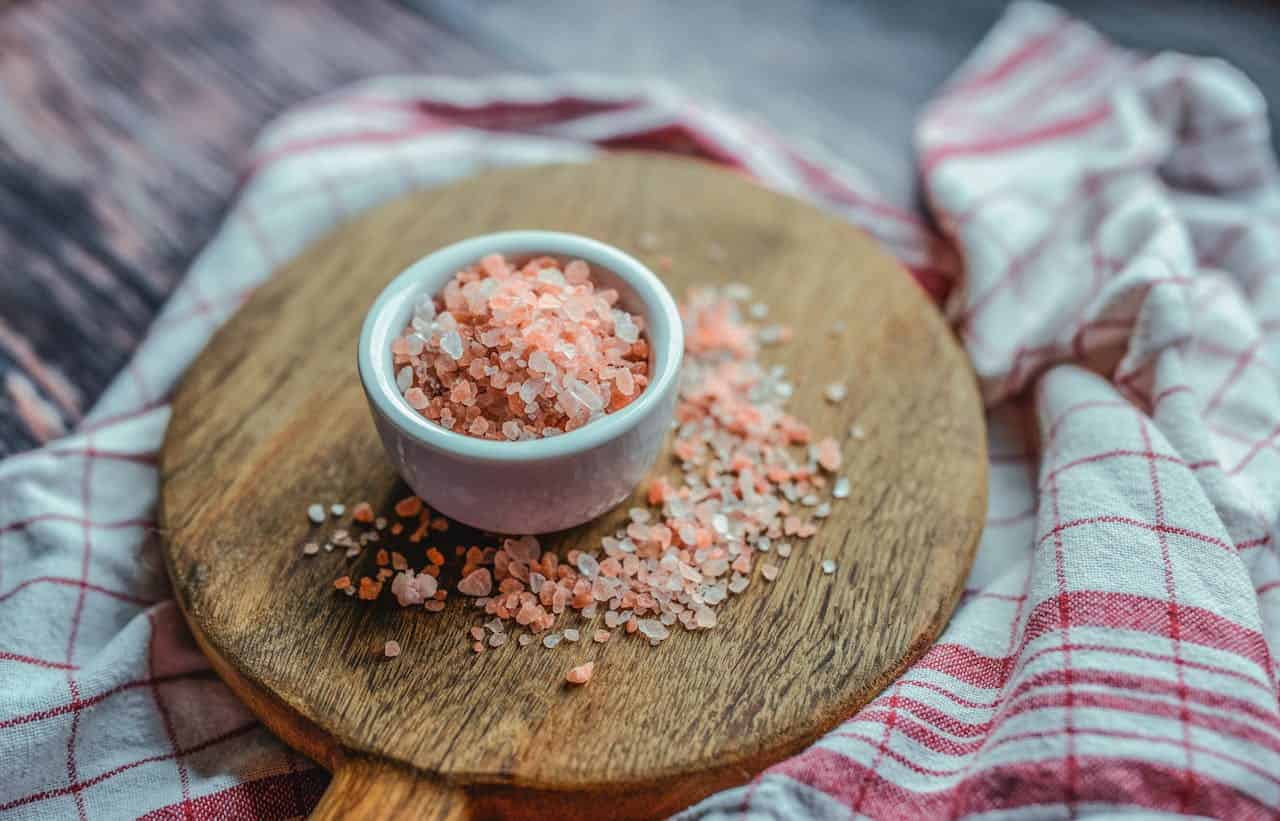
Artisan salts are often marketed as essential for gourmet cooking. These specialty salts come in fancy packaging and can carry a high price tag.
While a sprinkle of sea salt can enhance flavors, many artisan salts don’t offer a noticeable difference in taste.
You might find yourself paying a premium for a grain of salt that’s not much better than your standard table salt.
In the end, your regular salt can do the job just fine without emptying your wallet.
Shark Fin Soup
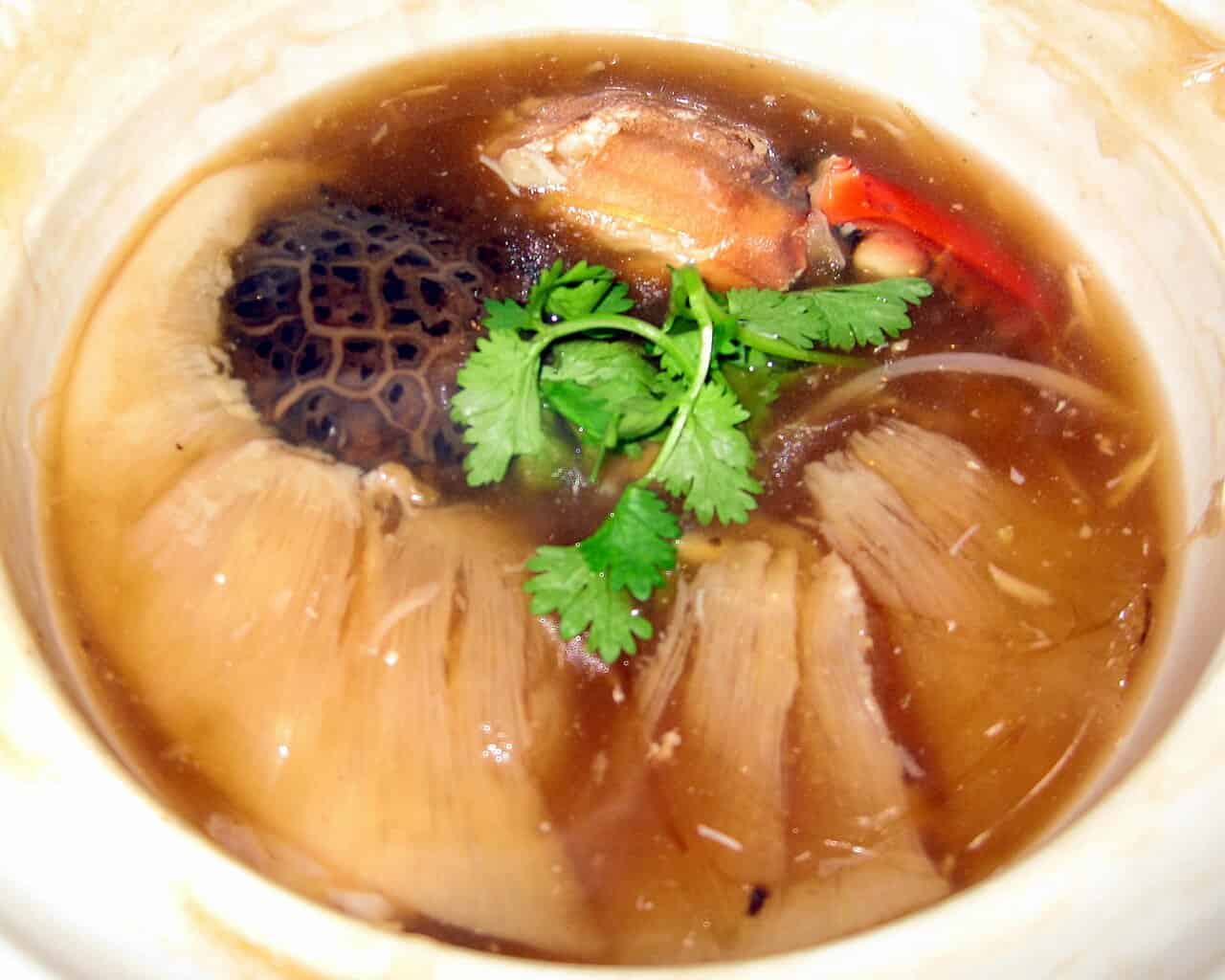
Shark fin soup is a dish that often gets a lot of attention, but not always for the right reasons. It’s considered a delicacy in some cultures, usually served at special occasions.
The main issue is the method of obtaining shark fins, which raises serious environmental and ethical concerns. Many sharks are overfished just for their fins, and the rest of the shark is often discarded.
You might want to think twice before ordering this dish. There are plenty of delicious alternatives that don’t come with such a heavy ecological price tag.