When you’re at the supermarket, it’s easy to get caught up in the allure of gourmet foods. They can seem like a lavish treat, but not all high-priced items are worth the extra cash. Knowing which gourmet foods to skip can save you money without sacrificing quality in your meals.
Many supermarket shelves are lined with trendy ingredients that come with hefty price tags. While some might be worth the splurge, others are nothing more than a marketing gimmick. Understanding what these overpriced items are will help you make smarter choices on your next grocery run.
Advertisement
Truffle Oil

Truffle oil might sound fancy, but it often doesn’t deliver the flavor you’d expect from the price. Many products labeled as truffle oil use synthetic additives rather than real truffles.
You’re mainly paying for the name and the allure of luxury. While it can add a nice touch to some dishes, it often misses the mark. Real truffles offer a unique taste that’s hard to replicate, making the oil less worthwhile for your gourmet cooking.
Wagyu Beef

Wagyu beef is often seen as the pinnacle of luxury dining. While it’s undeniably tender and flavorful, many argue it’s not worth the hefty price tag.
You might find an 8 oz. Wagyu steak costing around $345, leading you to wonder if it’s truly a worthwhile splurge. Some people prefer cuts like Aberdeen Angus for their robust flavor without the extreme cost.
Remember, while Wagyu can be a treat, it’s not for everyone. If you love rich, fatty meat, it might be for you. If not, there are plenty of delicious alternatives that won’t break the bank.
Gold Leaf
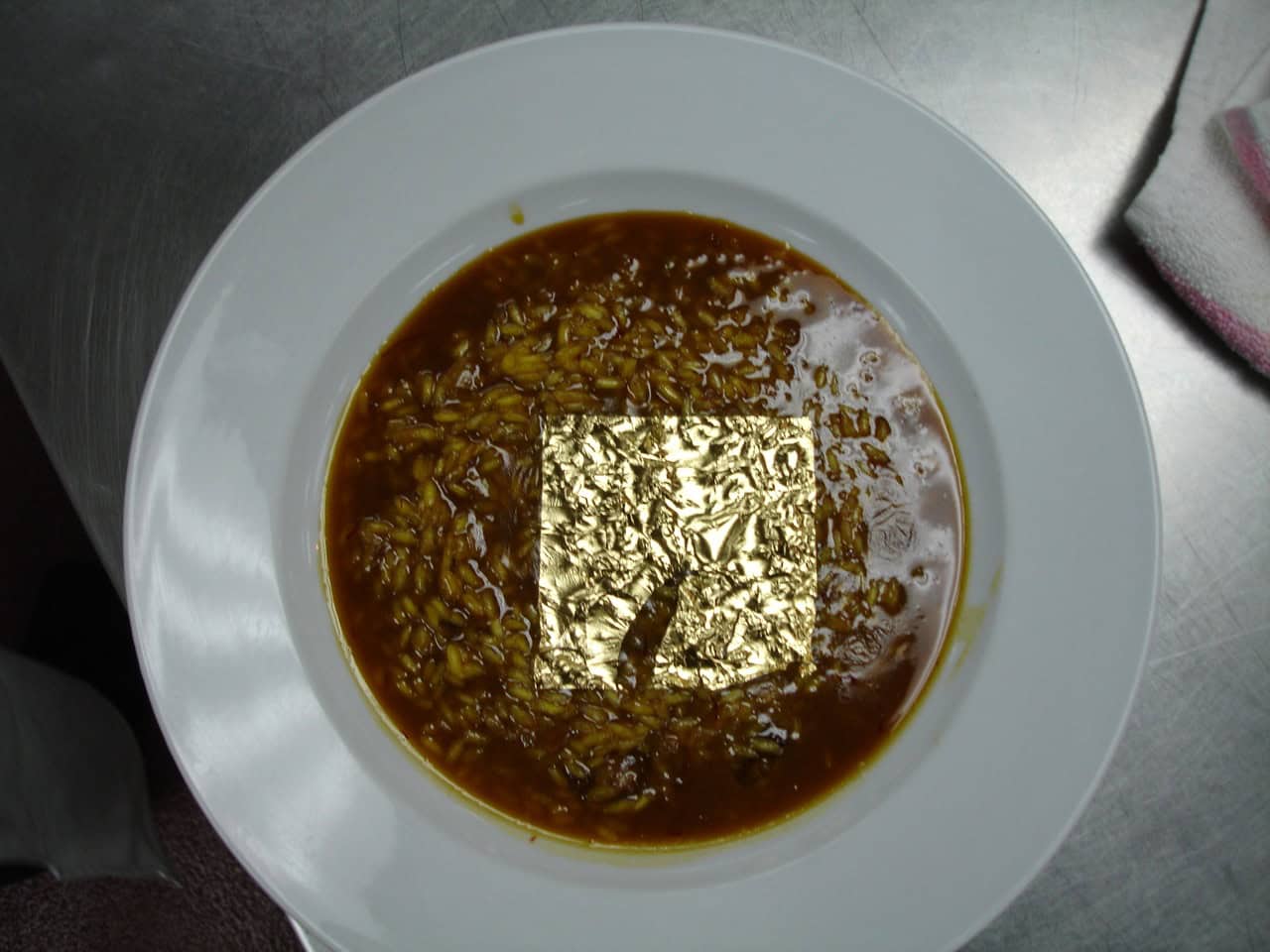
Gold leaf might look fancy, but don’t let its shiny appearance fool you. It adds zero flavor or nutritional value to your meals.
You might see it topping gourmet dishes in restaurants, but remember, it’s just for show. People often buy it thinking they’re indulging, but it’s mainly a way to flaunt wealth.
If you’re after a true taste sensation, skip the gold and focus on ingredients that actually enhance your dish.
Caviar

Caviar often sounds luxurious and sophisticated. However, spending big on it at the supermarket may not be worth it.
While it offers a unique taste, you might find that there are plenty of other foods that deliver just as much flavor for less money. Many people enjoy caviar, but the hype doesn’t always match the experience.
If you’re looking for a gourmet treat, consider more accessible alternatives that won’t break the bank.
Saffron
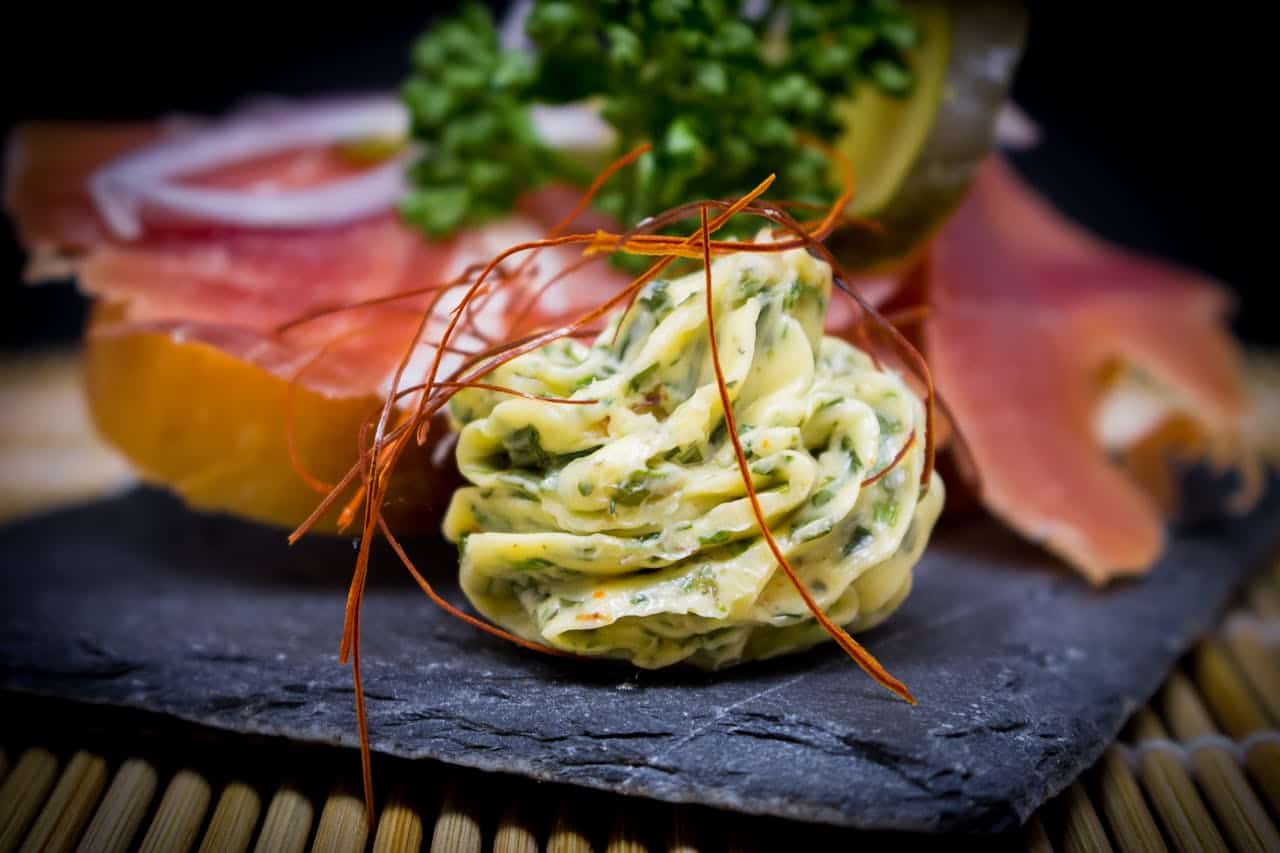
Saffron is known as the most expensive spice by weight, and for good reason. Just a few threads can add a unique flavor and beautiful color to your dishes.
However, you might find that its potency doesn’t justify the price. Many recipes only call for a tiny pinch, making that $14.99 jar last a long time.
If you’re just trying to elevate a dish, there are plenty of alternatives that won’t break the bank, like turmeric or smoked paprika. These can provide color and flavor without the hefty price tag.
Gourmet Salts
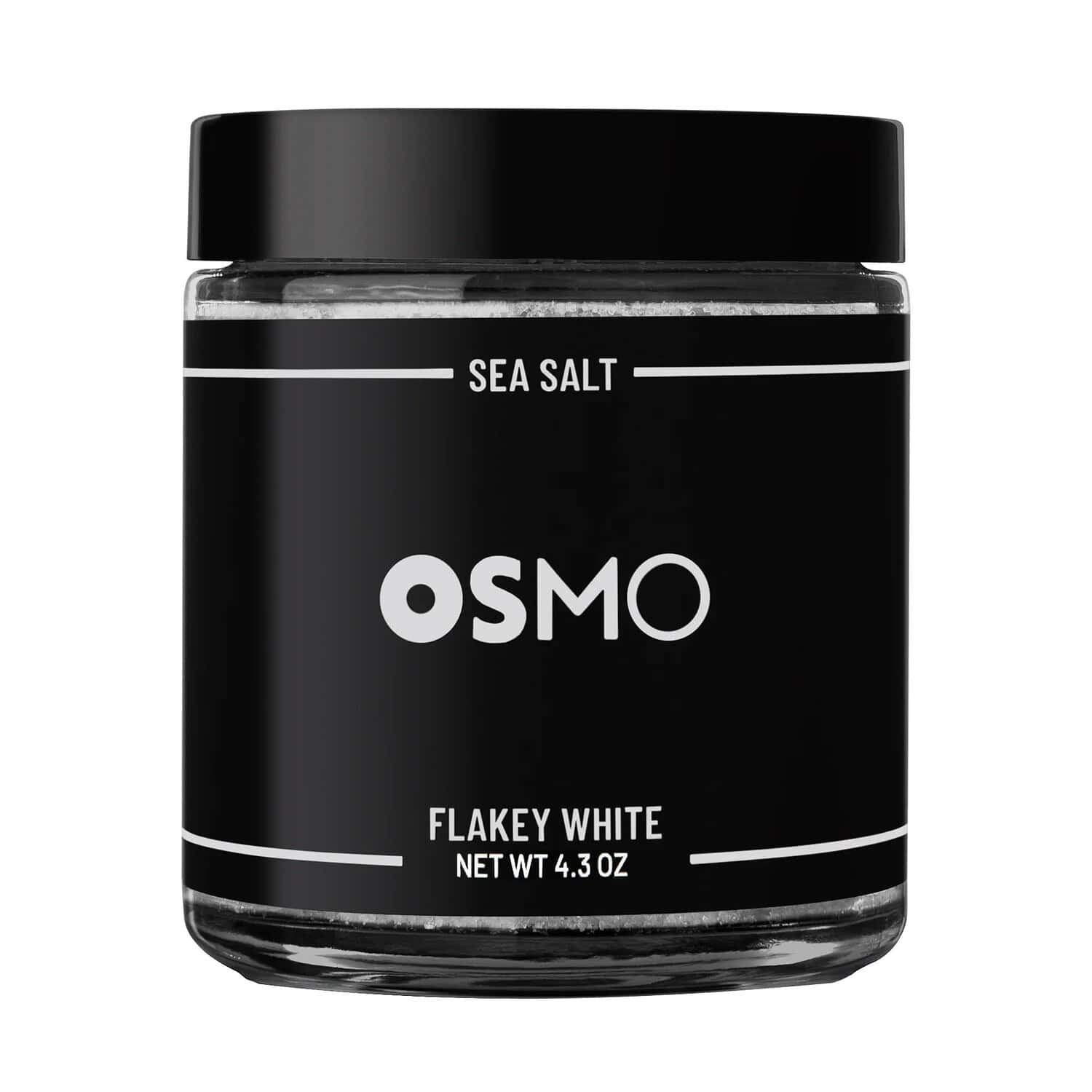
When it comes to gourmet salts, you might think they’re a must-have for your kitchen. The truth is, most people can’t tell the difference between gourmet varieties and regular table salt.
You might find yourself reaching for fancy sea salts or Himalayan pink salt, but they often come at a premium price. Regular kosher or sea salt will give you the same flavor boost without breaking the bank.
Save your cash for other gourmet ingredients that truly elevate your dishes. Stick to the basics for seasoning, and you’ll still create delicious meals.
Artisan Cheese

Artisan cheese often comes with a hefty price tag. While it can be delicious, the cost might not be justified for everyday use.
Many supermarket cheeses are made with similar techniques but at a fraction of the price. You might find that a well-aged cheddar or a simple mozzarella does the trick just fine.
If you’re tempted to splurge, consider if you’re really ready to pay for the brand or hype. In many cases, the flavor difference just isn’t worth the extra cost.
Bottled Water from Exotic Locations

Bottled water from exotic locations sure sounds fancy. However, it’s often just a marketing gimmick. Many of these brands simply filter tap water and charge a premium.
You might think you’re getting something special, but your regular tap water can be just as good, if not better. Plus, the environmental impact of all that plastic can’t be ignored.
Save your money for something you actually enjoy. Stick with tap or filtered water and skip the overpriced bottles.
Pre-Cut Fruits
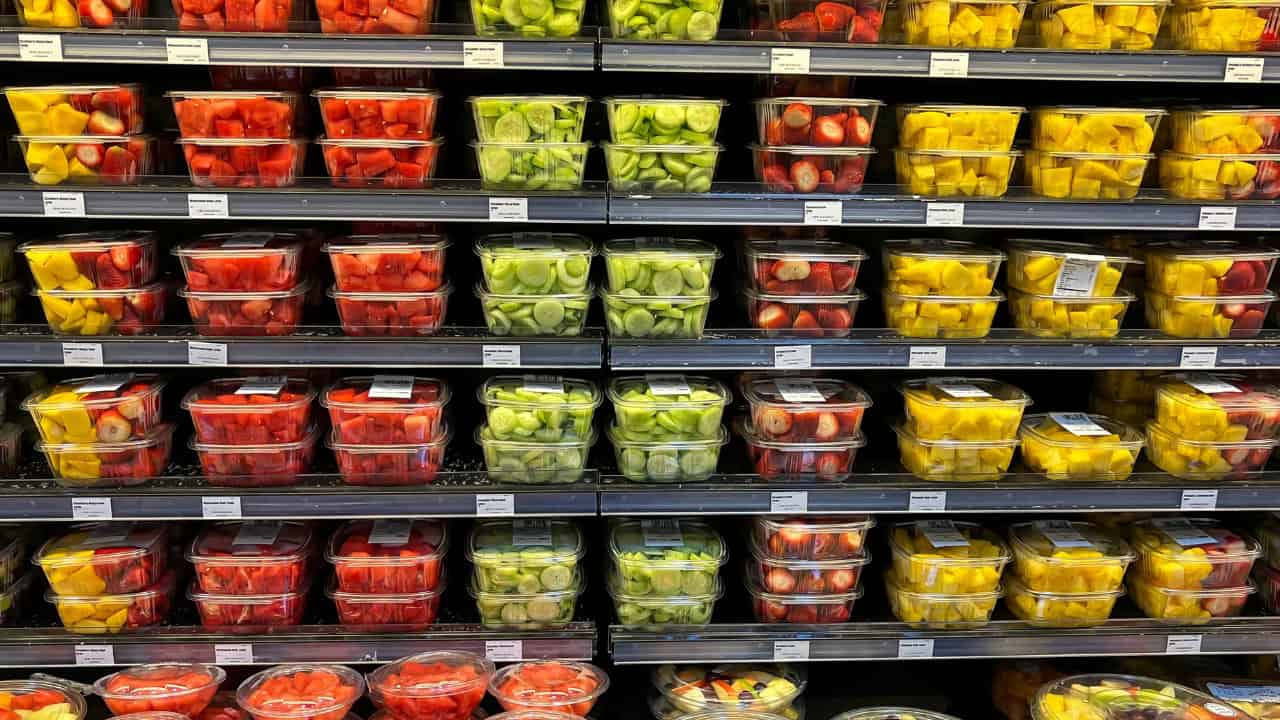
Pre-cut fruits might seem convenient, but they’re often not worth the extra cash. You pay a premium for the chopping and packaging, leaving your wallet a little lighter.
Plus, pre-cut items can spoil faster than whole fruits. By cutting fruits, their shelf life decreases, which isn’t great if you want them to last.
Chopping your fruits at home may take a bit more time, but you’ll save money and enjoy fresher, tastier options. Just grab a knife and get chopping!
Name-Brand Spices

When you hit the spice aisle, name-brand spices can catch your eye and your wallet. You might think you’re getting better quality, but that isn’t always the case. Generic brands often offer similar flavors for a fraction of the price.
Spices can lose potency over time, making freshness key. Many store brands source their spices from the same suppliers as the big names. So, saving money on generic options is usually a smart move for your kitchen.