Gardening trends come and go, but not all of them are helpful for your outdoor space. Some popular ideas might actually make your garden harder to maintain or less enjoyable.
Knowing which trends to avoid can save you time, money, and frustration. This article will help you spot the garden choices that may seem good at first but don’t work well in the long run.
Advertisement
Fake grass everywhere
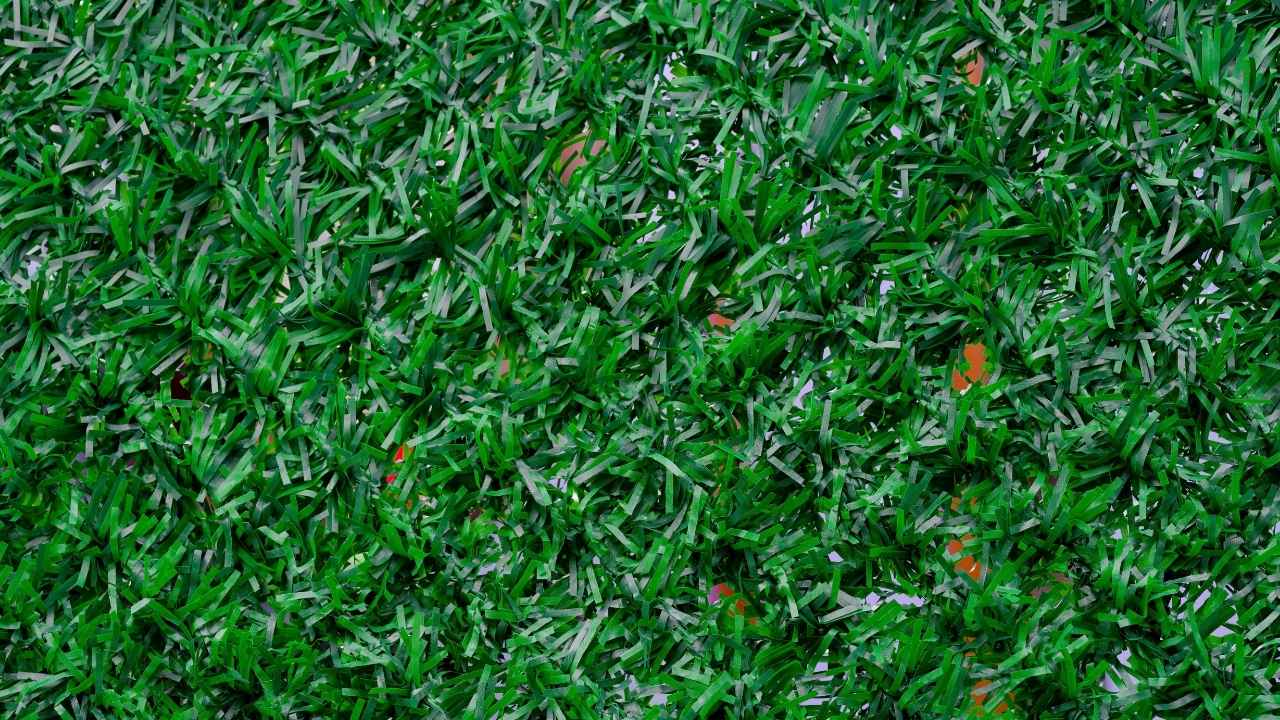
If you put fake grass in your garden, it might look neat at first. But it’s made from a lot of plastic, which isn’t great for the environment.
You might save time on watering and mowing, but fake grass can get hot and feel less natural. It doesn’t support bugs or soil health like real grass does.
So, before you cover your garden in fake grass, think about what you might be losing along the way.
Orange-stained decking

If your deck has an orange stain, it might not look great over time. This color can fade or peel quickly, especially if the stain isn’t made for outdoor use.
Sometimes, bad stain or poor UV protection causes the wood to break down faster. You might want to choose more natural or neutral colors for a longer-lasting deck.
Garden gnomes overload

You might think garden gnomes add charm, but too many can make your yard look cluttered. When gnomes take over, they distract from the natural beauty of your plants and flowers.
Having a few is fine, but an overload can feel kitschy or messy. Keep it simple to let your garden shine without the extra distractions.
Plastic rattan furniture

You might think plastic rattan furniture looks good and lasts long. It does resist sun damage and won’t fade quickly.
But it can feel cheap and sometimes cracks over time. Plus, it might not be the best for the environment since it’s made of plastic.
If you want furniture that feels nice and lasts, you might want to explore other materials instead.
Overly elaborate statuary
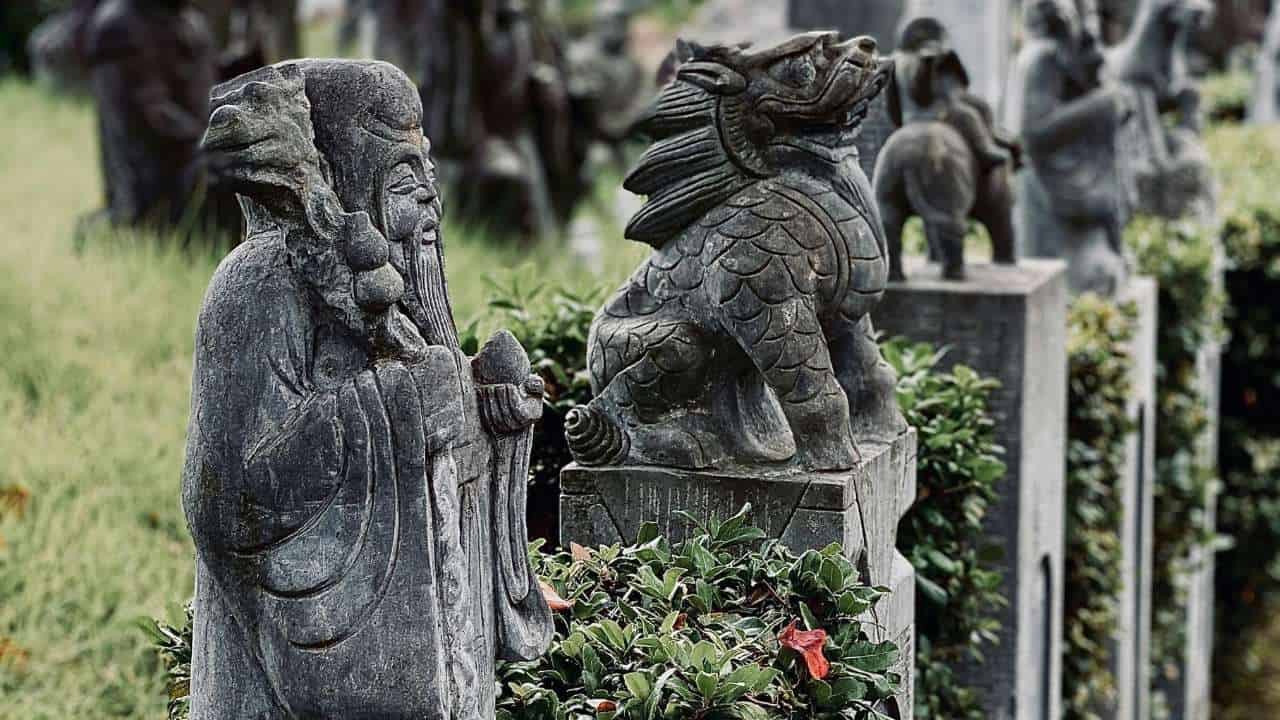
If you add too many fancy statues, your garden can feel crowded and busy.
Big, detailed sculptures might take attention away from your plants and flowers.
Simple, small decorations usually work better. They help your garden feel calm and natural instead of cluttered.
Paving over entire garden
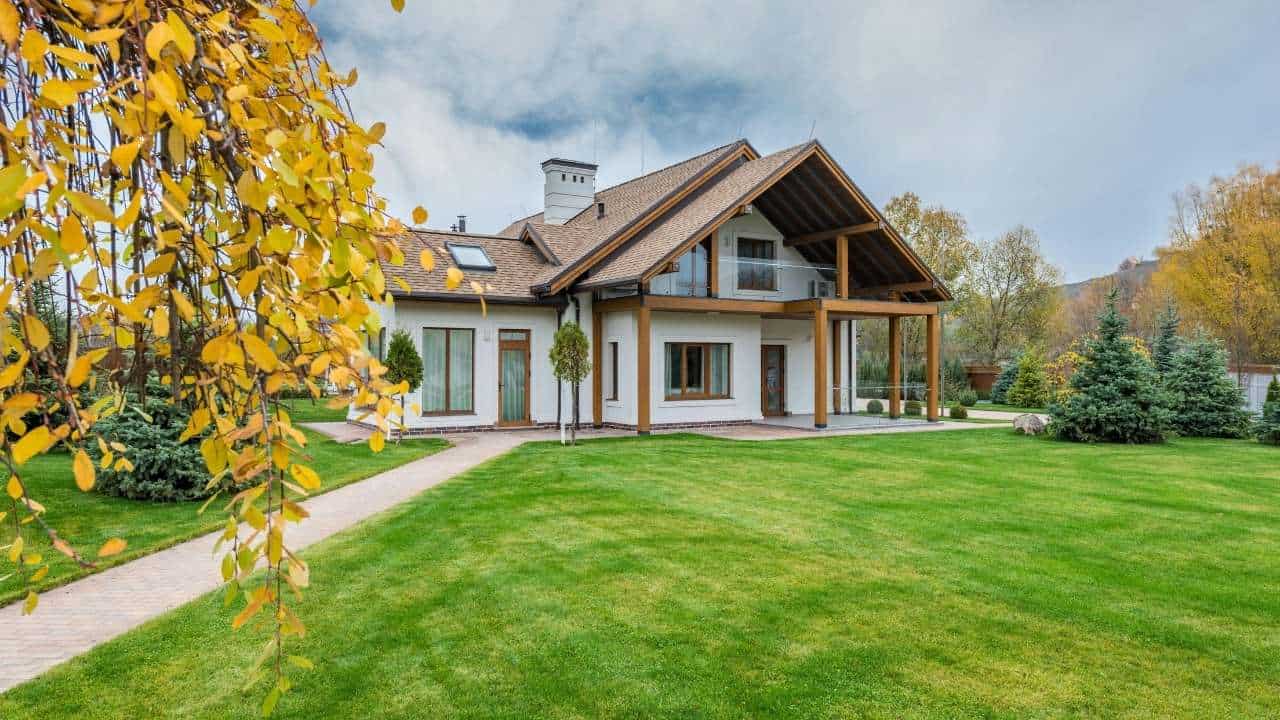
Paving your whole garden might seem low-maintenance, but it can kill the life in your yard.
You lose space for plants and animals, which makes your garden less green and lively.
Plus, rainwater won’t soak in properly, which can cause drainage problems.
Leaving some soil and plants helps keep your garden healthy and more fun to enjoy.
Using Epsom salt on all plants
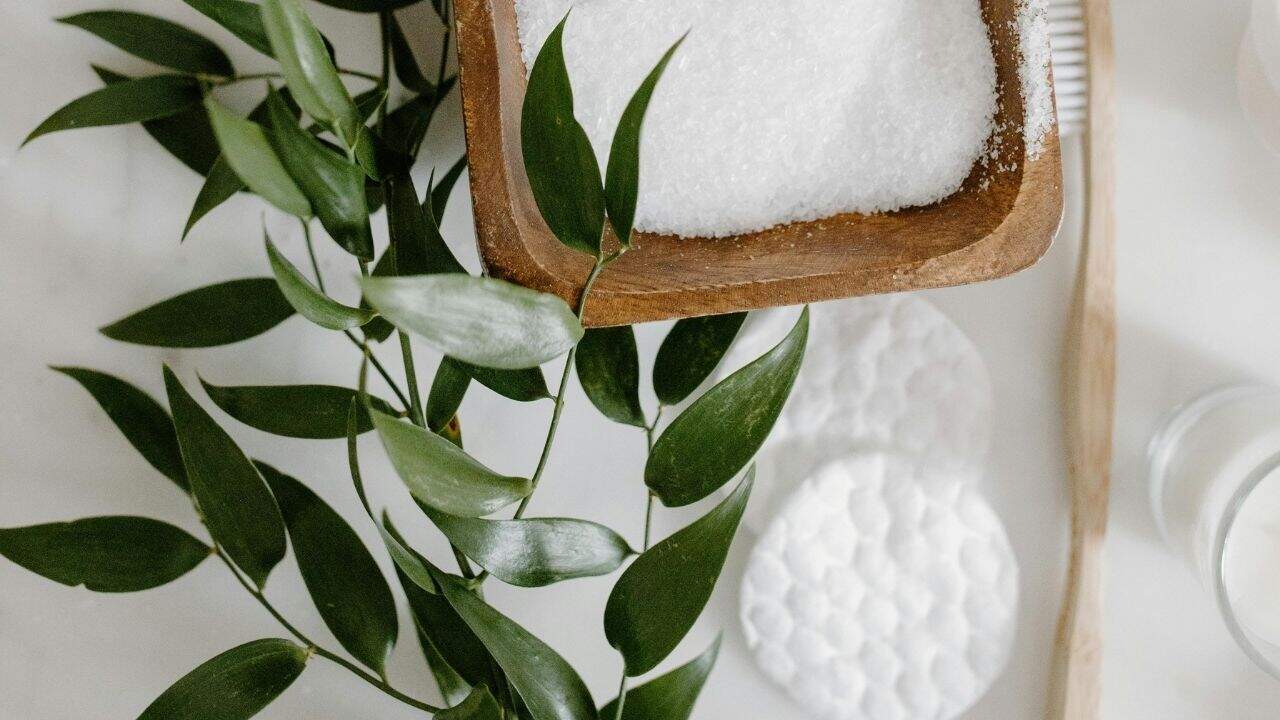
You might think Epsom salt helps every plant, but that’s not true. It only works if your soil actually needs magnesium.
If you add it when your soil is fine, it can cause problems. Too much Epsom salt can hurt your plants and mess up the soil balance.
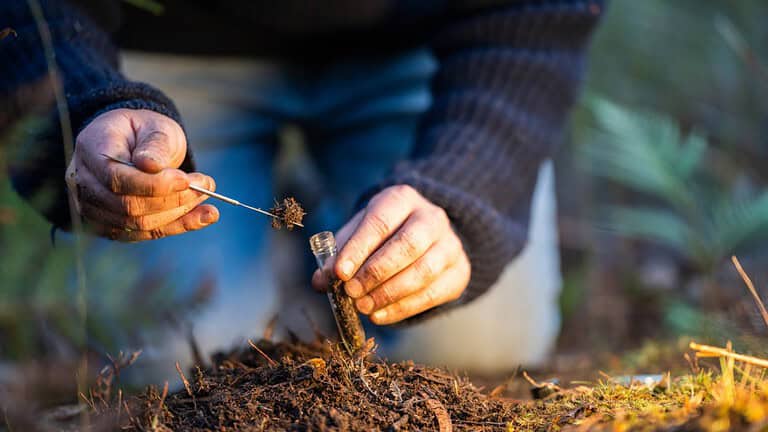
It’s better to test your soil first before using it. Don’t just use Epsom salt on everything you grow.
Hydrogen peroxide as cure-all

You might hear hydrogen peroxide can fix all your garden problems. While it can help with some fungal issues, it’s not a magic solution for everything.
Using too much can actually harm your plants. It can dry them out and kill good microbes that keep your soil healthy.
So, don’t rely on it too much. Use it carefully and only when needed.
Low-maintenance means ‘all concrete’
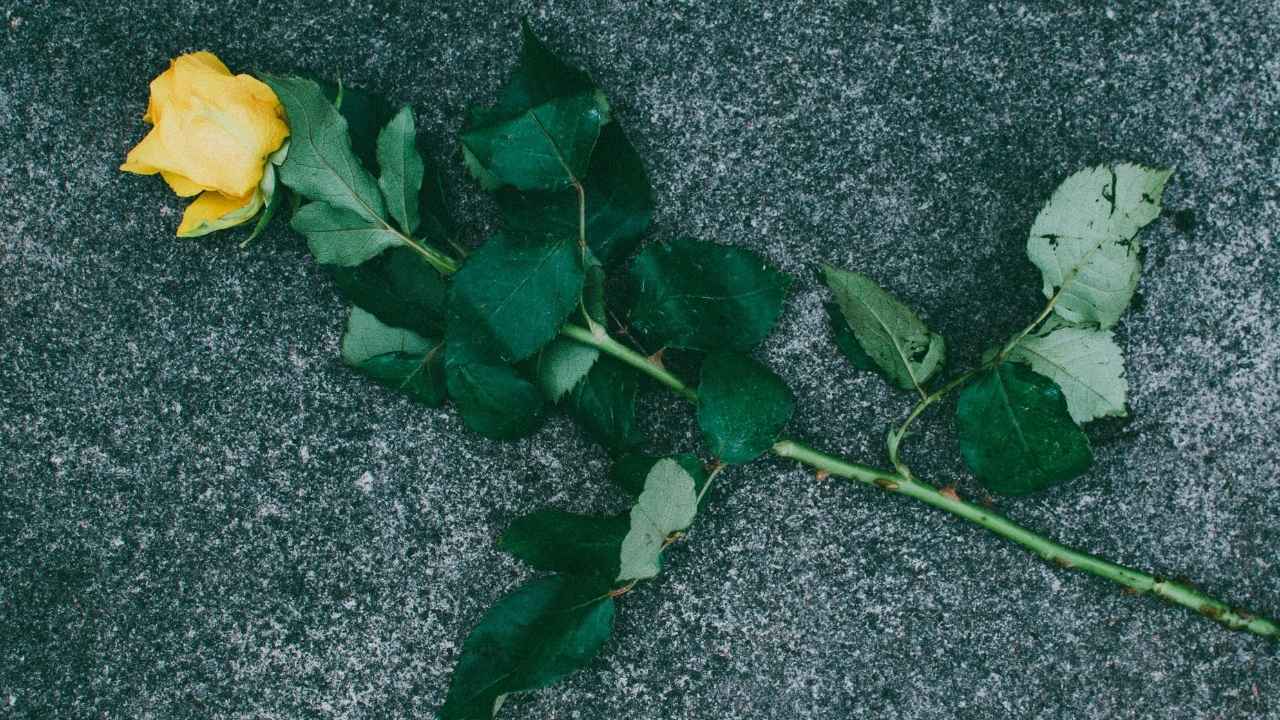
When you think low-maintenance, you might picture a yard covered in concrete or paving stones. It looks easy, but it can actually make your garden feel dull and lifeless.
Too much concrete means less space for plants, bugs, and birds. It also causes water runoff and can make your yard hotter in summer. Try to balance easy care with some green areas.
Too many shaped bushes
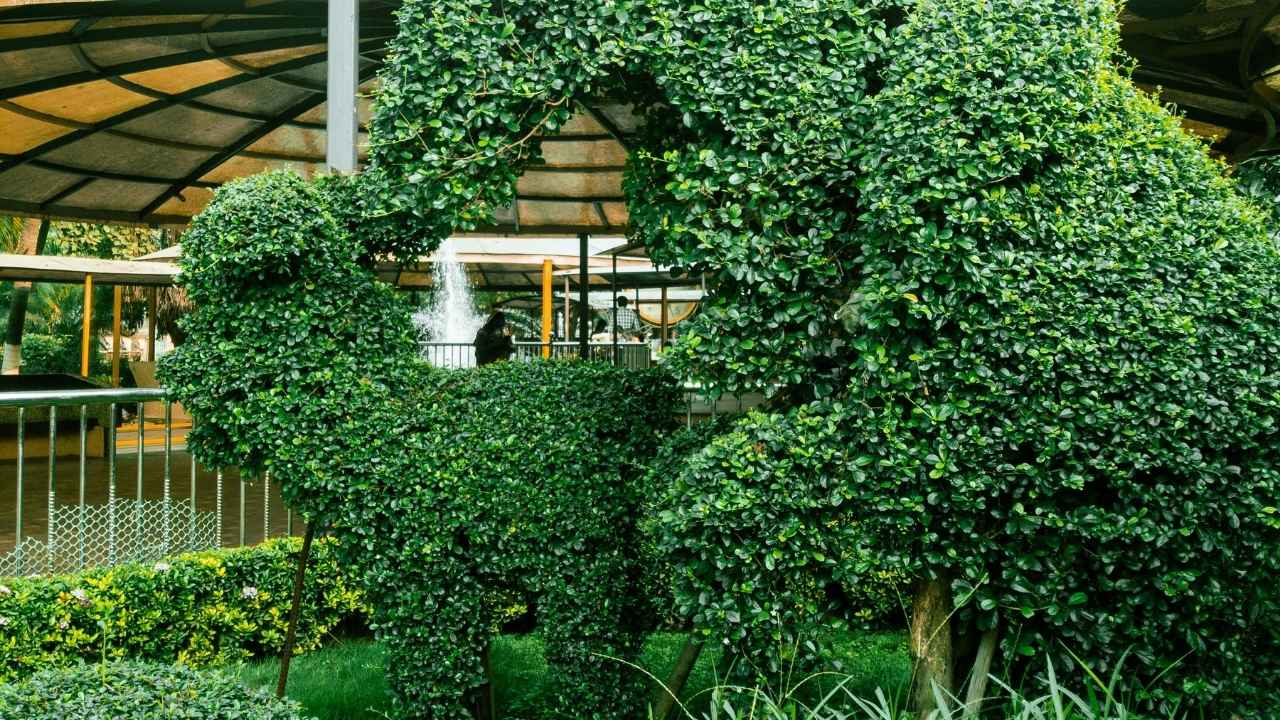
If you fill your garden with too many shaped bushes, it can feel stiff and unnatural. You want your space to feel relaxed, not like a formal maze.
Shaped bushes take a lot of time to maintain, and if you miss a trim, they quickly look messy. A few shaped plants can work, but don’t overdo it.