Spending time in the garden can be rewarding, but it can also take a lot of effort and hours out of your day. Finding smarter ways to work can help you enjoy your garden more without feeling overwhelmed by all the tasks.
These garden shortcuts will help you save hours by making your gardening routine more efficient and less time-consuming. With practical tips, you can spend less time on chores and more time enjoying the results of your hard work.
Advertisement
Grow from transplants to skip the seed-starting wait

If you want to save time, start with transplants instead of seeds. This way, you avoid waiting for germination and early growth stages.
Transplants give you a head start because the plants are already established. You can move them directly into your garden once conditions are right.
Buying or growing your own transplants lets you jump right to caring for young plants. This shortcut means you see garden progress faster without the initial patience needed for seeds.
Choose easy crops like lettuce and radishes

You can save time by picking crops that grow quickly and require less care. Lettuce and radishes are great choices because they mature fast, often within a month.
These veggies don’t need complicated soil prep or constant attention. Radishes are especially forgiving and can be sown almost anytime.
Growing easy crops like these means you’ll see results faster, keeping your garden productive without extra effort.
Plant perennials to reduce replanting
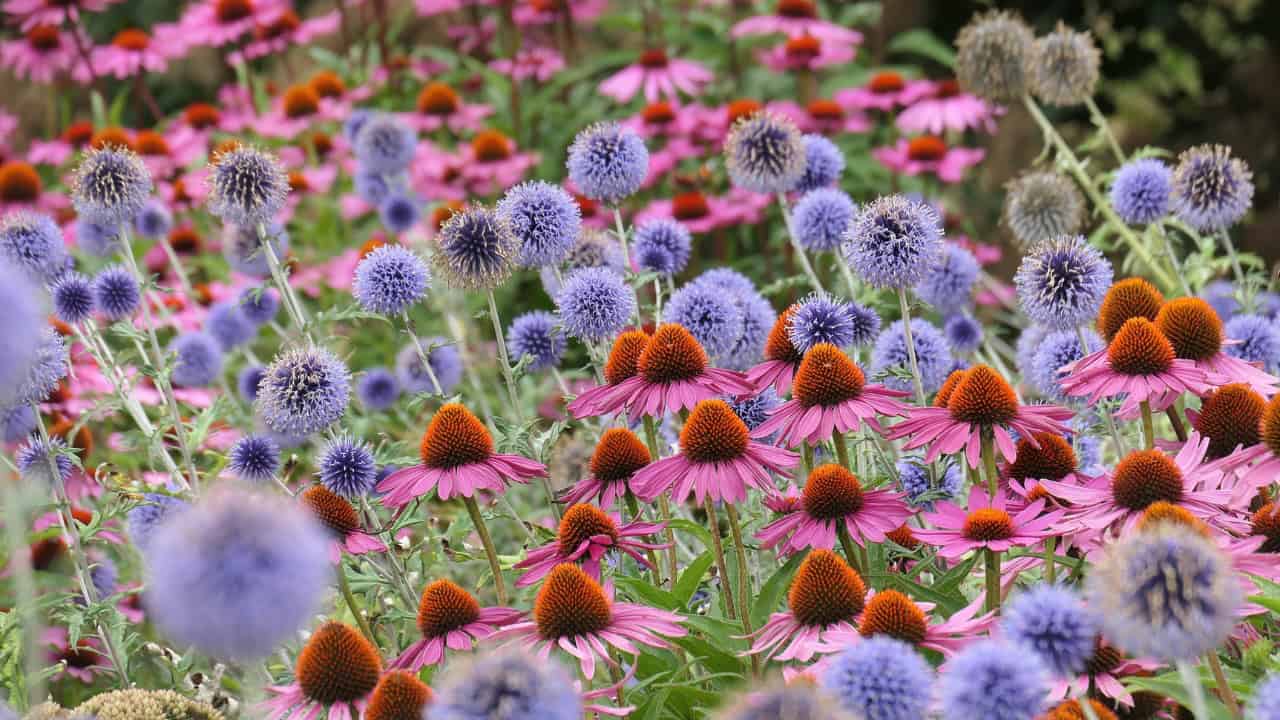
You can save time by choosing perennials for your garden. These plants come back year after year, so you don’t need to replant them every season.
Perennials also tend to establish deeper roots, which means less watering and care once they settle in. This reduces the amount of effort you spend on maintaining your garden.
By investing in perennials, you give your garden a stable foundation that grows and improves without constant replanting.
Group plants by water needs for efficient watering
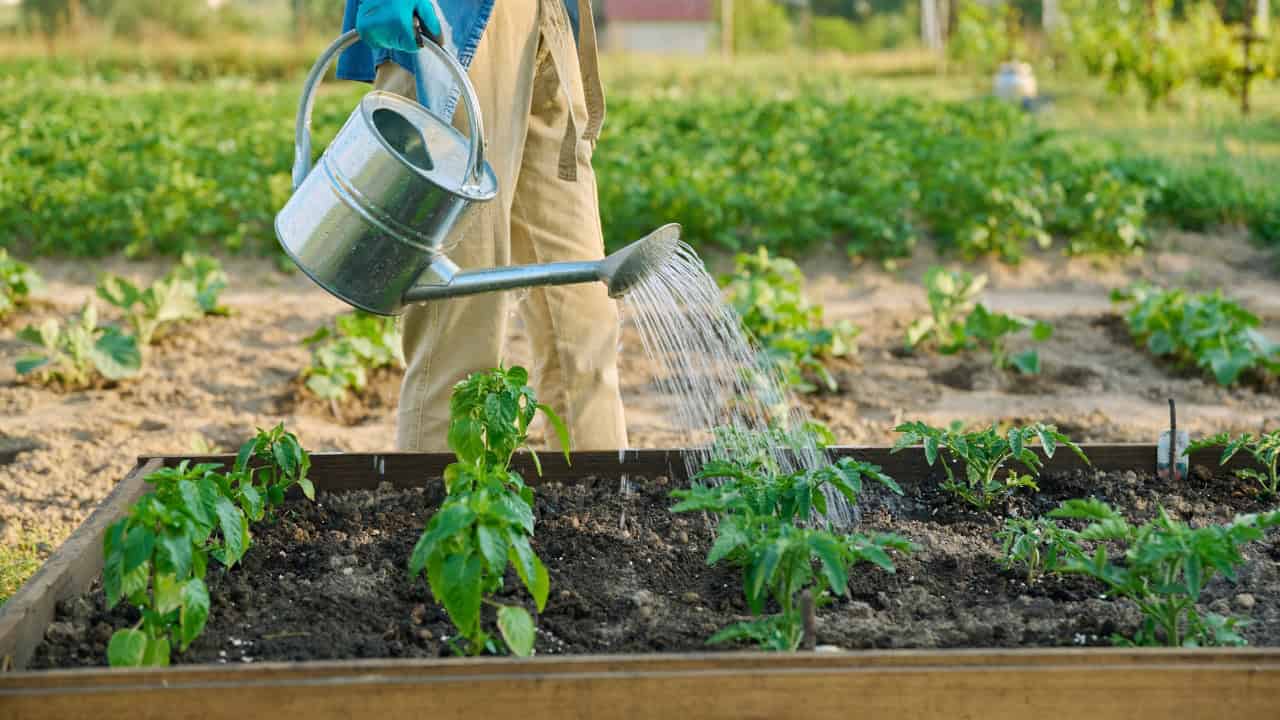
You can save time by grouping plants with similar water needs together. This way, you avoid overwatering some plants while underwatering others.
Place drought-tolerant plants farther from your water source to reduce unnecessary watering.
Using this method helps you water more efficiently, keeping your garden healthy and saving you effort in the long run.
Use mulch to cut down on weeding
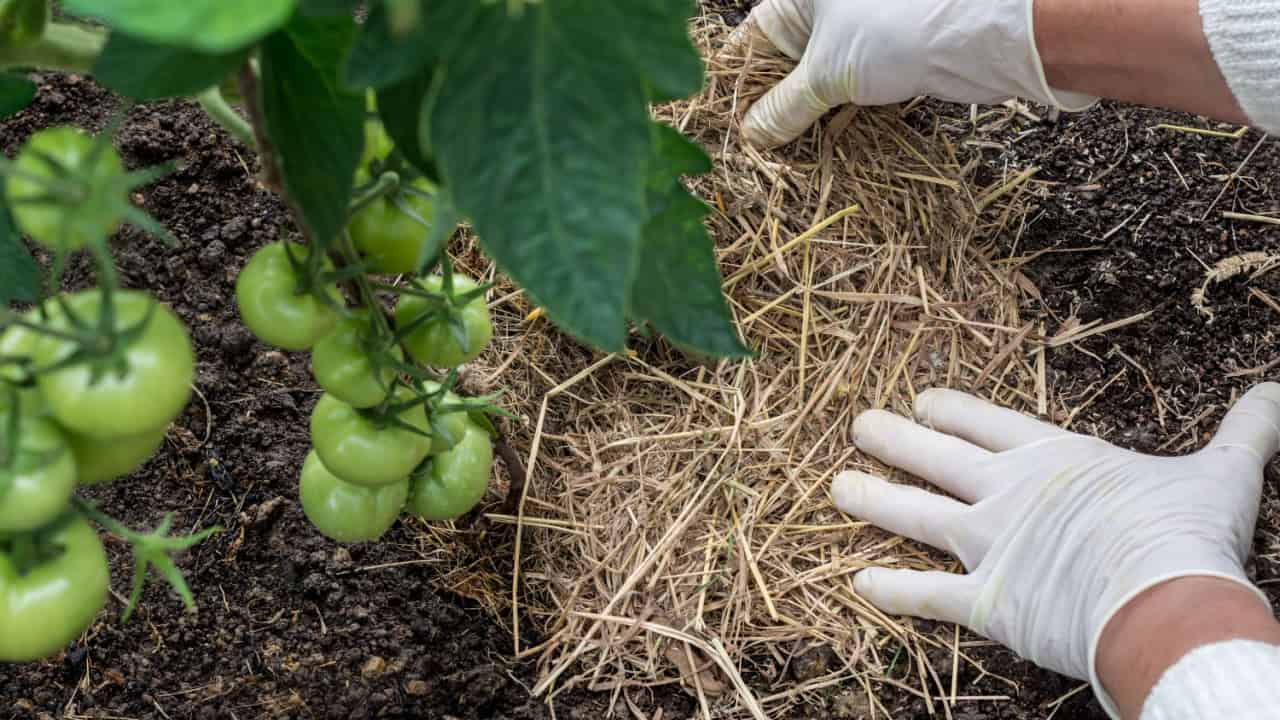
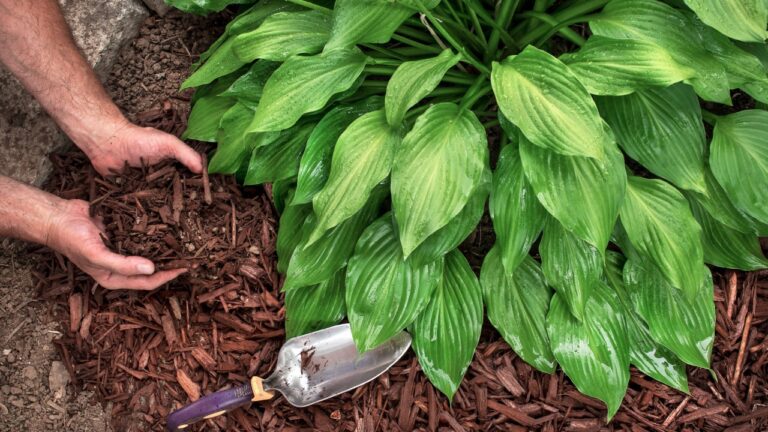
Using mulch in your garden helps reduce the number of weeds you need to pull. Applying a thick layer, about 2-3 inches, shades the soil and prevents weed seeds from getting sunlight.
Mulch also keeps moisture in the soil, making your plants happier and reducing how often you need to water. Adding organic mulch like straw or wood chips gradually improves your soil as it breaks down.
Install a drip irrigation system
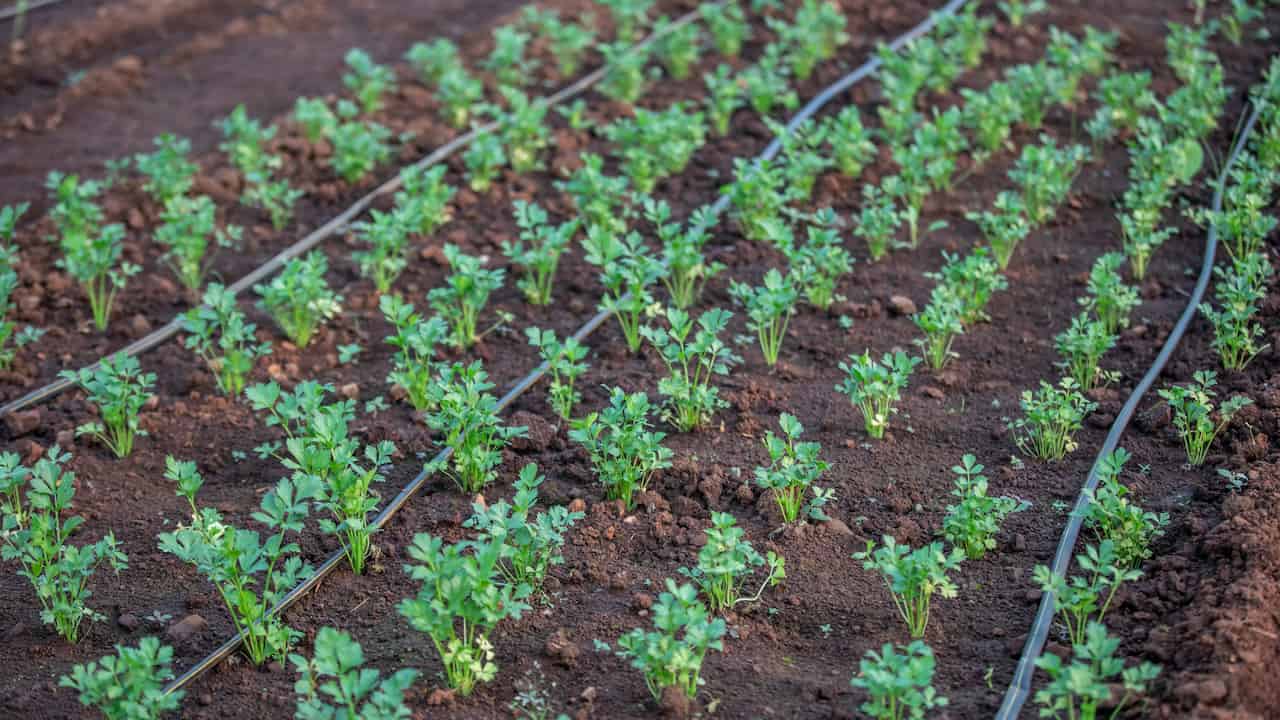
You can save time by installing a drip irrigation system in your garden. It delivers water directly to each plant’s roots, reducing the need for daily watering.
Set up is usually quick and simple. Just measure the distances from your water source, lay your tubing, and attach emitters where your plants need water most.
This system also helps avoid water waste and keeps your garden healthier by providing consistent moisture. Once set up, your watering routine becomes much easier.
Start seeds in biodegradable pots for easy transplanting

You can save time by starting seeds in biodegradable pots made from materials like peat or newspaper. These pots hold soil and seedlings, making it simple to transplant without disturbing roots.
When it’s time to plant, just put the whole pot in the ground. It will break down naturally, so you don’t need to remove seedlings from containers.
Make sure to water carefully since these pots absorb moisture and can get soggy. Supporting them until they hold together well helps your seedlings grow strong.
Buy plug plants to save seed sowing time

Using plug plants means you skip the slow process of starting seeds. You can plant them directly in your garden at the right spacing without waiting or thinning seedlings.
Plug plants are young, healthy mini-plants already growing in individual cells. They save you time and reduce the risk of failed seed germination, making gardening simpler and quicker for you.
Grow vegetables near your door for easy access and care
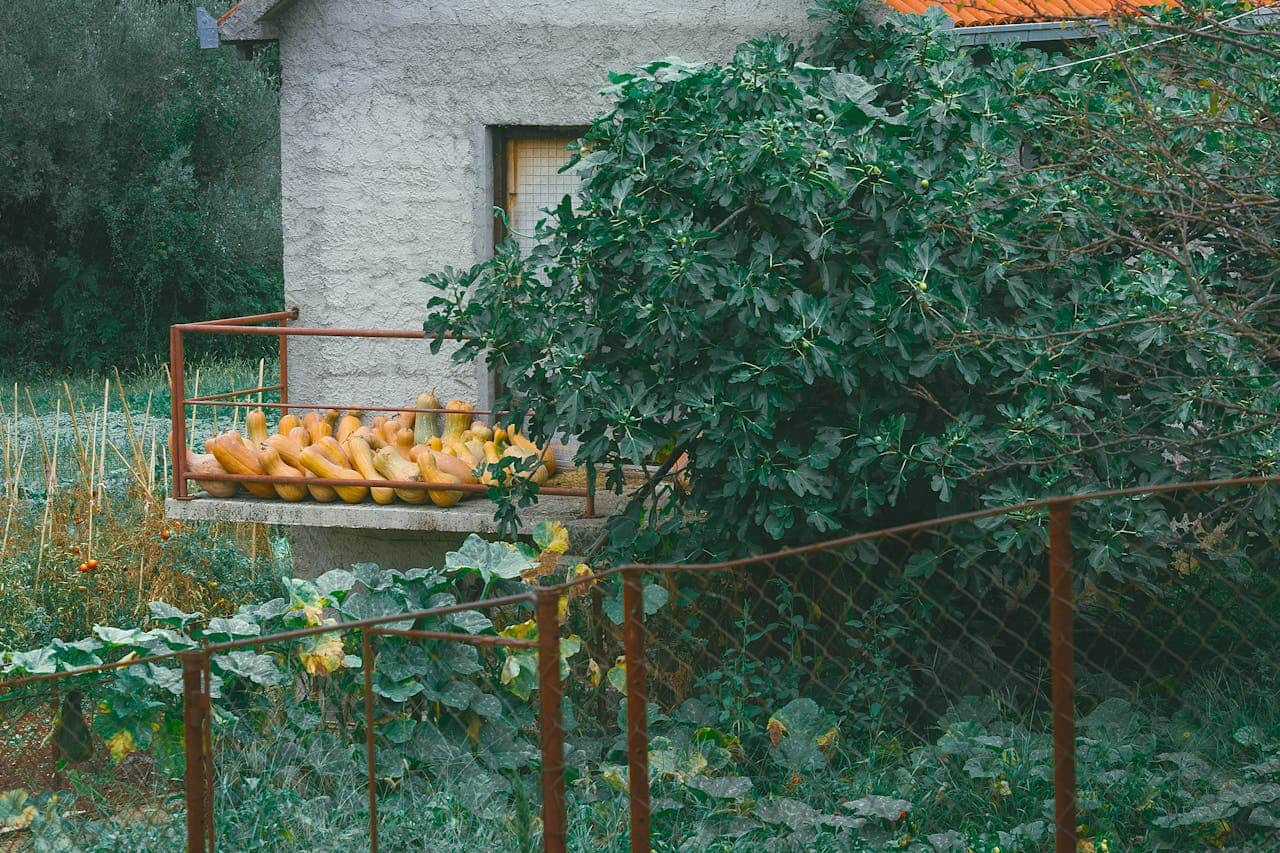
Place your vegetable garden close to your door to make daily care simple. When your plants are nearby, you’re more likely to check on them regularly.
This spot helps you water, harvest, and monitor your plants without extra effort. It also saves time, especially when you need to grab fresh herbs or veggies quickly.
Use potting soil sacks for quick raised beds

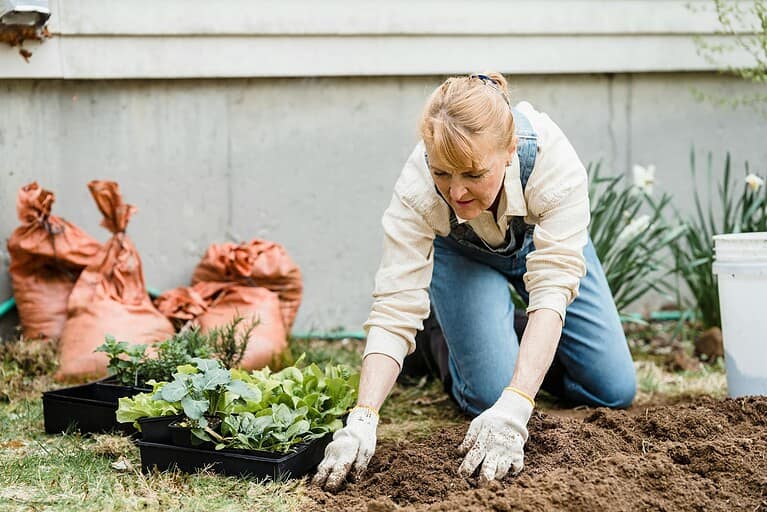
If you need to set up raised beds fast, using potting soil sacks can save you time. You can simply fill the bed with ready-to-use potting mix without worrying about mixing soil components.
Potting soils drain well and are light, making them easier to work with. For better results, mix in some compost or garden soil to improve fertility and texture. This approach is quick and keeps your raised beds ready for planting.