Preparing your garden properly sets the foundation for healthy plants and a thriving outdoor space. Whether you’re starting fresh or maintaining an established garden, knowing the essential tasks can save you time and effort throughout the seasons.
Professional landscapers focus on key preparation steps that ensure your garden stays vibrant and resilient. By following their approach, you can create conditions that promote growth and help your garden flourish year-round.
Advertisement
Remove dead plants, weeds, and debris from garden beds

Start by clearing out any dead plants and weeds from your garden beds. This helps prevent disease and keeps your space tidy. Use hand tools or pruners to carefully remove debris without disturbing healthy plants.
Removing old mulch and fallen leaves also allows sunlight and air to reach your soil. This step sets a clean foundation for planting and encourages stronger growth.
Test and amend soil with compost or organic matter
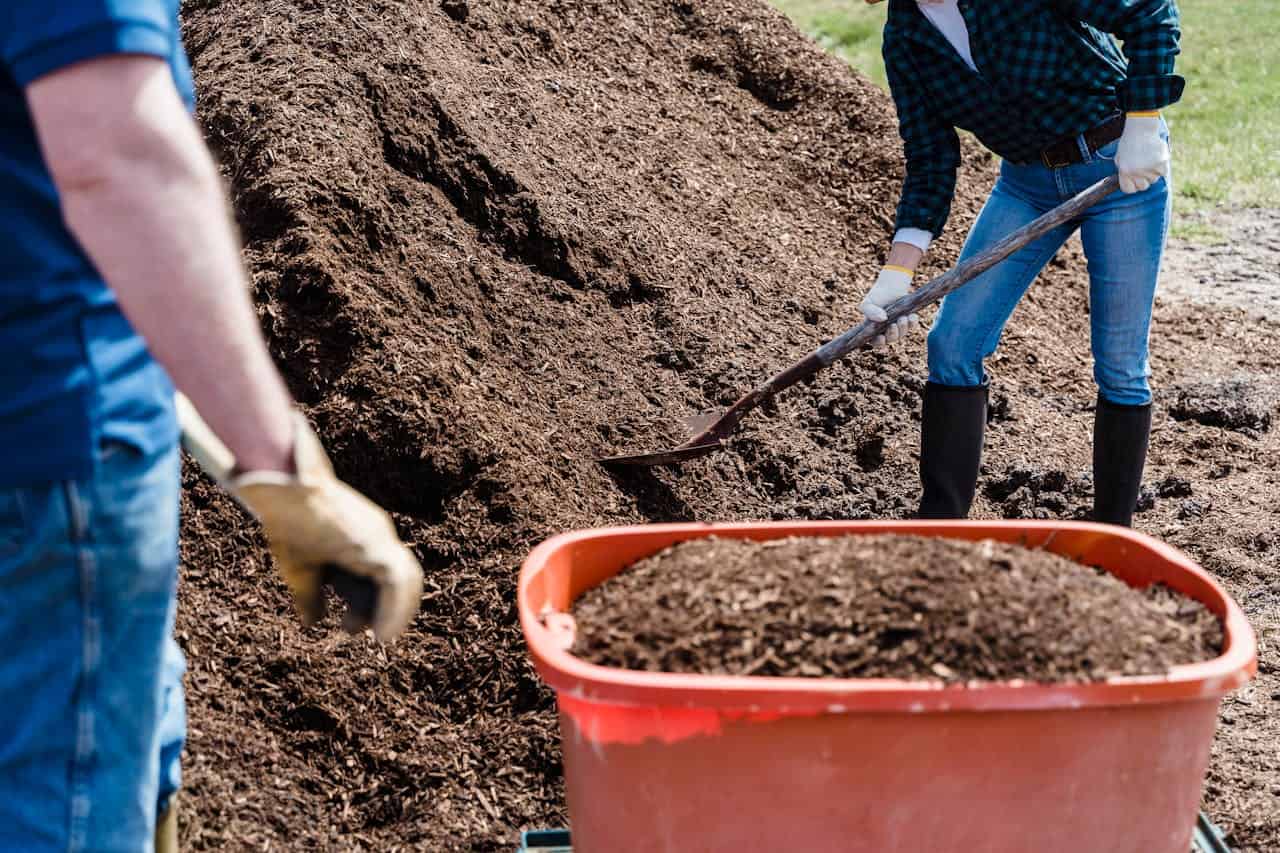
Start by testing your soil to check its pH and nutrient levels. This helps you understand what your garden truly needs.
Adding compost or organic matter improves soil structure and provides nutrients slowly over time. Aim for at least 5% organic matter to support healthy plants.
Mix compost into the soil a week or two before planting. This gives it time to blend well and benefits your garden throughout the growing season.
Lay landscape fabric or newspaper under mulch to reduce weeds

You can put landscape fabric or newspaper beneath your mulch to help control weeds. Both materials act as barriers that block sunlight, which discourages weed growth.
Newspaper also adds organic matter to your soil as it breaks down, supporting soil health. Landscape fabric is more durable but may need occasional replacement.
Using these barriers keeps your garden beds cleaner and reduces time spent on weeding. Just remember to cover them thoroughly with mulch for the best results.
Build or repair trellises and plant supports
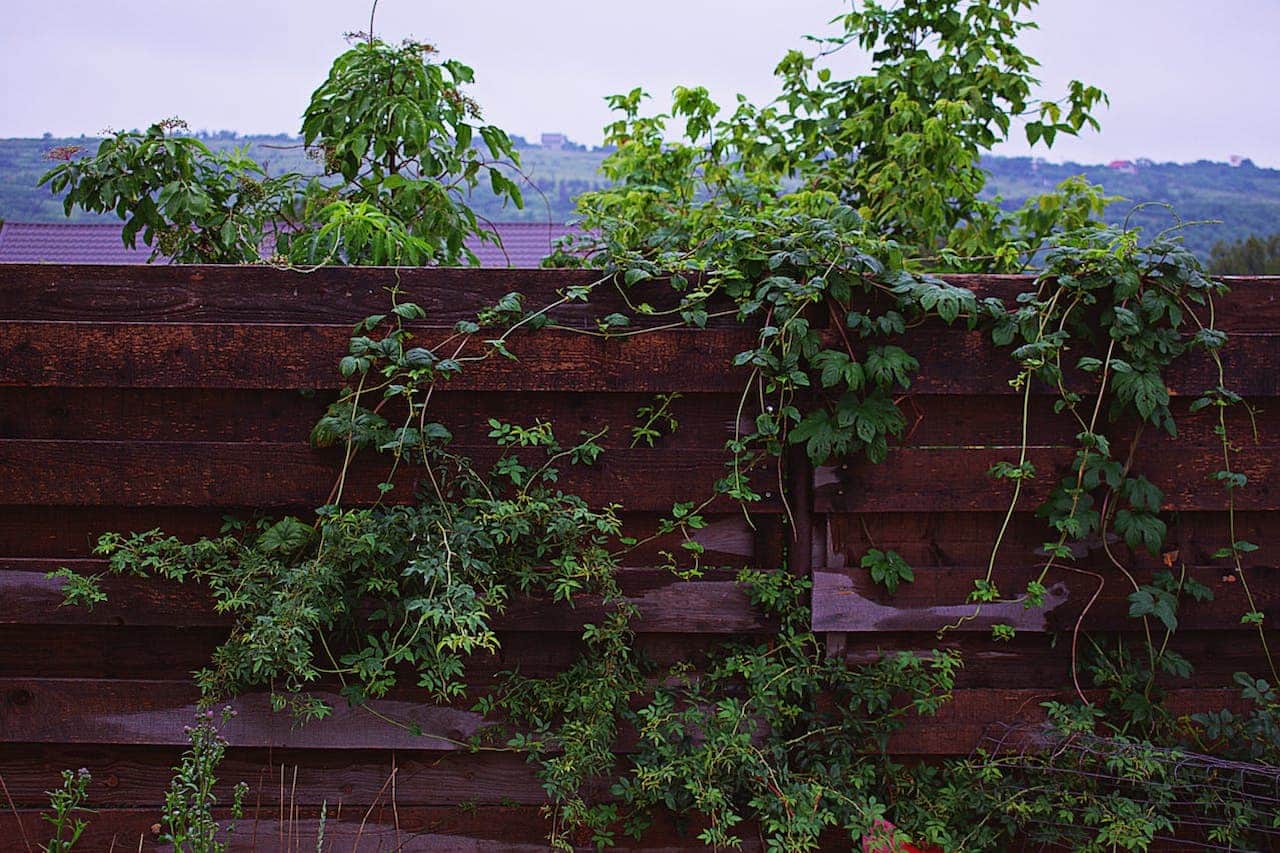
You want to give your climbing plants a strong foundation early on. Building or fixing trellises now makes it easier to guide your plants as they grow.
Using scrap wood or simple materials you already have can save time and money. Make sure your supports are sturdy enough to handle wind and plant weight.
Setting up these supports before plants get tall prevents damage and keeps your garden looking neat and healthy. It’s a small task that pays off throughout the season.
Define clean edges between lawn and garden beds

You’ll want to create a clear, crisp boundary between your lawn and garden beds. Use a garden hose or rope to outline the edge before starting. This helps you visualize the shape and make adjustments easily.
Next, dig a straight trench about 3 inches deep along the lawn side. This keeps grass from creeping into your garden and makes your space look tidy. Maintaining these edges regularly keeps your garden looking sharp and well cared for.
Aerate soil to improve drainage and root growth

Aerating your soil helps water drain better, preventing puddles that can harm plants. It also lets air reach the roots, which is key for healthy growth.
When soil is compacted, roots struggle to spread and absorb nutrients. By creating small holes, you give roots space to expand and take up what they need.
After aerating, water your soil well. This helps settle the soil and supports stronger root development.
Apply pre-emergent herbicides to curb weed growth
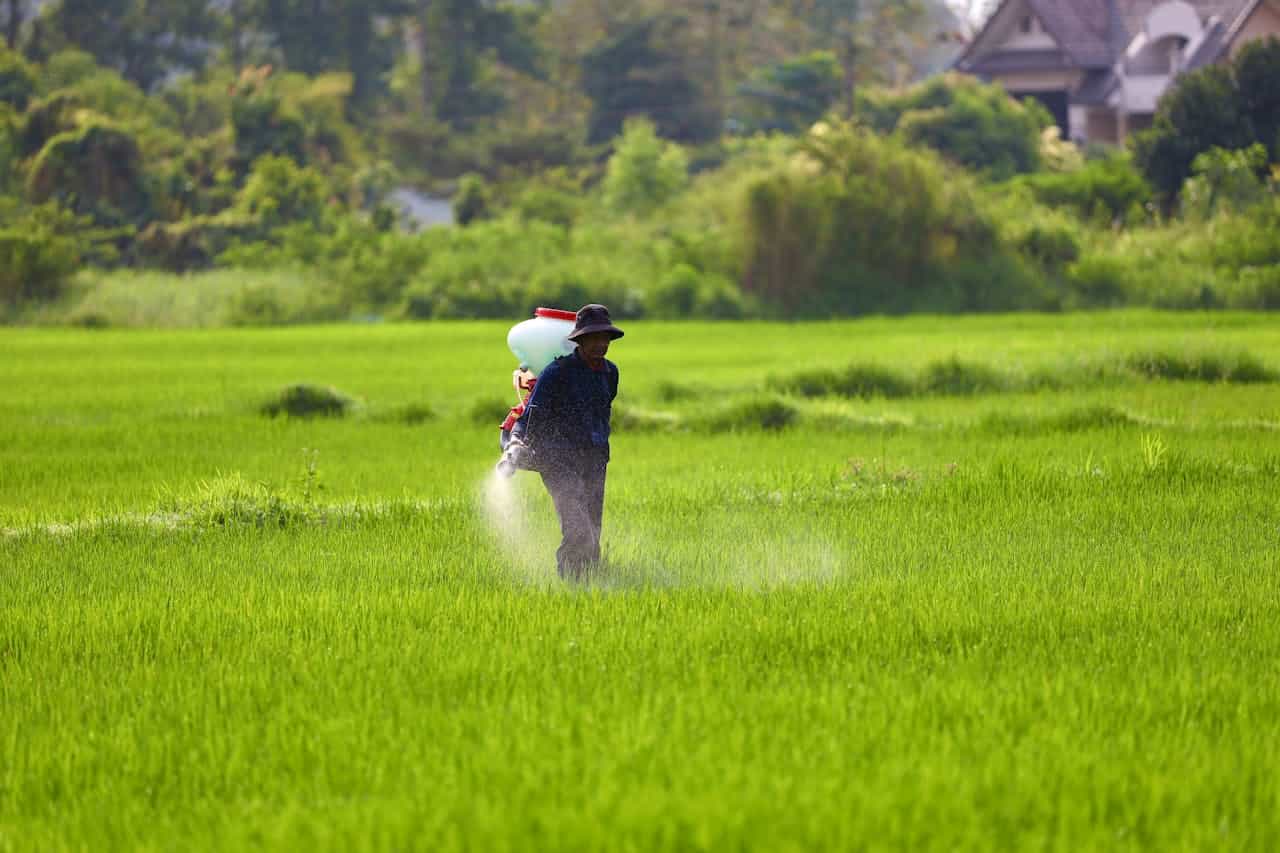
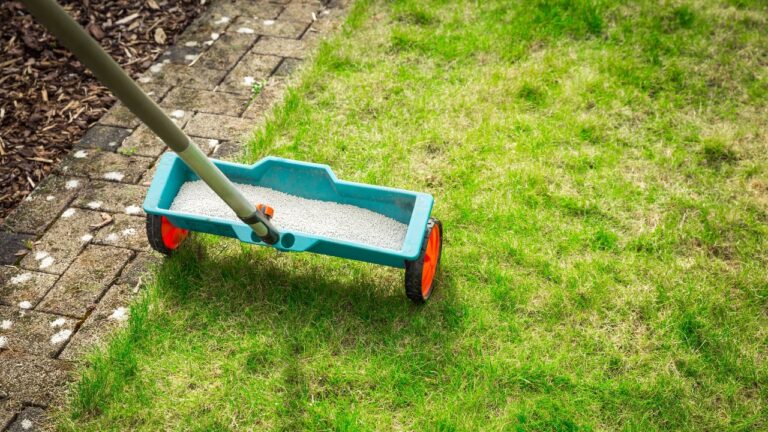
You want to stop weeds before they take hold. Applying a pre-emergent herbicide creates a barrier that prevents weed seeds from germinating.
Be sure to apply it evenly across your garden or lawn, following the instructions on the label carefully. Timing is key—do this before weeds start to grow.
Remember, pre-emergents don’t kill existing weeds. If you see established weeds, consider using a post-emergent herbicide alongside this step. This keeps your garden cleaner and your plants healthier.
Monitor sunlight patterns and choose plants accordingly

You should track how much sunlight different parts of your garden get throughout the day. Take photos or use apps on sunny days to see where full sun, partial sun, or shade falls.
Knowing these patterns helps you pick plants that match each spot’s light needs. For example, tomatoes thrive in full sun, while ferns prefer shady areas with less than four hours of direct sunlight.
Install or check irrigation systems for proper watering

Make sure your irrigation system is working well before planting. Test your water pressure by running water through your outdoor faucet with a pressure gauge or a bucket.
Flush the system to clear any debris. Turn on the water and check sprinklers or drip emitters for proper coverage.
Adjust or replace any parts that don’t water evenly. This helps your plants get the right amount of water without waste.
Sharpen and clean gardening tools before use
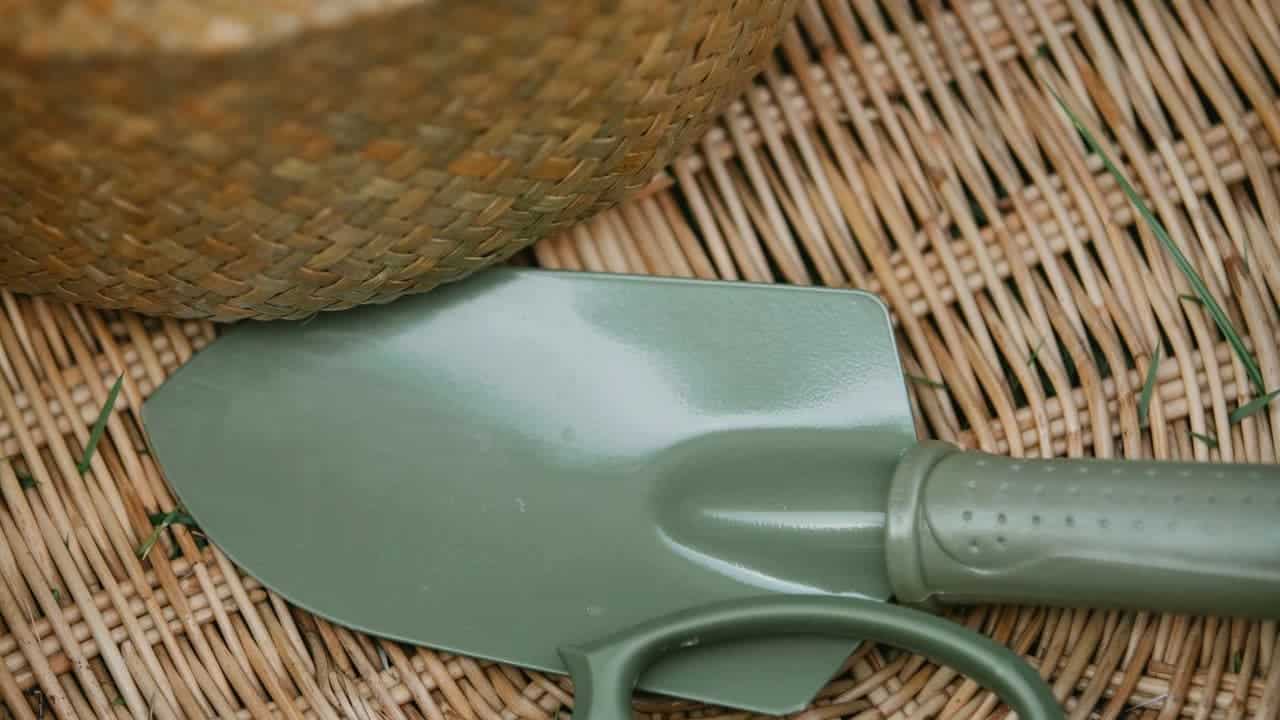
Before you start any garden work, make sure your tools are clean. Remove dirt, rust, and debris using a stiff brush and soapy water. Dry them thoroughly to prevent rust.
Next, sharpen your tools to make your tasks easier. A sharp blade cuts better and saves your energy.
Keeping your tools in good shape helps them last longer and makes gardening more efficient for you.
Why Proper Garden Preparation Matters

Preparing your garden carefully sets the stage for healthier plants and stronger soil. It helps avoid common problems that can delay growth or damage your garden’s structure. Taking time to get ready means fewer issues later and better results throughout the growing season.
Long-Term Benefits for Soil and Plants

When you prepare your garden properly, you improve soil health over time. Adding organic matter or mulch enhances moisture retention and promotes beneficial microbes. This creates a balanced environment where roots can access nutrients easily.
Pruning and clearing out dead material removes disease sources and improves air circulation. This reduces the chance of pests and fungal infections. Strong, well-maintained plants respond better to weather changes and are more productive.
Consistent preparation also helps maintain soil structure, preventing compaction or erosion. This encourages healthy root systems and steady plant growth year after year.
Common Pitfalls of Skipping Preparation

Skipping garden prep tasks often leads to poor drainage, soil compaction, and weed problems. Without proper cleanup, diseased or dead plant material can spread, harming your healthy plants.
Ignoring tool maintenance like sharpening makes your work harder and less effective. Dull tools can damage plant stems or roots unintentionally, slowing growth.
If raised beds or garden structures aren’t checked, they may degrade or collapse under weather stress. This disrupts planting plans and can waste time and resources in the long run.