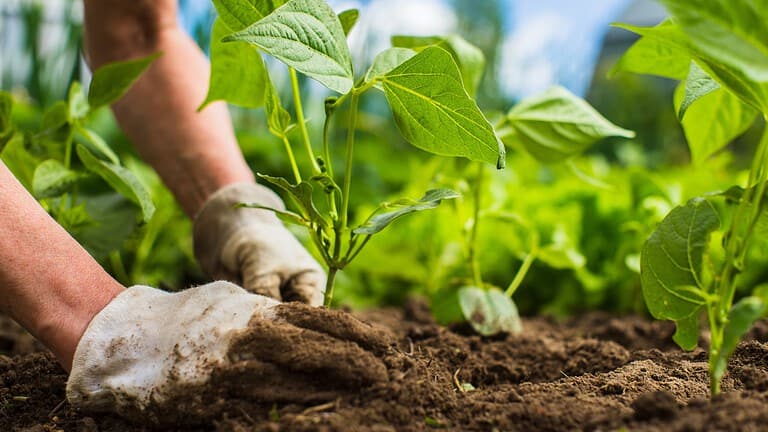
Gardening can be a rewarding hobby, but it’s easy to make mistakes you don’t notice right away. Whether you’re just starting out or have some experience, certain habits might be holding your plants back without you realizing it.
Understanding common gardening mistakes can help you create a healthier, more successful garden with less frustration. By recognizing these pitfalls early, you’ll save time and effort while giving your plants the best chance to thrive.
Advertisement
Not testing soil before planting

You might think skipping soil testing saves time, but it can lead to problems later. Knowing your soil’s pH and nutrient levels helps you choose plants that will thrive.
If your soil lacks key nutrients or has poor structure, plants may struggle. A simple test can guide you in improving your garden’s health before you start planting.
Watering leaves instead of roots
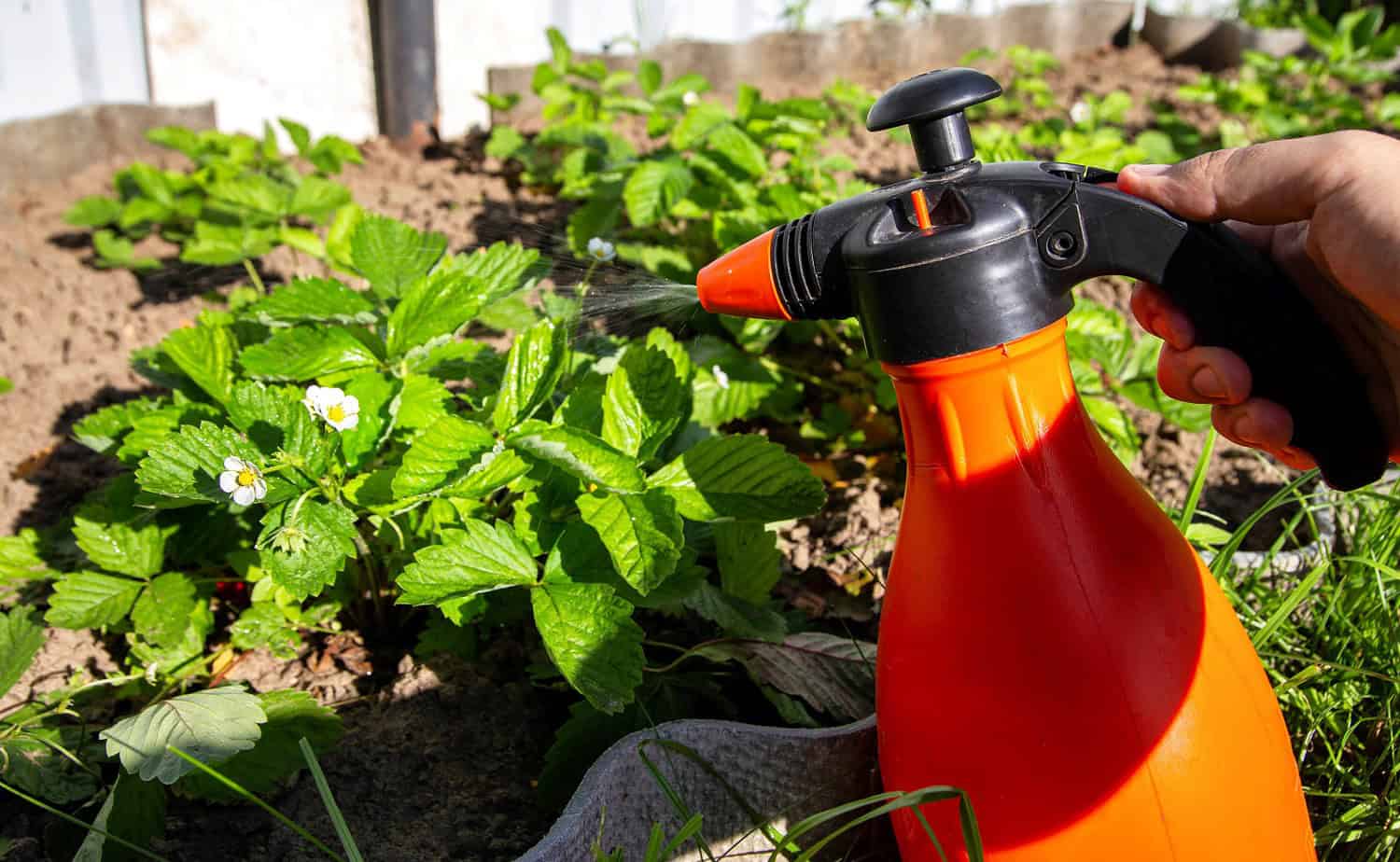
You should focus on watering the roots, not the leaves. Water on leaves can encourage mold or fungus, especially in humid conditions.
By watering the roots directly, you help your plants absorb moisture where they need it most.
Try watering early in the morning to reduce evaporation and give your plants enough time to dry off during the day.
Skipping compost addition

If you skip adding compost, your soil may lack essential nutrients. Compost improves soil structure and helps retain moisture.
Adding compost regularly feeds your plants naturally, reducing the need for chemical fertilizers.
Even small amounts of compost can boost your garden’s health over time. It’s an easy step that makes a big difference.
Ignoring soil health and preparation

You might overlook how important soil is for your garden’s success. Soil isn’t just dirt; it’s full of life that helps plants grow strong.
Taking time to prepare your soil can make a big difference. Adding organic matter and checking pH levels helps create the right environment for your plants.
If you skip this step, your plants may struggle even with good watering and sunlight. Healthy soil sets the foundation for a healthy garden.
Starting garden without clear goals
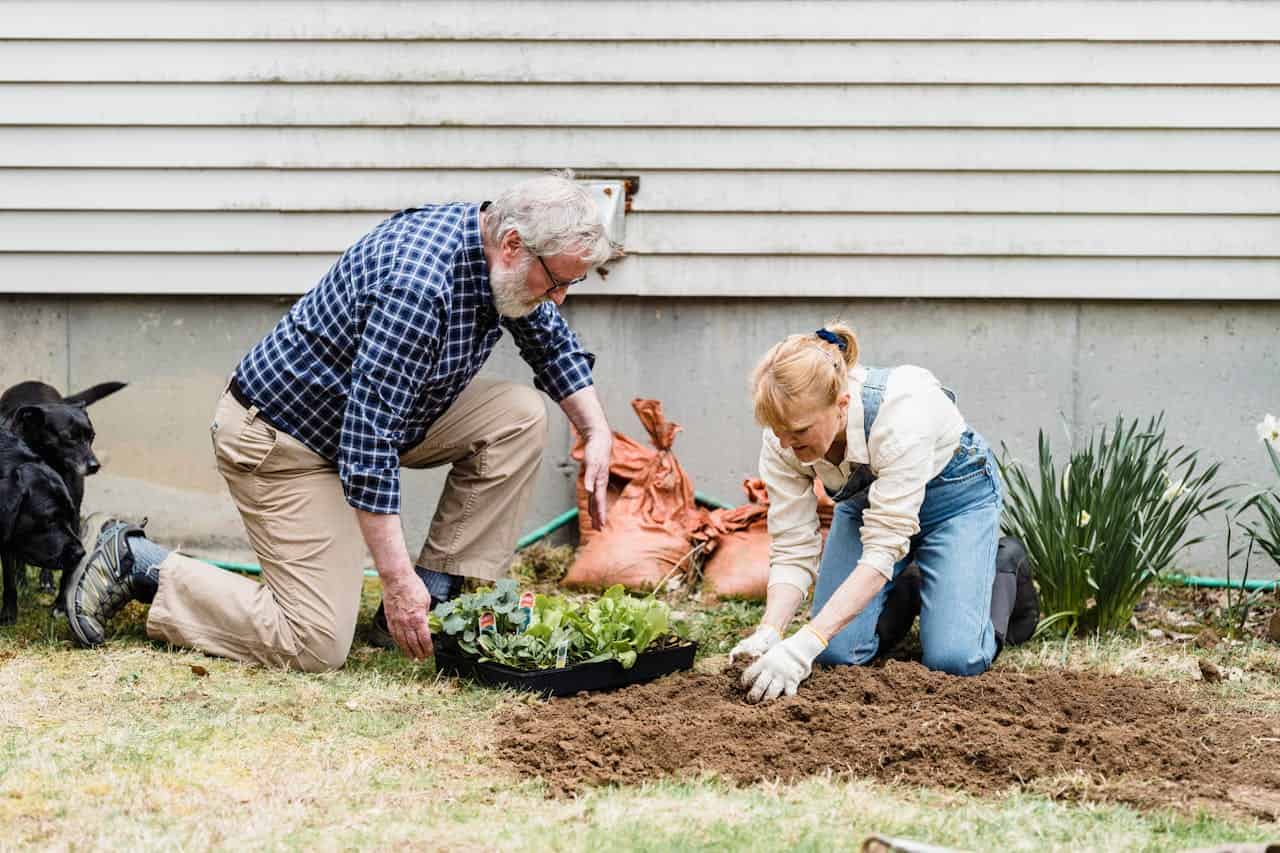
You might begin gardening without knowing what you want to achieve. This can lead to planting random crops or flowers that don’t fit your space or needs.
Setting clear goals helps you choose the right plants, plan your garden layout, and manage your time better. Take a moment to decide whether you want vegetables, herbs, flowers, or a mix before you start digging.
Planting too many plants at once
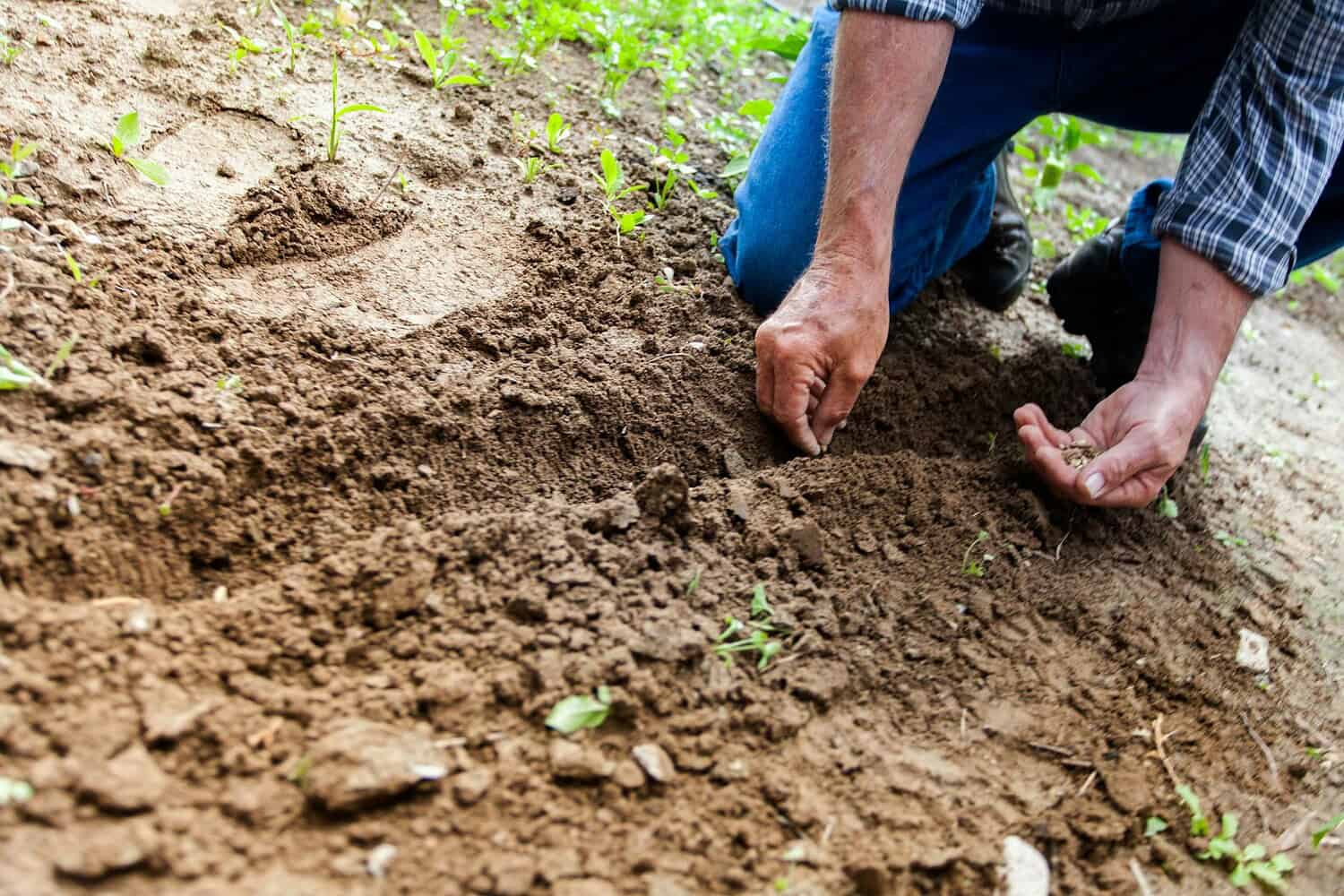
You might feel excited to fill your garden quickly, but planting too many plants at once can overwhelm your space. It makes it harder to care for each plant properly.
When you overcrowd, plants compete for nutrients, water, and sunlight. This can stunt their growth and reduce overall health.
Start with fewer plants and give them room to thrive. You can always add more gradually as you get comfortable.
Using cheap or poor-quality seeds

You might think saving money on seeds is smart, but using low-quality seeds can slow your garden’s progress. Poor seeds often have lower germination rates, meaning fewer plants will grow.
Choosing reliable, high-quality seeds gives your garden a better chance to thrive. It’s worth investing a little more to avoid frustration and wasted effort.
Watering from above instead of drip irrigation

When you water from above, your plants’ leaves stay wet longer. This can encourage fungal or bacterial growth, especially in humid areas.
Drip irrigation delivers water directly to the soil near your plants’ roots. It helps keep foliage dry and reduces water waste.
Switching to drip irrigation can make your watering more efficient and may improve plant health over time.
Forgetting to label plants

You might think labeling your plants is unnecessary, but it can save you a lot of confusion later. When you forget to label, it’s easy to mix up varieties or forget what you planted.
Labels help you track each plant’s needs and growth progress. They keep your garden organized, especially if you’re growing many different types.
Ignoring seasonal gardening needs

You might be planting without considering the seasons, which can affect your garden’s success. Different plants thrive in specific weather conditions and temperatures.
Pay attention to the right planting times for your region. Planning with the seasons in mind helps your plants grow stronger and reduces the risk of damage from weather changes.