Keeping your fridge organized can make a big difference in the way you store and use your food. By implementing some simple organizing tricks, you can significantly extend the freshness of your groceries and minimize waste. A well-structured fridge not only saves you time when cooking but also makes it easier to find what you need when you need it.
In this article, you’ll discover effective strategies that can transform your fridge into a more efficient space. Whether it’s utilizing clear bins or rearranging items for better visibility, these tips will help you create a system that works for you. With just a few tweaks, your fridge can become a haven for fresh ingredients ready to be turned into delicious meals.
Advertisement
Label everything to prevent food mysteries

Labeling your food can save you from fridge confusion. Use simple labels with “use by” dates on leftovers and opened containers.
This way, you can easily keep track of freshness and avoid mystery foods lurking in the back. Grab some tape and a marker—it’s a quick fix that makes a big difference!
Use bins to group similar items
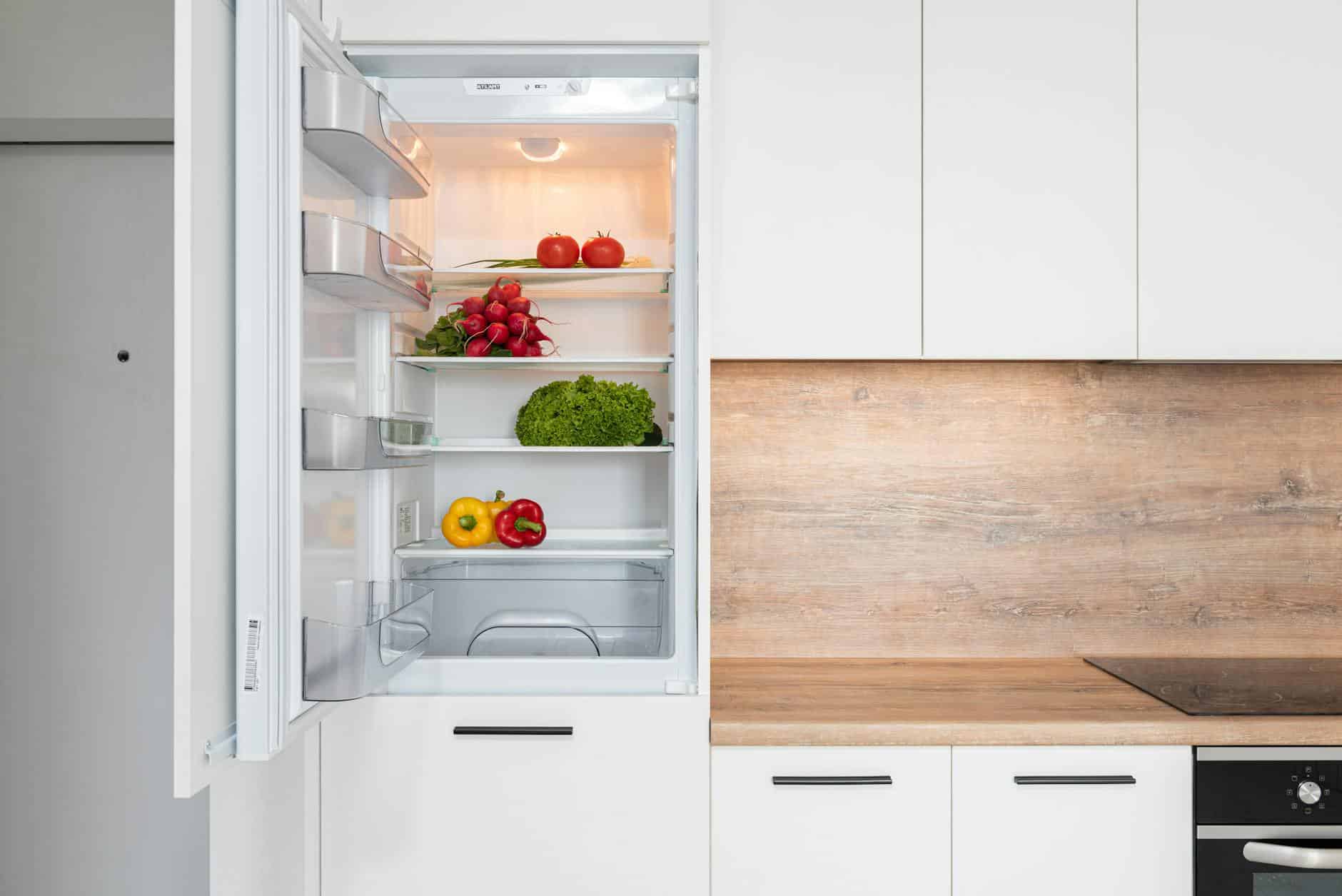
Using bins can make your fridge a lot more organized. By grouping similar items together, you’ll find what you need more easily.
For instance, keep all your dairy products in one bin and snacks in another. This not only saves time but helps maintain freshness, as items are less likely to get lost in the back.
Store dairy products on the top shelf

Keeping your dairy products on the top shelf of the fridge is a smart move. The temperature here tends to be more consistent, which helps keep milk, yogurt, and cheese fresher for longer.
This arrangement also makes it easy to grab what you need without digging around. Plus, it keeps dairy away from raw meats stored below, helping to prevent cross-contamination.
Keep raw meat in a designated container
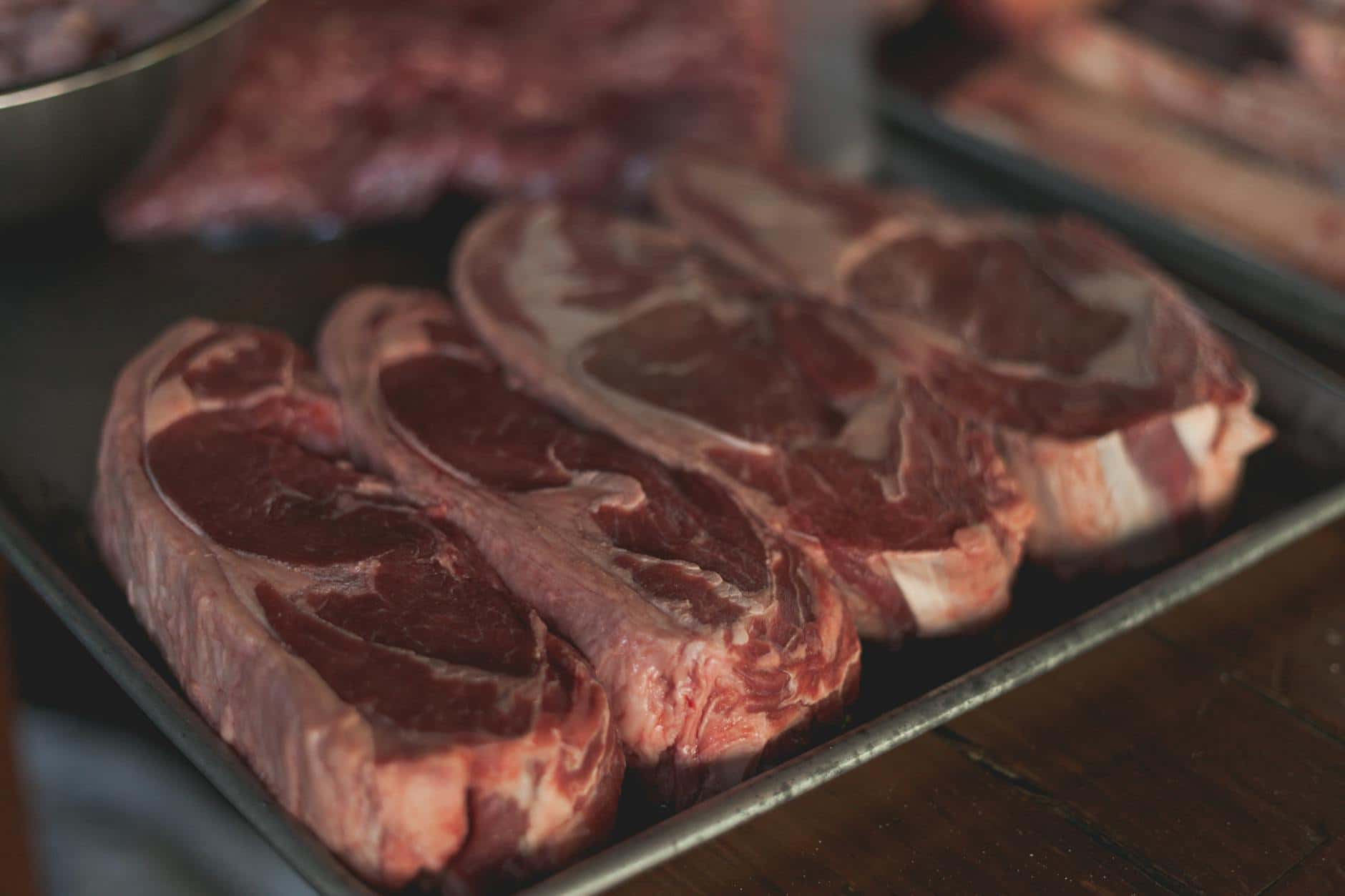
Storing raw meat in a designated container is key to keeping your fridge organized and safe. Use a leak-proof bin to prevent any juices from contaminating other foods. This not only helps maintain hygiene but also makes it easy for you to find what you need quickly.
Organize by expiration date—first in, first out

Keeping track of expiration dates is key to minimizing waste. Use the “first in, first out” method. When you buy new items, place them behind older ones.
This simple trick helps you use up what’s nearing its expiration first. Labeling items with dates can make this even easier. You’ll know what to grab first, keeping your food fresher for longer.
Utilize the fridge door for condiments
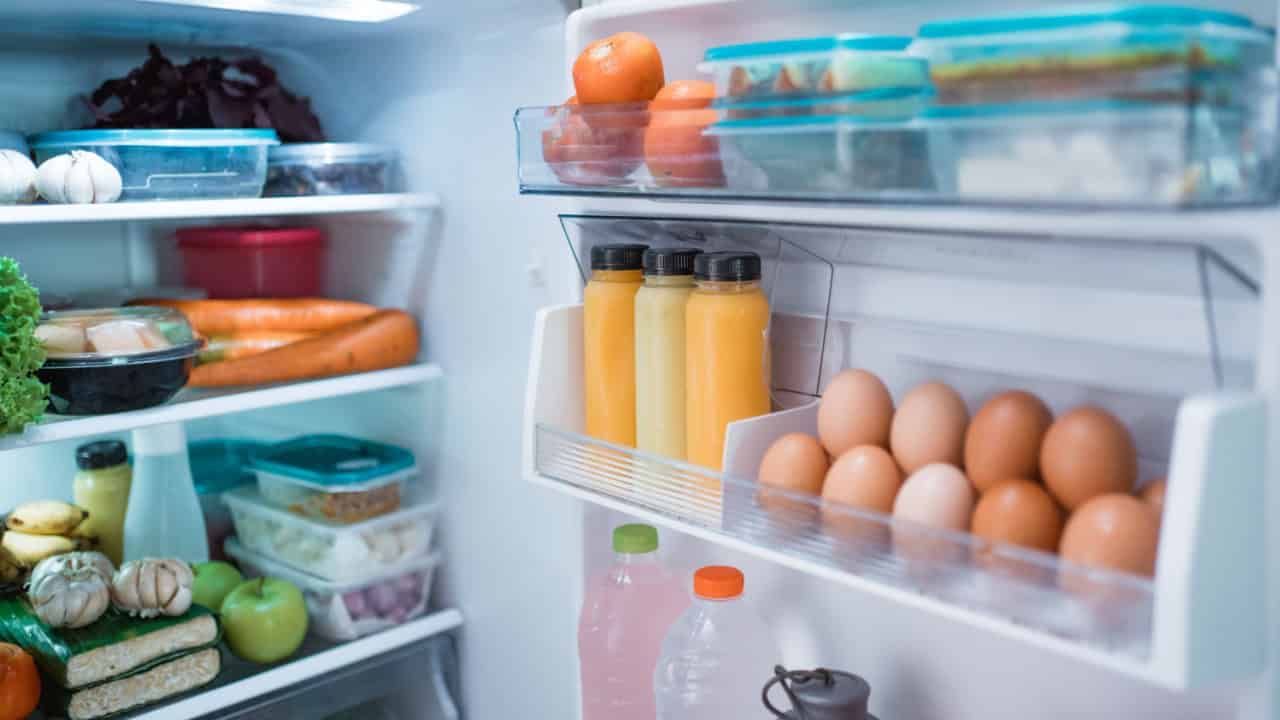
The fridge door is the perfect spot for condiments. It keeps them easily accessible while saving space on your shelves.
Store sauces, dressings, and jams there so you can grab them quickly when you need them.
This arrangement also keeps things visible, reducing the chances of forgetting about those half-used bottles!
Store fruits and veggies separately
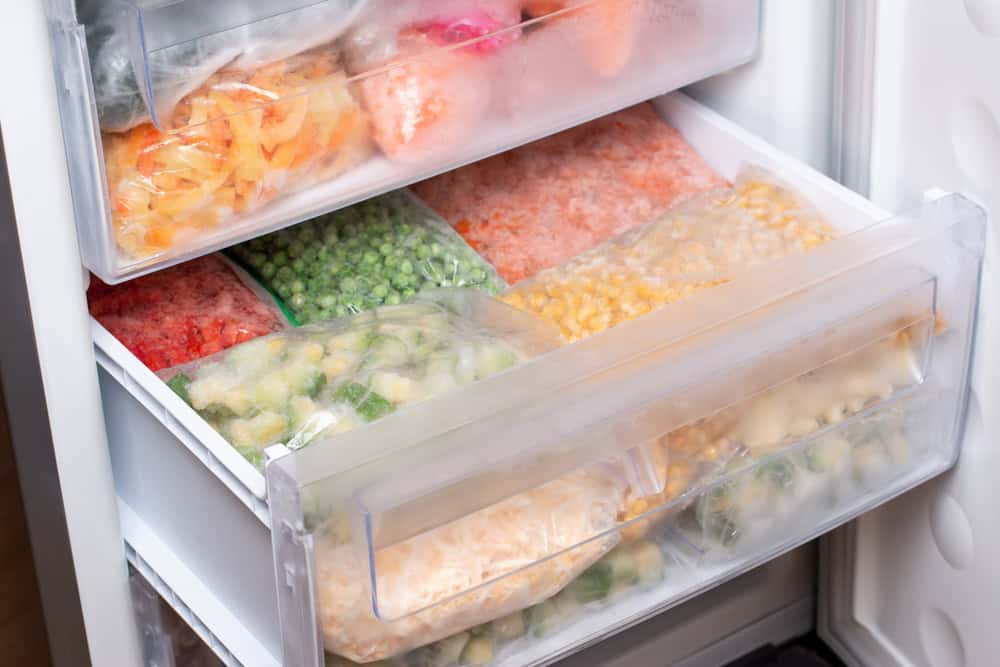
Keeping fruits and veggies in separate sections of your fridge can really help them stay fresh longer. Fruits emit ethylene gas, which can speed up spoilage in veggies.
Utilize the designated drawers for each group. This simple trick can make a big difference in how long your produce lasts.
Use clear containers to easily see contents
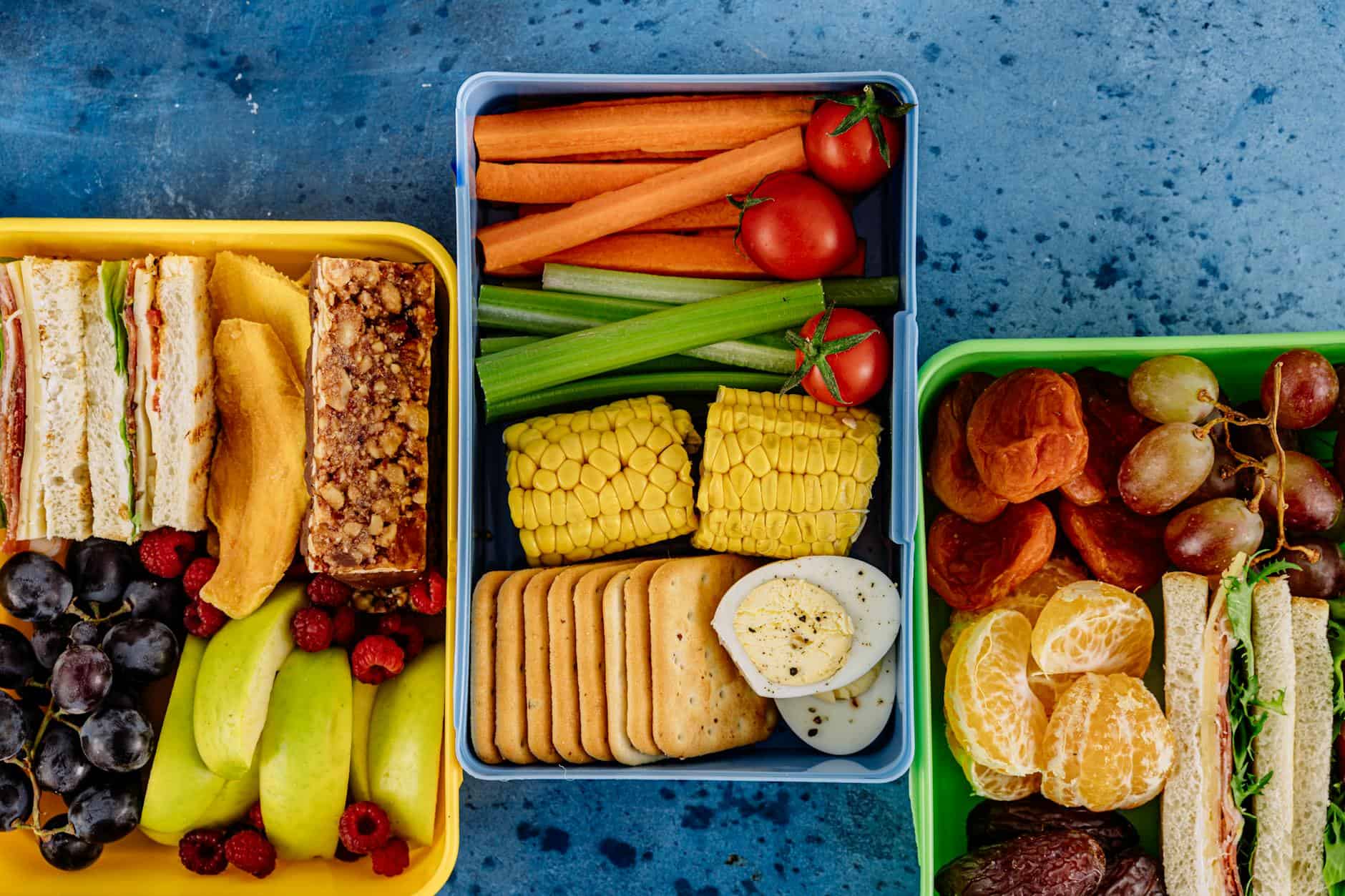
Clear containers are a game changer for fridge organization. You can quickly spot what you have without rummaging around. This saves time and helps prevent food waste.
Using stackable clear bins also maximizes space. You’ll appreciate how easy it is to see when you need to restock something. It keeps your fridge looking neat and tidy, making meal prep even smoother.
Regularly clean shelves to avoid spills
Keeping your fridge shelves clean is essential for freshness. A quick wipe down prevents spills from accumulating and forming odors.
Make it a habit to clean your shelves every couple of weeks. Use a gentle cleaner and a cloth for an easy refresh.
This simple routine helps maintain a tidy fridge and protects your food from contamination.
Use a fridge thermometer for optimal temperature
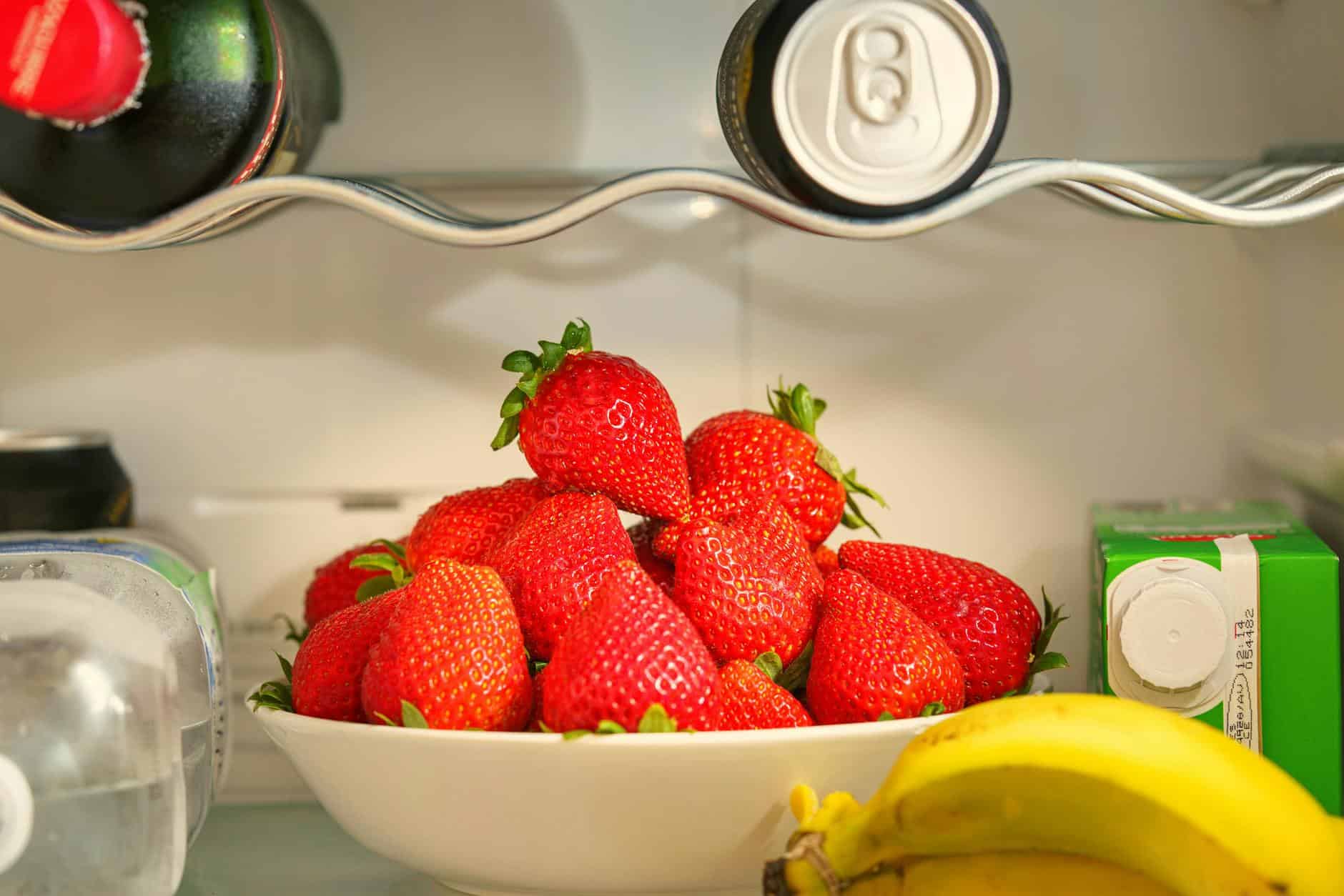
Using a fridge thermometer is a simple way to ensure your food stays fresh. Place one in your fridge and another in the freezer. This helps you monitor the actual temperatures, allowing you to adjust settings if needed.
According to the USDA, your fridge should be set at 40 degrees Fahrenheit or below. Keeping an eye on the temperature helps slow bacterial growth and keeps your food safe.