You’re probably trying to eat healthier and making food choices that are good for you. But did you know there are foods out there that seem healthy but aren’t? These foods can sneak in unwanted sugars, unhealthy fats, or other ingredients that don’t support your goals. Recognizing these hidden pitfalls can help you make better decisions for your well-being.
You might be surprised to learn how some of your favorite “health foods” could be misleading. Whether you’re shopping at the grocery store or ordering at a restaurant, understanding what’s truly healthy can be challenging. With the right information, you’ll be better equipped to choose foods that genuinely contribute to a balanced diet.
Advertisement
1. Granola Bars
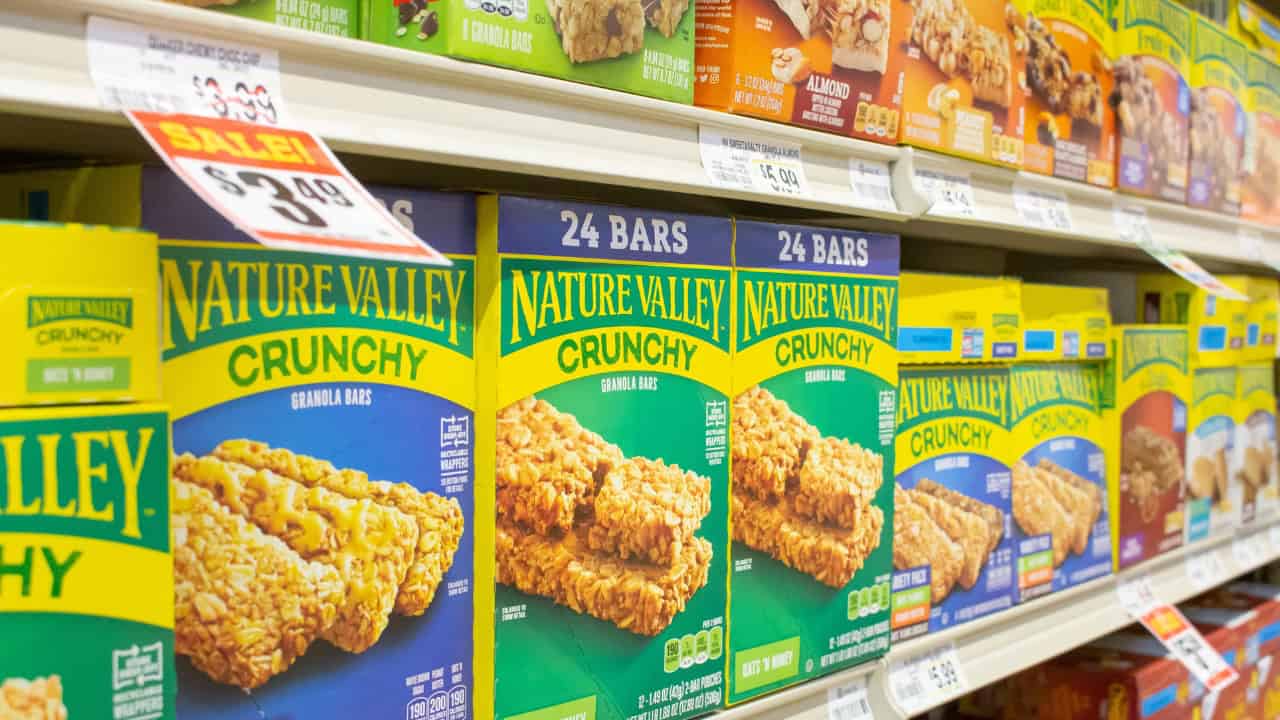
Granola bars are often marketed as a healthy snack option. You might think they’re great because they’re packed with oats, nuts, and sometimes dried fruits.
The truth is, many granola bars are quite different from what you’re expecting. Packed with added sugars and preservatives, they’re more like candy bars. It’s important to read labels carefully.
Look for bars with minimal ingredients and focus on ones with whole foods like nuts and seeds. Choose options that list natural sweeteners like honey rather than high-fructose corn syrup to make a healthier choice.
2. Flavored Yogurts
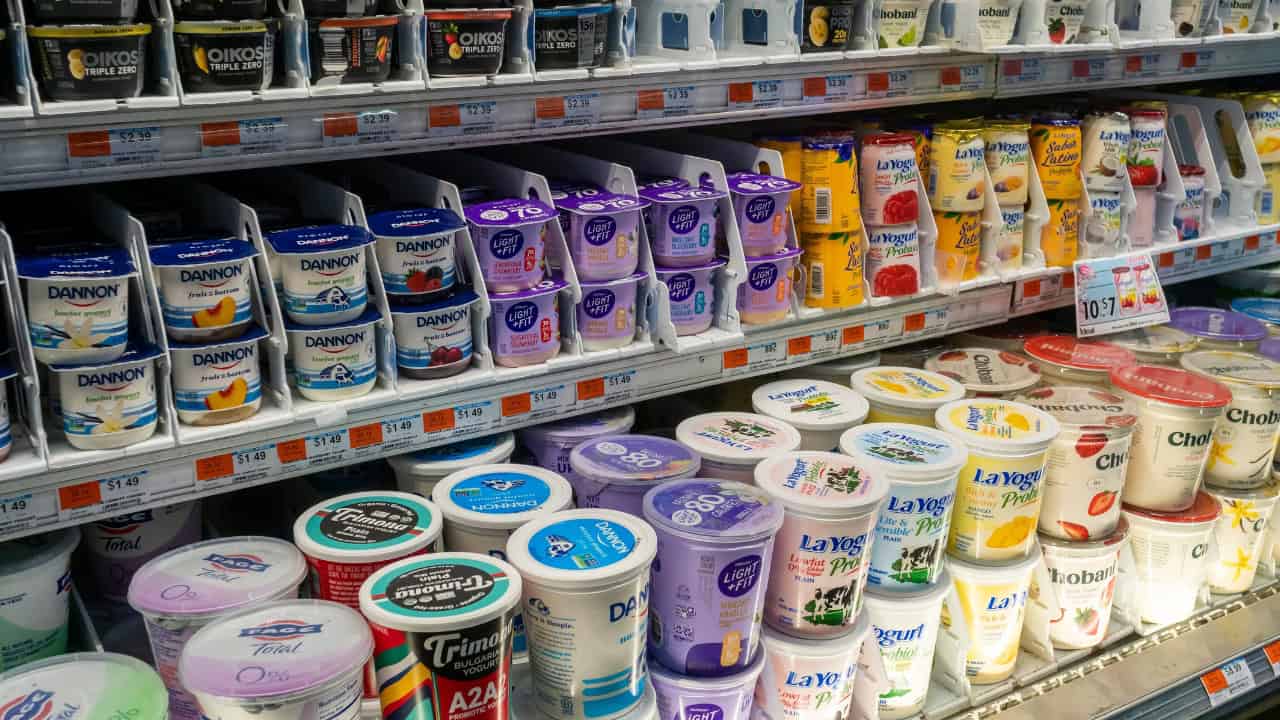
Flavored yogurts often come with a hefty amount of added sugars. Sometimes a single serving can have as much sugar as a candy bar, which isn’t doing your health any favors.
You might think you’re picking a healthy snack, but these yogurts can contribute to weight gain and other health issues. Yum factor aside, too much sugar can affect gut health negatively.
Instead, try plain greek yogurt and add your own fresh fruit. This way, you get the benefits of yogurt without all the extra sugar.
3. Veggie Chips
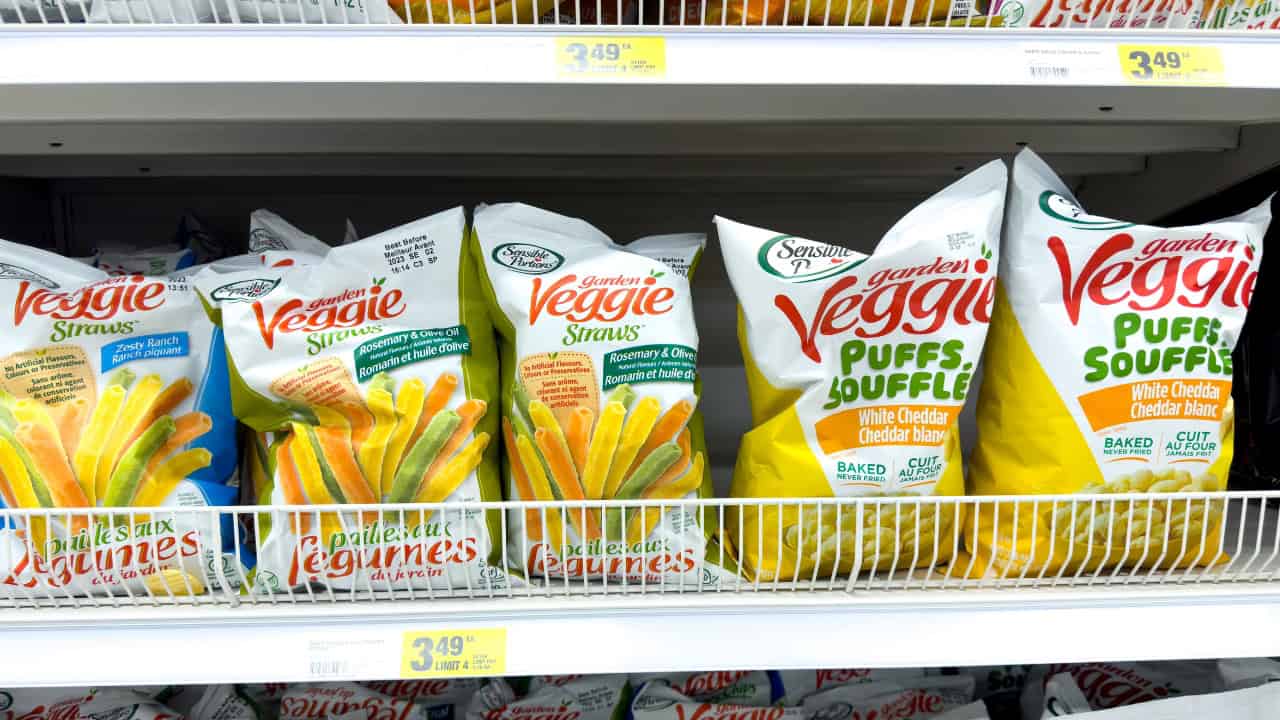
Veggie chips might seem like a smart snack option, but looks can be deceiving. Many of these chips are made from vegetable powders and starches rather than real, whole vegetables. They often undergo heavy processing and are fried like potato chips, leading to similar nutritional concerns.
While veggie chips might boast some vitamins or fiber, they’re usually packed with salt and fat. If you’re seeking a crunchy snack, consider fresh veggies paired with a healthy dip instead. Keep an eye on the label to avoid snack traps.
Some may assume the veggie label equals healthy, but veggie chips can be just as calorically dense as regular chips. Opting for minimally processed, whole-food snacks could be a better approach to maintaining a balanced diet.
4. Protein Bars
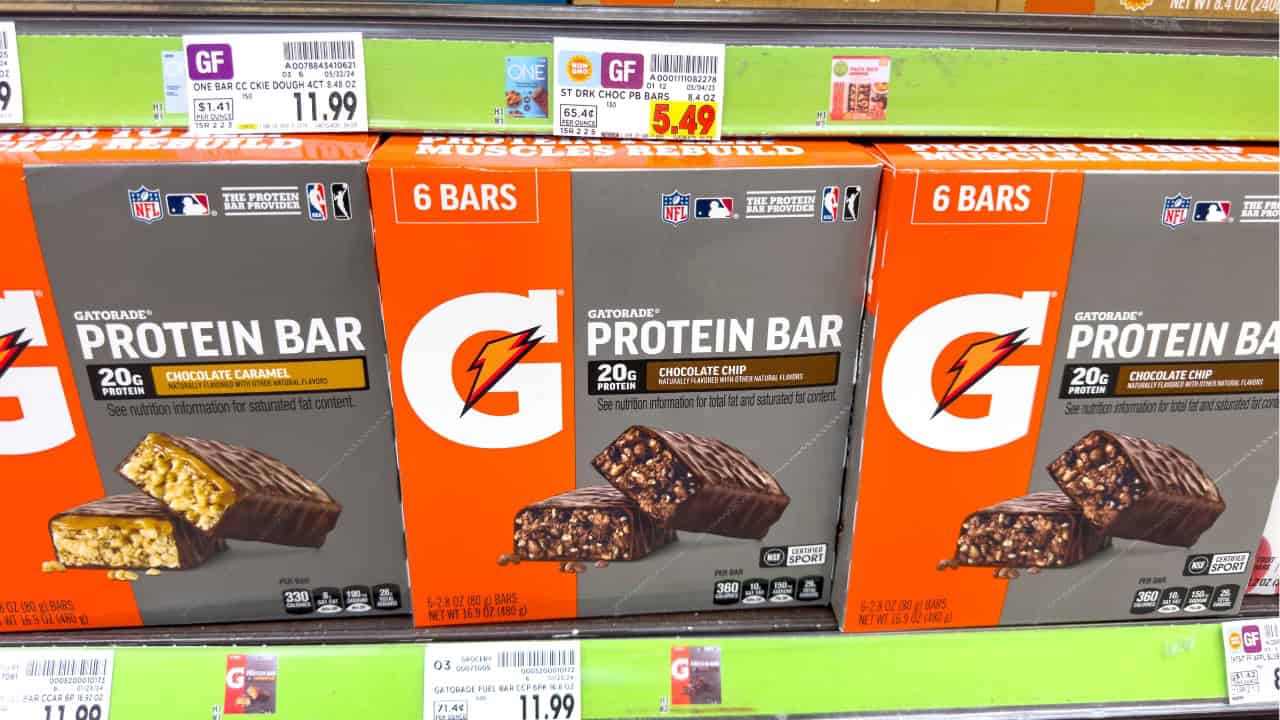
Protein bars are often seen as a quick and convenient way to get nutrients, especially if you’re on the go. Many brands market these bars as a healthy snack packed with protein, but not all options live up to that reputation.
Some protein bars contain hidden sugars and artificial sweeteners, which can be misleading if you’re trying to eat healthily. The names and branding may suggest a wholesome product, but it’s essential to check those labels.
Unexpected ingredients like unhealthy fats might also sneak into these snacks. By paying attention to the ingredients list, you can avoid choices that aren’t as nutritious as they seem. For more details, explore this guide on unhealthy protein bars.
5. Canned Soups
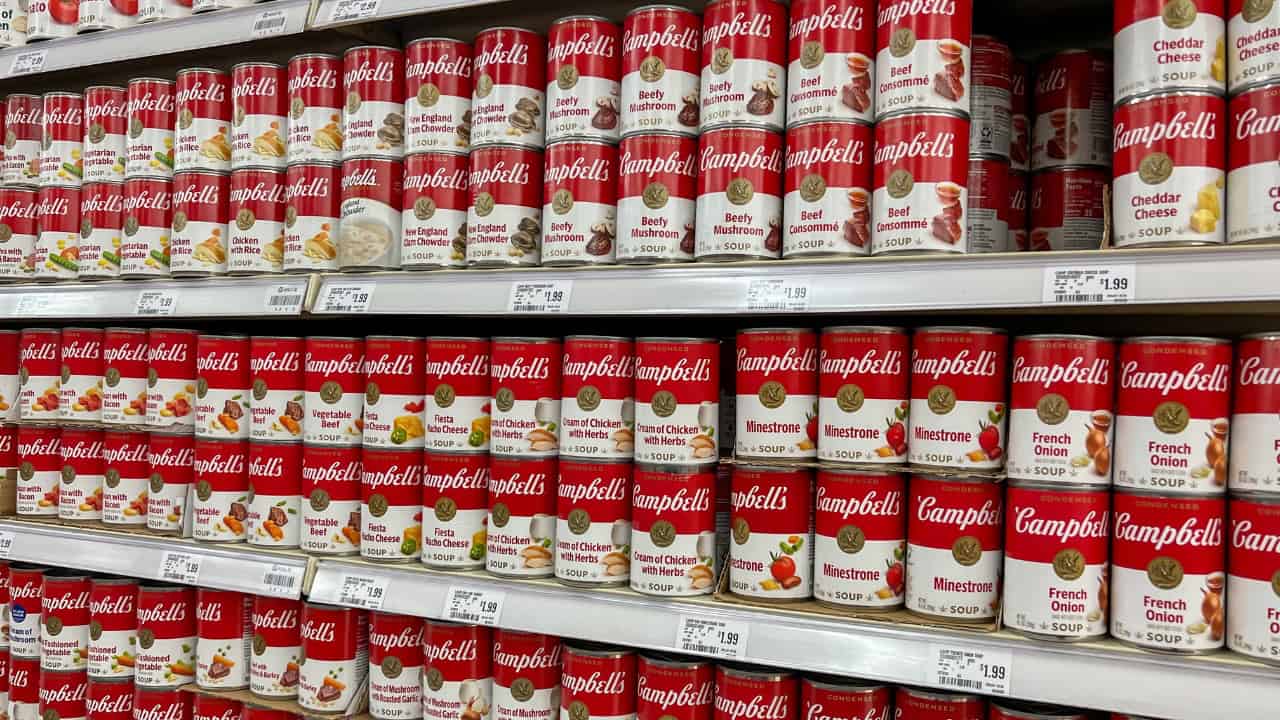
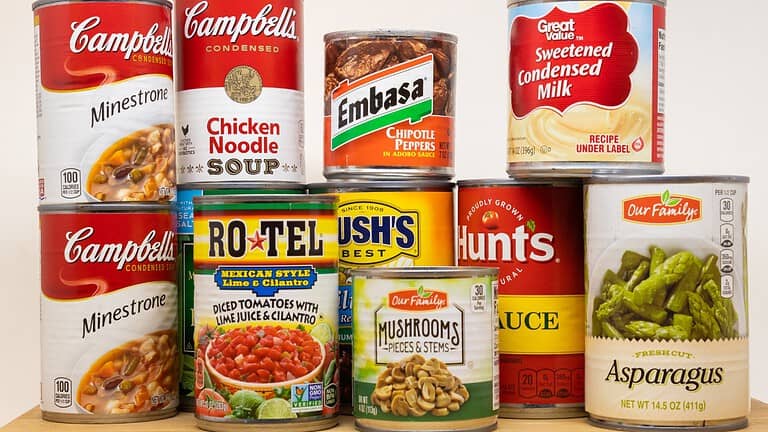
You might reach for canned soups thinking they’re a quick and easy healthy option. But be cautious—many contain high levels of sodium and additives that aren’t great for you. Some options even have ingredients like MSG and BPA, which aren’t the best for your health.
Even if the label claims it’s a low-calorie choice, these soups could still contain unwanted extras. Some brands also use genetically modified ingredients alongside pesticides, which may not align with your dietary preferences.
Next time you’re at the grocery store, take a closer look at the labels. It’s worth considering making soup at home to have more control over the ingredients. If you’re set on canned options, find ones that align better with your nutritional needs. Check out more about these unhealthy canned soups to make an informed choice.
6. Multigrain Bread
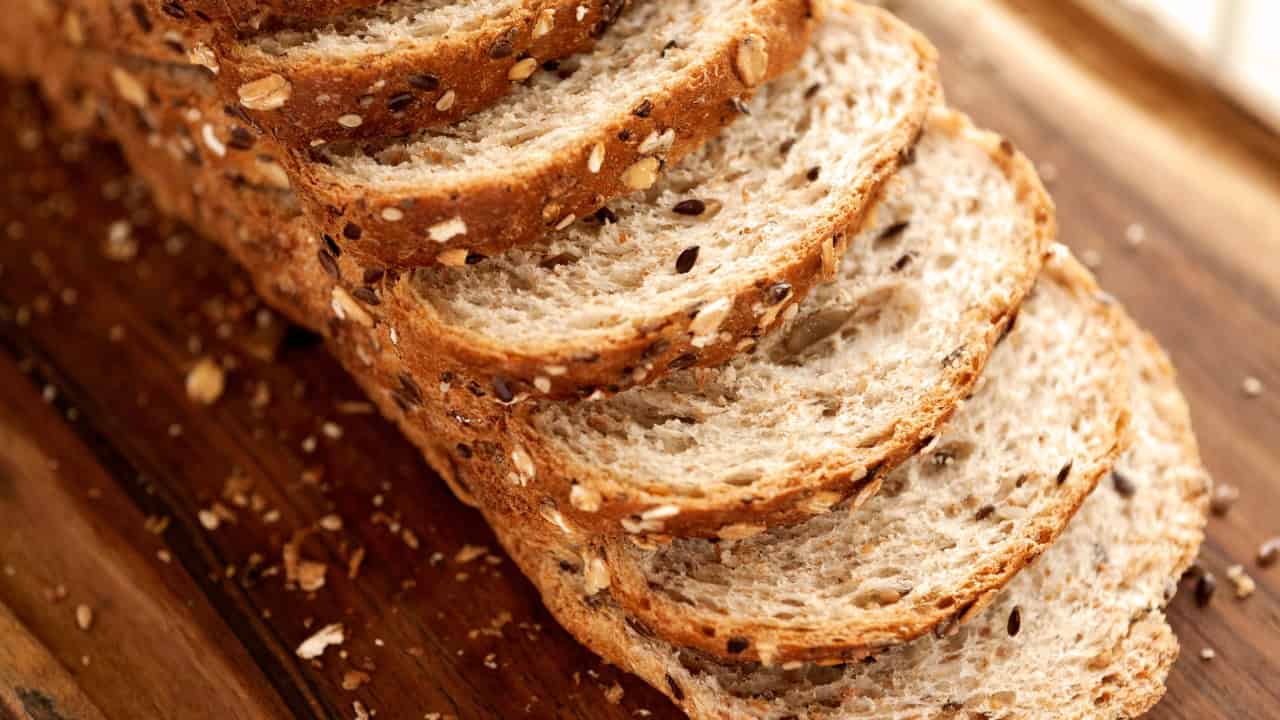
You might think multigrain bread is the way to go for a healthier option, but that’s not always the case. Even though it’s marketed as a nutritious choice, the ingredients can tell a different story. Many multigrain breads contain refined flour alongside the grains, which reduces their nutritional value.
Some multigrain breads are packed with preservatives and additives that aren’t great for you. Labels can be misleading too. Words like “multigrain” don’t automatically mean healthy, so it’s important to check the nutritional info.
A good rule of thumb is to look for breads that list whole grains as the first ingredient. If it doesn’t, you’re probably not getting the full benefits. Check the fiber content as well; high fiber is a sign of quality grain use. For more details on this topic, take a look here.
7. Energy Drinks
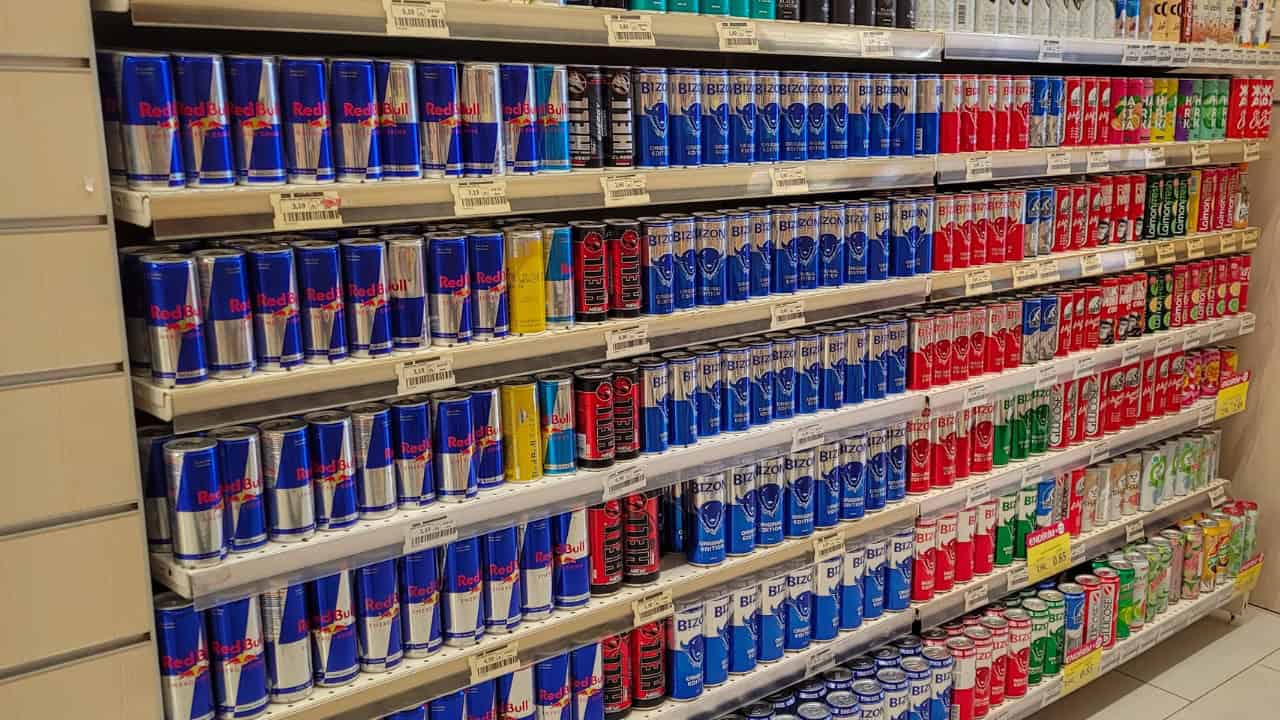
When you’re looking for a quick energy boost, energy drinks might catch your eye. Despite being popular, they often contain a lot of sugar and caffeine. For example, Red Bull includes 151 mg of caffeine and 51 grams of sugar, making it a not-so-healthy choice.
You might think they’re just caffeinated beverages, but the calorie and sugar content can add up quickly. Drinks like Rockstar and Bang are known for their high sugar levels. These drinks can cause a rapid spike in your energy, followed by a crash.
If you consume these regularly, it’s easy to exceed the recommended intake of sugar, which can negatively impact your health. Be cautious and aware of the ingredients you consume when choosing an energy drink. Consider healthier alternatives that provide sustainable energy without excess sugar and calories.
8. Dried Fruit

Dried fruit seems like a convenient way to enjoy fruit on the go. It’s often thought of as a healthy snack.
While it’s true that dried fruit retains many nutrients, it’s also high in sugar and calories. The lack of water means nutrients are concentrated, including sugar.
Some packaged versions even have added sugars or sweeteners, which can make them less healthy. Dried fruit can also stick to your teeth, potentially causing dental issues.
To enjoy dried fruit in a healthier way, look for options without added sugar and keep portion sizes in check. For more about dried fruit, check out these concerns associated with it.
9. Low-Fat Salad Dressing
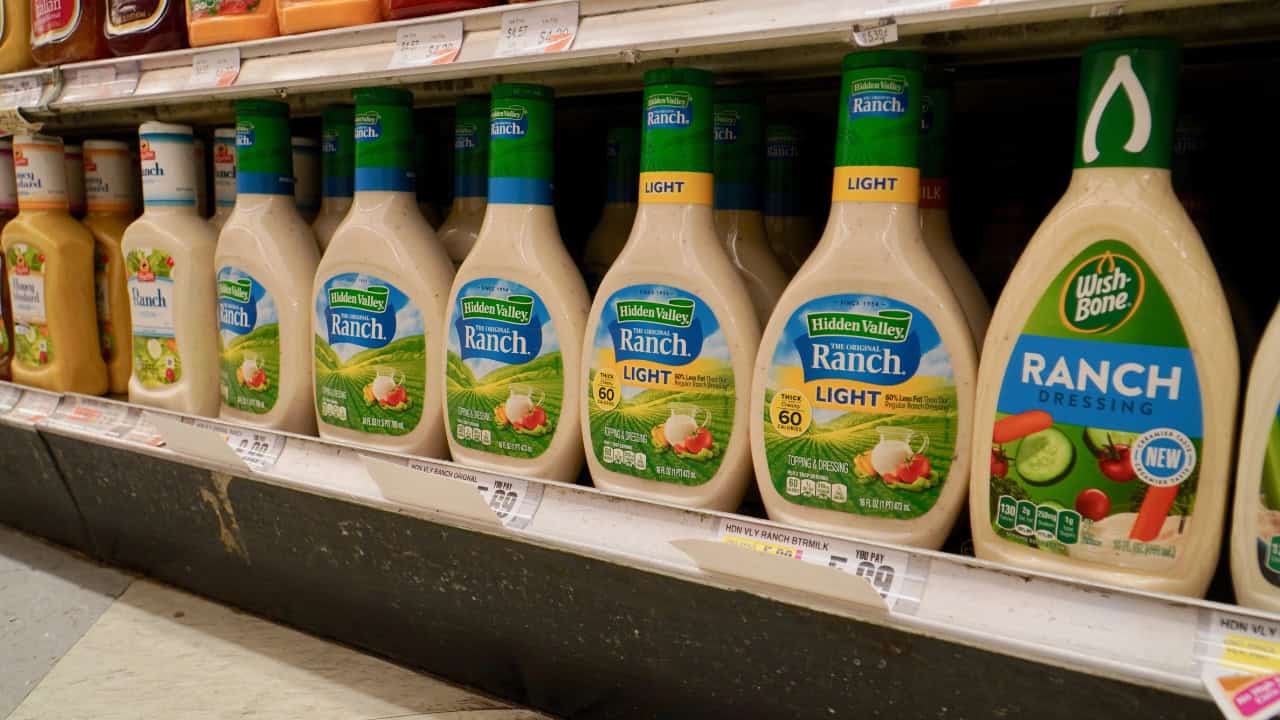
You might think you’re making a healthy choice by opting for low-fat salad dressing, but think twice. These dressings often replace healthy fats with sugar, artificial ingredients, and additives, which can be harmful in the long run.
Low-fat options often lose the benefits offered by good fats, like the ones found in olive oil. Additionally, without enough fat, your body may struggle to absorb the essential nutrients in your salad, such as carotenoids from leafy greens.
Many brands use ingredients like high fructose corn syrup to enhance flavor, which defeats the purpose of choosing a healthier option. You’re better off making your own dressing at home using simple ingredients. For more info, see how low-fat salad dressings are misleadingly marketed.
10. Gluten-Free Snacks
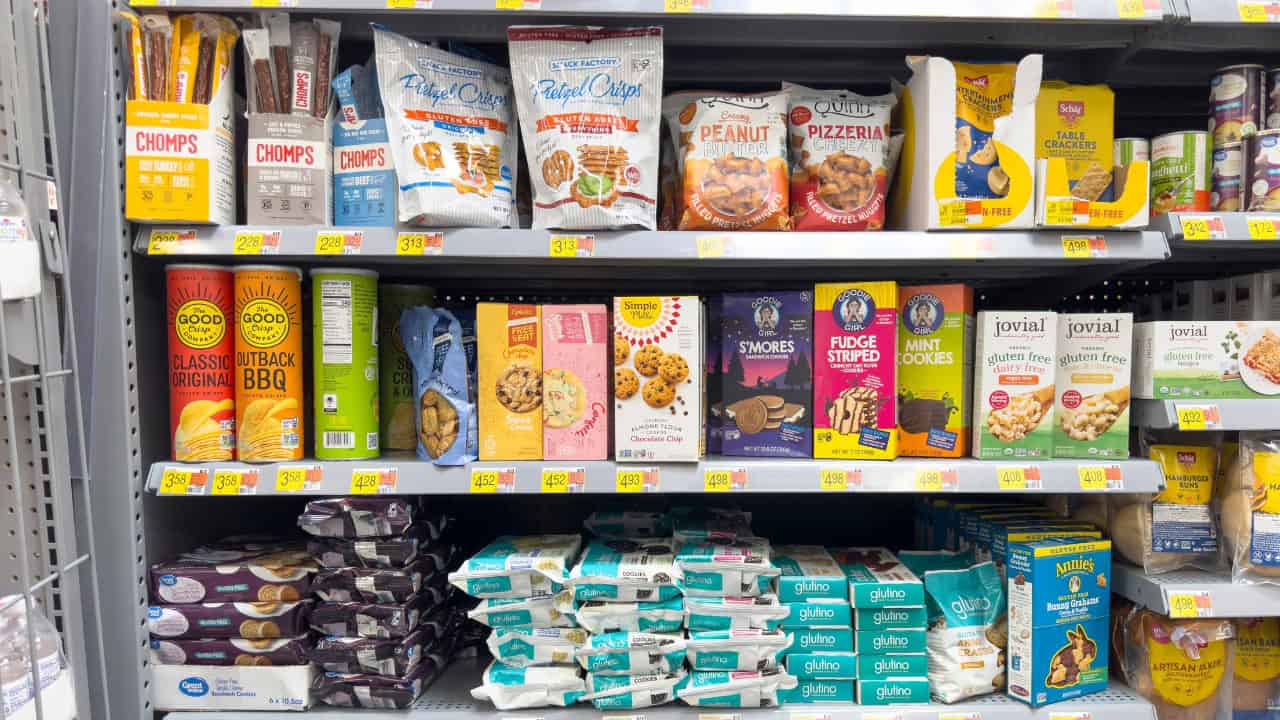
You might think gluten-free snacks are better for you, but that’s not always the case. Many processed gluten-free snacks have the same amount of unhealthy fats and added sugars as their gluten-filled counterparts. They often lack fiber and essential nutrients found in whole-grain options.
Some gluten-free snacks like chips and sweets can be quite calorie-dense. It’s easy to overindulge without realizing it. Choosing naturally gluten-free foods, such as fruits and vegetables, can be a healthier alternative.
Be mindful of snack bars and packaged items that are marketed as gluten-free. They might not always be the best option for a balanced diet. It’s important to check the labels and be aware of the ingredients in these products. Eating whole foods and limiting processed snacks is a good way to maintain a healthier eating pattern. For more on this, check out common errors with gluten-free snacks.
*This article was created with the help of AI.