If you want a garden that looks great year after year without the hassle of replanting, choosing flowers that come back on their own is a smart move. These plants save you time and effort because they regrow every season without needing to be started from scratch.
You can enjoy beautiful blooms again and again without having to dig, sow, or buy new plants each year. This makes caring for your garden easier and more enjoyable, especially if you’re looking for low-maintenance options that still add color and life to your outdoor space. For ideas, check out flowers that grow back on their own.
Advertisement
Peonies
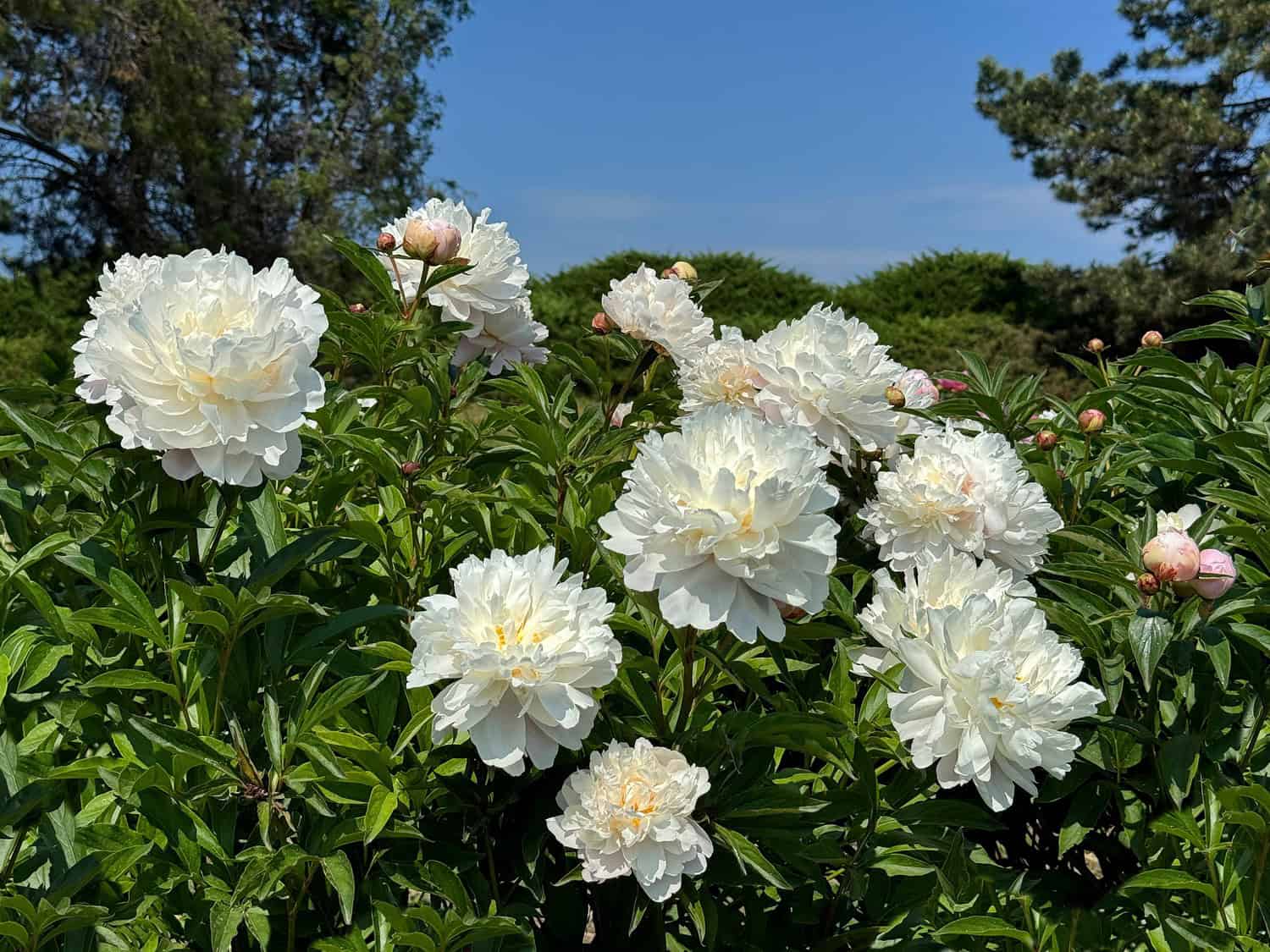
Peonies are great if you want flowers that come back year after year with little fuss. You just need to plant them in a sunny spot and give them well-drained soil.
They can take a little time to settle but will bloom beautifully once established. If you ever move, try to keep as many roots intact when transplanting to help them bounce back well.
For tips on common issues and care, check out this guide on peony problems and solutions.
Black-eyed Susans
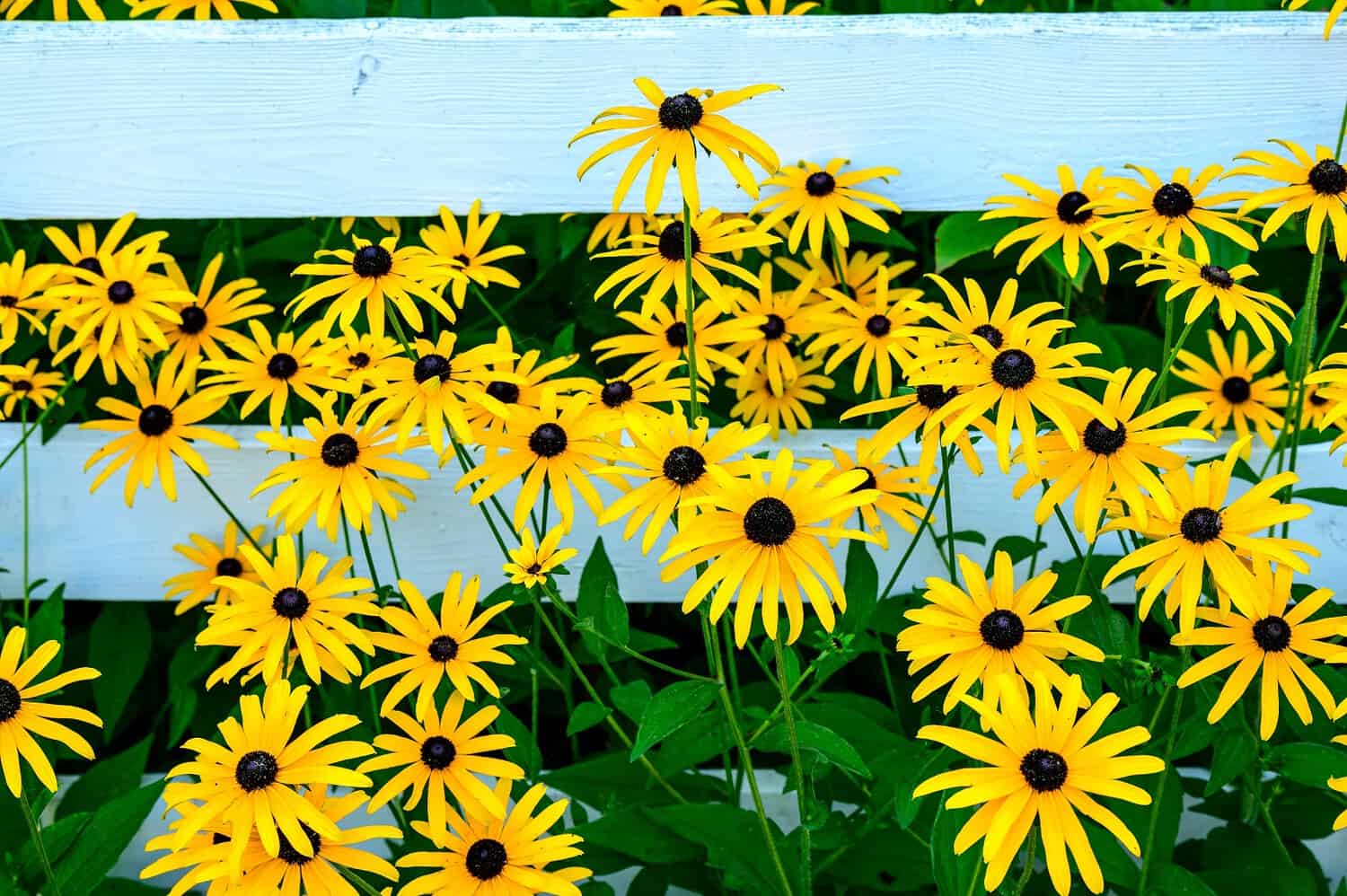
Black-eyed Susans are tough perennials that usually come back year after year. You might see them disappear sometimes, but they often reseed themselves to return in your garden.
They prefer full sun and well-drained soil, and once established, they don’t need much care. If yours didn’t come back last year, it might be worth checking seed growth or soil conditions.
Purple Coneflowers
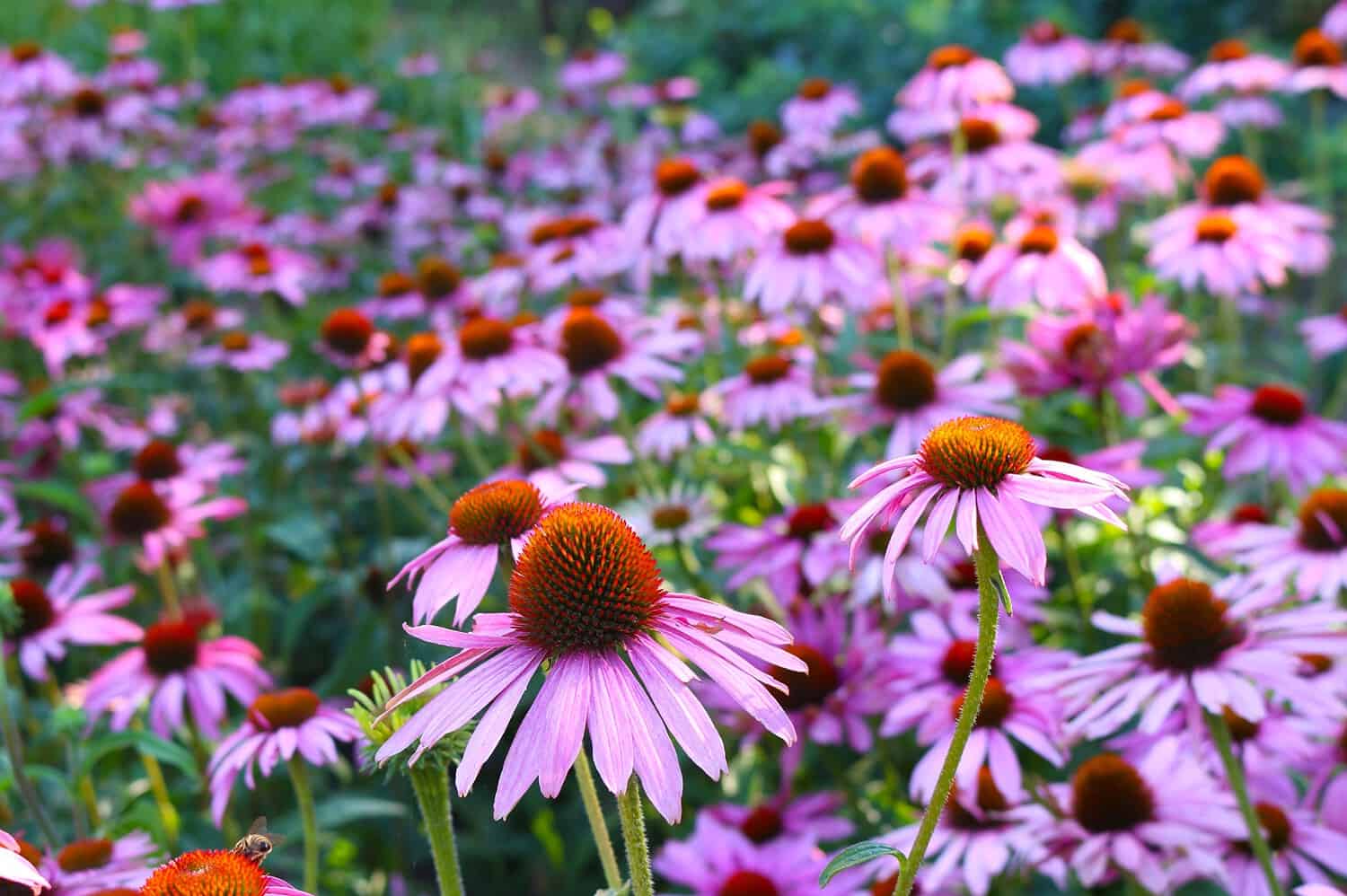
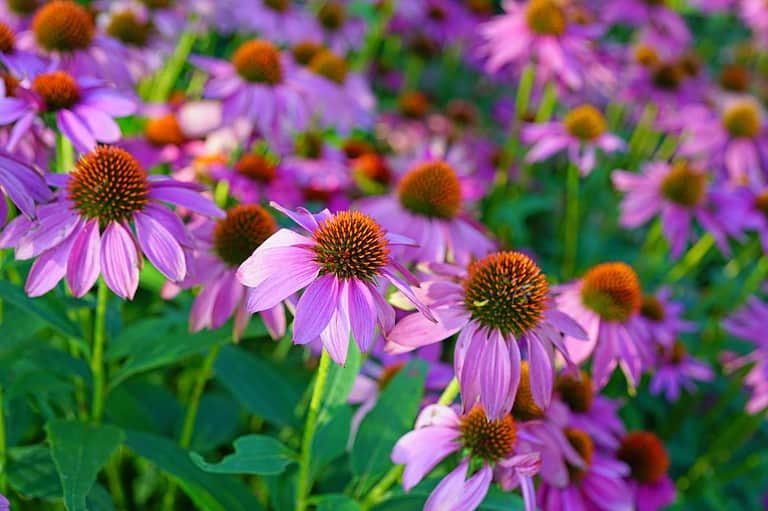
Purple coneflowers are pretty low-maintenance perennials that come back year after year. You’ll find them thriving in full sun and can grow up to 3 feet tall.
Sometimes, their colors might shift a bit due to weather conditions, but they usually return to that classic purple shade over time. With a little care, these flowers can brighten your garden season after season.
Daylilies

Daylilies are tough and low-maintenance flowers that keep coming back year after year. Once planted, you rarely need to replant them because they spread naturally by their roots.
You’ll find many varieties that even rebloom, giving you more flowers throughout the season. Check out popular rebloomers like Stella De Oro for extended color in your garden.
Rose Bushes
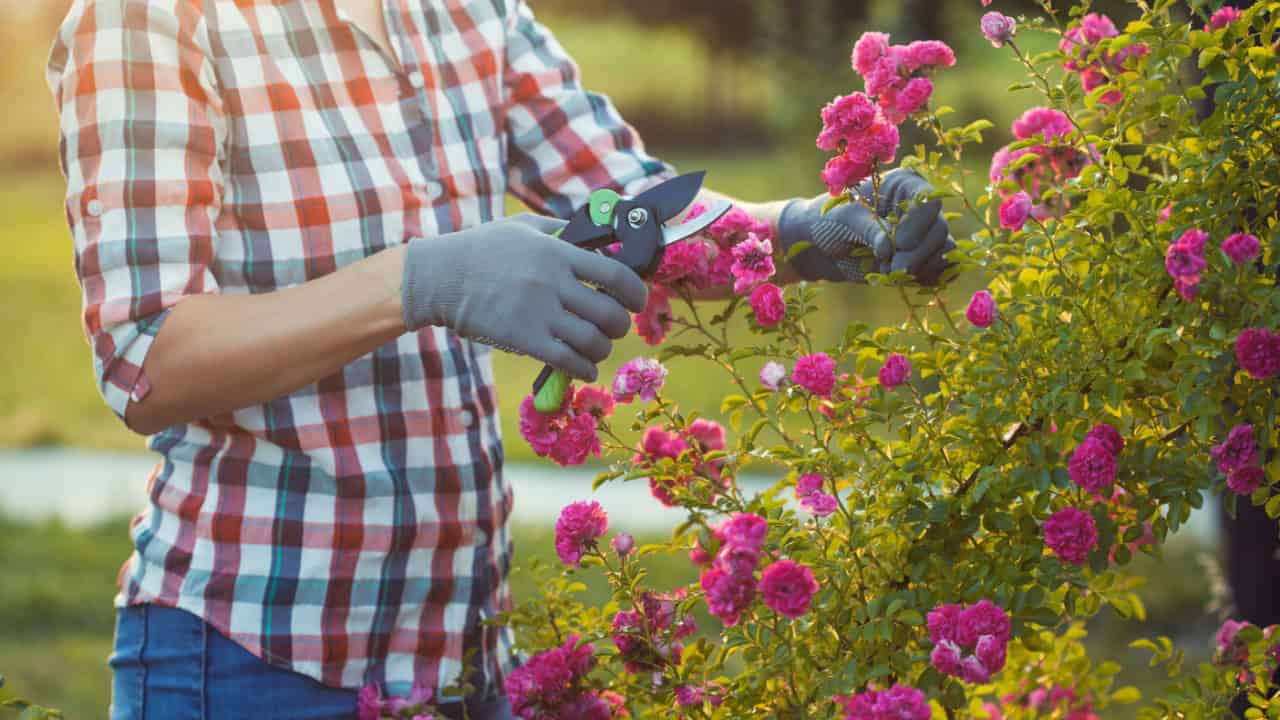
Rose bushes can come back year after year with the right care. You’ll want to prune them regularly and avoid overusing high nitrogen fertilizers, as this can reduce blooms. Some varieties, like Oso Easy roses, are easier to maintain and still produce good-sized flowers.
Removing unwanted rose bushes means digging up as many roots as possible to prevent new shoots from popping up later. For more tips on managing roses, check out how to get rid of an unwanted rose bush.
Hydrangeas
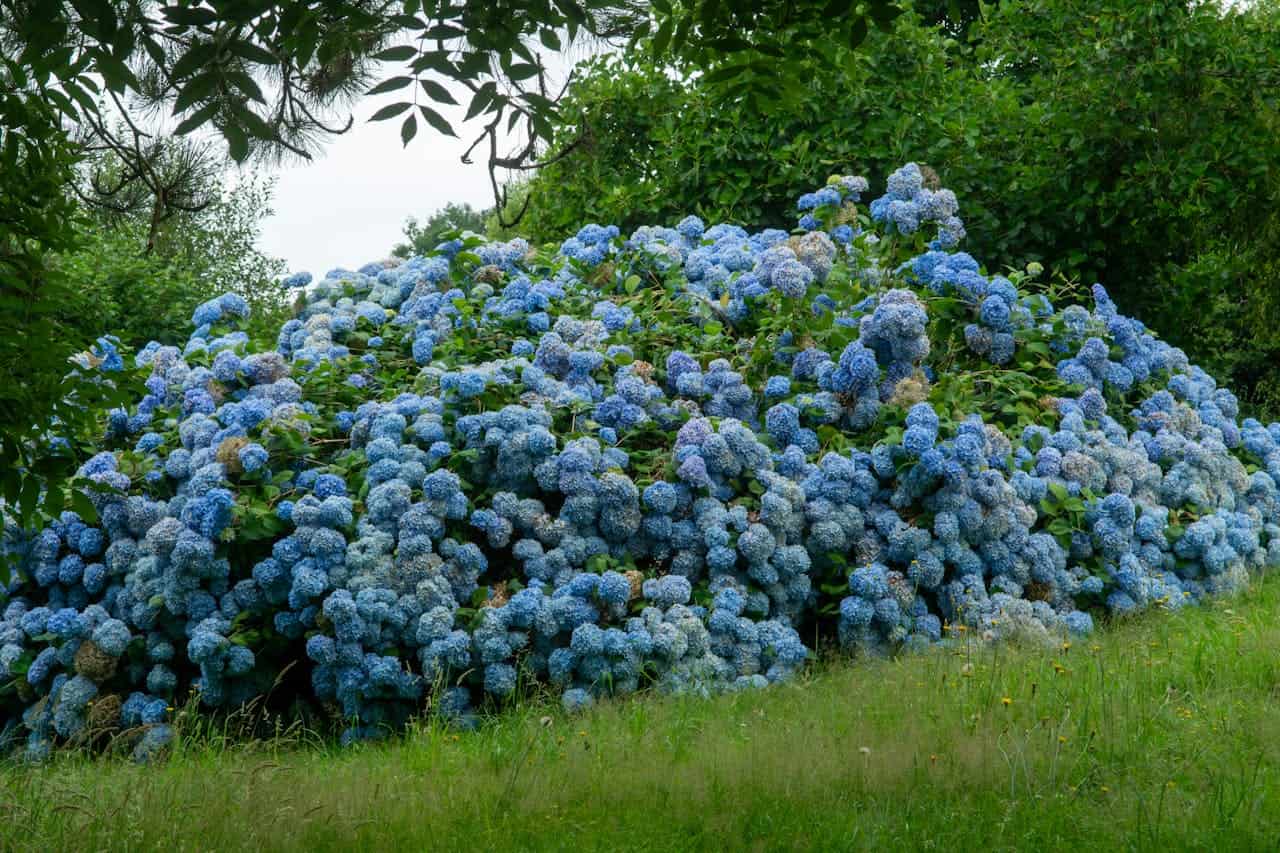
Hydrangeas come back year after year from their roots, so you don’t have to replant them. You just need to prune the stems properly to keep them healthy and encourage new growth.
Make sure they get about three hours of sun daily to bloom well, and be careful not to overwater or over-fertilize your plants. Feeding them with plant food during bloom time helps keep the flowers coming.
Tulips
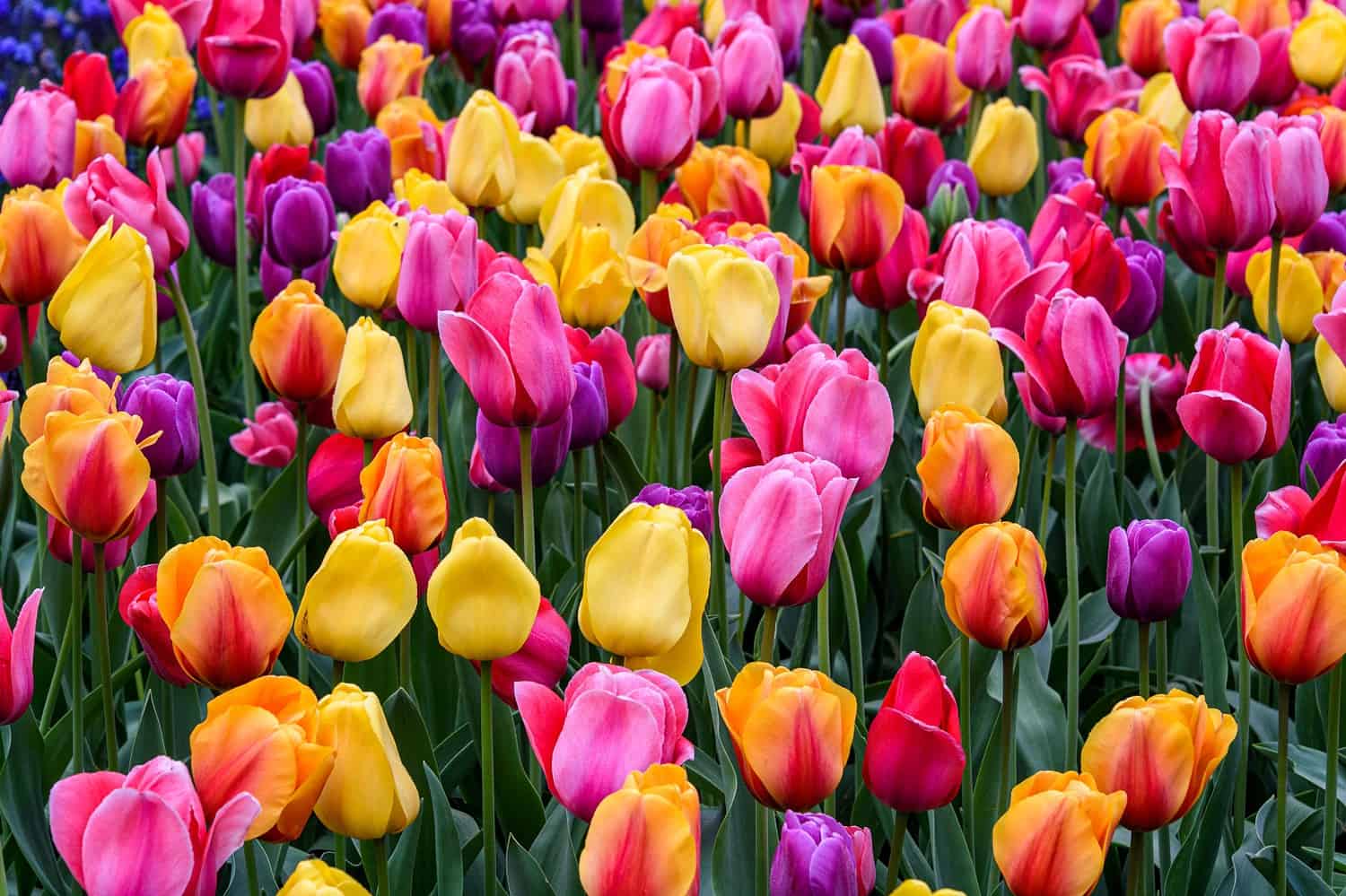
Tulips can come back year after year, but they need the right conditions. You should plant bulbs in well-drained soil and deep enough—about eight inches—to help them survive and bloom again.
Keep in mind, tulips use a lot of energy to bloom, so some may not come back strong every year. You might notice stronger flowers the first year, with smaller blooms or fewer flowers in later seasons.
Daffodils

If you plant daffodils, you’ll notice they come back year after year without much effort. They naturalize well, spreading slowly over time to fill in your garden.
Make sure to let their foliage die back naturally because the leaves help fuel next year’s growth. If your daffodils stop flowering, it might be due to planting them too shallow or other growing conditions.
Lavender

Lavender is a great choice if you want a low-maintenance flower that comes back every year. You’ll find it has hardy roots that survive winter and sprout new growth in spring.
It’s also pretty versatile—you can grow it in the ground or in pots. Just make sure it gets plenty of sunlight and well-drained soil.
Astilbe
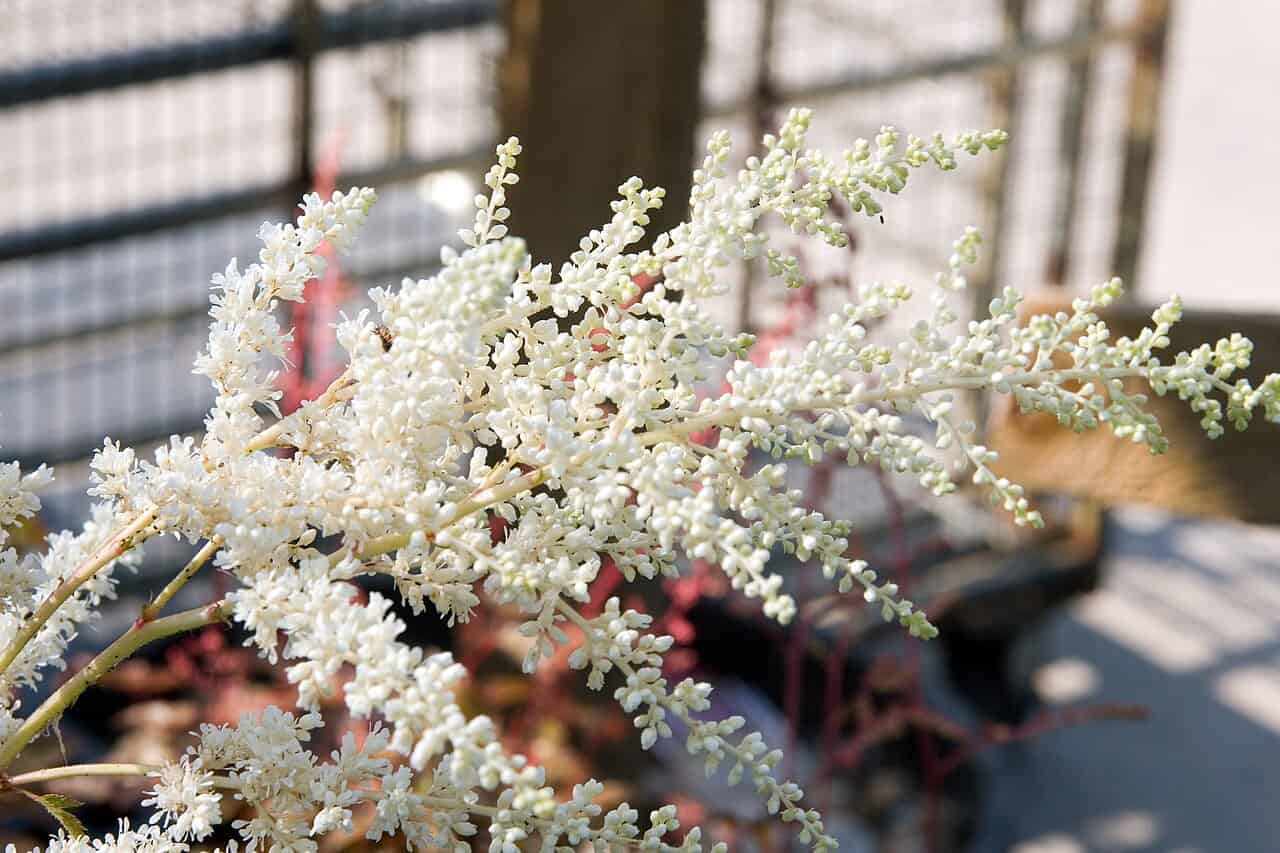
If you like low-maintenance flowers, astilbe is a solid pick. They come back year after year without needing replanting, especially if you grow them in partial shade.
You’ll see flower blooms once each season, then you can cut them back and enjoy their lush foliage until next year. Astilbes grow slowly but steadily, so patience pays off.