A clean sink and countertops make the whole kitchen feel fresher, but keeping them that way? That’s a different story. Between hard water spots, sticky spills, and crumbs that somehow find their way into every little crack, it feels like they’re dirty again five minutes after you just cleaned them.
Over the years, I’ve tried just about everything to keep my kitchen looking good without spending all day scrubbing. Some tricks work, some don’t, and some are total game-changers. The best ones? They’re fast, easy, and use things you probably already have at home. These simple hacks make cleaning sinks and countertops quicker and way less frustrating.
Advertisement
Stop Sticky Residue with Coconut Oil
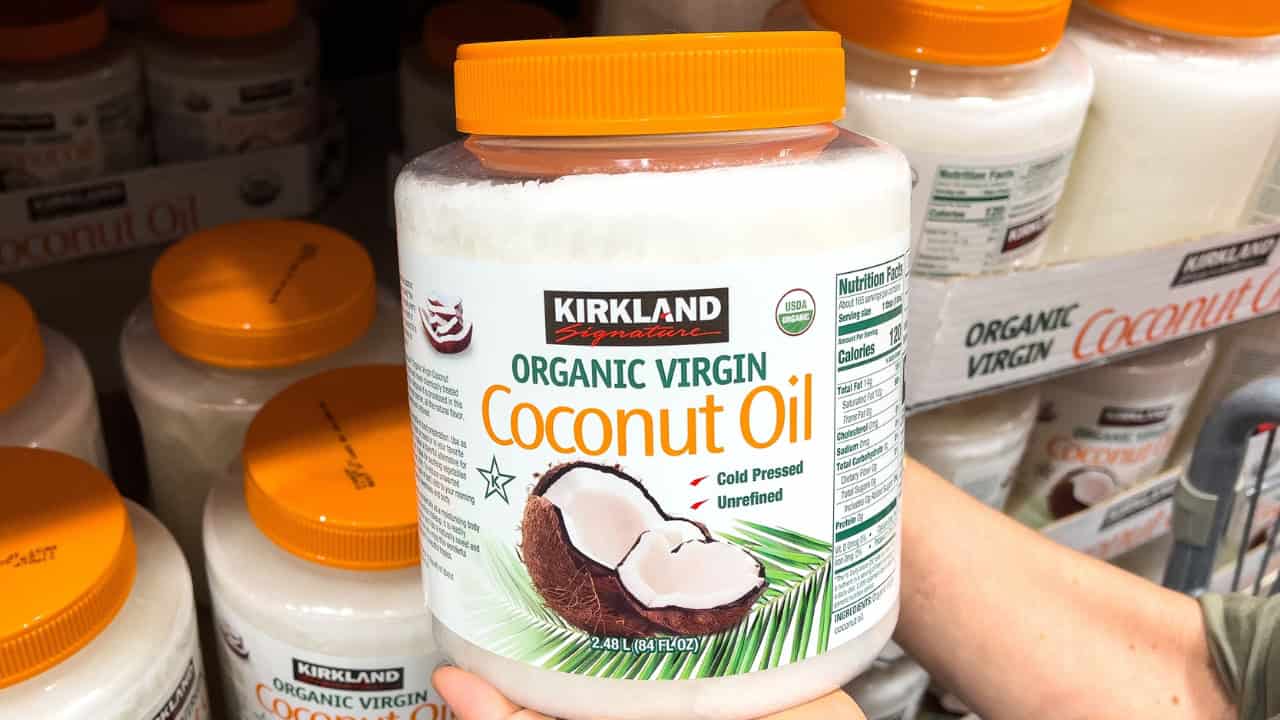
If your countertops have stubborn sticky spots from tape, labels, or spilled honey, coconut oil can take care of it without harsh chemicals. Just rub a little oil onto the sticky area, let it sit for a minute, and wipe it away with a dry cloth. The oil breaks down the residue so it comes right off.
This works great on laminate and sealed stone, but avoid using too much on porous surfaces. Afterward, wipe the area with warm, soapy water to remove any leftover oil, and your countertops will be smooth and clean again.
Freshen Up Granite with a DIY Spray
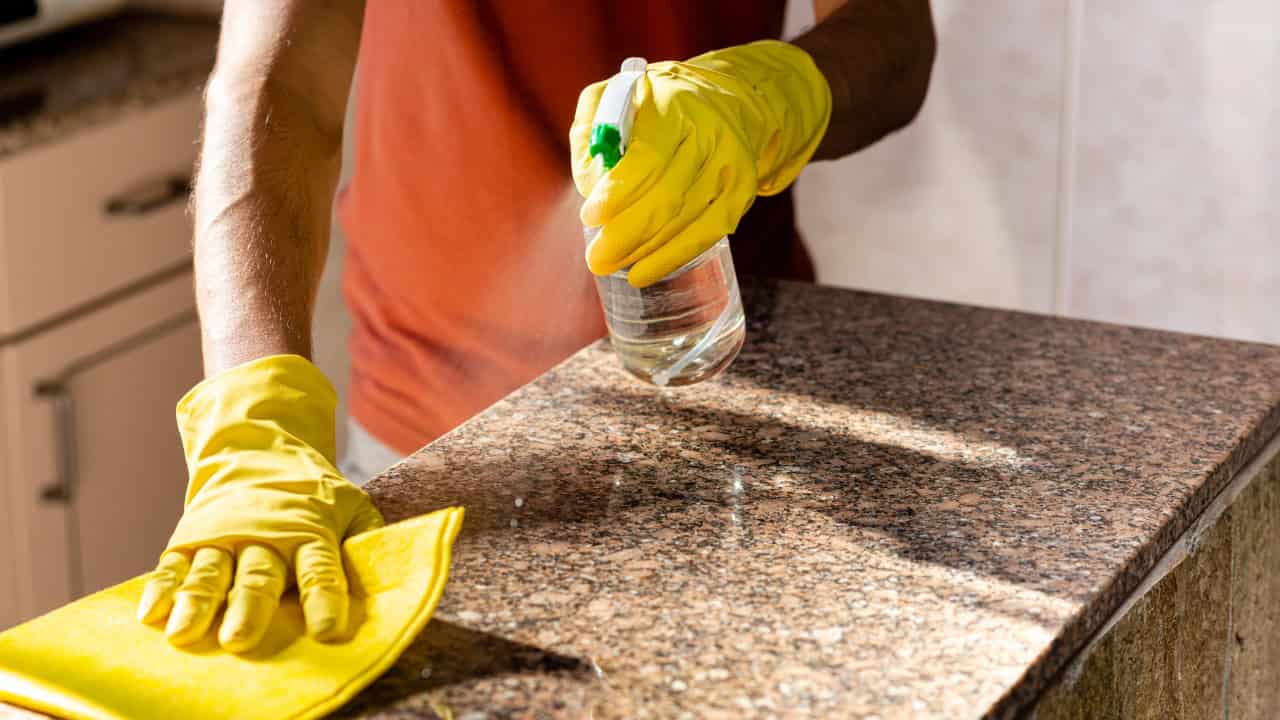
Granite counters can lose their shine over time, especially if they’re cleaned with the wrong products. A simple DIY spray keeps them looking new—just mix one cup of water, one teaspoon of dish soap, and a few drops of rubbing alcohol in a spray bottle. Spritz it on, wipe with a microfiber cloth, and buff dry.
This cleans without damaging the sealant and leaves granite streak-free. Unlike vinegar-based cleaners (which are a no-go for stone), this mix won’t break down the surface or leave a hazy film.
Get Rid of Stains with a Baking Soda Paste
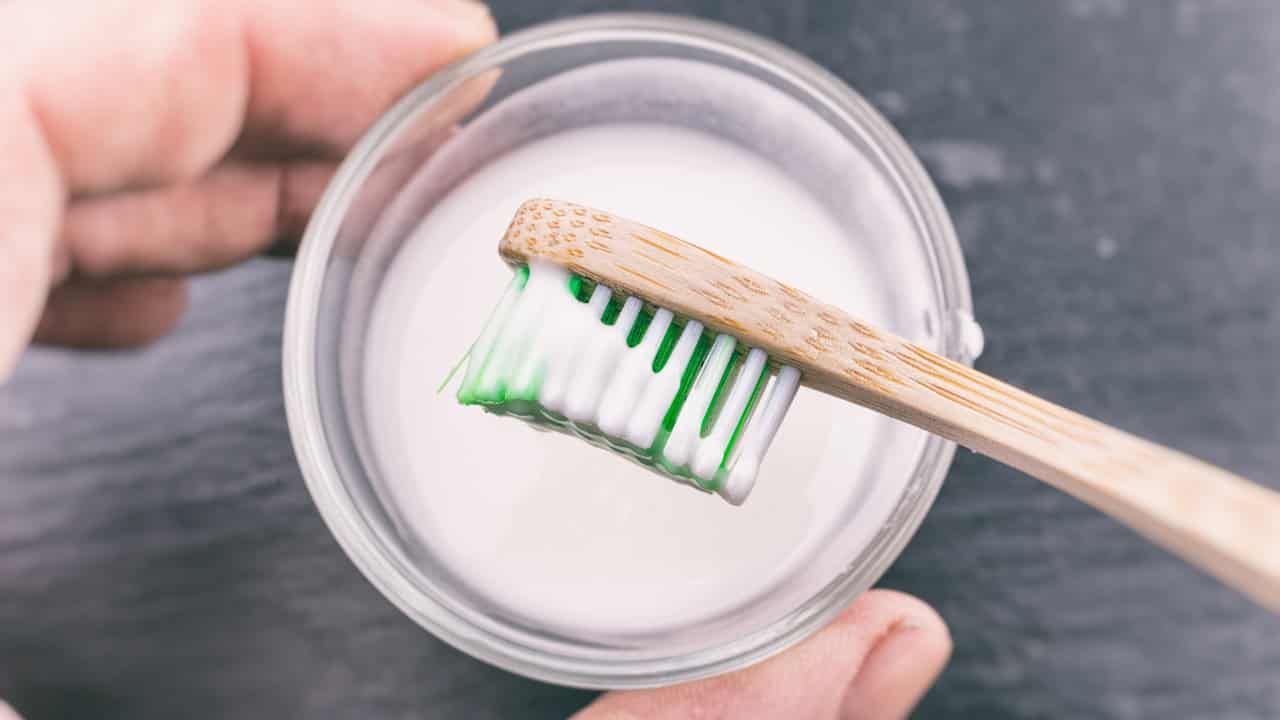
Coffee rings, wine spills, and other stains don’t have to be permanent. A simple baking soda paste can pull stains right out of most countertop surfaces. Just mix baking soda with a little water until it forms a thick paste, spread it over the stain, and let it sit for at least 10 minutes.
For tougher stains, let the paste dry before wiping it away. If you’re dealing with stone counters, skip acidic cleaners like vinegar and lemon—stick with mild soap and water to avoid damaging the surface.
Prevent Crumbs from Collecting in Cracks
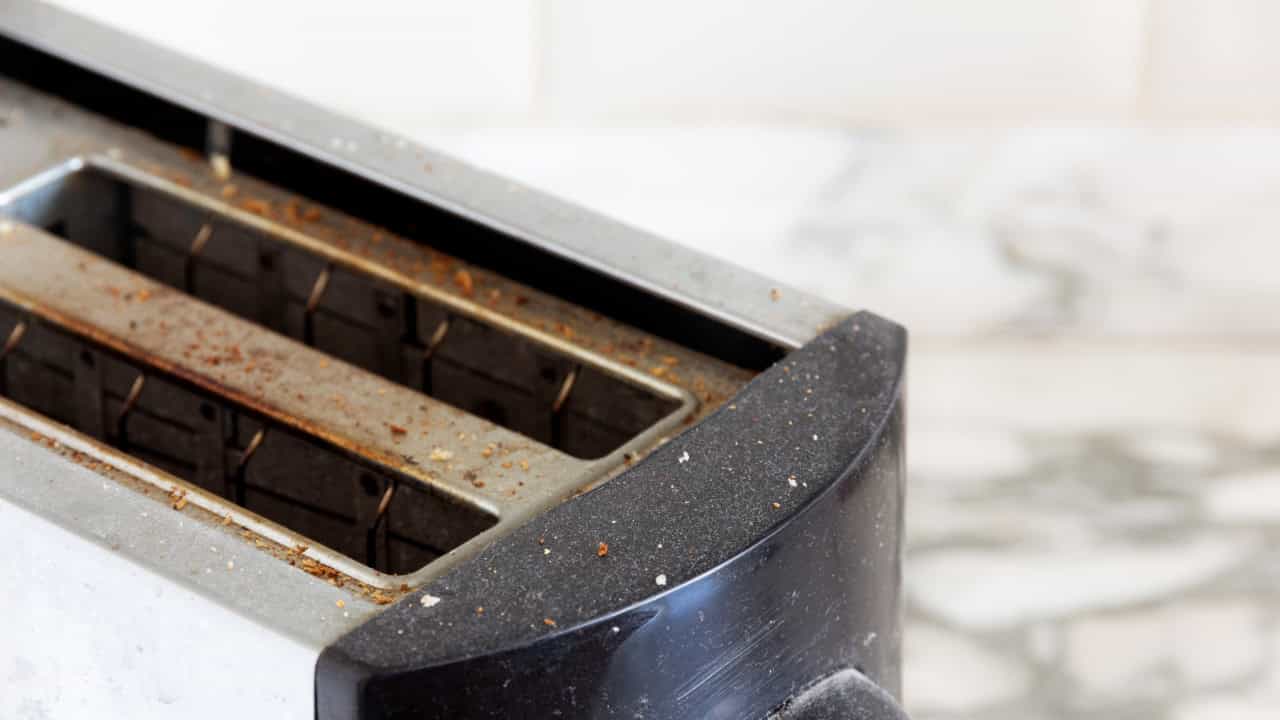
Crumbs love to hide between countertops and appliances, and getting them out can be a pain. A butter knife wrapped in a damp paper towel works great for pulling them out without making a bigger mess. Just slide it along the gap, and the towel will grab all the crumbs and dust stuck in there.
To keep crumbs from getting stuck in the first place, run a thin line of clear caulk between the counter and stove. It seals the gap so nothing can fall in, making cleanup way easier in the long run.
Remove Water Spots with a Simple Flour Polish
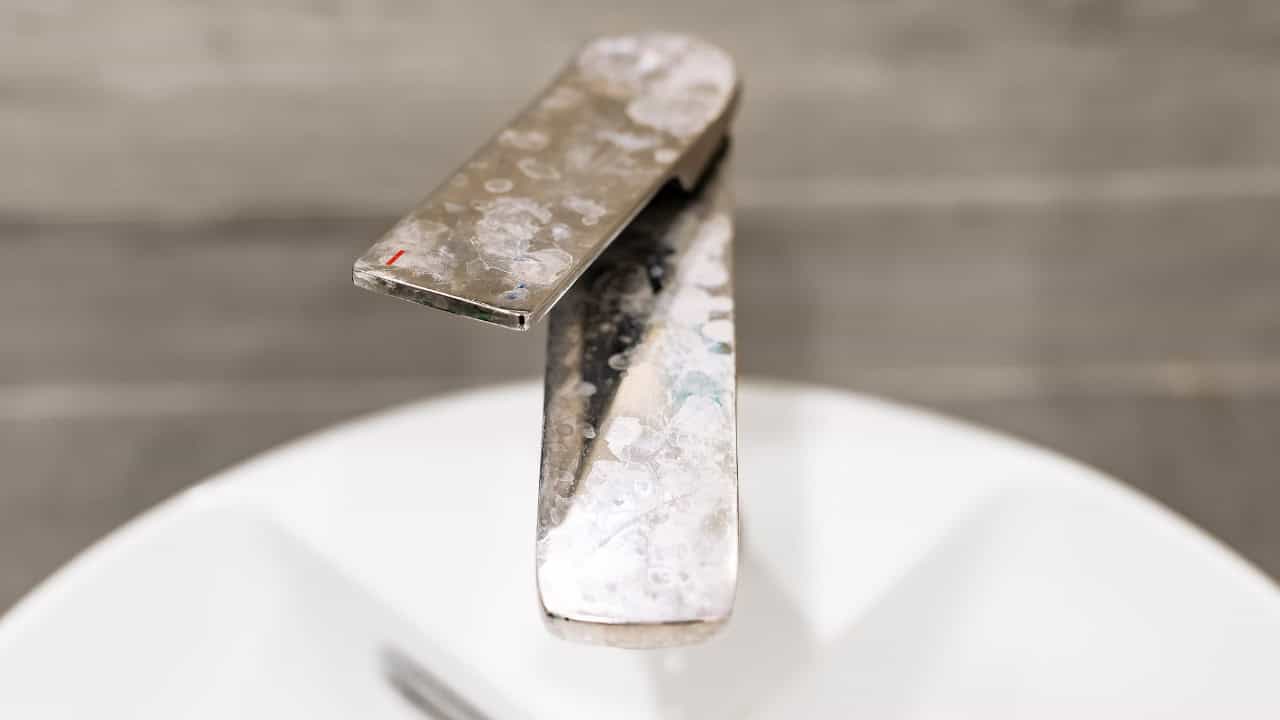
If your stainless steel sink is looking dull or covered in water spots, a little flour can bring back the shine. Once the sink is clean and completely dry, sprinkle a small amount of flour over the surface. Use a soft cloth to buff in circles, and within seconds, your sink will have a fresh, polished look.
This works because the flour absorbs leftover moisture and grime that regular wiping can miss. Just make sure the sink is completely dry before you start—otherwise, you’ll end up with a goopy mess instead of a polished shine.
Keep Your Faucet Sparkling with Wax Paper
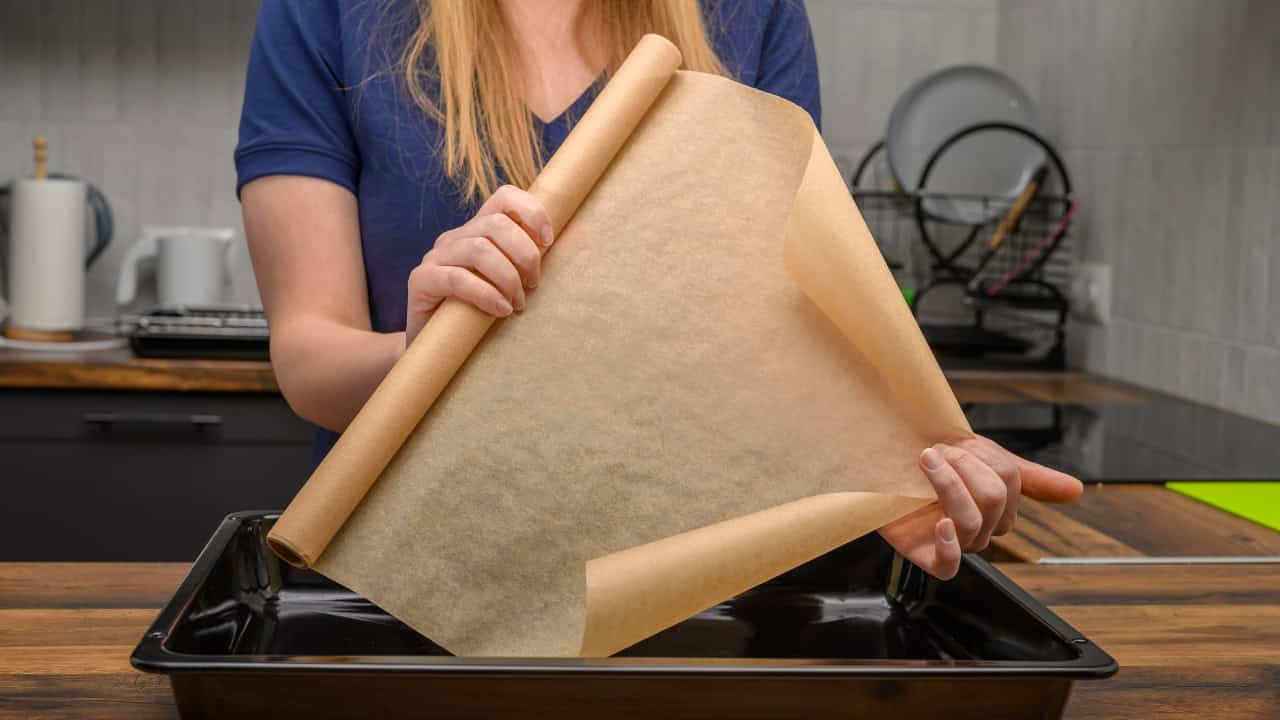
Faucets collect water spots and fingerprints fast, and wiping them down constantly gets old. A quick fix? Wax paper. After cleaning your faucet, rub a sheet of wax paper over the surface. It creates a light barrier that repels water and keeps smudges from sticking.
This trick works on stainless steel and chrome, making faucets look cleaner for longer. Plus, it only takes a few seconds and saves you from wiping down the sink every five minutes.
Freshen Up Your Drain with Baking Soda and Vinegar
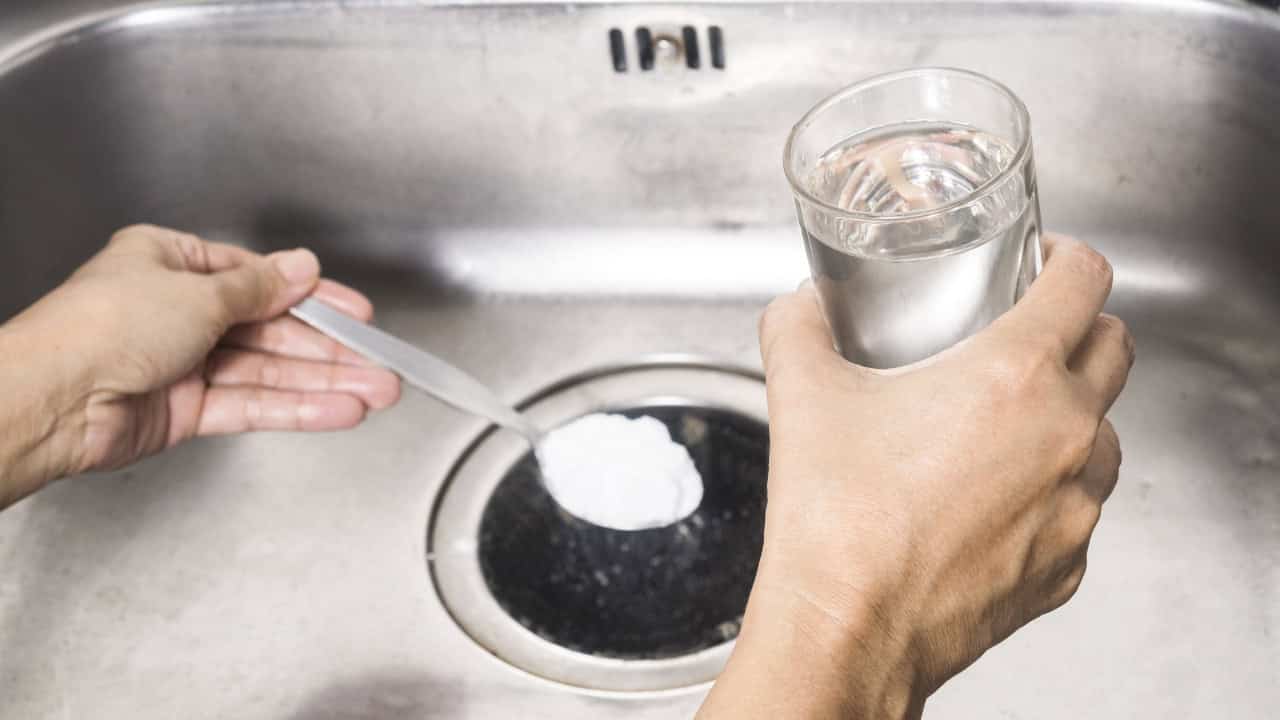
If your sink drain has a lingering smell, it’s probably from grease and food buildup. Instead of dumping in chemical cleaners, use baking soda and vinegar. Sprinkle about half a cup of baking soda down the drain, then slowly pour in a cup of vinegar. Let it fizz for a few minutes while it breaks down the gunk, then flush it with hot water.
This not only clears out buildup but also keeps your drain smelling fresh. Doing this once a week helps prevent clogs and keeps things flowing like they should. Plus, no harsh chemicals going down the pipes.
Scrub Away Stains with a Magic Eraser
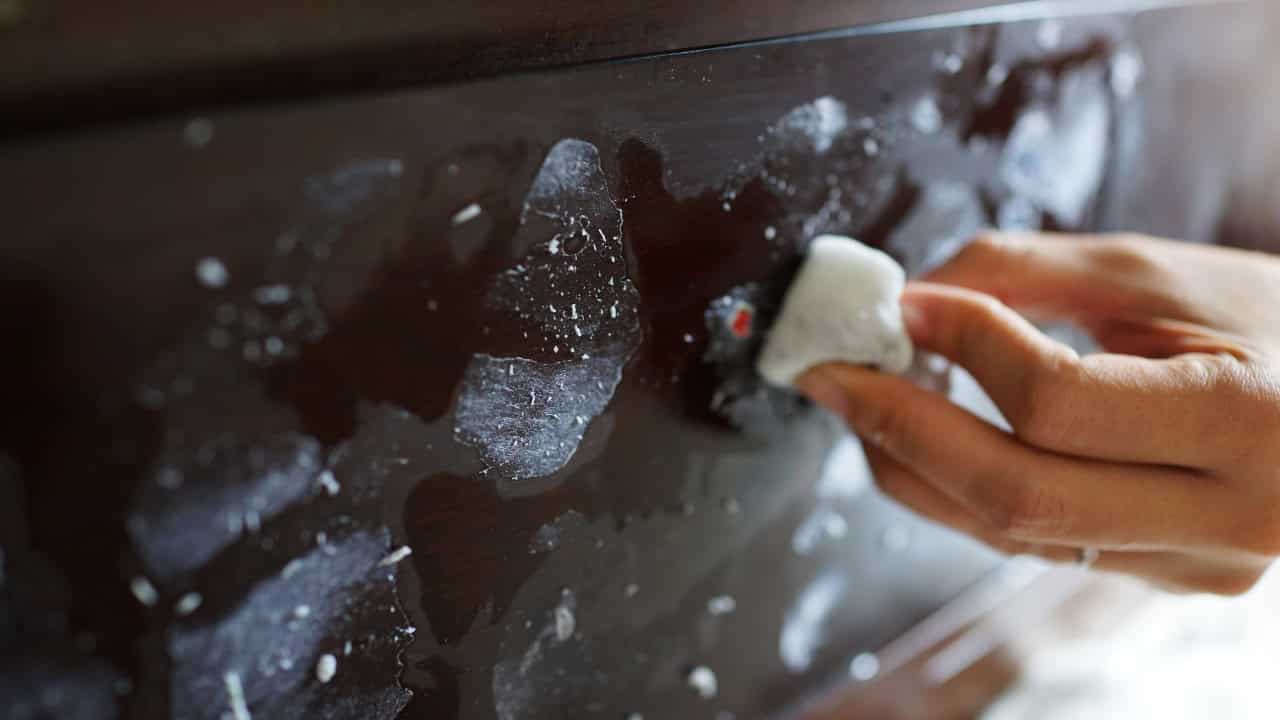
For sinks that always seem to have stubborn stains—especially porcelain—magic erasers work like a charm. Wet the eraser and gently scrub any marks, coffee rings, or scuffs. It lifts stains that regular scrubbing can’t without needing harsh cleaners.
For deeper stains, add a little baking soda to the mix and scrub in circular motions. It takes minimal effort, and the sink will look noticeably cleaner in seconds. Just go easy on matte or brushed finishes since magic erasers are slightly abrasive.
Use Hydrogen Peroxide to Whiten Grout
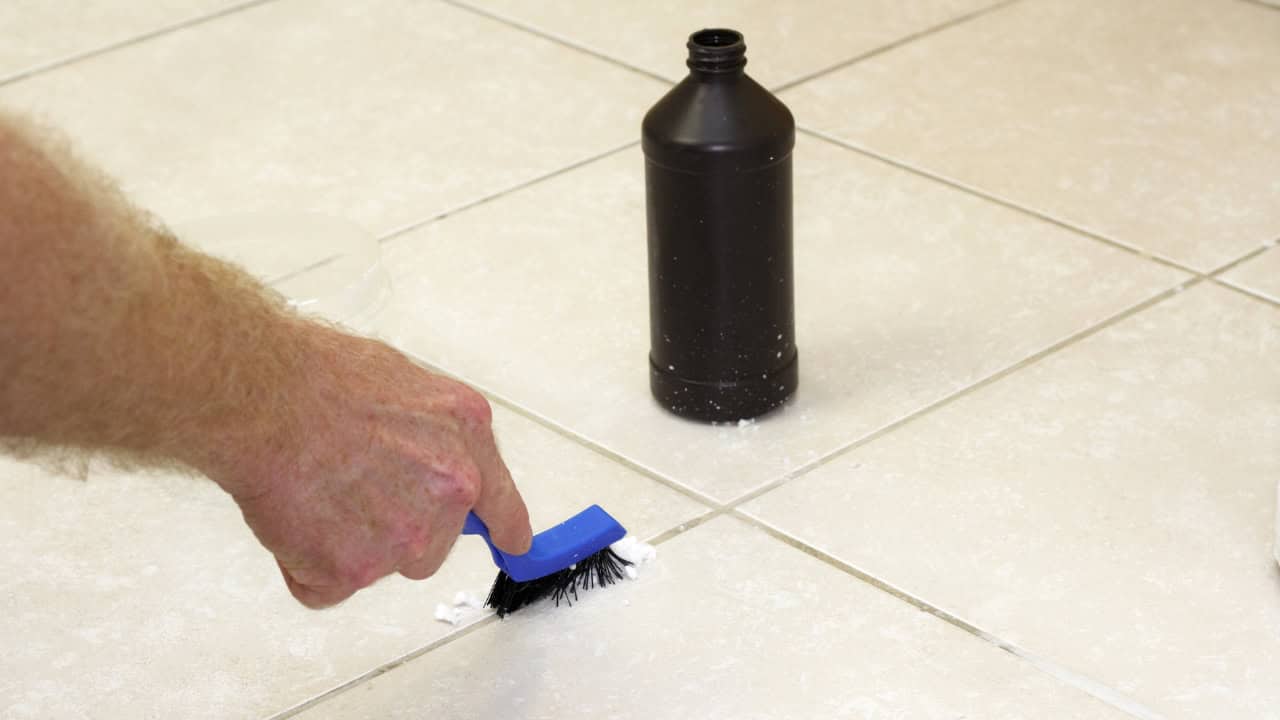
If the grout between your countertops or backsplash is looking dingy, hydrogen peroxide can brighten it up fast. Just pour a little onto an old toothbrush and scrub along the grout lines. It lifts stains without needing heavy-duty cleaners or a ton of scrubbing.
For extra stubborn spots, mix peroxide with baking soda to make a paste, let it sit for about 10 minutes, then scrub. Wipe everything clean with a damp cloth, and the grout will look way better without any strong fumes or harsh chemicals.
Buff Countertops with Rubbing Alcohol

Streaky countertops are frustrating, especially when they never seem to look completely clean. Rubbing alcohol can fix that. Just dampen a microfiber cloth with a little rubbing alcohol and wipe down your counters. It cuts through grease, dries quickly, and leaves a streak-free shine.
This works great for quartz and laminate, but skip it on stone like marble or granite—alcohol can damage the sealant over time. For those, stick to mild dish soap and water. A quick buff with rubbing alcohol makes countertops look cleaner without feeling greasy or sticky.
*This article was created with the help of AI.