As the seasons change, so do the needs of your flower garden. Whether transitioning from the cool, crisp autumn to the frosty winter, or from the vibrant spring to the hot summer, each shift requires careful planning and preparation to ensure your garden remains healthy and vibrant. This is no easy task, and that’s why we’ve consulted with gardening experts to bring you their top tips for successfully transitioning your flower garden between seasons. In this post, we’ll explore the essential steps to maintain the beauty and vitality of your garden all year round.
1. Understand the Seasonal Needs of Your Plants
Each plant in your garden has unique needs that vary with the seasons. Knowing what each plant requires will help you provide optimal care.
Advertisement
For instance, some plants require more water during the hot summer months, while others need to be pruned during the fall to prepare for winter dormancy. For example, roses should be pruned in early spring, just before they start growing. On the other hand, hydrangeas bloom on old wood, so they should be pruned immediately after their flowers fade. Always research your plants’ seasonal needs or consult with a gardening expert to ensure you’re providing the right care at the right time.
2. Adjust Watering Habits

Your watering routine should change with the seasons. While plants generally need more water in the hotter months, overwatering during cooler seasons can lead to plant diseases.
In summer, water your garden in the early morning or late evening when temperatures are cooler to reduce evaporation. Conversely, during fall and winter, try to water your plants in the midday when temperatures are warmest. Remember, less is more when it comes to watering in the cooler months, as overwatering can cause roots to rot.
3. Mulch Appropriately

Mulch is a gardener’s best friend. It helps retain moisture in the summer, insulates roots in the winter, and suppresses weed growth all year round.
In the summer, apply a layer of mulch to help your soil retain moisture and keep your plants’ roots cool. In the winter, a layer of mulch can protect your plants’ roots from freezing temperatures. Organic mulches like straw, wood chips, or compost can also improve your soil’s health as they decompose over time.
4. Seasonal Pruning
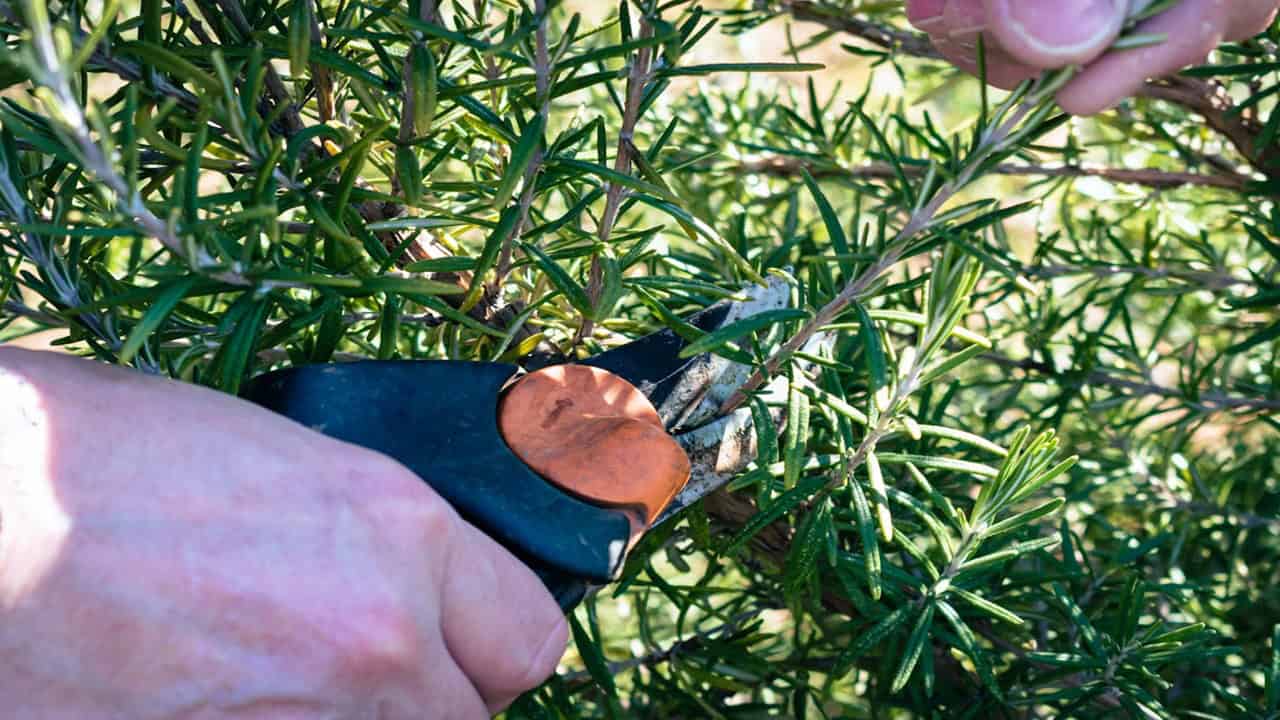
Pruning at the right time of year can promote the health and growth of your plants.
In general, spring-blooming plants should be pruned immediately after they finish flowering, while summer-blooming plants should be pruned in late winter or early spring before new growth begins. Pruning at the wrong time can lead to fewer blooms or even damage to the plant, so be sure to research the best time to prune each plant in your garden.
5. Prepare for Pests and Diseases
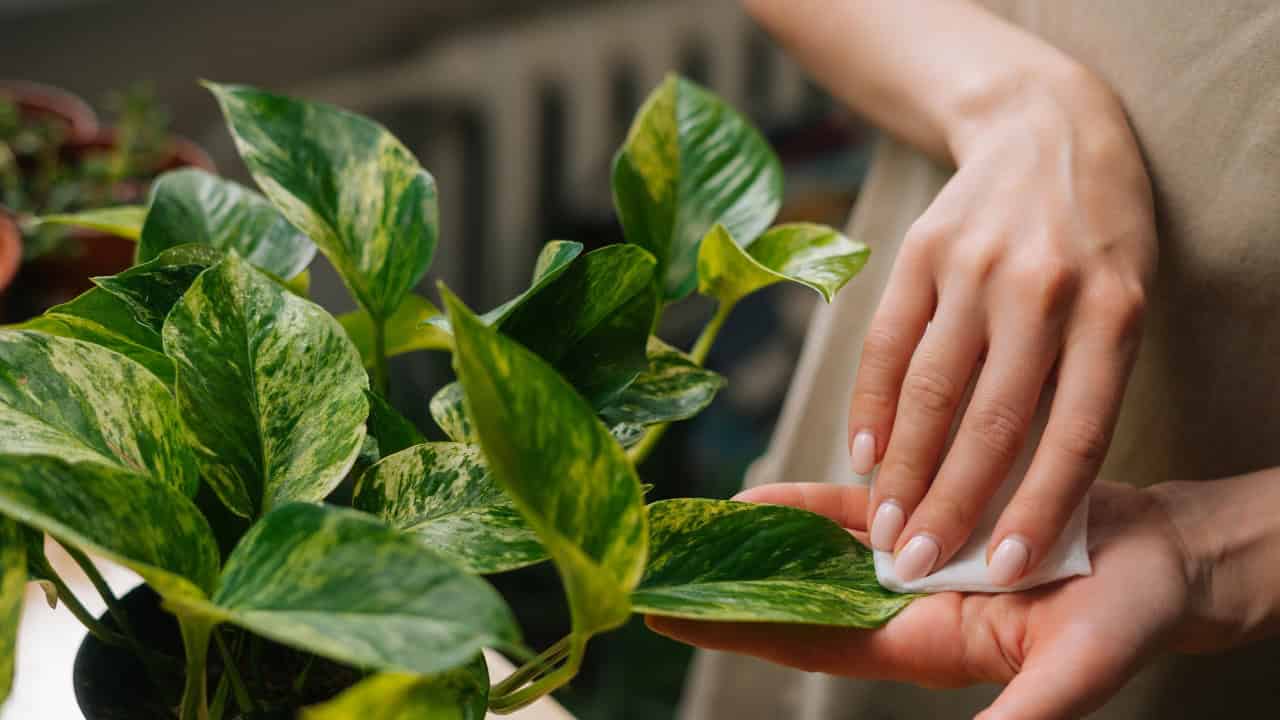
Each season brings different pests and diseases. Understanding what to expect can help you prevent problems before they arise.
For example, slugs and snails are more active in the spring and fall when the weather is cool and damp. On the other hand, aphids and other sucking insects are more prevalent in the summer. Regularly inspect your plants for signs of pests or disease and take action as needed.
6. Plan for the Next Season

Planning is key to a successful garden. Always think one season ahead.
In the fall, prepare your garden for winter by removing dead plants, adding compost to the soil, and planting spring-blooming bulbs. In the spring, prepare for summer by planting heat-tolerant flowers, mulching to conserve water, and setting up a watering schedule.
7. Protect Your Plants from Frost

Frost can damage or even kill your plants, so it’s critical to provide protection when temperatures drop.
Cover your plants with a frost cloth or old sheets when frost is forecasted. You can also move potted plants indoors or to a protected area. Some plants, like roses, may need extra protection in the form of a mound of soil or mulch around their base.
8. Fertilize with Care

Different seasons require different fertilization strategies.
In the growing seasons of spring and summer, plants need more nutrients to support their growth. But in the fall and winter, it’s best to hold off on fertilization. Feeding plants during their dormant period can stimulate new growth that could be damaged by cold weather.
9. Rotate Your Plants

Crop rotation isn’t just for vegetable gardens. Rotating your flowers can also help prevent diseases and pests.
Each year, try to plant your flowers in a different location. This can help prevent diseases and pests that overwinter in the soil from attacking the same plants year after year. Crop rotation also helps improve soil health by preventing nutrient depletion.
10. Be Patient

Gardening is a labor of love and patience is key. Not all plants will transition smoothly between seasons, and that’s okay.
Remember, some plants may not survive regardless of how much care you provide. If a plant doesn’t make it, take it as an opportunity to try something new. Gardening is a journey of continuous learning and discovery.