When it comes to health trends, superfoods often steal the spotlight, promising a wealth of benefits. You might find yourself wondering which of these pricey options are truly worth your hard-earned cash. In this article, you’ll discover ten expensive superfoods that don’t live up to the hype, helping you make more informed choices for your diet.
Many popular superfoods come with a hefty price tag, making it easy to fall for the marketing and dazzling claims surrounding them. As you explore your options, it’s essential to separate fact from fiction and determine what really delivers value for both your health and your wallet.
Advertisement
Goji Berries
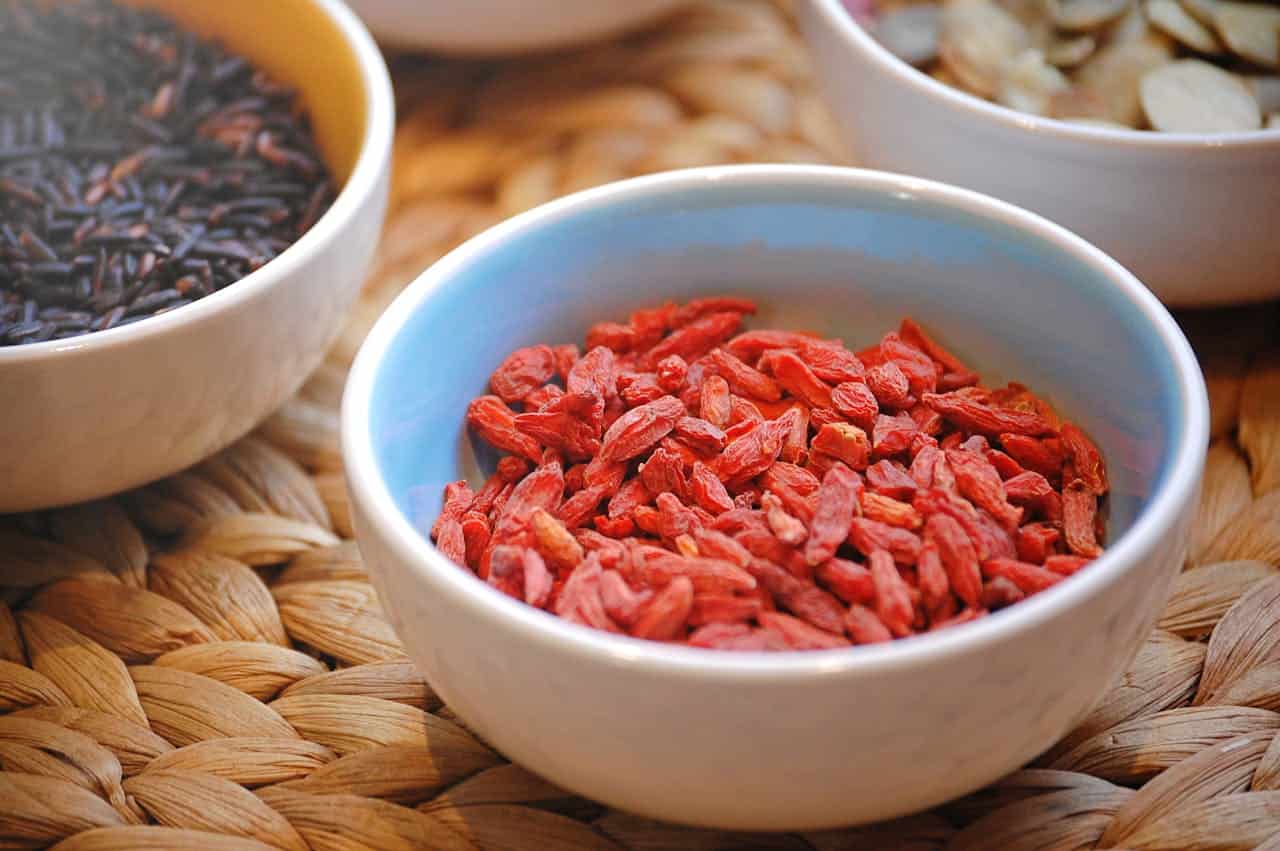
You might have heard a lot about goji berries and their supposed superfood status. These little red berries often come with a hefty price tag. While they’re packed with some nutrients, the claims of miraculous health benefits are often overstated.
Experts suggest that you can get similar health perks from more affordable options like seasonal berries. Goji berries may not be a bad addition to your diet, but they’re not the must-have food many make them out to be. Instead, consider sticking with simpler and cheaper fruits for your nutrition needs.
Acai Berries

Acai berries often come up in conversations about superfoods. You might see them in smoothie bowls or health drinks, but their benefits are sometimes overstated.
While they do contain antioxidants, you can find similar nutrients in more affordable fruits like blueberries and raspberries. Those options provide great health perks without the hefty price tag.
If you’re looking for a tasty and budget-friendly way to boost your diet, consider sticking with seasonal berries instead. They’re just as delicious and definitely easier on your wallet.
Chia Seeds
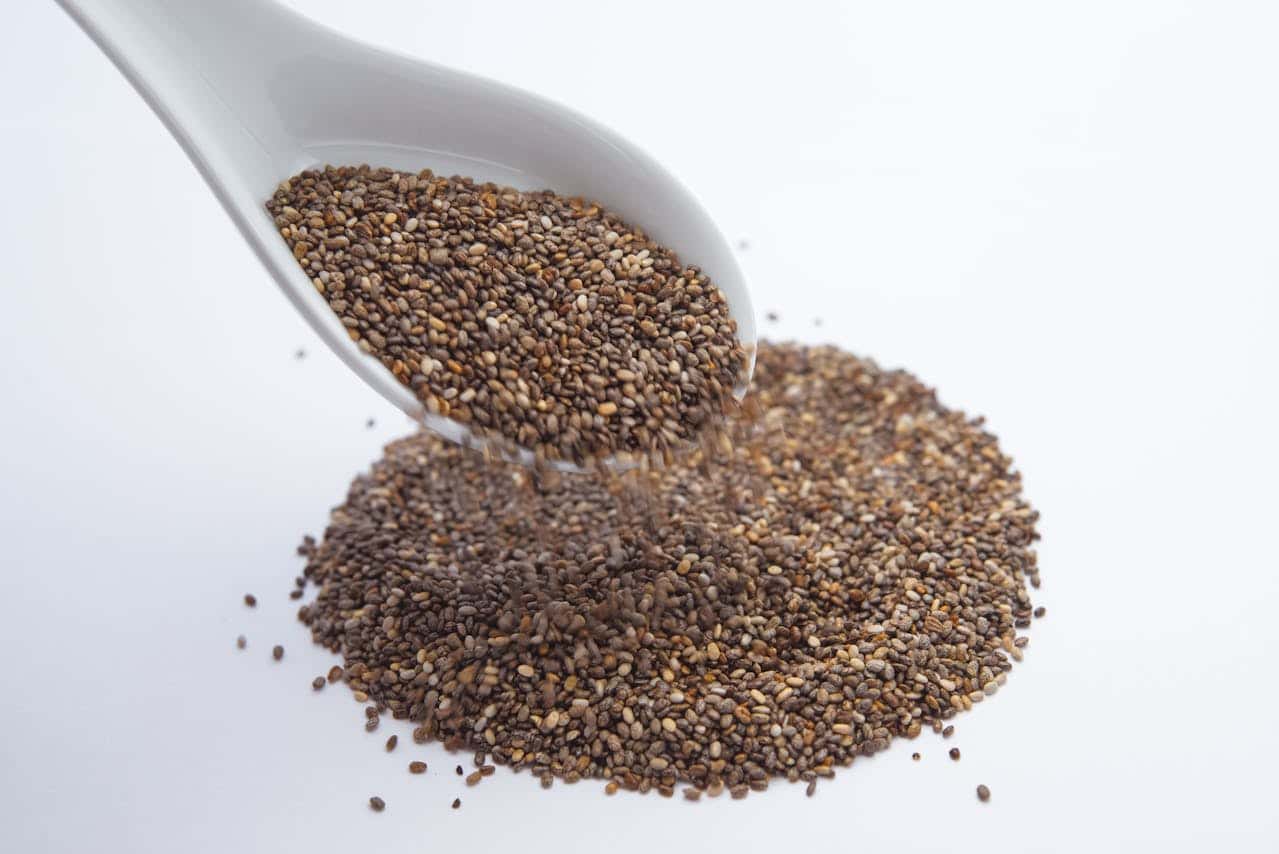
Chia seeds are often touted as a superfood, but do they really live up to the hype? Packed with omega-3 fatty acids and fiber, they have some health benefits.
However, it’s easy to overeat them since they’re calorie-dense. One ounce contains around 140 calories. You might find that cheaper options, like regular seeds or nuts, can provide similar benefits without the price tag.
So, while chia seeds aren’t harmful, you may want to think twice before splurging on them.
Coconut Water

Coconut water has become a trendy hydration option, often touted as a superfood. Many people believe it’s packed with electrolytes and offers a healthy alternative to sports drinks.
However, while it does contain some potassium, the benefits might not be as significant as advertised. For most people, plain water is just as effective for hydration.
Additionally, coconut water can be pricey compared to other beverages. If you’re looking for hydration, consider your options before splurging on what might just be marketing hype.
Agave Syrup

Agave syrup often gets touted as a healthier alternative to sugar. It’s derived from the agave plant and is marketed as being low glycemic.
However, it contains a high level of fructose, which can be problematic in large amounts. Many experts suggest that it’s not as beneficial as it seems.
If you’re looking to sweeten your food, consider other options that won’t carry the same potential drawbacks. Don’t be fooled by the marketing hype surrounding agave syrup.
Spirulina Powders
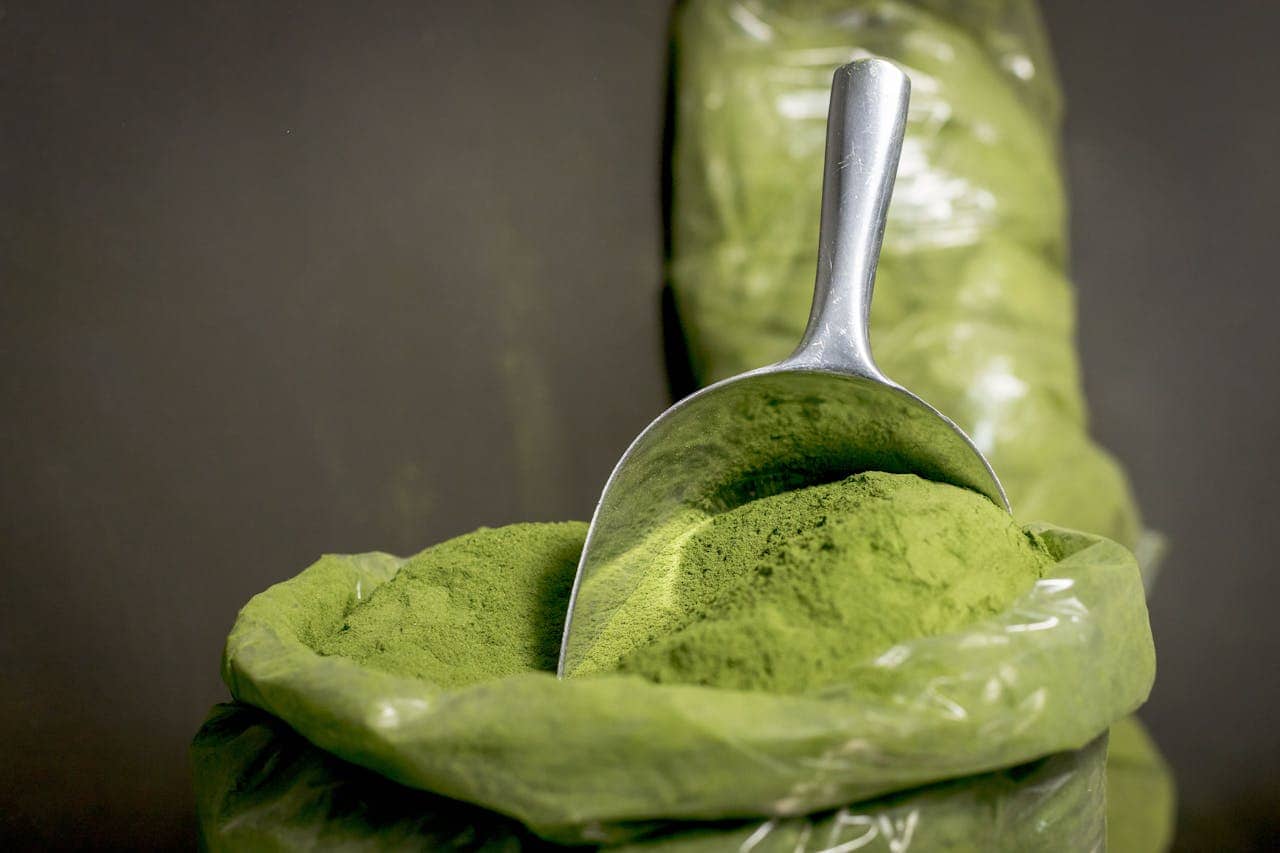
Spirulina powders are often marketed as a superfood, touted for their high protein content and nutrient density. They contain over 70% protein per serving, which sounds impressive.
However, while they offer some benefits, the actual health claims can be overstated. A lot of the hype comes from the fact that they’re rich in certain vitamins and minerals, yet the proven benefits might not justify the cost.
You’ll find prices often reaching around $50 per pound. Before you invest, consider whether those claims really make a difference in your diet.
Maca Root

Maca root has gained attention as a superfood, often touted for its potential benefits in boosting energy and libido. However, you might find that its effects are not as dramatic as advertised.
While many people enjoy incorporating it into smoothies and health foods, the science behind maca’s benefits isn’t as solid as you might hope. It’s often included in wellness trends, but studies show mixed results regarding its effectiveness.
You may be better off focusing on more well-established foods that offer proven health benefits. Consider exploring alternatives that provide similar nutritional value without the hefty price tag.
Cacao Nibs
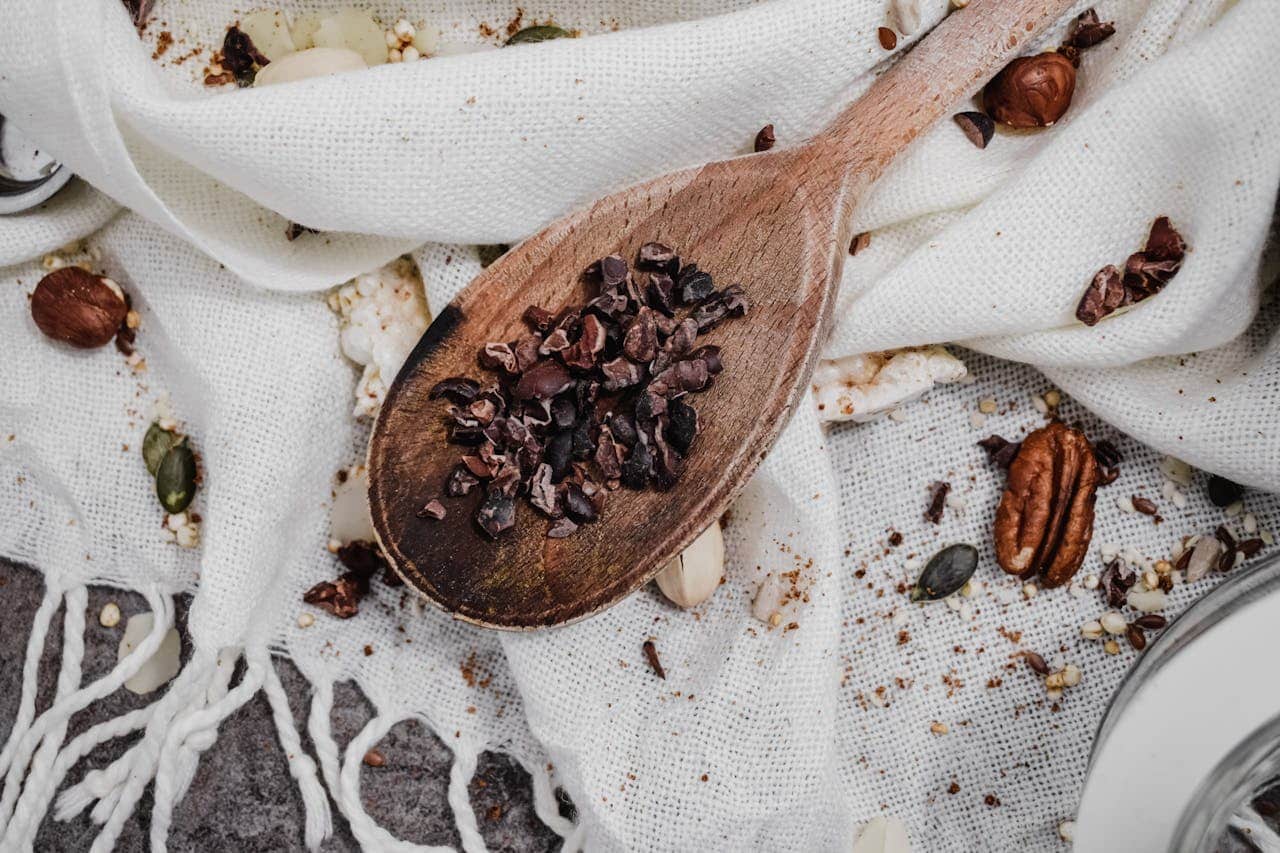
Cacao nibs are often touted as a superfood, but their benefits can be overstated. They come from crushed cacao beans and are packed with antioxidants.
While they offer some minerals like magnesium, you might find them pricey for what you get. Many people enjoy them for their crunchy texture and slight bitterness.
If you’re looking for a chocolate fix, they can be a fun addition. Just keep in mind that there are more affordable ways to enjoy chocolate without breaking the bank.
Bee Pollen
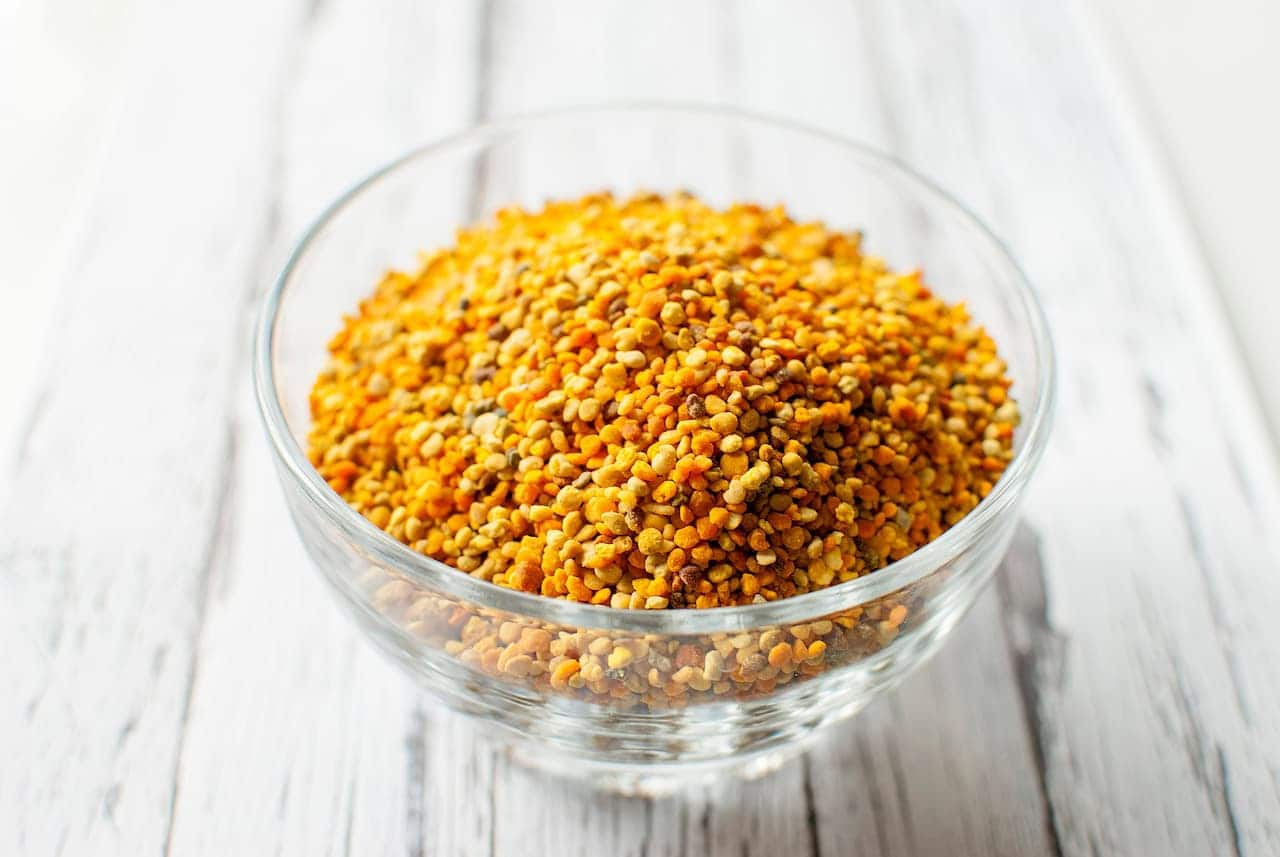
Bee pollen is often marketed as a superfood with big claims about its health benefits, like boosting energy and immunity. It’s packed with vitamins, minerals, and antioxidants, which sounds great.
You can find it as granules to sprinkle on your food or mix into smoothies. However, research on its effectiveness is limited, and it’s not a miracle worker.
While it may offer some nutrients, it’s expensive compared to other options that provide similar benefits without the hefty price tag.
Quinoa
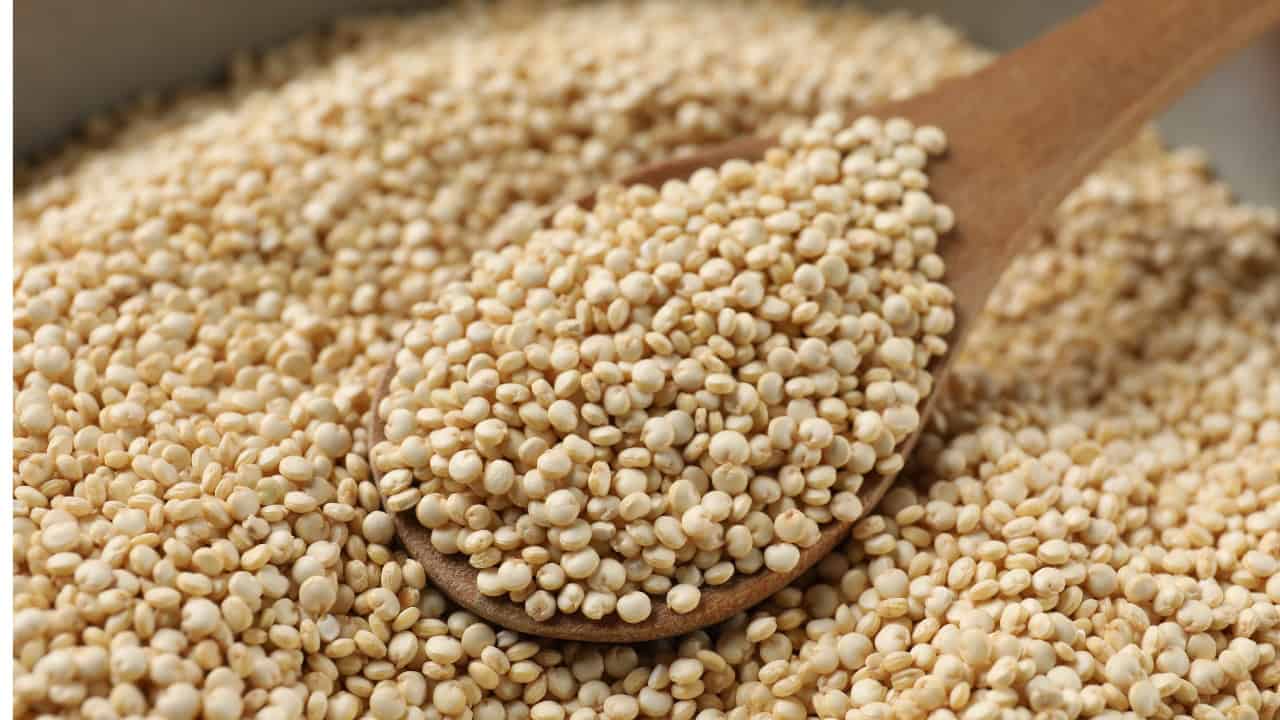
You might think quinoa is a superfood treasure, but it’s not as special as it seems. Packed with protein and fiber, it has its perks, but many other grains offer similar benefits at a lower price.
Plus, quinoa tends to be more expensive than whole grains like brown rice or farro, which can provide equal nutrition.
So, if you’re looking to save some cash, consider mixing in other whole grains for variety and nutrition without breaking the bank.