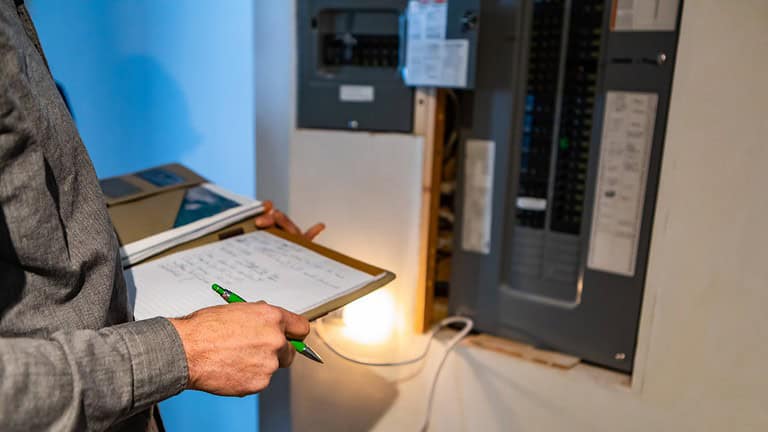
When I look around my home, it’s easy to feel comfortable and secure. Yet, sometimes, I forget how common items I use every day might pose unexpected dangers. Household items I never even thought twice about could actually be serious fire hazards.
Being aware of these potential risks can make my home a safer place for me and my loved ones. Knowing what to watch out for empowers me to take simple preventative steps. Whether it’s something as small as an overloaded power strip or something larger like faulty wiring, it’s important for me to stay informed about potential fire hazards in my home.
Advertisement
1. Unattended Cooking Pans
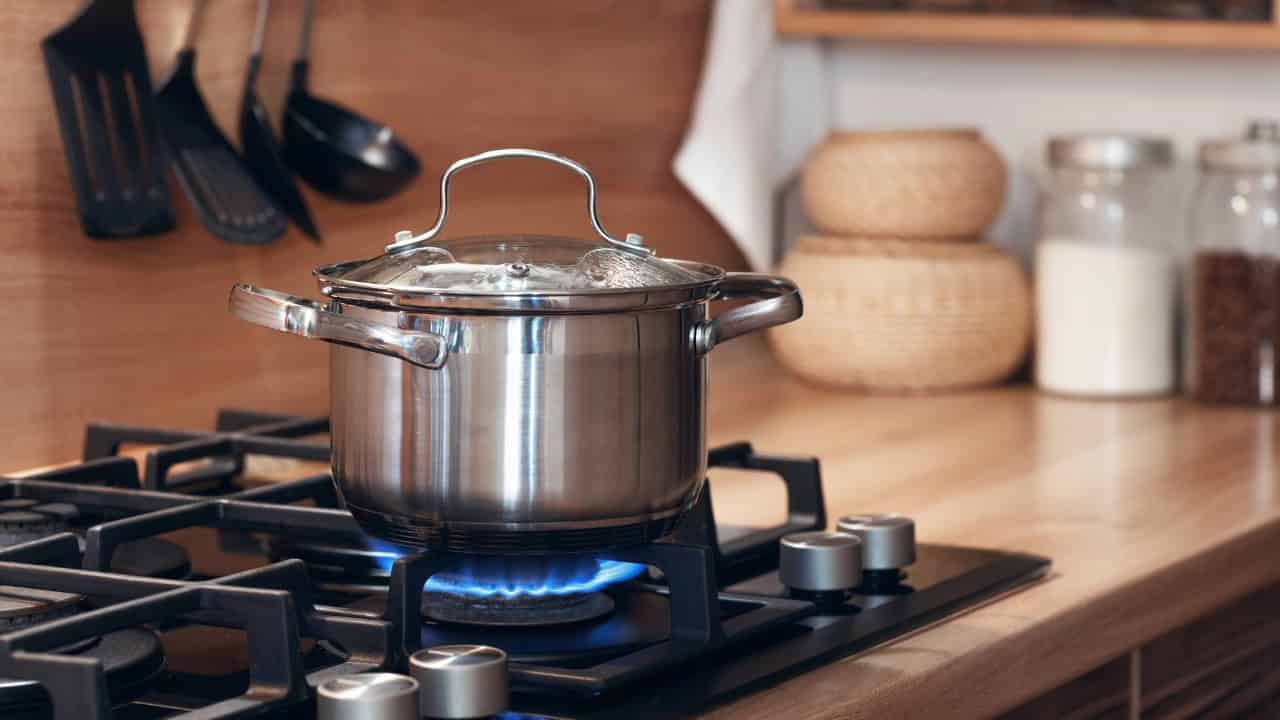
I’ve learned that leaving cooking pans unattended can turn into a major fire risk fast. It’s easy to get distracted and step away from the kitchen, thinking it’ll just be a minute. But, even that short time can lead to big trouble if the pan overheats.
When I’m cooking, I try to keep a close eye on everything happening on the stovetop. Unattended pans are a known factor in many home cooking fires, as shown by some data I came across. Fires often start because we walk away, even if just for a moment.
So, I make it a rule to stay in the kitchen whenever something’s on the stove. It only takes a quick second for things to get out of hand. It’s a small habit that adds an extra layer of safety to my cooking routine.
2. Overused Power Strips
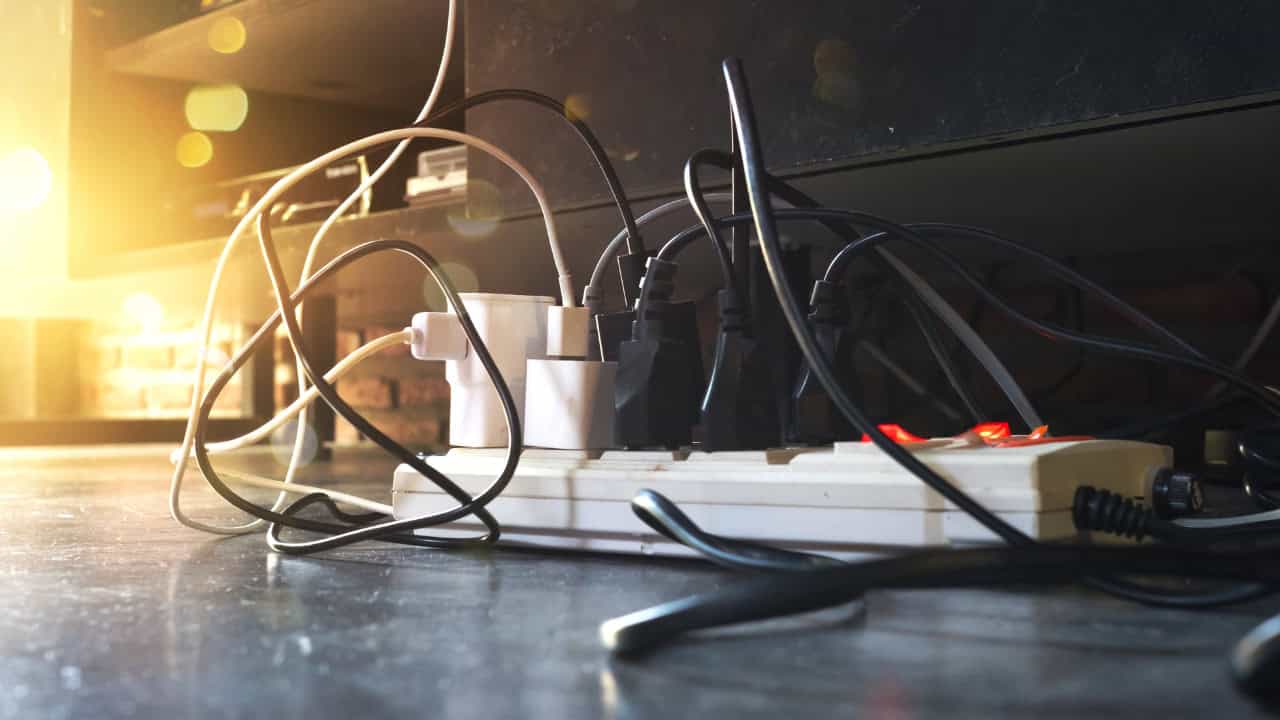
I always try to keep an eye on how many devices I connect to a power strip. It’s easy to get carried away, plugging in everything from my laptop to the phone charger. The problem is, overloading a power strip can create a fire hazard.
Some appliances, like washing machines, should never go into a power strip because they draw too much energy. I’m also wary of using power strips for high-wattage items like space heaters and microwaves. Instead, I connect those directly to a wall outlet for safety reasons.
I read that using a power strip for appliances that cycle on and off, like refrigerators, is risky. Over time, the cycling can lead to overheating and potentially cause a fire. It’s good to regularly check for signs of wear and tear, like frayed cords or discolored plugs. I replace any damaged items right away to keep things safe.
3. Dryer Lint Buildup
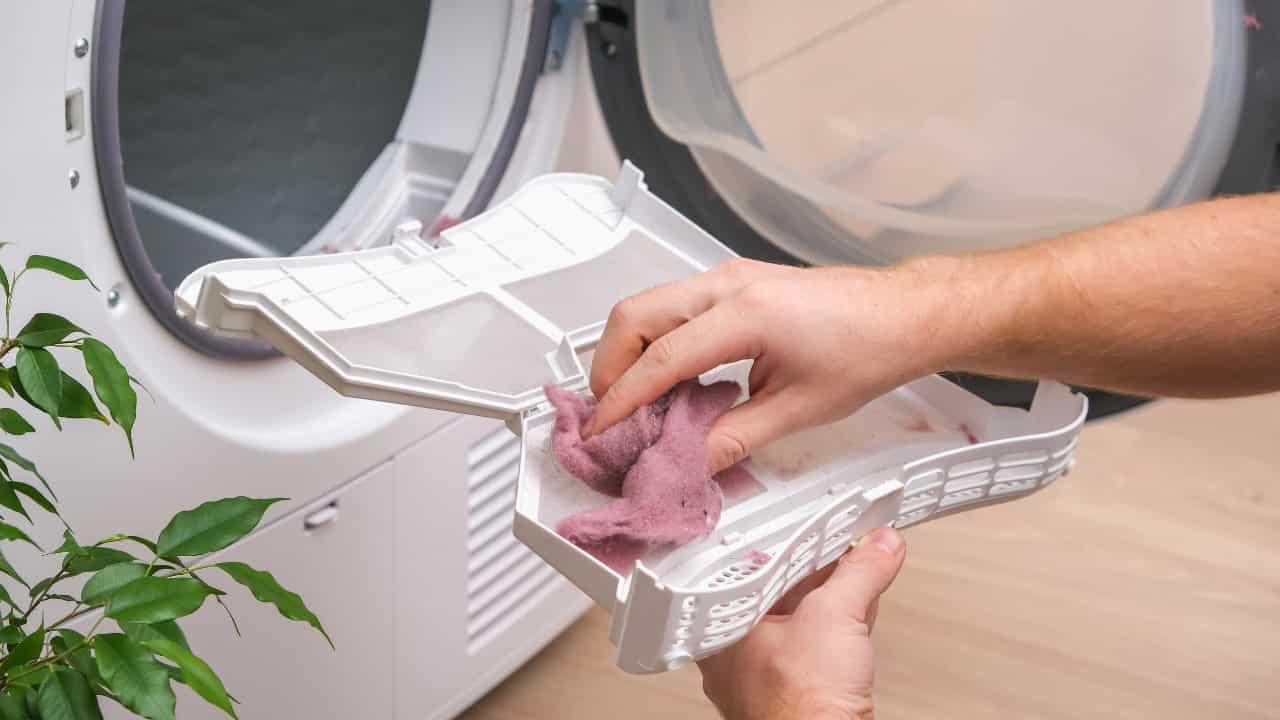
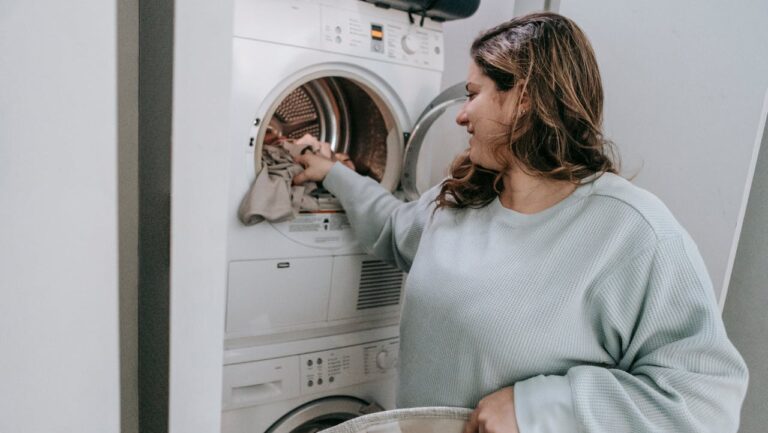
I always make sure to check my dryer regularly for lint buildup. It’s crazy how much lint can accumulate in a dryer and its exhaust system. This stuff is super flammable, and it’s just waiting for a spark to ignite into a serious problem.
I never realized before how important it is to keep the dryer vent clear. If it’s clogged, the airflow gets restricted, which can seriously increase the risk of a fire. It’s something I make a point to do every month now to keep everything safe.
I also learned about the extra benefits of cleaning the dryer vent. Besides reducing the fire risk, it helps my dryer work more efficiently. I save on energy bills and extend the life of my machine. It’s a small step with lots of benefits in keeping my home safe and sound.
4. Portable Space Heaters
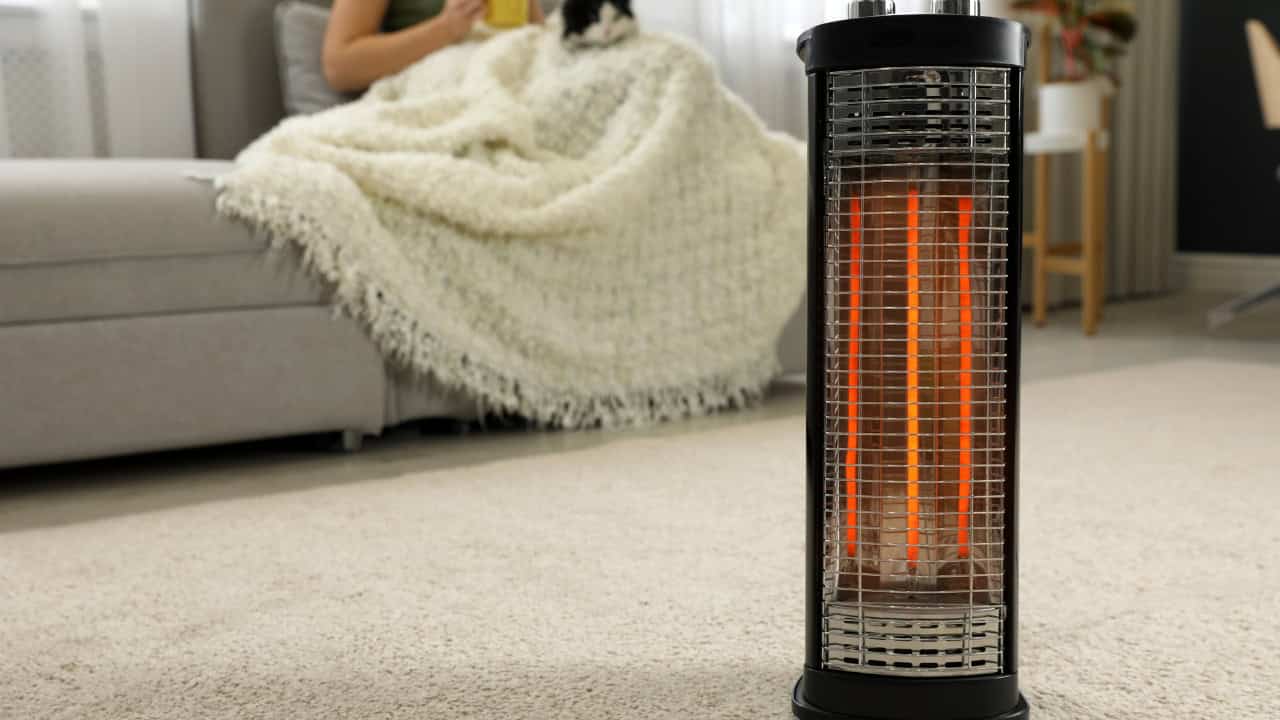
I’ve noticed that portable space heaters can be really handy during the colder months, but they do come with their risks. One issue is when they’re placed too close to combustible materials like curtains or bedding. This can lead to fires if we’re not careful.
Another thing I try to avoid is using extension cords for my space heater. I read that they can become fire hazards when plugged into the wrong spot, like an extension cord or damaged outlet. Apparently, it’s safer to plug them directly into a wall outlet. I make sure to keep mine on solid surfaces, away from carpets or anything flammable. Space heaters are convenient, but I always keep safety in mind.
5. Old or Faulty Wiring
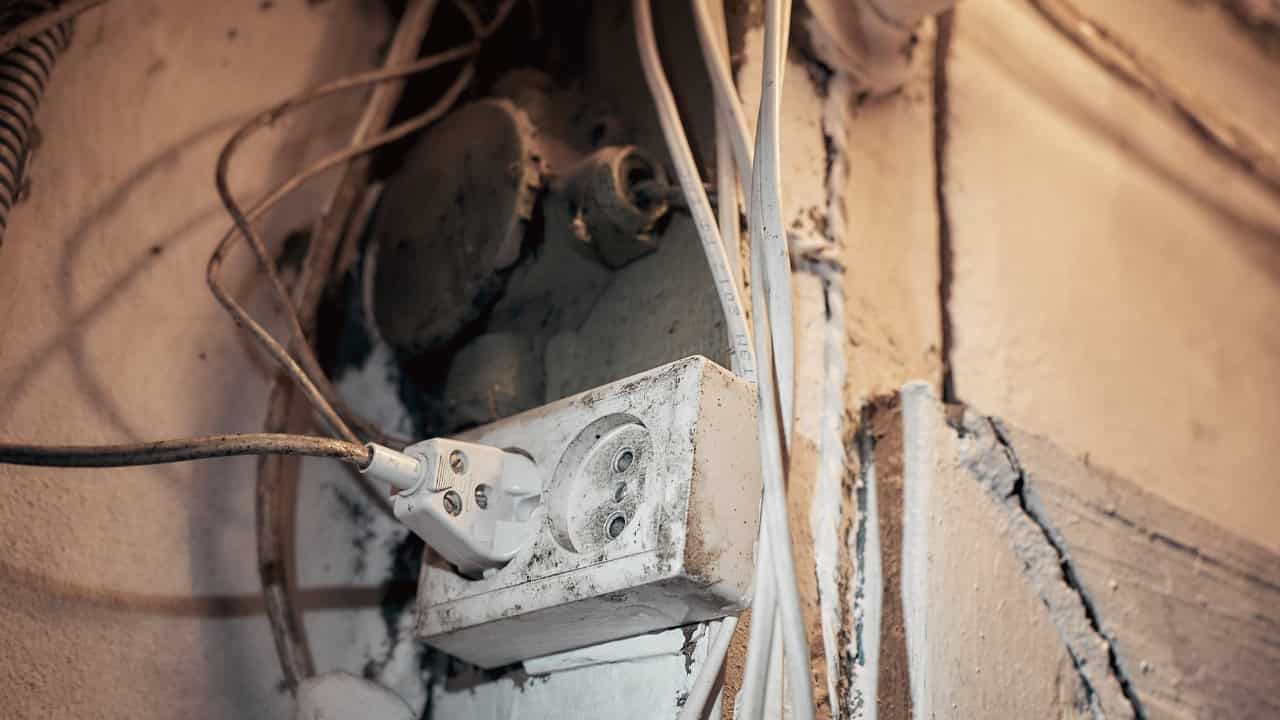
I’ve always been concerned about old or faulty wiring in my home. This is a common issue, especially in older houses where the electrical systems haven’t been updated in years. Worn-out wiring can pose a significant fire risk. It’s essential to inspect wiring regularly and look for signs like flickering lights or unusual odors.
In my book, it’s crucial to watch out for exposed wires or frayed insulation. These can spark and ignite flammable materials nearby. It’s also worth noting that faulty switches or receptacles can be hazardous. If I ever see any damage, I make sure to call a professional.
Ensuring my home’s wiring is up to date and repaired as necessary gives me peace of mind. By addressing potential dangers early, I can prevent bigger issues later on. It’s always best to be cautious and proactive about potential electrical hazards.
6. Unattended Candles

I love the warm, cozy vibe candles bring to a room, but leaving them unattended is a fire risk that I can’t ignore. According to the National Candle Association, many candle fires can be avoided by practicing basic safety. It’s all about being mindful when using them.
I’ve learned that nearly 4% of home fires are caused by candles, leading to property damage and injuries, as noted by the NFPA. I always make sure to put out candles before leaving the room.
When using candles during emergencies, like power outages, I prefer battery-operated flashlights, as they significantly reduce fire hazards, based on advice from the Carroll County, GA FAQ. It’s simple practices like these that help keep my home safe and sound.
7. Toasters Near Fabrics

I’ve always found the kitchen to be a hive of activity, and that can sometimes mean things get a little too close for comfort. It’s easy to overlook, but keeping toasters near fabrics like curtains, towels, or cloth napkins can be asking for trouble.
Toasters get really hot, and when fabrics are nearby, there’s a real risk of them catching fire. Those heat elements can transform a cozy corner of the kitchen into a dangerous spot if you’re not paying attention.
I make it a point to keep my toaster away from anything flammable. Even a crumb-filled toaster can create a risky situation. I’ll admit, it’s tempting to place it somewhere convenient, but it’s just not worth it if it increases the chance of a fire.
8. Microwave Without Clearance

I’ve learned the hard way that having a microwave without enough clearance can be risky. Without proper airflow around it, the microwave could overheat. This is why leaving some space around it is important.
Placing it too close to other appliances might also create a fire hazard. For instance, putting a microwave above a stove can expose it to extra heat. This setup might actually damage the microwave if there isn’t enough room for the hot air to escape.
I always make sure there’s enough clearance and space around my microwave, especially to allow for heat to dissipate. Proximity to certain appliances can impact microwave performance. It’s a practical way to reduce potential risks and keep everything working smoothly.
9. Outdated Appliances
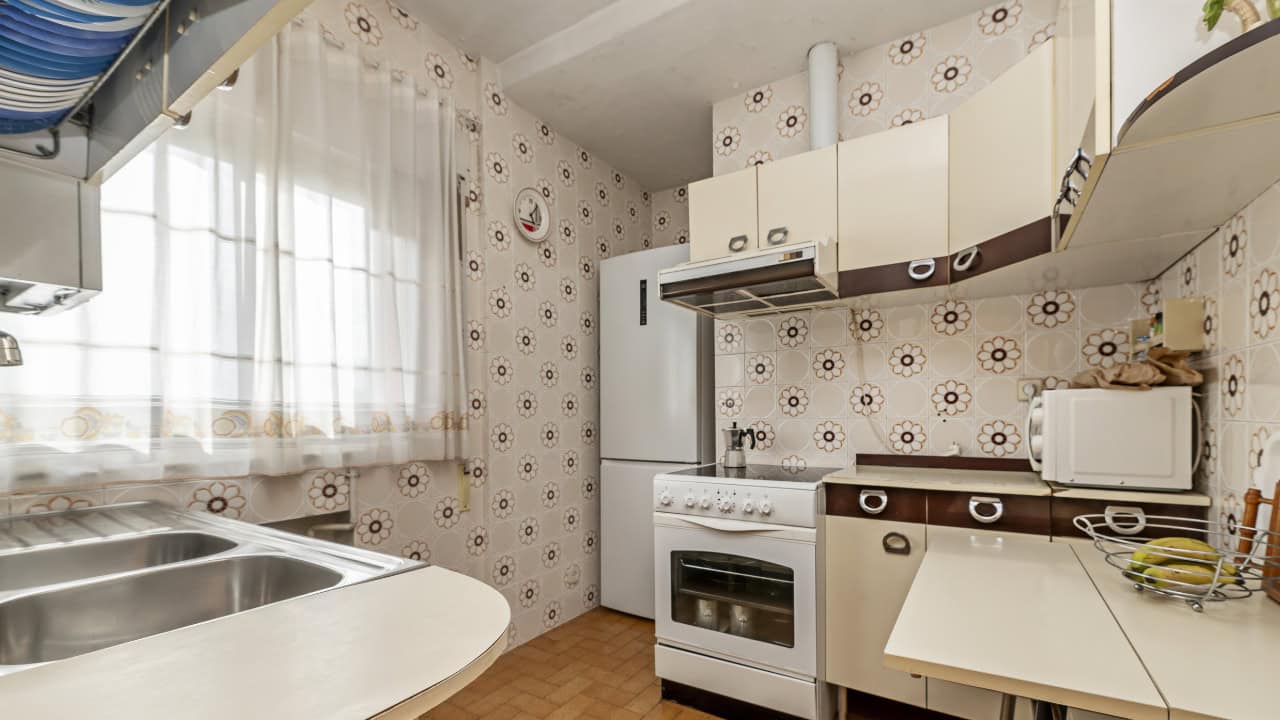
I’ve noticed that keeping old appliances around can be a real fire hazard. Those trusty old appliances I’ve had for years might not meet current safety standards anymore. It’s essential to check their cords and plugs for damage, as those can easily lead to overheating.
Additionally, I realize that when an appliance has been in use for too long, its internal components can wear out. This can cause it to malfunction unexpectedly. I always try to be on the lookout for any strange noises or smells coming from my appliances. If I ever notice anything unusual, I make sure to unplug the appliance and consider having it serviced or replaced.
I’ve learned my lesson about the risks of outdated appliances, and it’s always a good idea to keep everything in the kitchen and laundry room up-to-date.
10. Indoor Smoking

When I think about fire hazards at home, indoor smoking is one of the first that comes to mind. Lots of things can catch fire quickly from a stray ash or burning cigarette. For example, furniture, carpets, and items left in trash cans are easily ignited.
I always remind myself to smoke outside to avoid setting anything on fire inside. If I do find myself smoking indoors, using a proper ashtray and making sure cigarettes are completely extinguished gives me peace of mind.
It’s worth noting that some regions, like those under the London Fire Brigade, identify smoking as a leading cause of fire-related deaths. They even suggest quitting as the safest option. I find that taking a few precautions helps to keep my home safe.