Electrical issues might not be the first thing on your mind as a homeowner, but small mistakes can turn into big (and expensive) problems if you’re not careful. Whether it’s overloaded circuits, outdated wiring, or DIY electrical work gone wrong, these common mistakes can lead to higher energy bills, damaged appliances, or even fire hazards.
To keep your home safe and efficient, here are 10 electrical mistakes many homeowners make—and how to avoid them.
Advertisement
1. Overloading Outlets and Power Strips

We’ve all done it—plugging in multiple devices to a single power strip, thinking it’s no big deal. But overloading an outlet puts excessive strain on your electrical system and increases the risk of overheating and fires.
How to fix it:
- Avoid plugging too many high-wattage devices (like space heaters and microwaves) into the same outlet.
- Use power strips with built-in surge protection, but don’t daisy-chain multiple strips together.
- If you constantly need extra outlets, consider having an electrician install additional ones in key areas.
2. Ignoring Flickering or Dimming Lights
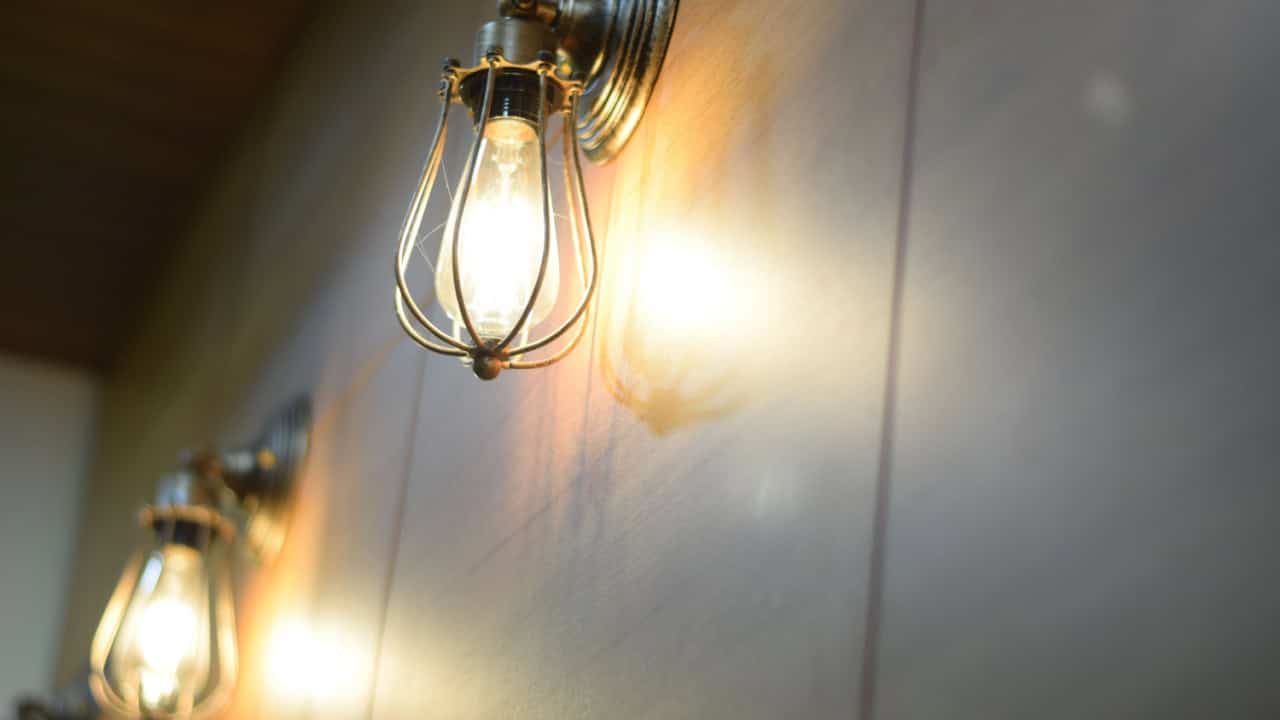
If your lights flicker when you turn on an appliance, don’t ignore it! This could indicate voltage fluctuations, loose wiring, or an overloaded circuit.
How to fix it:
- Check if the bulb is loose or needs replacing.
- If multiple lights flicker, contact an electrician—you may have a bigger wiring issue.
- If it only happens when using a certain appliance, you may need to upgrade your electrical panel to handle the load.
3. Using the Wrong Wattage Light Bulbs

Light fixtures are designed for specific wattages, and using a bulb with too high of a wattage can overheat the fixture and increase the risk of fire.
How to fix it:
- Always check the recommended wattage before replacing bulbs.
- Consider switching to LED bulbs, which use less energy and generate less heat.
- If your fixture doesn’t list a max wattage, stick to 60 watts or lower to be safe.
4. DIY Electrical Work Without Proper Knowledge
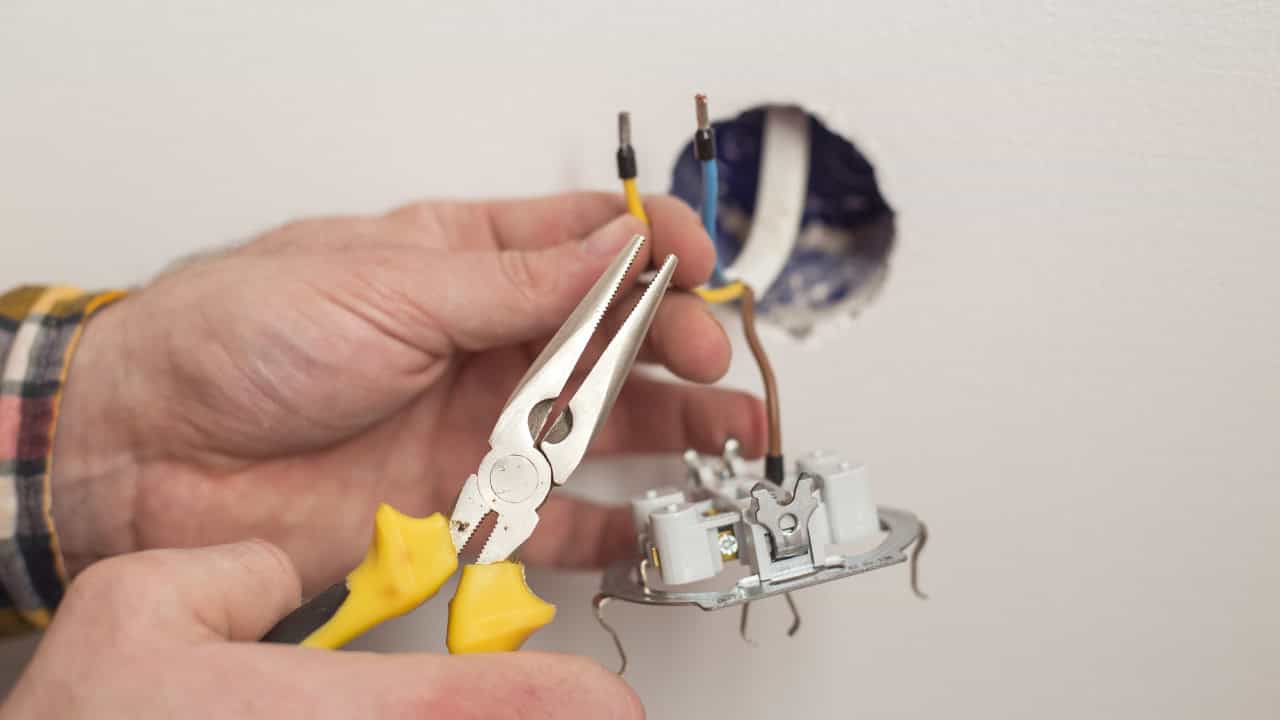
It might be tempting to tackle small electrical projects yourself, but bad wiring jobs can be dangerous. Even if your fix works temporarily, incorrect wiring can cause shorts, power surges, or fire hazards.
How to fix it:
- If you’re not 100% confident in what you’re doing, hire a professional electrician.
- For small jobs (like replacing outlets or switches), make sure to turn off the power at the breaker before starting.
- Follow your local electrical codes to avoid potential fines or issues when selling your home.
5. Using Extension Cords as Permanent Wiring
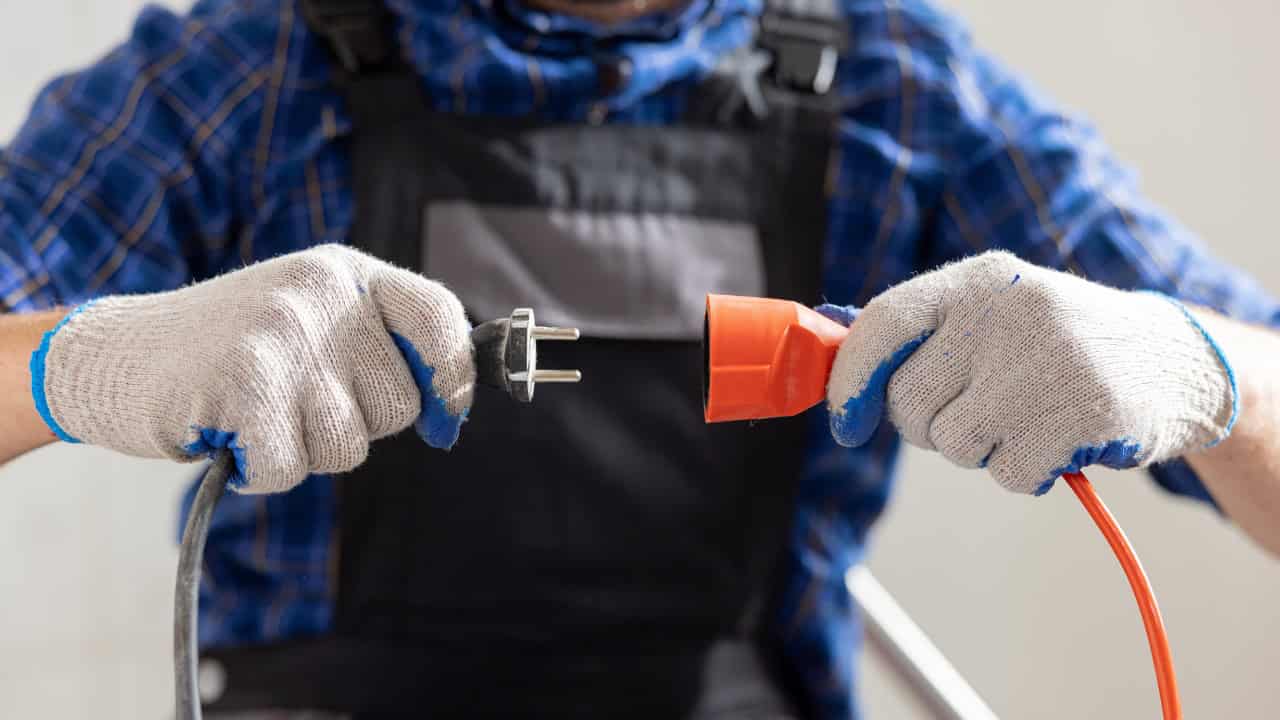
Extension cords are meant for temporary use, not as a long-term solution for powering appliances or lights. Running cords under rugs or furniture can cause overheating, frayed wires, and even electrical fires.
How to fix it:
- If you rely on extension cords regularly, have an electrician install additional outlets where needed.
- Use heavy-duty extension cords for power tools and outdoor equipment.
- Never run extension cords through walls, ceilings, or under carpets, as this creates a hidden fire hazard.
6. Ignoring Tripped Circuit Breakers
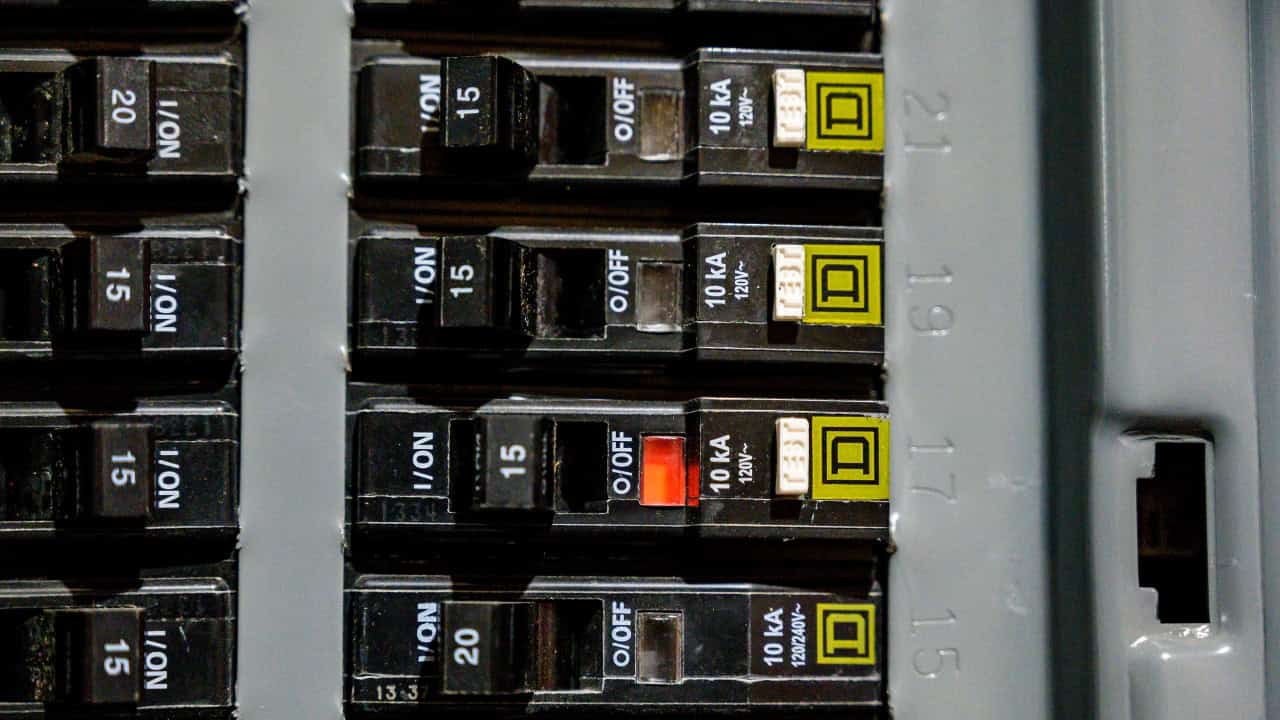
If your circuit breaker keeps tripping, don’t just reset it and move on—it’s trying to tell you something. Frequent trips indicate an overloaded circuit, faulty wiring, or a failing breaker.
How to fix it:
- Pay attention to what you were using when the breaker tripped—if it happens often, you may need a dedicated circuit for high-power appliances.
- If it trips randomly, call an electrician to inspect your panel for any wiring issues.
- Consider upgrading to a larger electrical panel if your home’s power needs have outgrown your current system.
7. Not Installing GFCI Outlets in Wet Areas
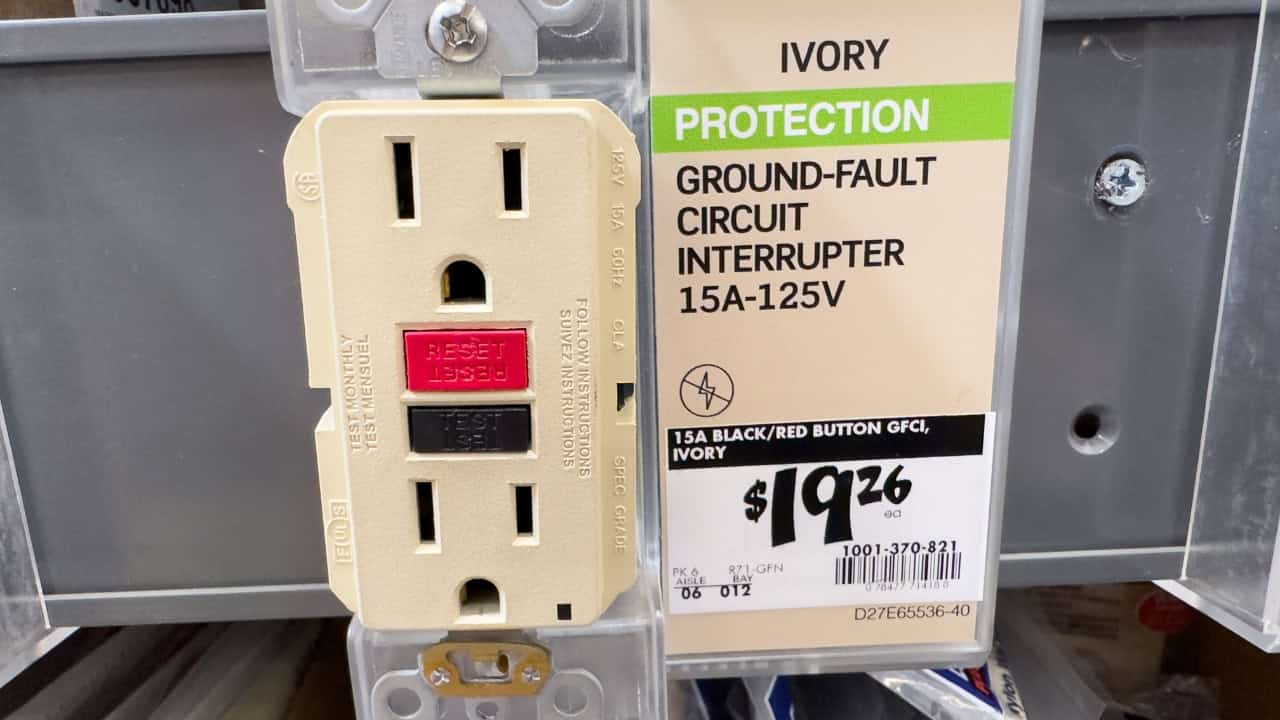
Ground Fault Circuit Interrupter (GFCI) outlets are required in areas with moisture, such as bathrooms, kitchens, laundry rooms, and outdoor spaces. These outlets shut off power instantly if they detect an electrical fault, preventing shocks and electrocution.
How to fix it:
- If your home lacks GFCI outlets in these areas, have them installed ASAP.
- Test your GFCI outlets monthly by pressing the “test” button to ensure they trip properly.
- Replace any GFCI outlet that doesn’t reset or has stopped working.
8. Failing to Upgrade Old Wiring
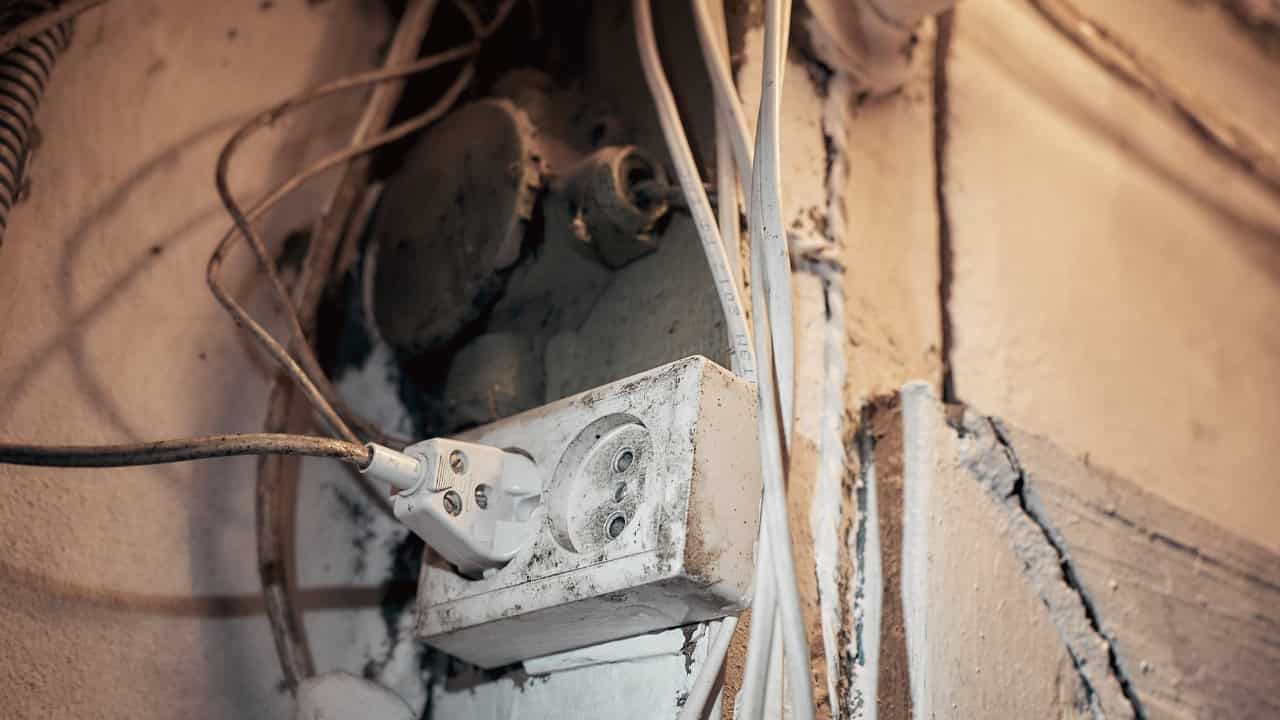
If your home still has knob-and-tube or aluminum wiring, it’s time to upgrade. Old wiring is not only inefficient but also a major fire hazard—especially in homes that weren’t built to handle today’s electrical loads.
How to fix it:
- Have a licensed electrician inspect your wiring to determine if an upgrade is needed.
- If rewiring your whole house isn’t in the budget, start with high-use areas like the kitchen and living room.
- Be extra cautious when using older wiring—avoid overloading circuits and use proper surge protectors.
9. Not Grounding Electrical Outlets
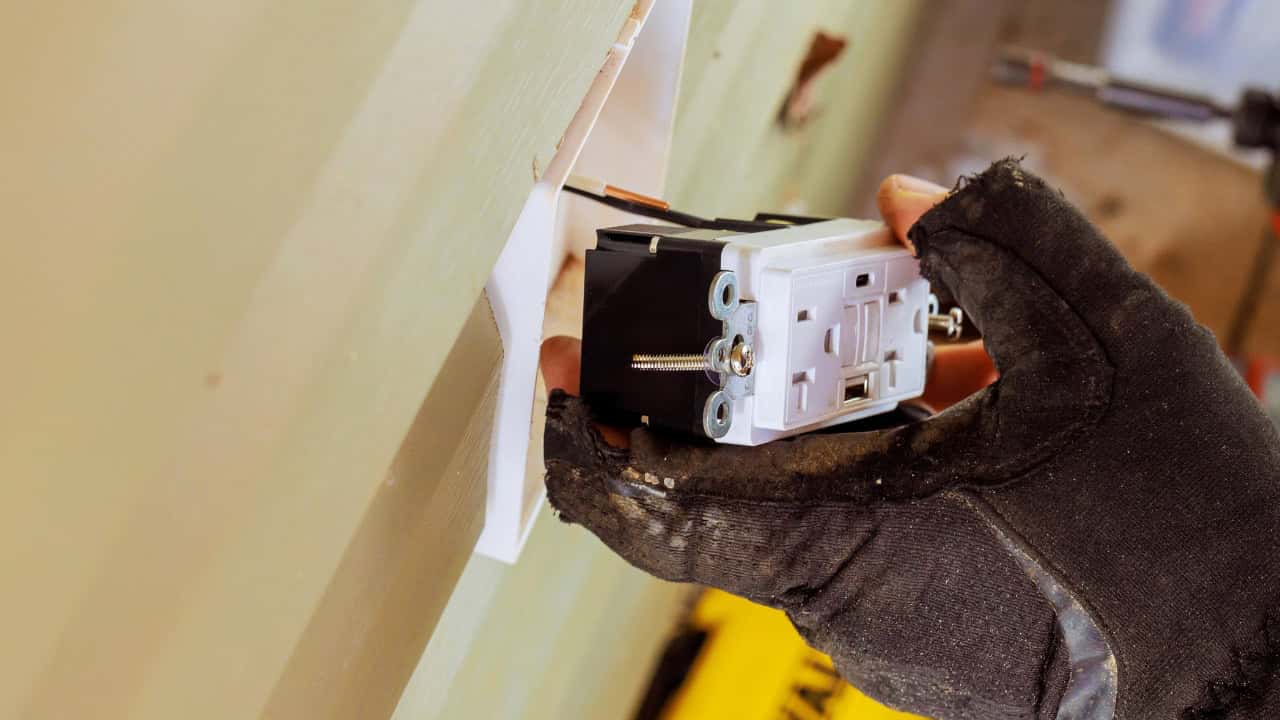
Ungrounded outlets (those with only two prongs) can’t protect against power surges and shocks. Many older homes still have ungrounded outlets, which increase the risk of electrical fires and damage to appliances.
How to fix it:
- If you have old two-prong outlets, consider upgrading them to three-prong grounded outlets.
- Never cut off the third prong to fit a plug into an old outlet—that defeats the grounding protection.
- Use a surge protector to help protect electronics if replacing the outlet isn’t an immediate option.
10. Skipping Electrical Inspections
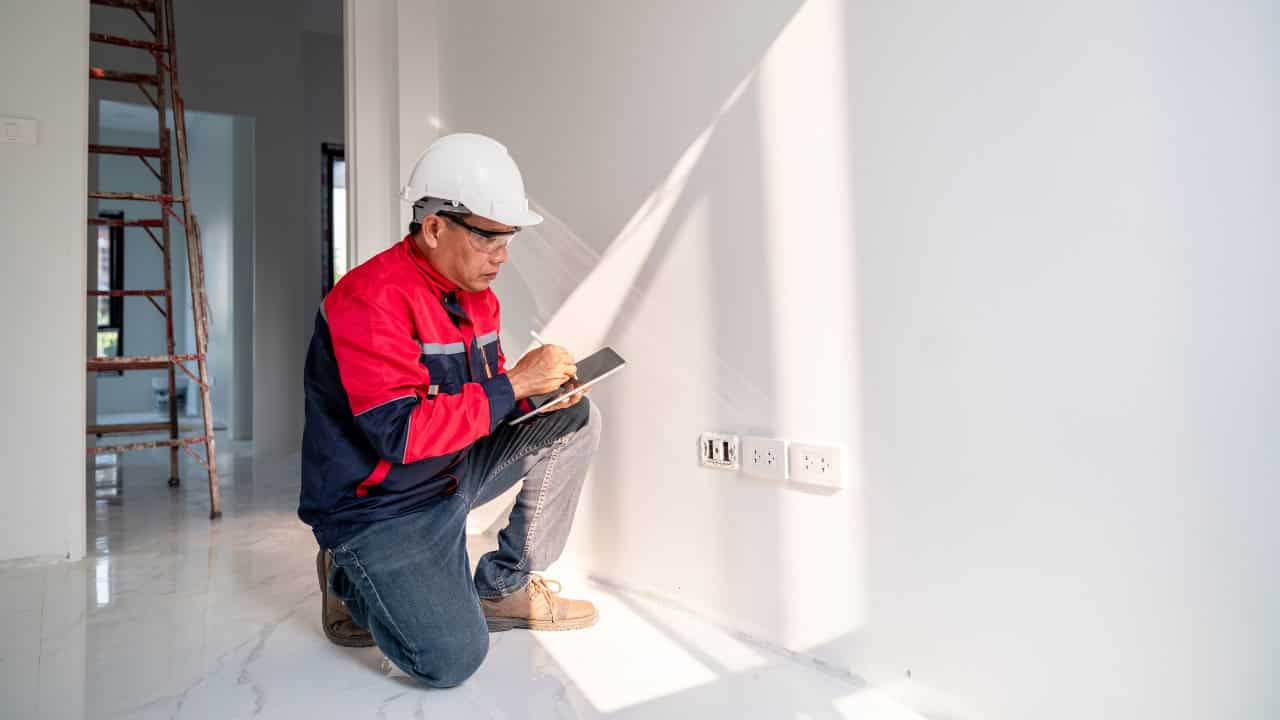
Many homeowners only think about electrical issues when something goes wrong, but proactive inspections can catch problems before they become costly repairs or safety hazards.
How to fix it:
- Schedule a professional electrical inspection every few years, especially if your home is older.
- If you notice burning smells, buzzing outlets, or flickering lights, don’t ignore them—have an electrician check it out.
- If you’re buying or selling a home, make sure the electrical system is up to code to avoid last-minute surprises.
*This article was created with the help of AI.