Rabbits might be cute, but they can destroy a veggie garden in no time. One day, your lettuce looks perfect, and the next, it’s chewed down to the roots. If you’ve ever walked outside to find half your hard work gone, you know how frustrating it is.
Keeping rabbits out of your garden isn’t about just one solution—it’s about layering a few methods to make your yard less inviting. Some tricks keep them from finding food, others make them too nervous to stick around, and a few convince them to eat elsewhere. The key is figuring out what works best for your space before they turn your veggies into an all-you-can-eat buffet.
Advertisement
Raise Your Garden Beds
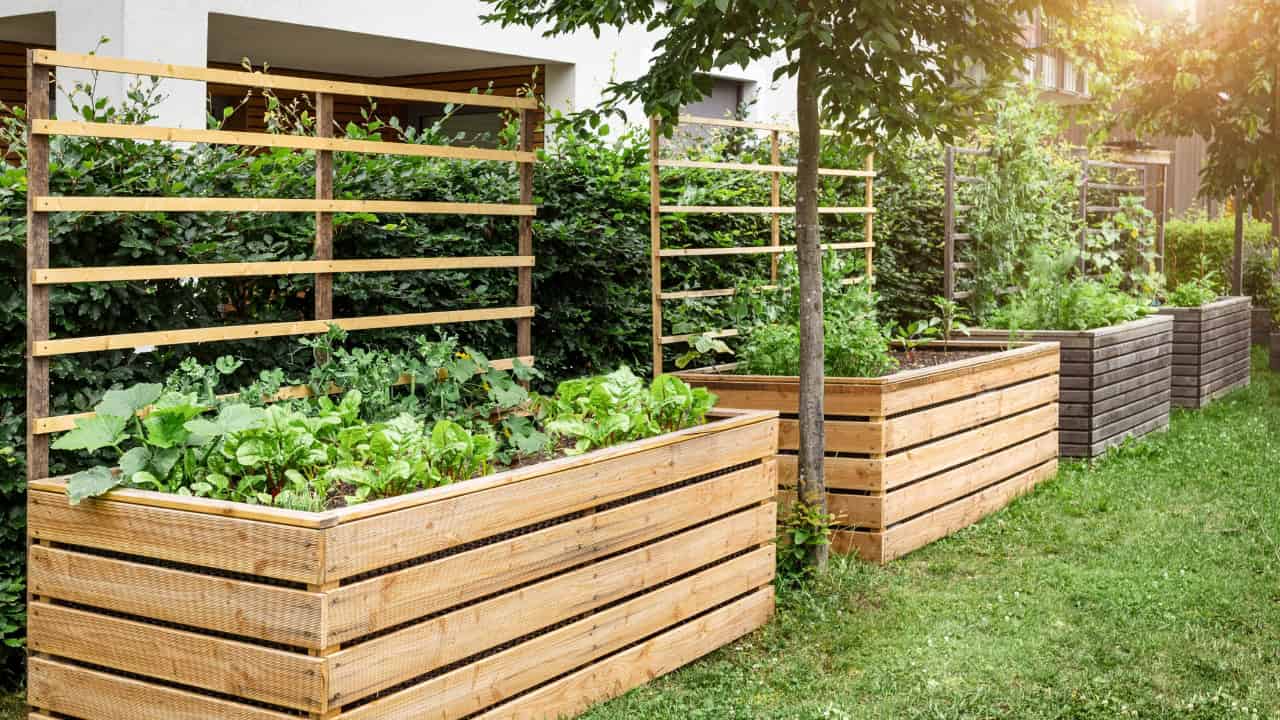
Lifting your plants off the ground makes it harder for rabbits to get to them. Raised garden beds put that fresh lettuce just out of reach, especially if you go with taller sides. Most rabbits won’t bother trying to jump in if the edge is too high.
For even more protection, line the bottom with wire mesh before adding soil. This stops burrowing rabbits from sneaking in from below.
Use Motion-Activated Sprinklers

Rabbits love a peaceful, predictable yard. The last thing they want is an unexpected blast of water. Motion-activated sprinklers startle them enough to make them think twice about coming back.
These work best when placed near the most vulnerable plants, like tender greens and young shoots. Just be mindful of placement—you don’t want to accidentally soak yourself every time you walk by. The good news is, this trick also helps keep deer, cats, and other critters from treating your garden like a buffet.
Put Up a Fence or Plant Cages
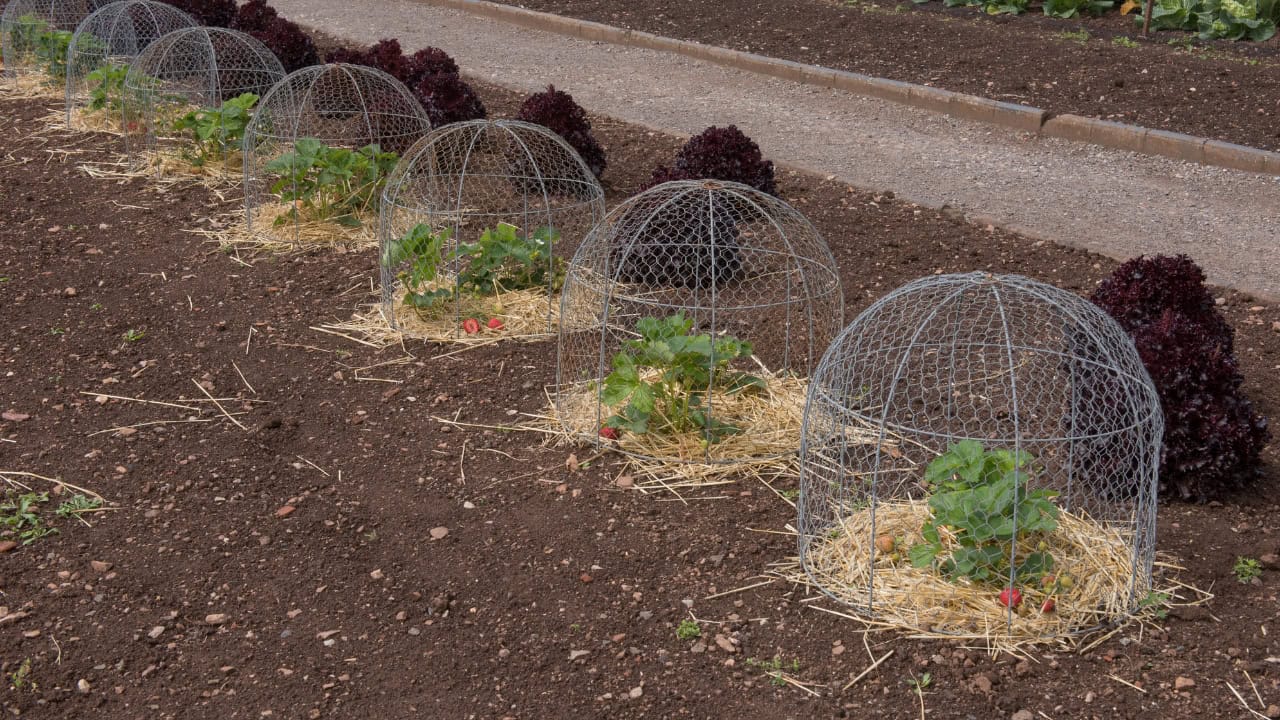
If rabbits can’t reach your plants, they can’t eat them. A simple fence around your garden—about two to three feet tall—works well, but the key is making sure they can’t squeeze underneath. Bury the bottom a few inches deep or bend it outward so they can’t dig their way in.
For extra protection, individual plant cages made from chicken wire or hardware cloth keep delicate plants safe. This is especially useful for young seedlings, which are like candy to rabbits. It takes a little effort to set up, but it saves you from losing your entire harvest.
Keep Them Guessing with Fake Predators
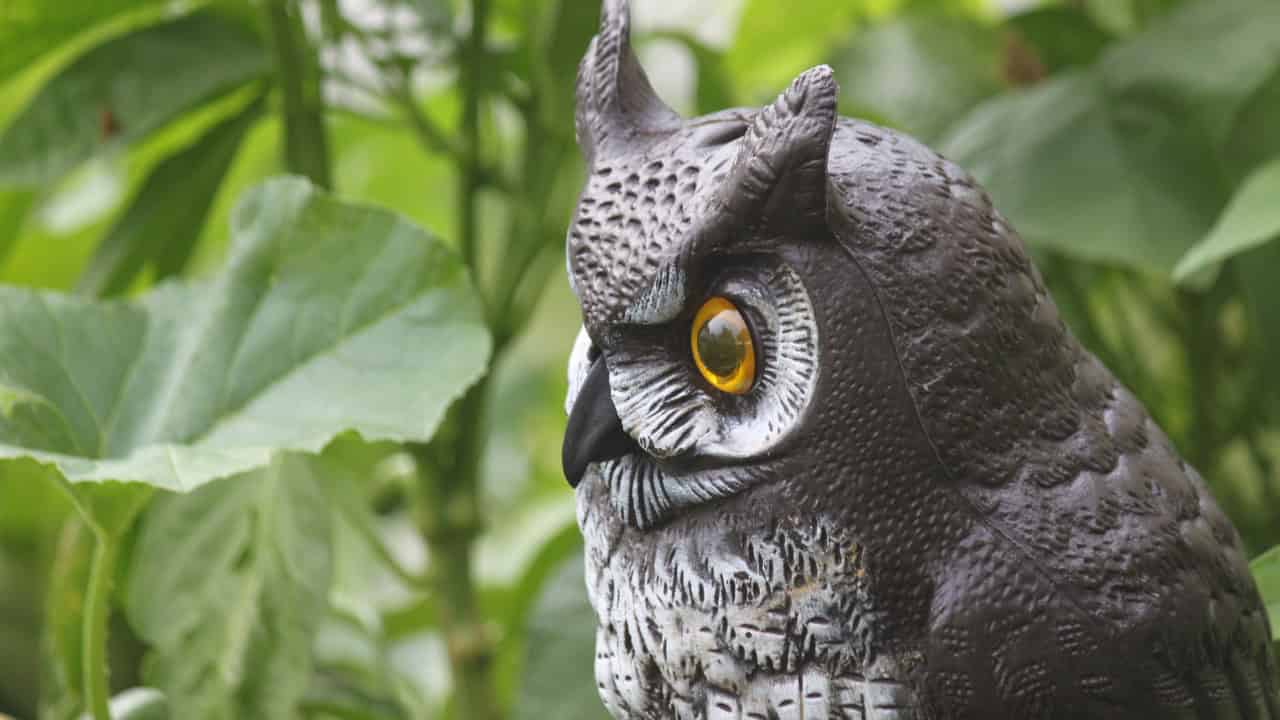
A rabbit’s survival instinct tells them to avoid predators at all costs. That’s why fake owls, snakes, and even rubber coyotes can help scare them off. The trick is keeping it believable. If that plastic owl never moves, rabbits will figure out it’s harmless.
Move your decoys around every few days to keep up the illusion. Even better, look for ones that move on their own, like wind-powered snakes or owl decoys with rotating heads. It’s not a foolproof solution, but combined with other deterrents, it makes your garden feel a lot less inviting.
Sprinkle Chili Powder or Blood Meal
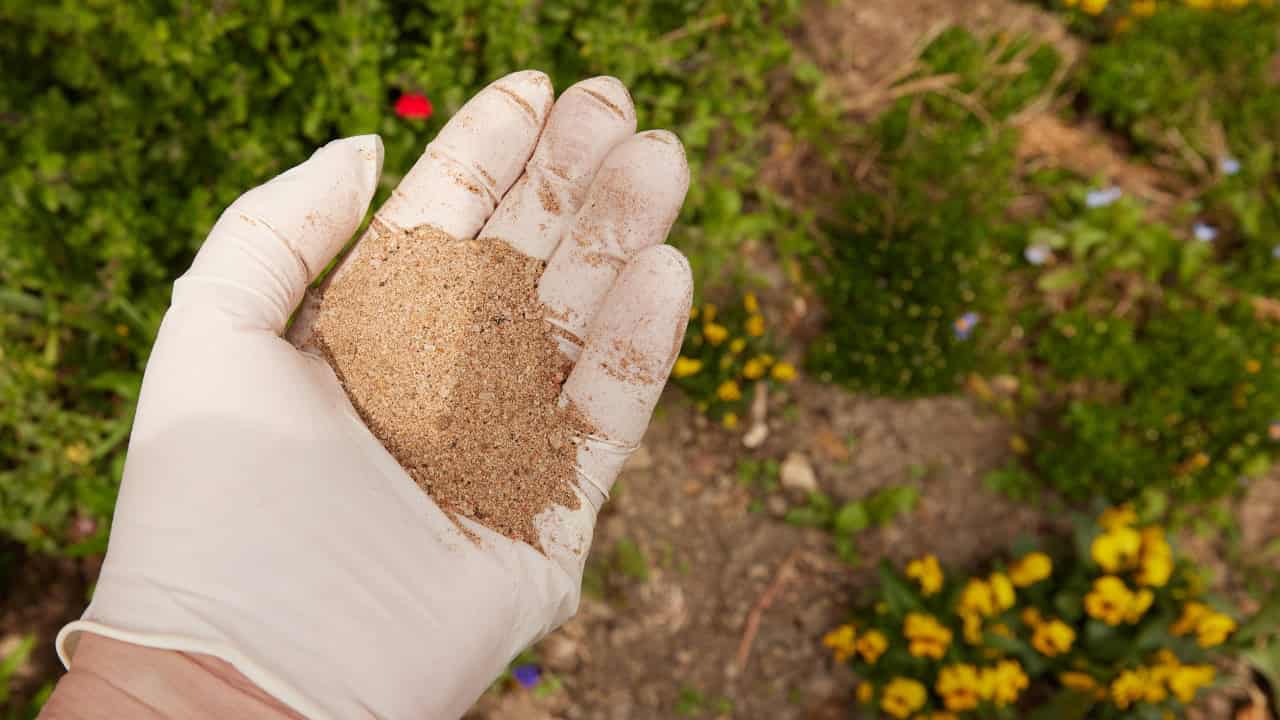
Rabbits rely on their noses to find food, so strong smells can send them running. Sprinkling chili powder or blood meal around your plants makes your garden way less appealing. The spicy kick from chili powder irritates their noses, and blood meal smells like danger since it’s made from dried animal blood.
Both options are easy to apply—just scatter a light layer around your plants. The downside? Rain washes them away, so you’ll need to reapply after a storm. As a bonus, blood meal adds nitrogen to your soil, which helps your plants grow stronger.
Set a Humane Trap
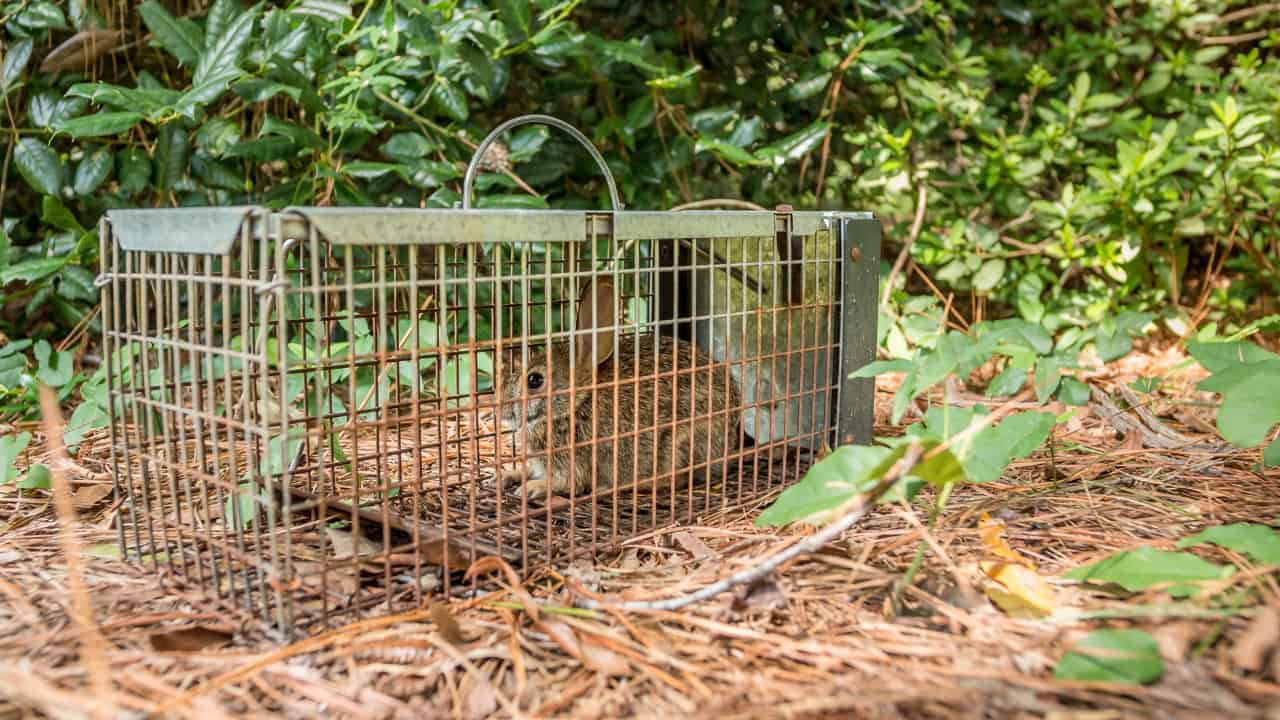
If nothing else is working and rabbits are still treating your garden like their personal buffet, a humane trap can help. Live traps let you catch them safely so you can relocate them to a more suitable area. The key is placing the trap where they already like to hang out and using bait they actually want, like apples or leafy greens.
Check your local regulations before trapping, as some areas have rules about relocating wildlife. And if you do trap one, release it several miles away, preferably in a wooded area where it won’t just hop right back to your yard.
Get Rid of Hiding Spots
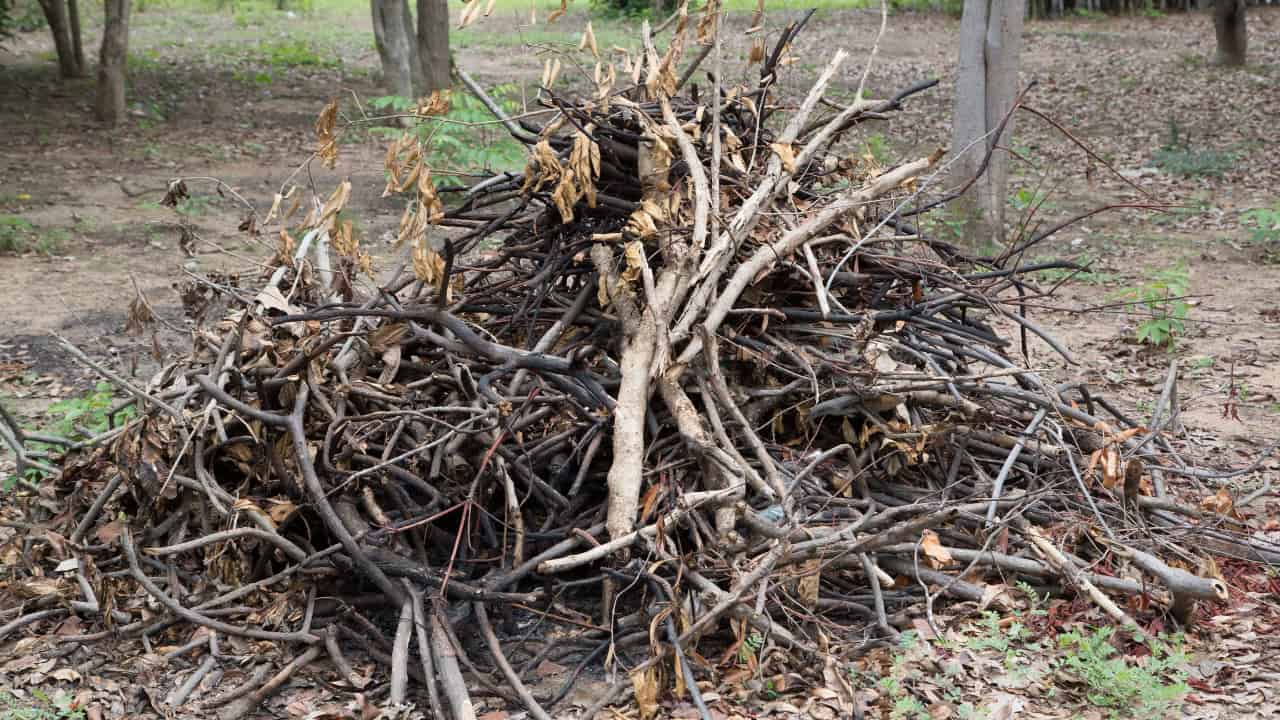
Rabbits won’t hang around if they don’t have a safe place to hide. Look around your yard like you’re a rabbit—anywhere they can tuck themselves away from predators is a potential problem. Overgrown grass, brush piles, or that open space under your deck? All prime real estate for them.
Keeping your yard tidy makes a big difference. Mow regularly, clear out brush piles, and block off spaces under sheds or decks with chicken wire or lattice. If there’s nowhere to hide, they’ll be a lot less tempted to stick around and munch on your garden.
Let Your Dog Handle It
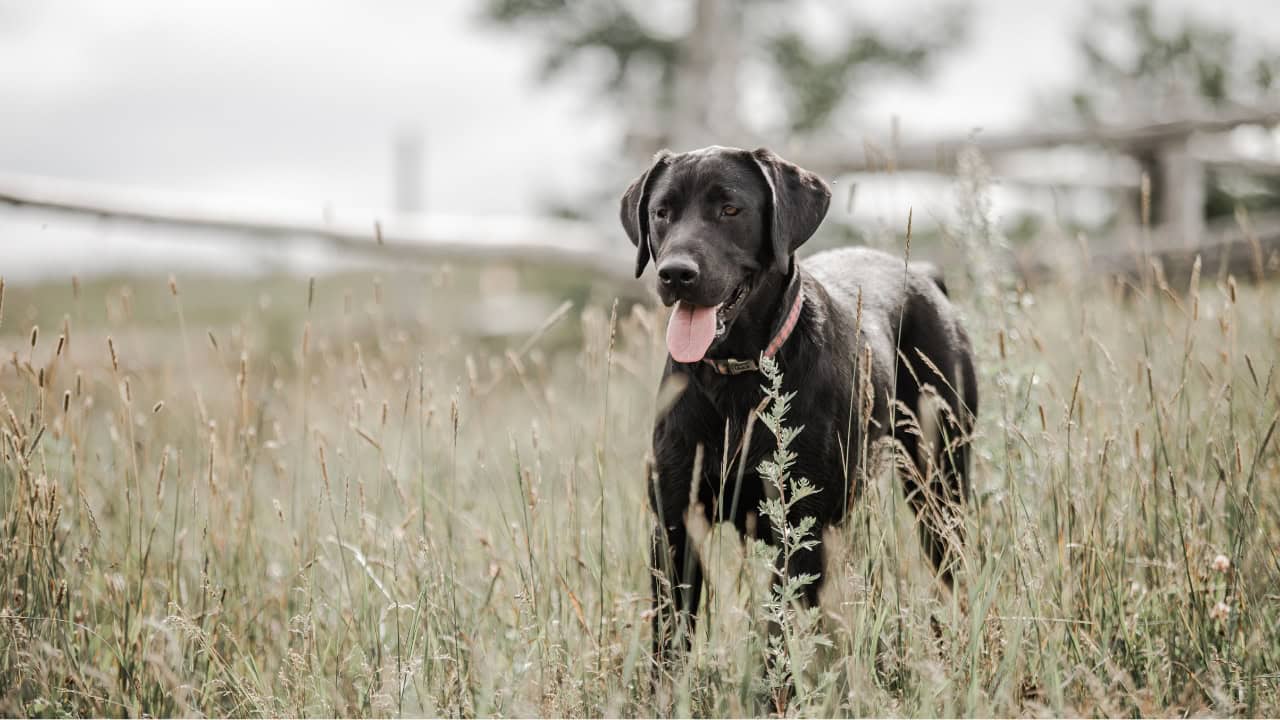
If you’ve got a dog that loves to run the yard, you already have a built-in rabbit deterrent. Rabbits are skittish, and nothing sends them running like an unpredictable, fast-moving predator. Even if your pup never catches one, the constant threat is usually enough to convince rabbits to move along.
If you don’t have a dog, other scare tactics can help—but only temporarily. Fake owls, shiny objects, and motion-activated sprinklers might work for a while, but rabbits are quick to figure out what’s real and what’s not. The more unpredictable your deterrent, the better.
Use a Strong Repellent
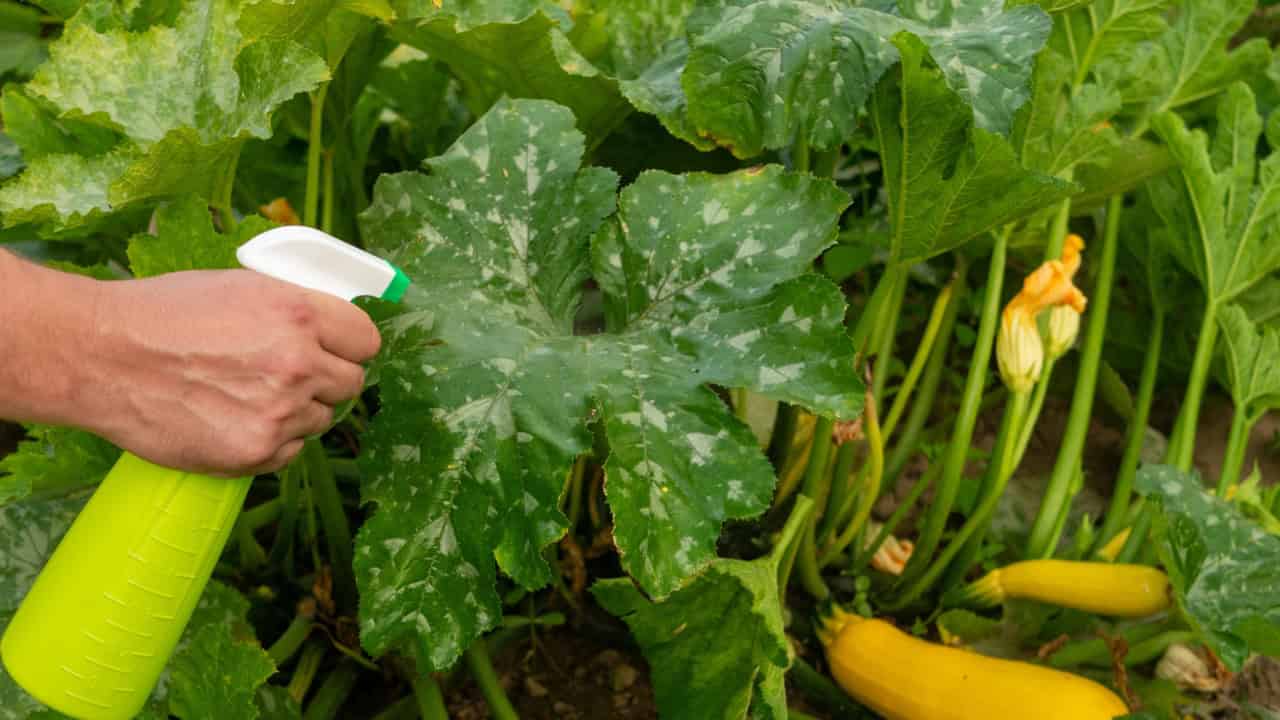
Rabbits don’t like strong smells or spicy tastes, which is why repellents can be so effective. Scent-based ones use things like dried blood or garlic oil, while taste-based options rely on hot pepper or other bitter flavors. Taste-based repellents usually work better since a rabbit will remember what made them sick and avoid it next time.
Whatever you use, follow the instructions carefully, especially when spraying near vegetables. Some repellents need to be reapplied after rain, and you don’t want to accidentally make your harvest inedible. Keep in mind that when food is scarce, even the best repellents might not stop a desperate rabbit.
Plant What Rabbits Hate

Some plants are just not on a rabbit’s menu. If you fill your garden with things they naturally avoid, they’re less likely to linger. Herbs like rosemary, thyme, and sage are great choices, along with onions, leeks, Russian sage, and black-eyed Susans.
While this won’t keep them out entirely, it makes your garden a lot less appealing. If you mix rabbit-resistant plants with the ones you actually want to protect, you might find that they stop bothering your veggies altogether.
*This article was created with the assistance of AI.