Welcome to the wonderful world of gardening! There’s nothing quite like the feeling of harvesting your own vegetables, knowing that you’ve nurtured them from seed to plate. Not only can gardening be a great way to save money on your grocery bill, but it can also be a therapeutic and rewarding hobby. This blog post will guide you through ten easy vegetables that every beginner gardener should consider growing. These plants require minimal care, grow quickly, and are perfect for those just starting their gardening journey.
1. Tomatoes

There’s nothing quite like the taste of a homegrown tomato, and luckily for beginner gardeners, they’re one of the easiest vegetables to grow. Tomatoes love warm weather and plenty of sunlight, so plant them in a sunny spot in your garden after the last frost of the spring.
Advertisement
Most tomato plants will need some sort of support as they grow, so installing a cage or stake early on can help keep your plant healthy and upright. Consider starting with a hearty variety like ‘Better Boy’ or ‘Celebrity’, which are known for their resistance to disease and consistent yields.
2. Lettuce

Lettuce is a fantastic crop for beginners because it grows quickly and requires very little space. You can even grow it in containers if you’re short on garden space! Plant your lettuce seeds in the early spring or fall, as lettuce prefers cooler temperatures.
Lettuce likes moist, well-drained soil, so be sure to water it regularly. And one of the best parts about growing lettuce is that you can start harvesting as soon as the leaves are large enough to eat – no need to wait for a full head to form!
3. Cucumbers
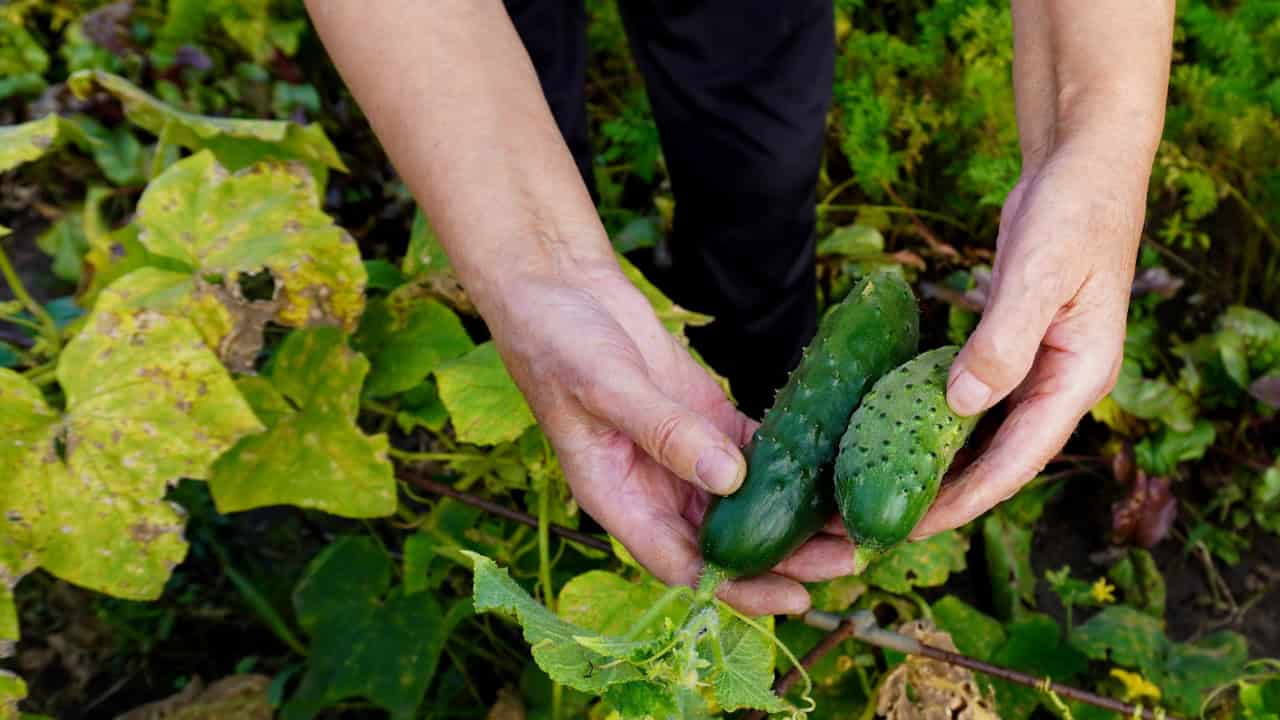
Cucumbers are a great choice for beginner gardeners. They grow quickly and abundantly, providing a lot of produce from just a few plants. They’re also versatile in the kitchen, making a great addition to salads, sandwiches, and even drinks.
Cucumbers are a vining plant, so they’ll need some space to spread out. Alternatively, you can provide a trellis for them to climb, which can help save space and also makes harvesting easier. Make sure they get plenty of sunlight and regular watering.
4. Radishes

Radishes are one of the quickest vegetables to grow, often ready to harvest in just three to four weeks. This quick turnaround makes them incredibly rewarding for beginner gardeners, who’ll get to enjoy the fruits of their labor in no time.
Plant radish seeds directly in the garden and keep the soil consistently moist. They prefer cool weather, so consider planting them in the early spring or fall. Radishes can be a bit spicy, but they mellow out when cooked and make a great addition to soups and stir-fries.
5. Zucchini
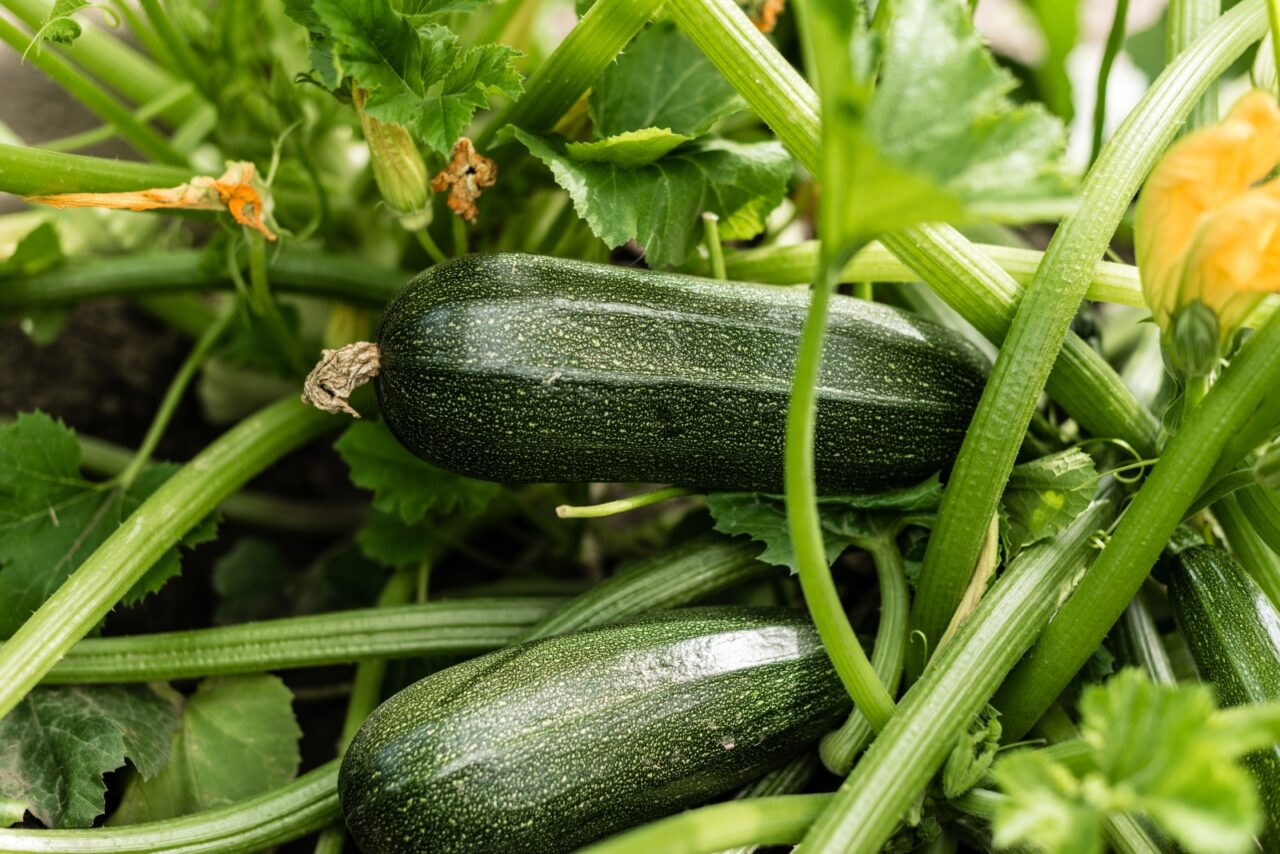
Zucchini is another great choice for beginners. These plants are known for their prolific production, and you’ll likely find yourself with more zucchini than you know what to do with.
Zucchini plants like warm weather and well-drained soil. They can be prone to certain pests, like squash bugs and vine borers, but these can usually be kept at bay with regular inspection and hand-picking. And remember, smaller zucchini are often more flavorful and tender than large ones.
6. Green Beans
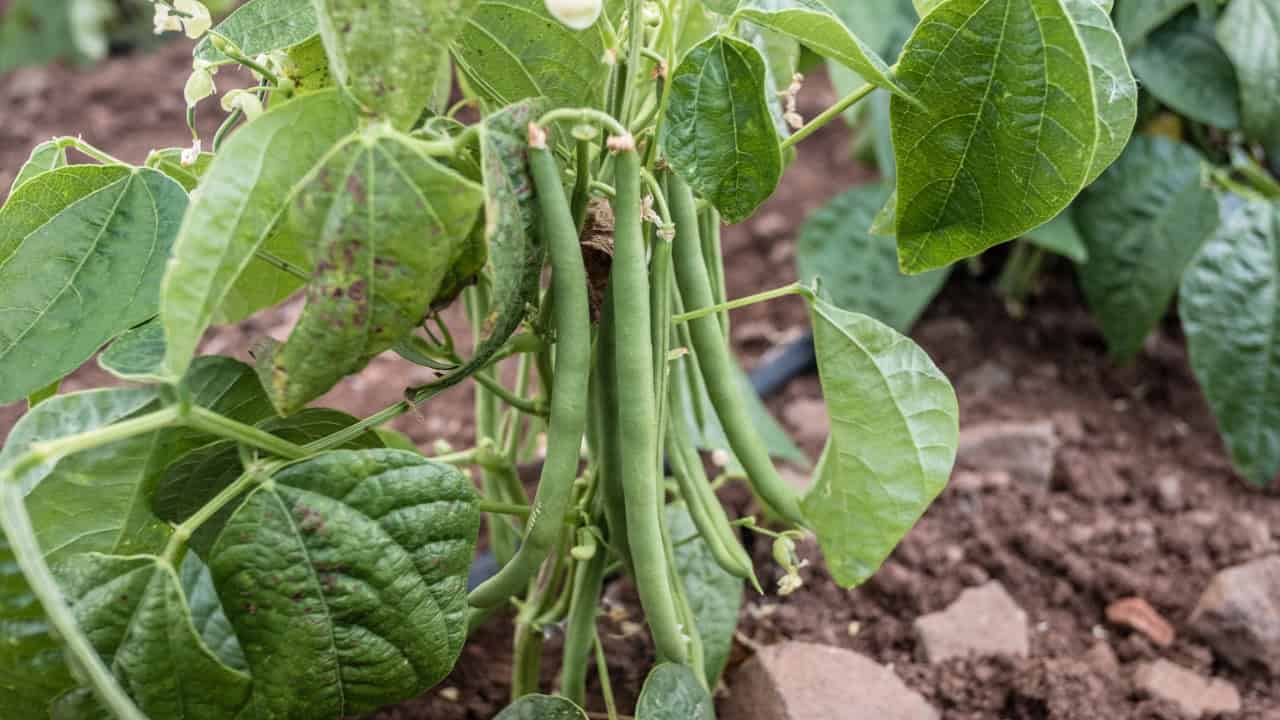
Green beans are a classic garden vegetable and are quite easy to grow. They come in two main types: bush beans, which grow on a bush-like plant, and pole beans, which grow on a vine and will need a trellis or other support.
Beans can be planted directly in the garden after the last frost of the spring. They prefer full sun and well-drained soil. Beans are ready to harvest when they’re firm and crisp, but before the seeds inside have fully developed.
7. Peas
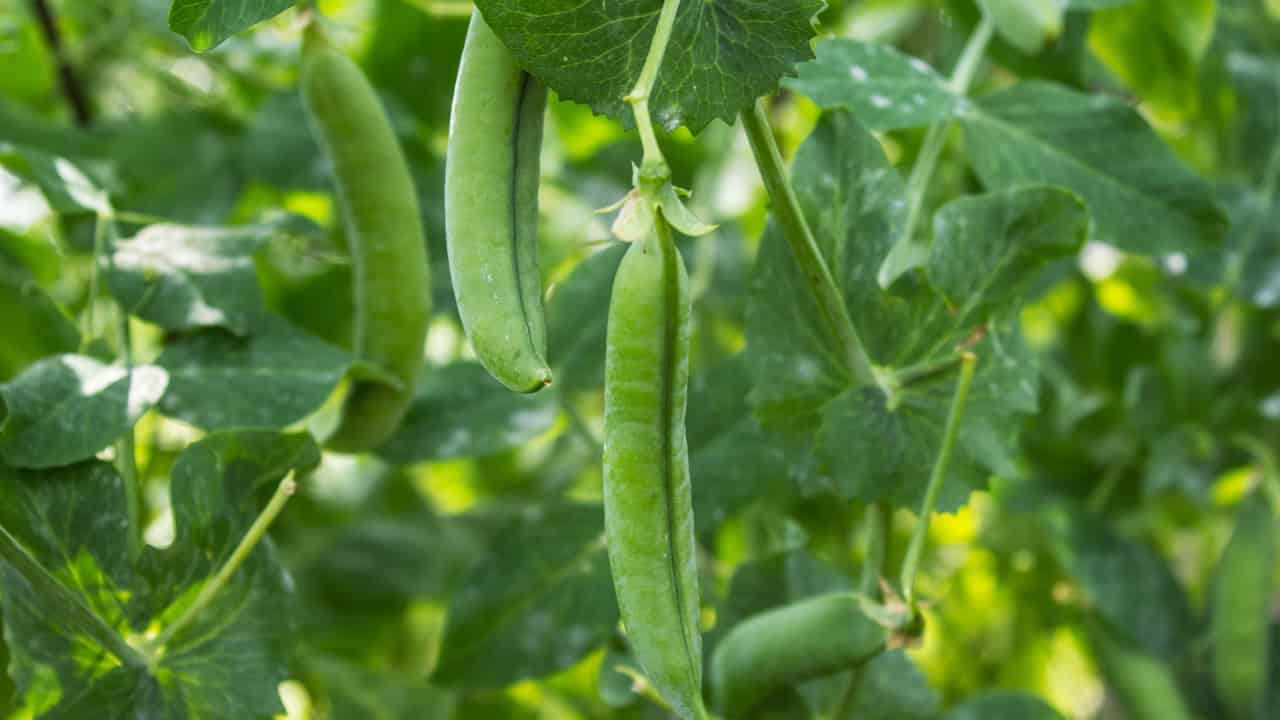
Peas are another good choice for beginner gardeners. They’re one of the first vegetables that can be planted in the spring, often as soon as the ground can be worked.
Peas will need some sort of support to climb, like a trellis or fence. They also prefer cooler weather, so plant them early in the spring and consider a second planting in late summer for a fall harvest. Freshly picked peas are incredibly sweet and delicious, making them well worth the effort.
8. Bell Peppers
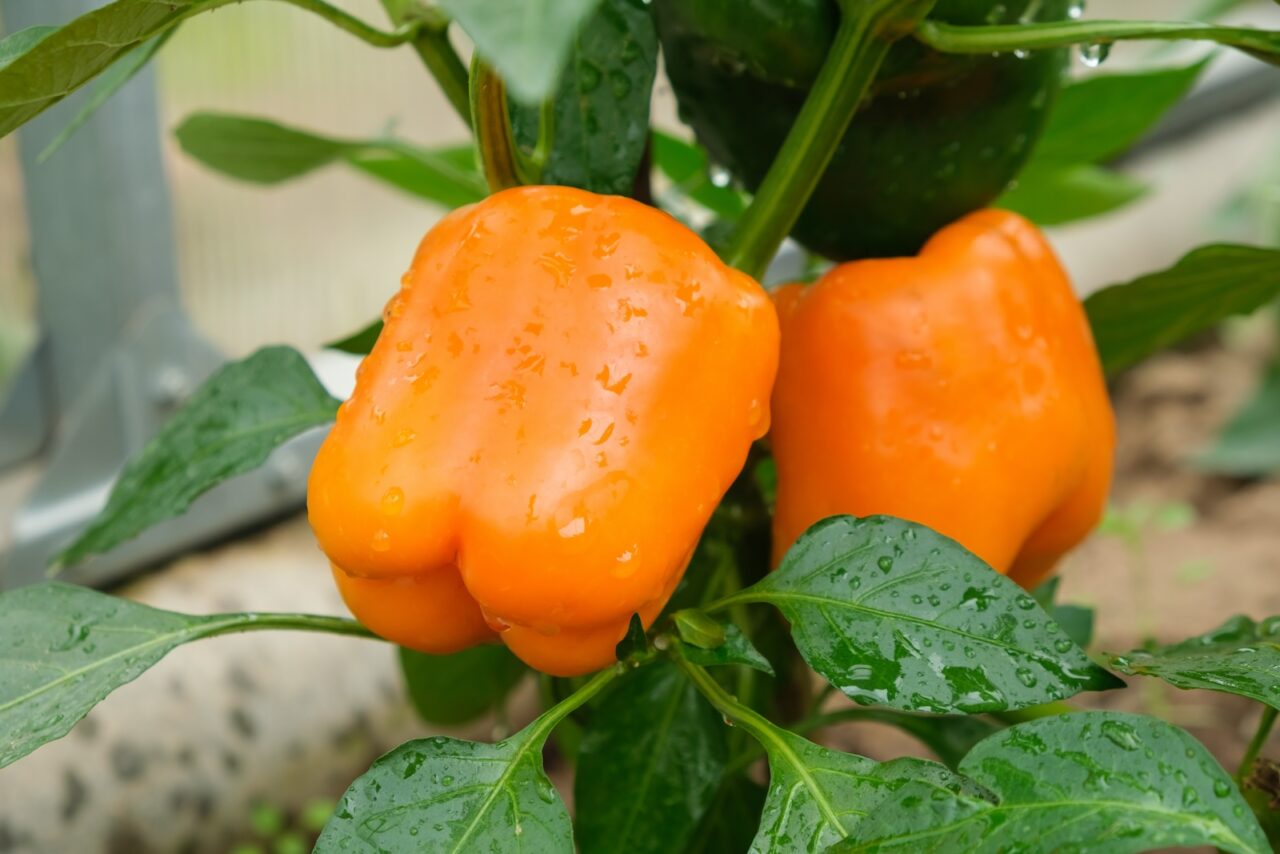
Bell peppers are relatively easy to grow and can add a lot of color and flavor to your meals. They prefer warm weather and plenty of sunlight, so plant them in a sunny spot in your garden.
Bell pepper plants can get quite large, so be sure to give them plenty of space to grow. They also benefit from a steady supply of water, especially once the peppers start to form. And remember, the longer you leave the peppers on the plant, the sweeter they’ll become.
9. Carrots
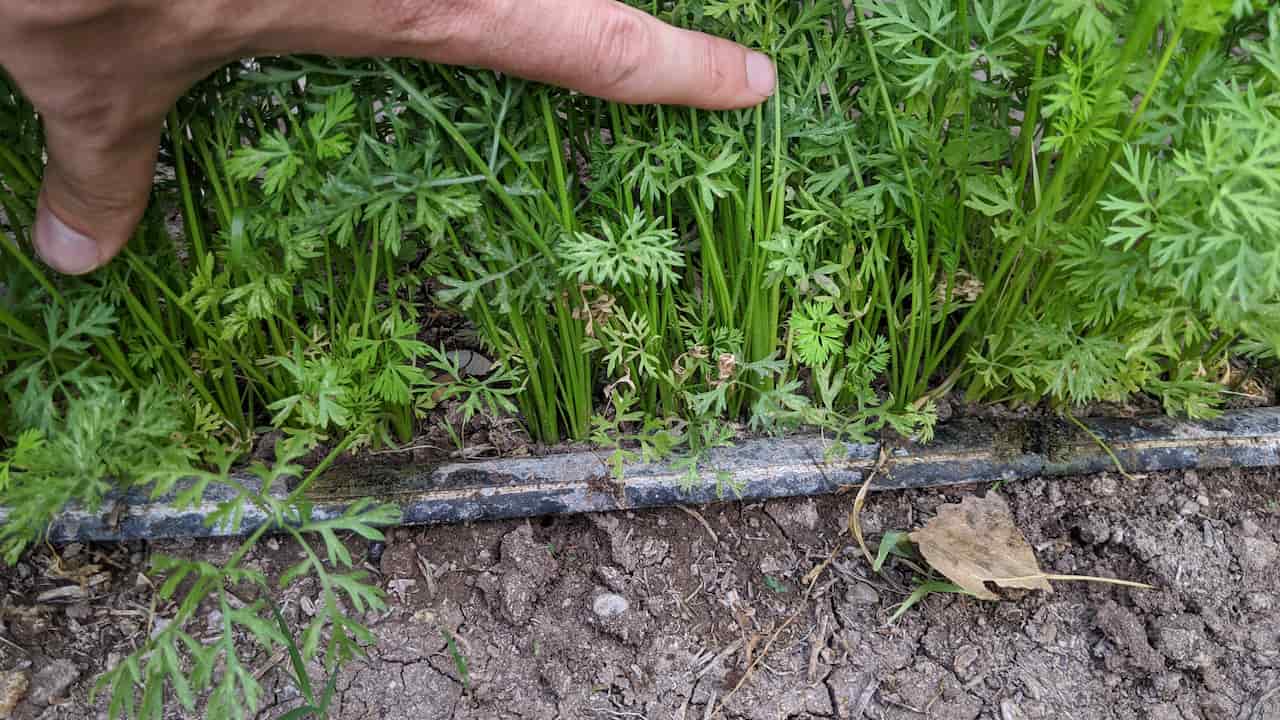
Carrots are a fun vegetable to grow, especially for kids who will enjoy pulling them up out of the ground. They can be planted in the early spring and again in the late summer for a fall harvest.
Carrots prefer loose, sandy soil that allows their long roots to grow freely. They can sometimes be a bit finicky about germination, so be patient and keep the soil consistently moist until the seedlings emerge. And remember, carrot tops are edible too and make a great addition to salads!
10. Spinach

Spinach is a nutrient-packed vegetable that’s great for beginners. It grows quickly, is quite hardy, and can even be grown in containers if you’re short on space.
Plant spinach in the early spring or fall, as it prefers cooler temperatures. Keep the soil consistently moist, and you can start harvesting as soon as the leaves are large enough to eat. Try adding fresh spinach to salads, stir-fries, or smoothies for a health boost.