Companion planting is a simple way to help your garden thrive by growing certain plants together. When done right, it can improve growth, reduce pests, and even boost flavors.
By choosing the right plant combinations, you can create a healthier and more productive garden with less effort. This guide will introduce you to ten combos that work well to support your vegetables and herbs, making your gardening experience easier and more rewarding.
Advertisement
Corn, Beans, and Squash (Three Sisters)
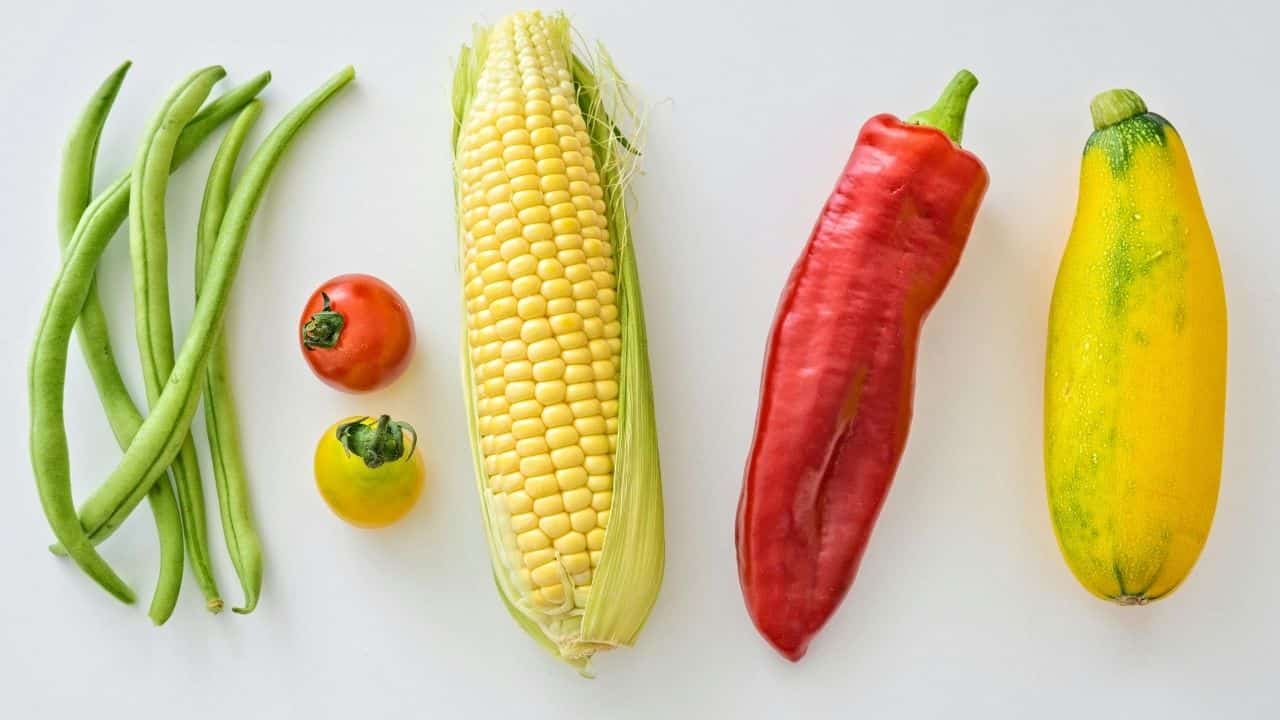
You plant corn first to give beans something to climb on. The beans fix nitrogen in the soil, helping all the plants grow better.
Squash spreads low, shading the soil and keeping moisture in. This combination helps reduce weeds and supports each other naturally in your garden.
Tomatoes and Basil
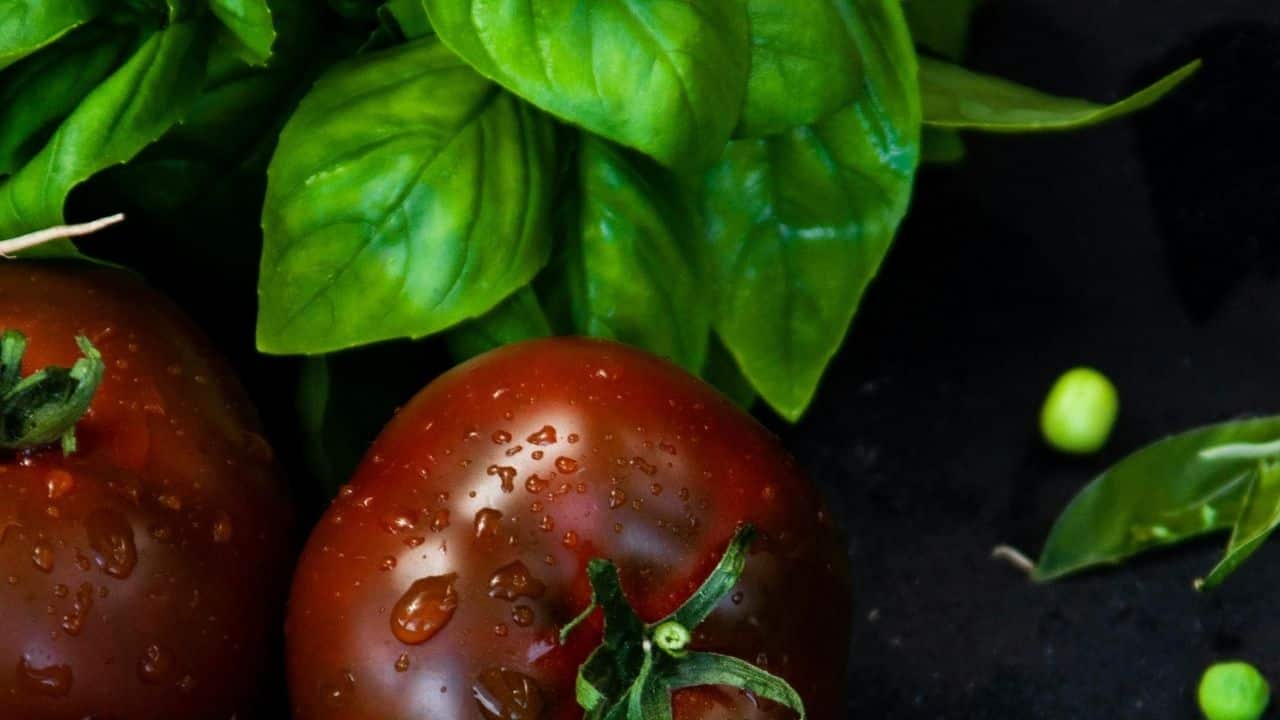
When you plant basil near your tomatoes, it can help protect them from pests like thrips. This companion planting also makes efficient use of your garden space.
Basil may even improve the growth and flavor of your tomatoes. Plus, the two plants thrive in similar conditions, so they grow well together.
Cucumbers and Nasturtiums
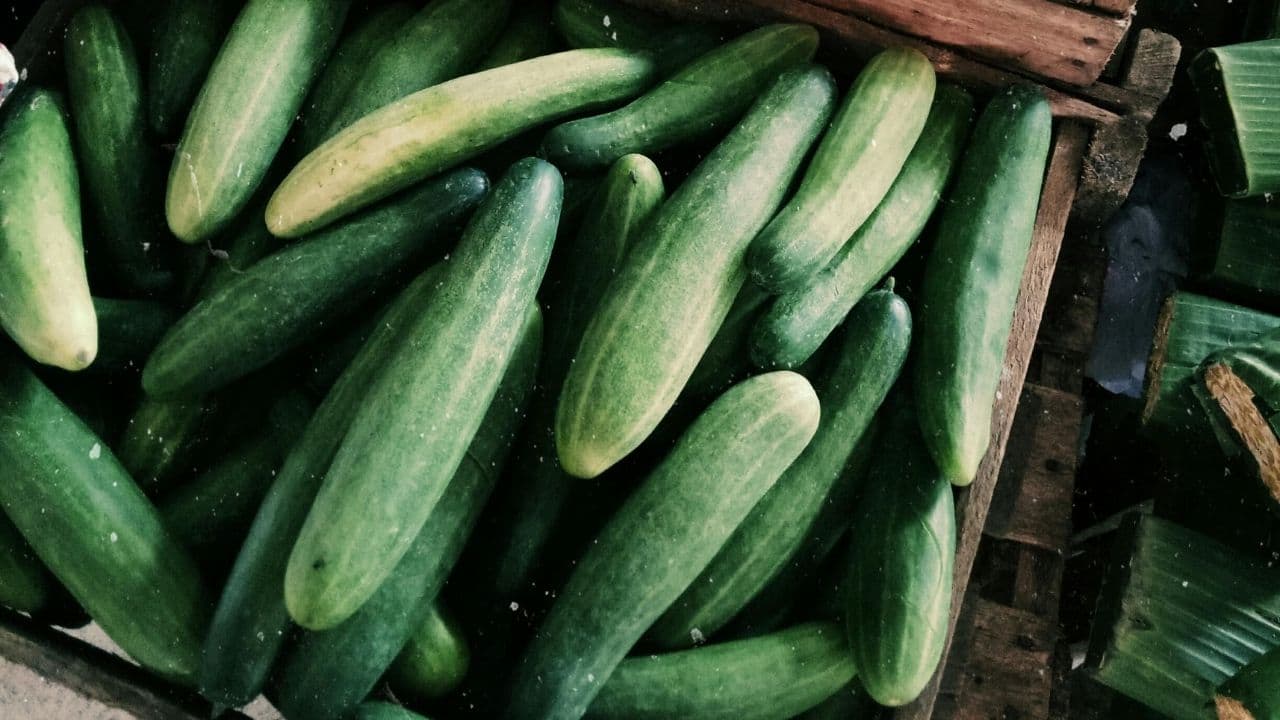
You can plant cucumbers and nasturtiums together on the same trellis to save space. Nasturtiums add bright flowers that attract beneficial insects, which can help protect your cucumbers from pests.
Some gardeners find that nasturtiums repel beetles and improve the overall health of cucumber plants in their garden. This combo also looks pretty while being practical.
Carrots and Onions
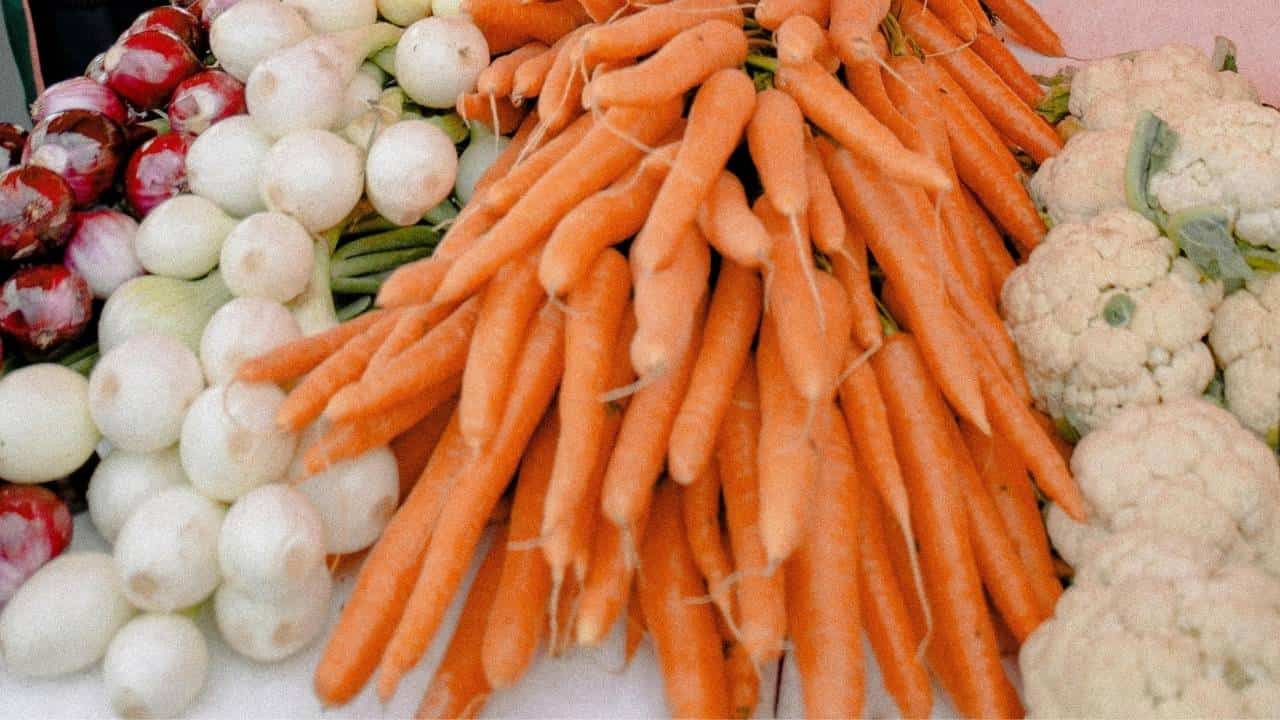
You can grow carrots and onions together because they complement each other well. Onions help repel carrot flies, which protects your carrots from damage.
Carrots don’t compete much with onions for nutrients, so both can grow strong side by side. This pairing also maximizes space in your garden efficiently.
Marigolds and Tomatoes
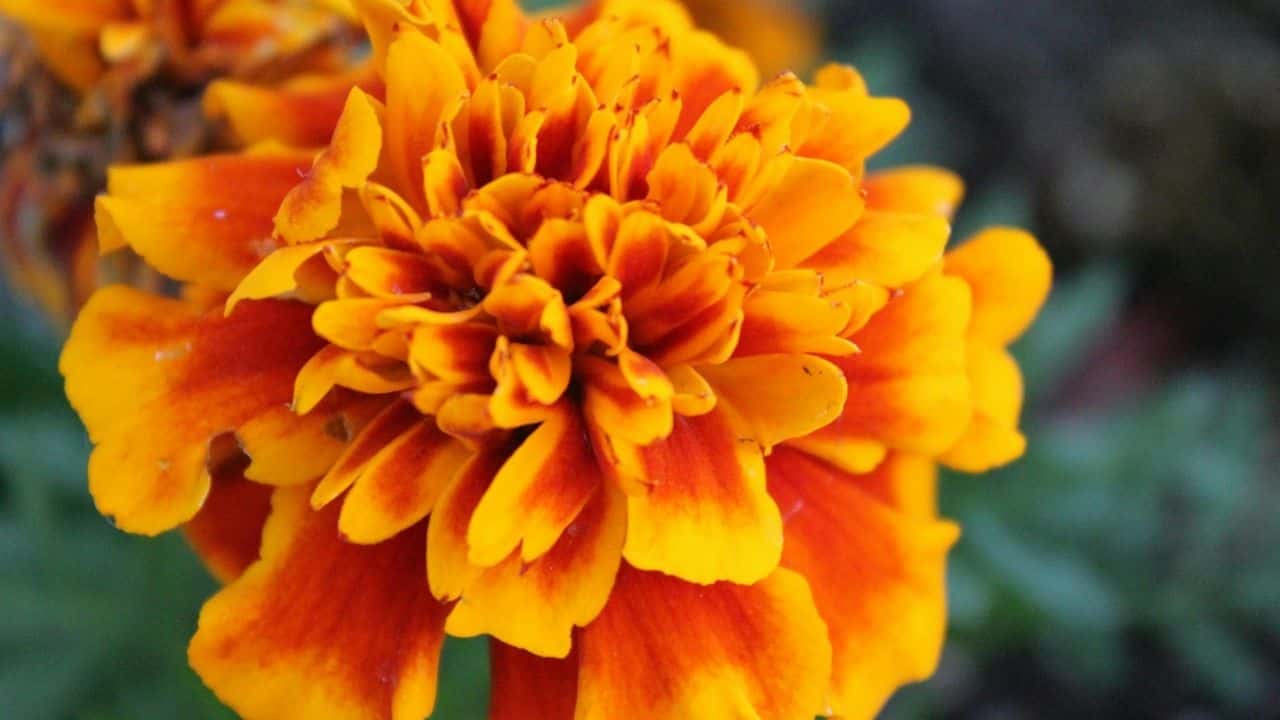
You can plant marigolds near your tomatoes to help keep pests away. They repel harmful insects that might damage your tomato plants.
Marigolds also attract pollinators, which can improve your tomato yield.
Try spacing your tomatoes well if you’re container gardening to give both plants enough room to grow.
Garlic and Roses

Planting garlic near your roses can help keep aphids away. It also reduces the risk of black spot, a fungal disease that affects rose leaves.
Garlic’s natural scent confuses pests, making your roses less attractive to them. You’ll enjoy healthier blooms and fresher foliage as a result.
Peas and Radishes
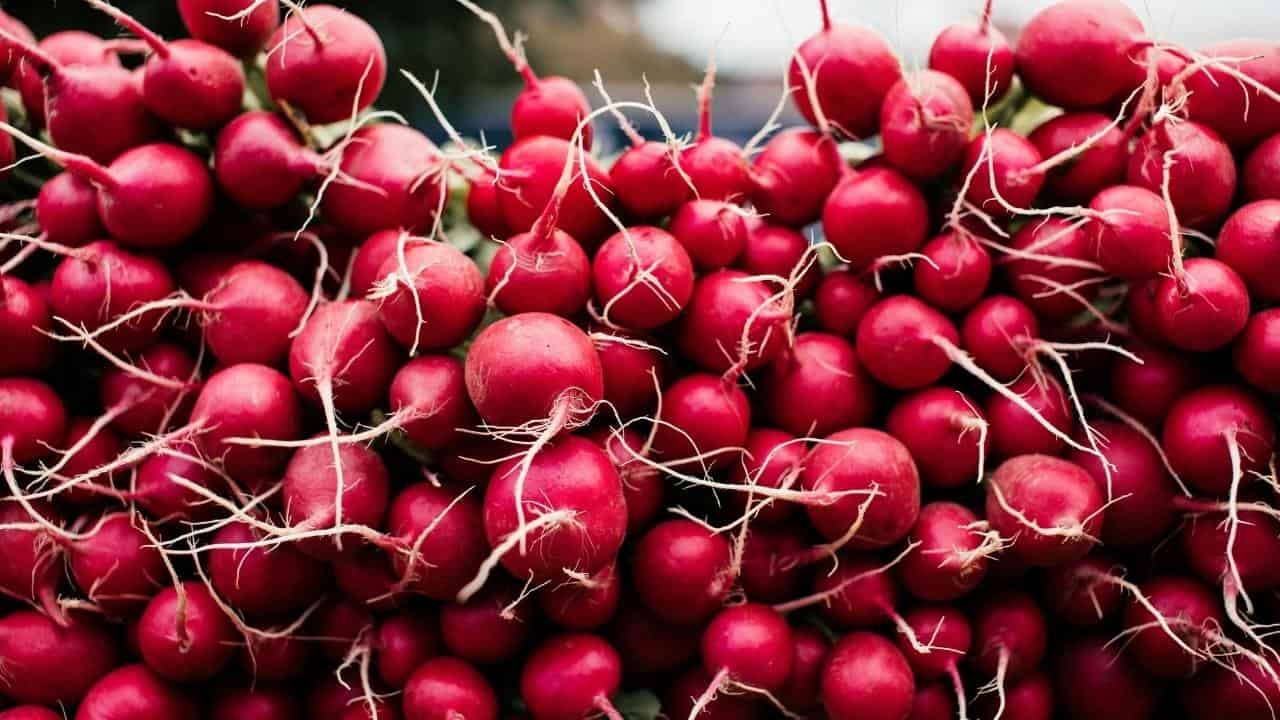
You can plant peas and radishes together because they both enjoy cool, moist conditions. Radishes grow quickly, helping you spot where peas are sprouting.
This combo also helps improve soil health. Peas add nitrogen, which benefits radishes and other nearby plants in your garden.
Lettuce and Dill
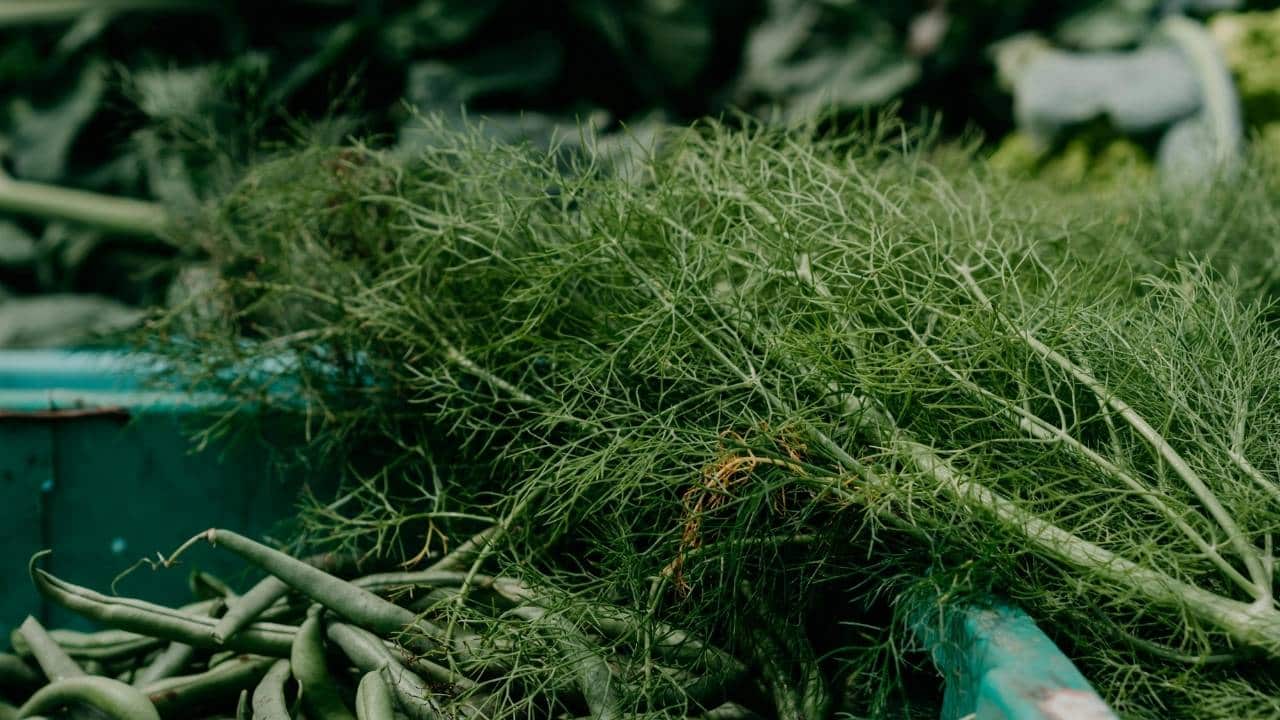
You can plant dill near your lettuce to create a beneficial combo. Dill attracts helpful insects that can protect your lettuce from pests.
Both plants enjoy similar growing conditions, so they thrive well together. Just avoid planting dill too close to carrots, as it can affect their flavor.
Cabbage and Rosemary
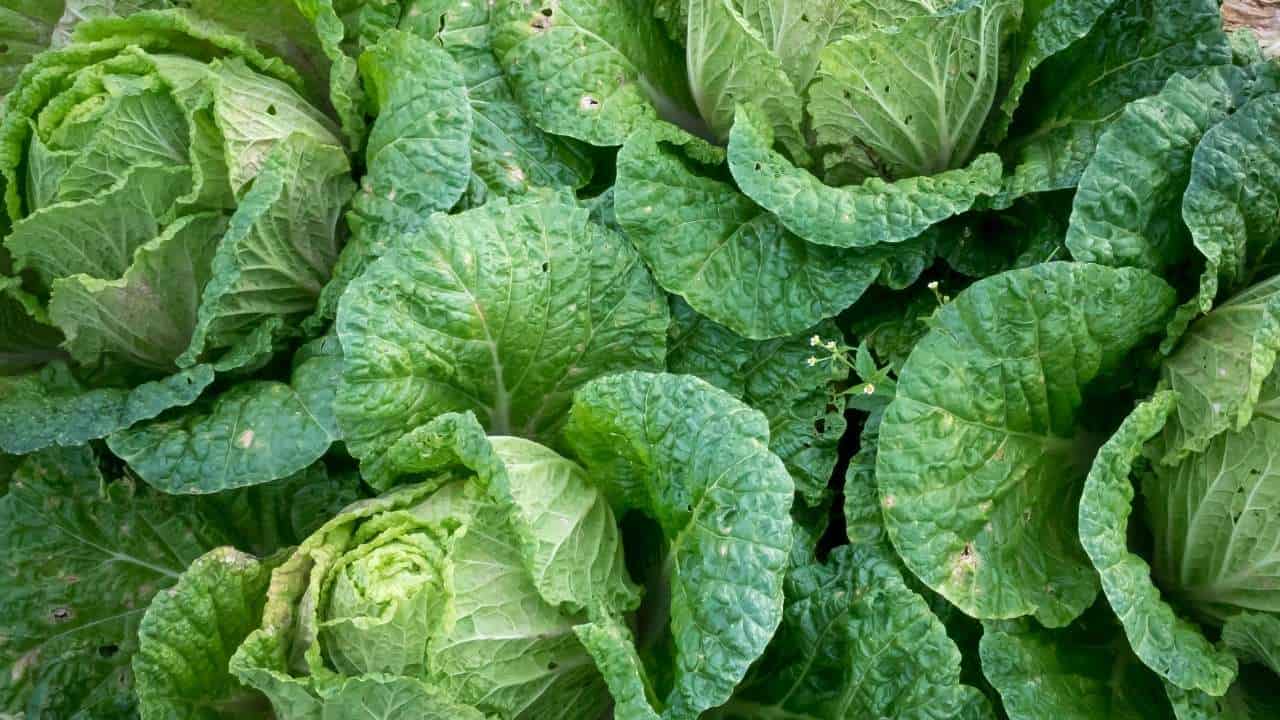
You can plant cabbage and rosemary together to help protect your cabbage from pests. Rosemary’s strong scent helps deter insects that might harm your cabbage.
Rosemary is easy to grow and doesn’t need much water, making it a low-maintenance companion. Adding rosemary near your cabbage can improve your garden’s health naturally.
Spinach and Strawberries
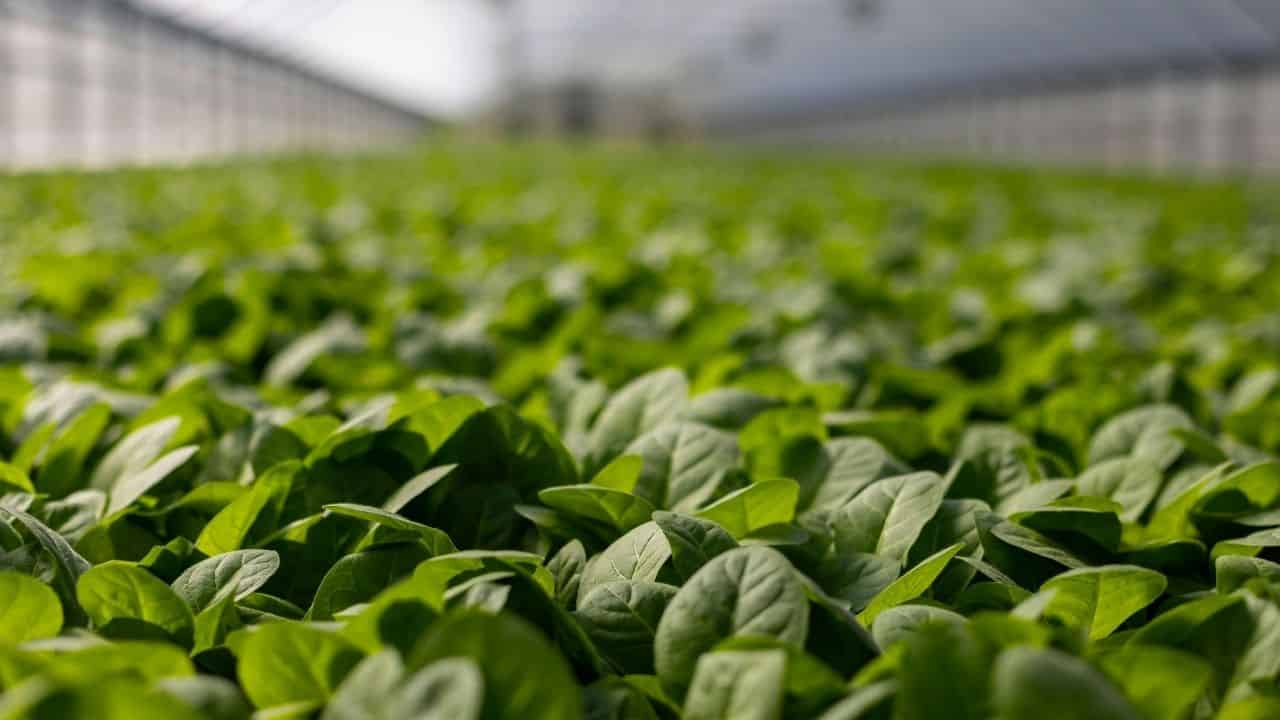
You can plant spinach alongside strawberries for a garden-friendly pairing. Both grow well in cooler weather, making them perfect companions.
Spinach grows low and won’t compete for space or sunlight. This helps your strawberries get enough room to spread.
Plus, spinach can help keep the soil moist and shady, which benefits the strawberry roots. You’ll enjoy a healthy and productive garden with this duo.