When you’re trying to stretch your budget and reduce food waste, knowing how to make your groceries last longer is essential. It’s easy to fall into habits that lead to spoilage and unnecessary expenses.
By implementing a few clever strategies, you can save money and keep your kitchen stocked with fresh ingredients. These tips can make a real difference in your daily routine, helping you enjoy your groceries for longer and reduce trips to the store.
Advertisement
1. Freeze bread to extend its shelf life

Freezing your bread is a great way to keep it fresh longer. Before you do, make sure to wrap it tightly in foil or plastic wrap to prevent freezer burn.
Consider slicing the loaf before freezing. This way, you can take out just the slices you need for sandwiches or toast. Use freezer-safe bags for extra protection.
Doubling up on storage bags can help extend the bread’s freezing time and maintain its freshness. Visit Food and Wine’s storing bread tips for more ideas.
2. Store herbs in water like fresh flowers

Keep your herbs fresh longer by treating them like a bouquet of flowers. Simply trim the stems and place them in a glass of water. This method works well for soft herbs like basil and cilantro.
For best results, cover the leaves loosely with a plastic bag before placing them in the fridge. Remember to change the water every couple of days to maintain freshness. This approach can extend the life of the herbs up to two weeks more efficiently.
For more detailed advice on this method, check out this helpful guide on storing fresh herbs here.
3. Use glass containers for leftovers
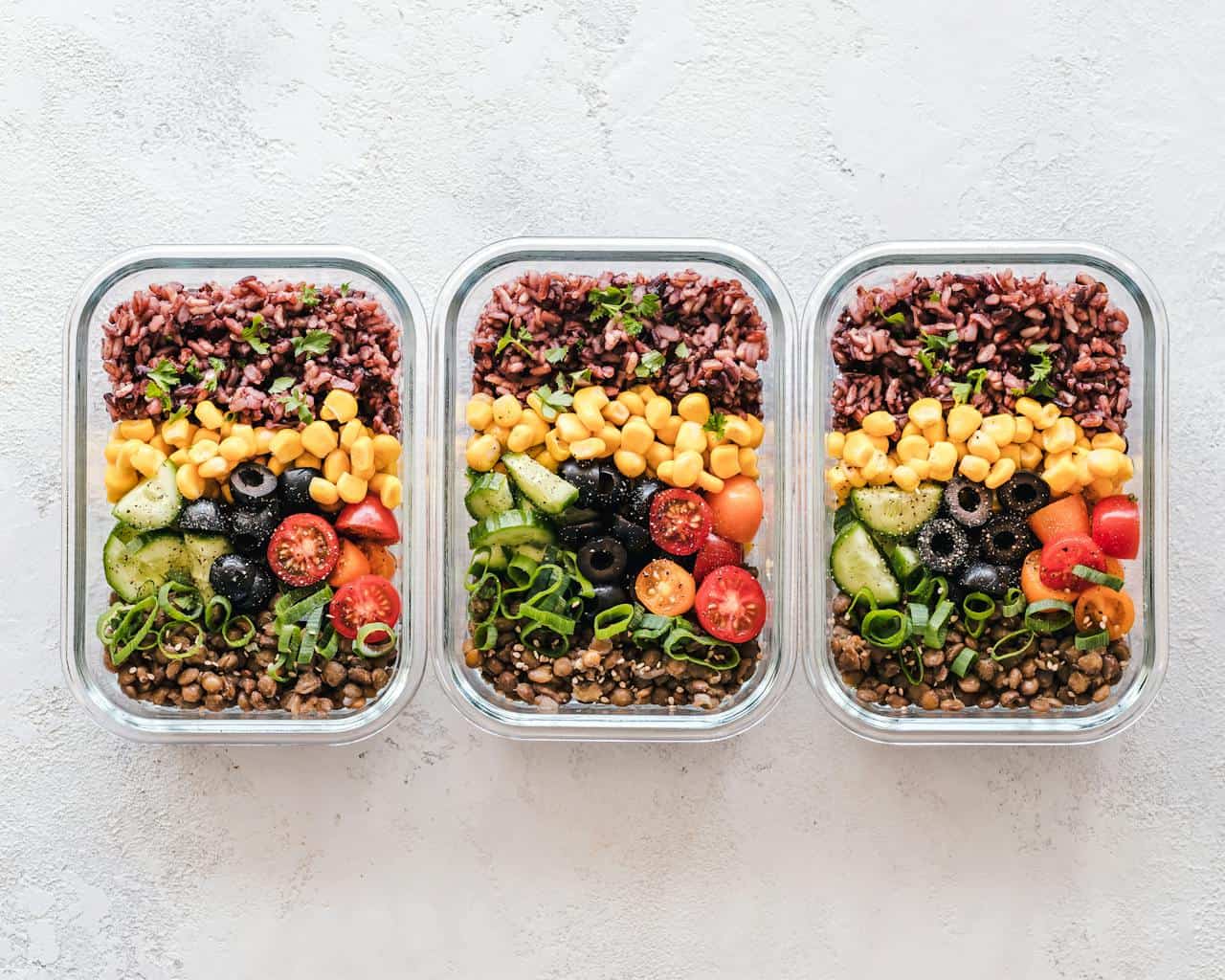
Switch to glass containers for your leftovers, and you’ll notice how fresh your meals stay. Glass doesn’t absorb odors or stains, so it’s perfect for all kinds of food.
With options like mason jars or thrifted glass containers, you can reheat food directly in the microwave without fuss. They’re ideal for storing both wet and dry foods.
Glass containers are reusable, making them environmentally friendly and economical. You can even pick up some mason jars for air-tight storage. This can help keep your pantry organized while extending the life of your groceries.
4. Store apples separately to prevent ripening other fruits

Did you know that apples release ethylene gas as they ripen? This gas can speed up the ripening of other fruits and vegetables if they’re stored too close. So, it’s a good idea to keep apples away from your other produce.
One simple trick is to store apples in a pantry wrapped individually in newspaper. This technique not only keeps them fresh for weeks but also helps in isolating the ethylene gas.
If you prefer keeping them in the fridge, make sure they’re separated from items like bananas or pears. By doing this, you can help your other fruits last as long as possible. This not only reduces waste but also helps you make the most of your grocery shopping.
5. Refrigerate nuts to keep them fresh
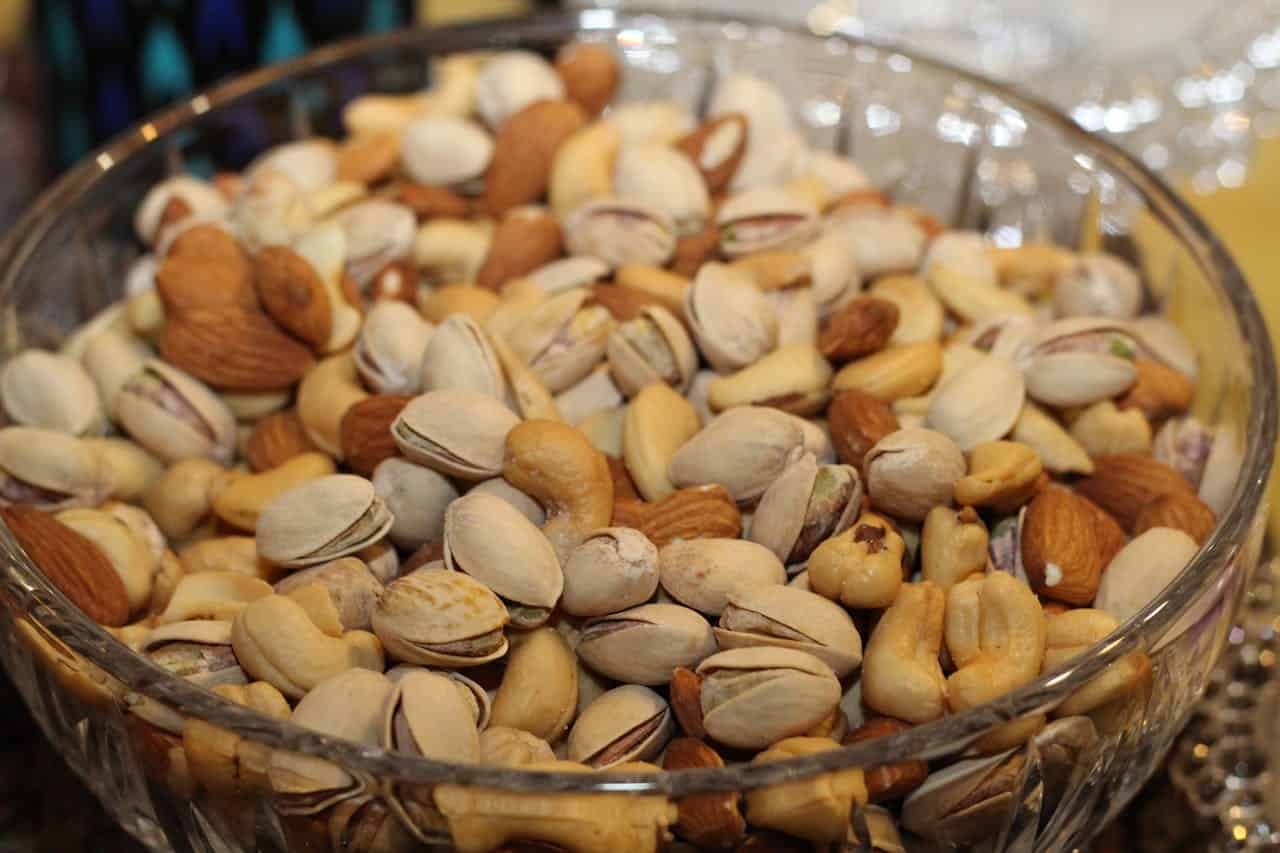
To ensure your nuts stay fresh and flavorful, storing them in the refrigerator is a great idea. When stored in a sealed container, they can maintain their quality for months. This method helps protect nuts from going rancid due to their natural oils.
Keeping nuts in the refrigerator can extend their shelf life. For the best results, place them in a glass jar with a tight-fitting lid. This setup locks out air and prevents moisture from affecting their texture and taste.
If you have limited fridge space, you might consider using the freezer. Storing nuts in the freezer keeps them fresh for even longer periods without compromising their flavor. Pop them into a freezer bag, and they’ll be good to go for up to a year.
6. Wrap cheese in parchment paper instead of plastic

Wrapping cheese in parchment paper helps it stay fresh longer. Unlike plastic, parchment lets the cheese breathe while preventing it from drying out.
Using parchment paper is simple. Just wrap your cheese and then place it in the fridge. If you’re in search of specialty cheese paper, butcher paper is a great alternative.
By avoiding plastic, you can also reduce waste. It’s an easy way to be more eco-conscious with your food storage while keeping your cheese delicious.
7. Use vinegar wash to clean berries and extend freshness

You can easily extend the life of your berries by using a vinegar wash. Simply mix one part vinegar with three parts water in a bowl. Soak the berries for a few minutes to help kill bacteria and mold spores that can cause them to spoil.
After soaking, rinse the berries thoroughly with clean water. Pat them dry with a towel before storing. This process not only cleans the berries but also keeps them fresh for up to two weeks. For best results, store them in an airtight container.
Using a vinegar wash is a simple trick that helps you enjoy your berries longer, reducing food waste and saving you money. This method works well for various types of berries, including strawberries and blueberries. Check out how this method can help keep them fresh.
8. Blanch and freeze seasonal vegetables
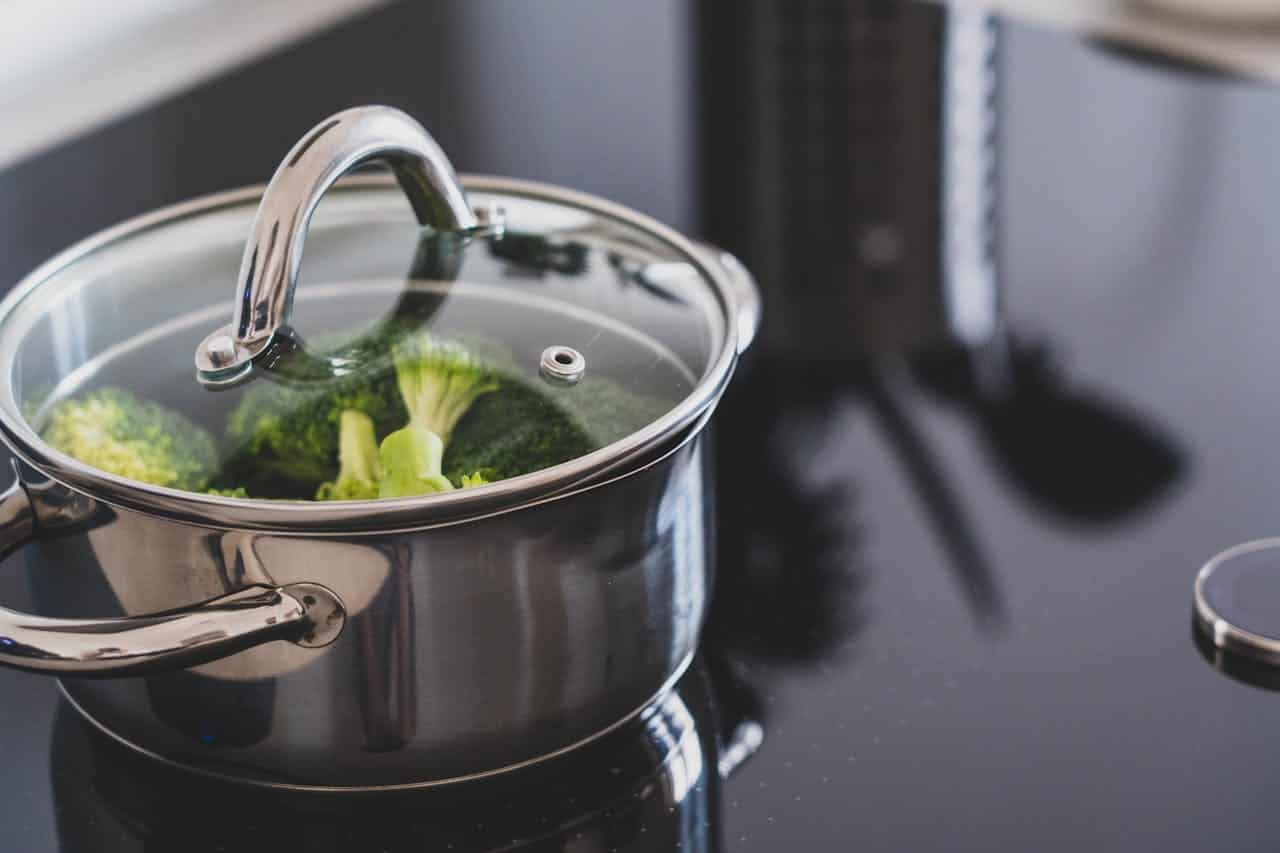
Blanching and freezing vegetables is a simple way to preserve their goodness. By quickly boiling them and then cooling them in iced water, the veggies retain their color and freshness.
This method is a great way to keep those seasonal vegetables around for a long time. It’s super handy for items like green beans and broccoli. Blanching also helps destroy enzymes that cause veggies to age and lose flavor over time.
Once blanched, pack the vegetables in airtight bags to prevent freezer burn. Label them with the date so you know the freshness timeline. With these steps, you’ll have a stock of vibrant vegetables ready for use whenever.
9. Store potatoes and onions in a cool, dark place
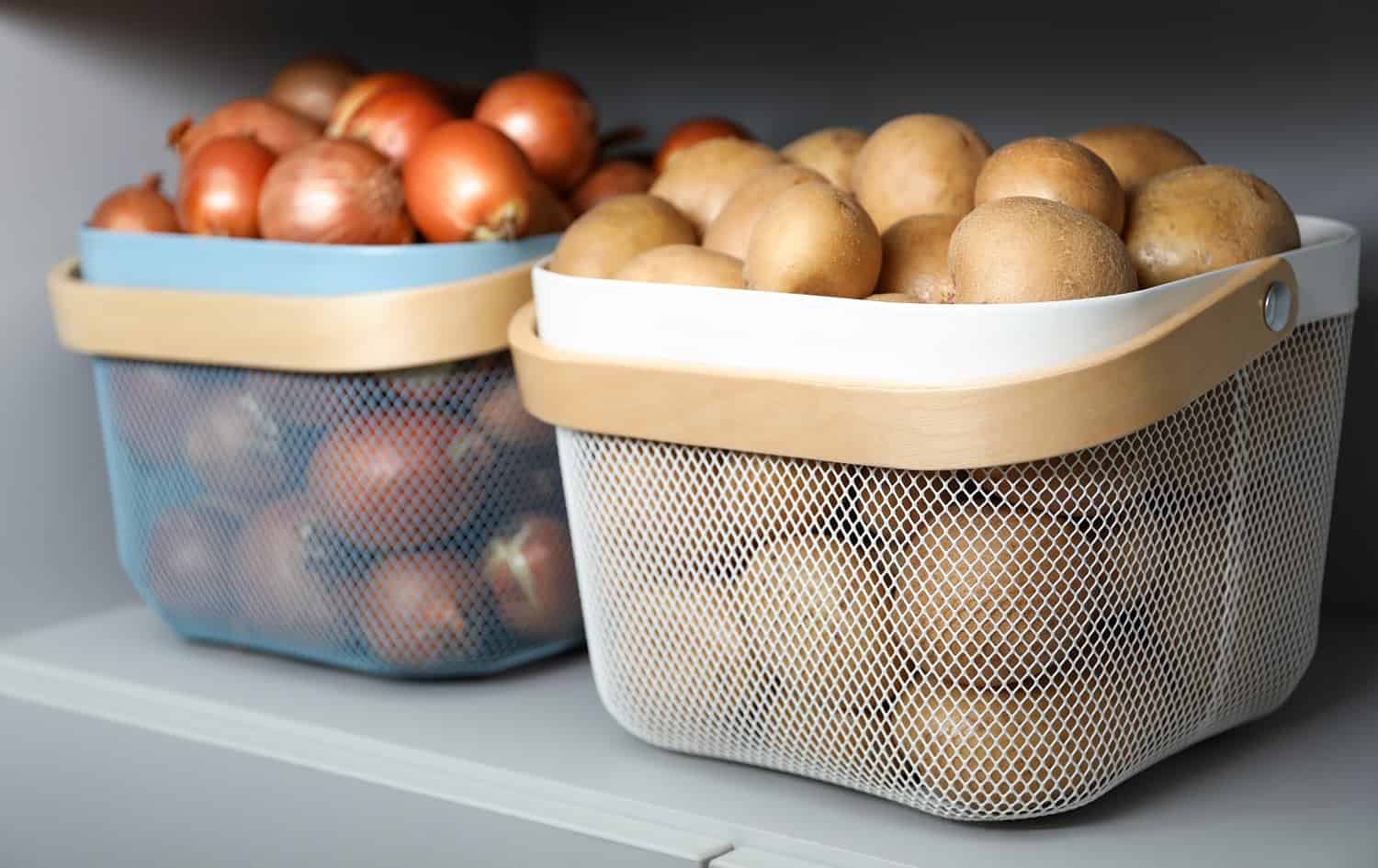
Keep your potatoes and onions fresh by storing them in a cool, dark place with good airflow. Ideal locations are a pantry or a cellar that stays between 40 to 50°F (4 to 10°C).
Avoid putting them in the fridge since cold temperatures can spoil their taste and texture. A basket with airflow works great for these veggies. Make sure they are dry before storage to prevent mold. Separate onions from potatoes to keep them from sprouting.
For more tips on storing potatoes, check out how potatoes stored in a cardboard box lasted well.
10. Regrow green onions in water for continuous supply

Regrowing green onions in water is super easy and can save you a bit on groceries. Just take the white ends with the roots, place them in a small glass or jar, and add enough water to cover the roots. Make sure the jar gets some sunlight to help them grow.
You’ll notice new growth in just a few days. Trim off what you need for cooking, and they’ll keep producing more green onions. This method of regrowing is both efficient and nearly cost-free, perfect for anyone looking to make their groceries last longer.
For more detailed methods and advice, you might find the instructions on this blog helpful in ensuring a continuous supply. You can also check out other tips by Allrecipes on how to regrow green onions from scraps.