When you clean your home, you probably want to use products that make your space safe and fresh. However, not all cleaning supplies are as helpful as they seem. Some products may cause more harm than good, affecting your health or damaging surfaces over time.
Knowing which cleaning products to avoid can protect you and your family from unnecessary risks. This article will help you recognize common items that might be better left unused, so you can make smarter choices for a cleaner, safer home.
Advertisement
Chlorine Bleach
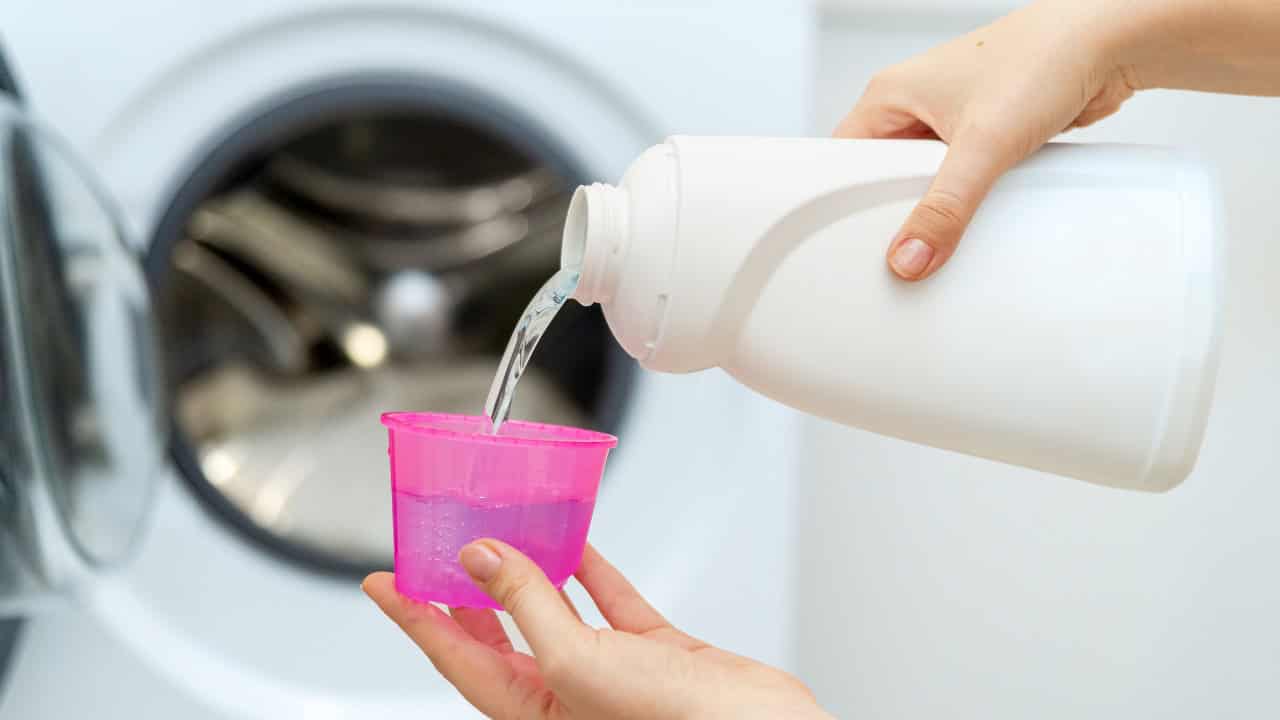
You might use chlorine bleach to disinfect and whiten surfaces. It’s effective but can release harmful chlorine gas if mixed with other cleaners like ammonia or vinegar.
Breathing in chlorine gas can irritate your lungs and cause breathing problems. Always use bleach in a well-ventilated area and never combine it with other products.
Chemical Drain Openers
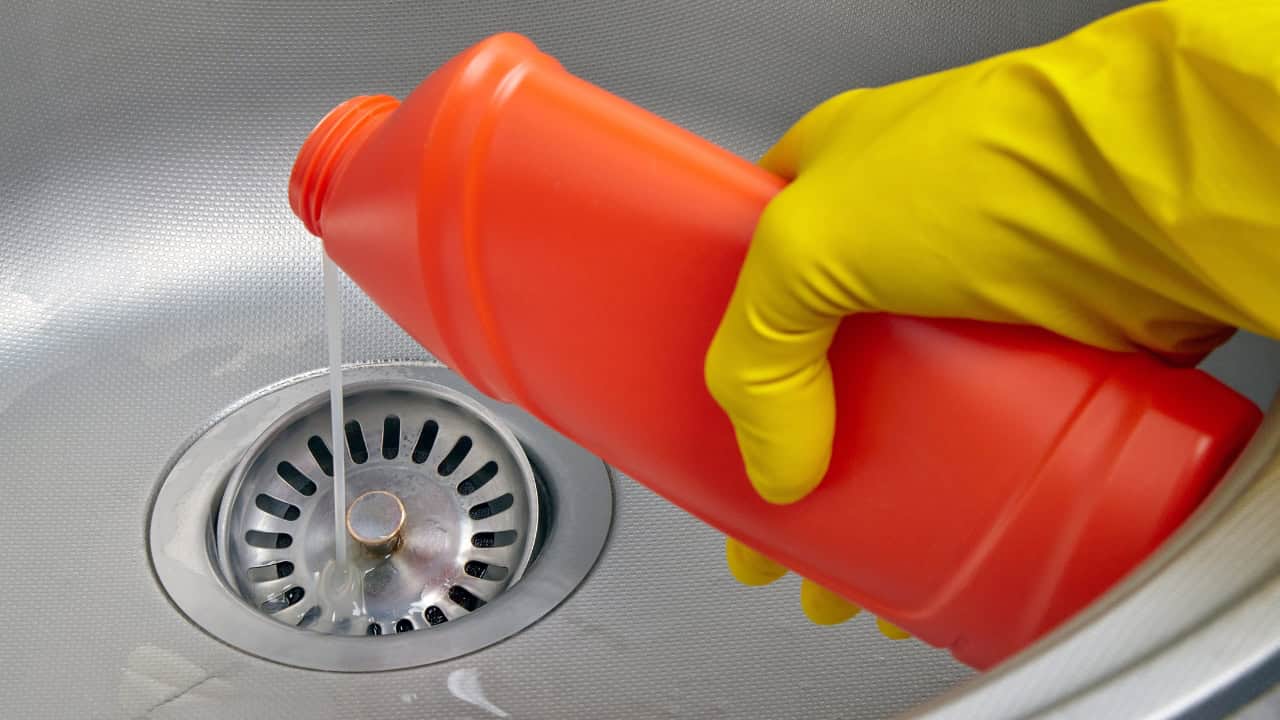
You might be tempted to use chemical drain openers to fix clogs quickly. These products often contain strong acids or lye, which can irritate your skin and eyes.
Using them repeatedly can damage your pipes, especially if they are made of cast iron or older materials. Consider safer alternatives before reaching for these harsh chemicals.
Fabric Softener Sheets
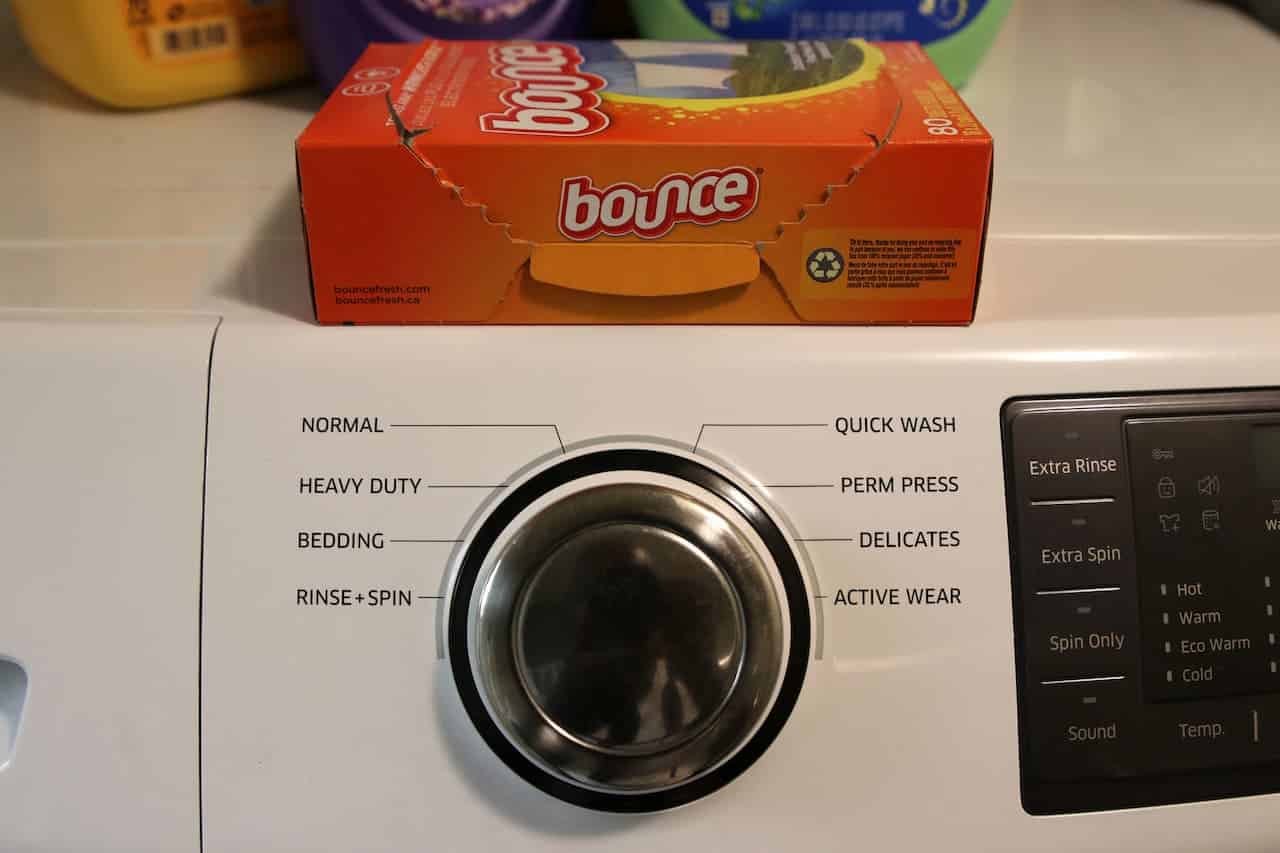
You might like fabric softener sheets for reducing static and adding scent. However, they often contain chemicals that can build up in your washer and dryer over time.
This buildup may cause mold or mildew, especially in front-loading machines. Using them frequently could also irritate sensitive skin and affect respiratory health. Consider skipping them or using alternatives like dryer balls for fresh, static-free laundry.
Scented Laundry Detergents
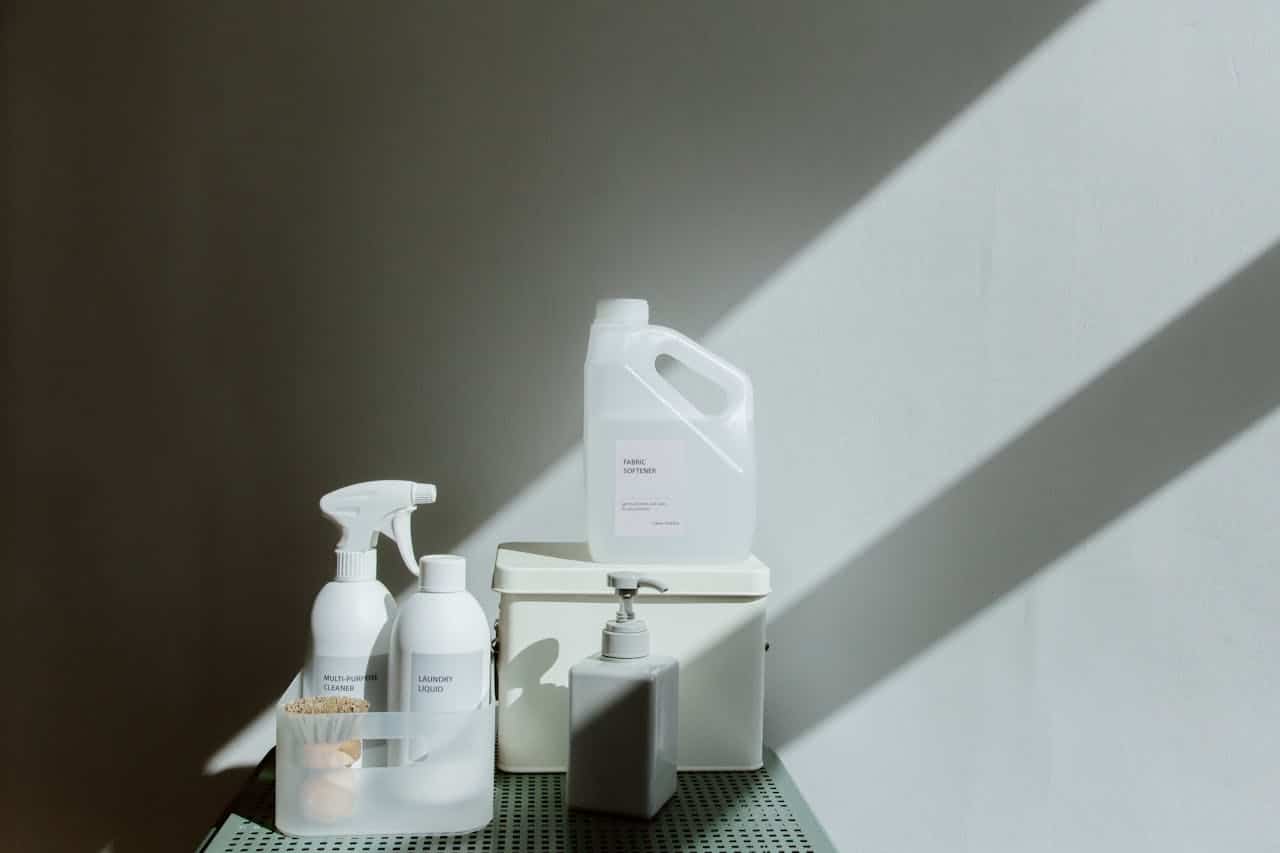
When you use scented laundry detergents, you might not realize they often contain synthetic fragrances. These can trigger allergies or respiratory issues for some people.
Many scented detergents include chemicals like phthalates, which can disrupt hormones. Choosing fragrance-free or naturally scented products can be a safer option for your family and the environment.
Dryer Sheets with Fragrance
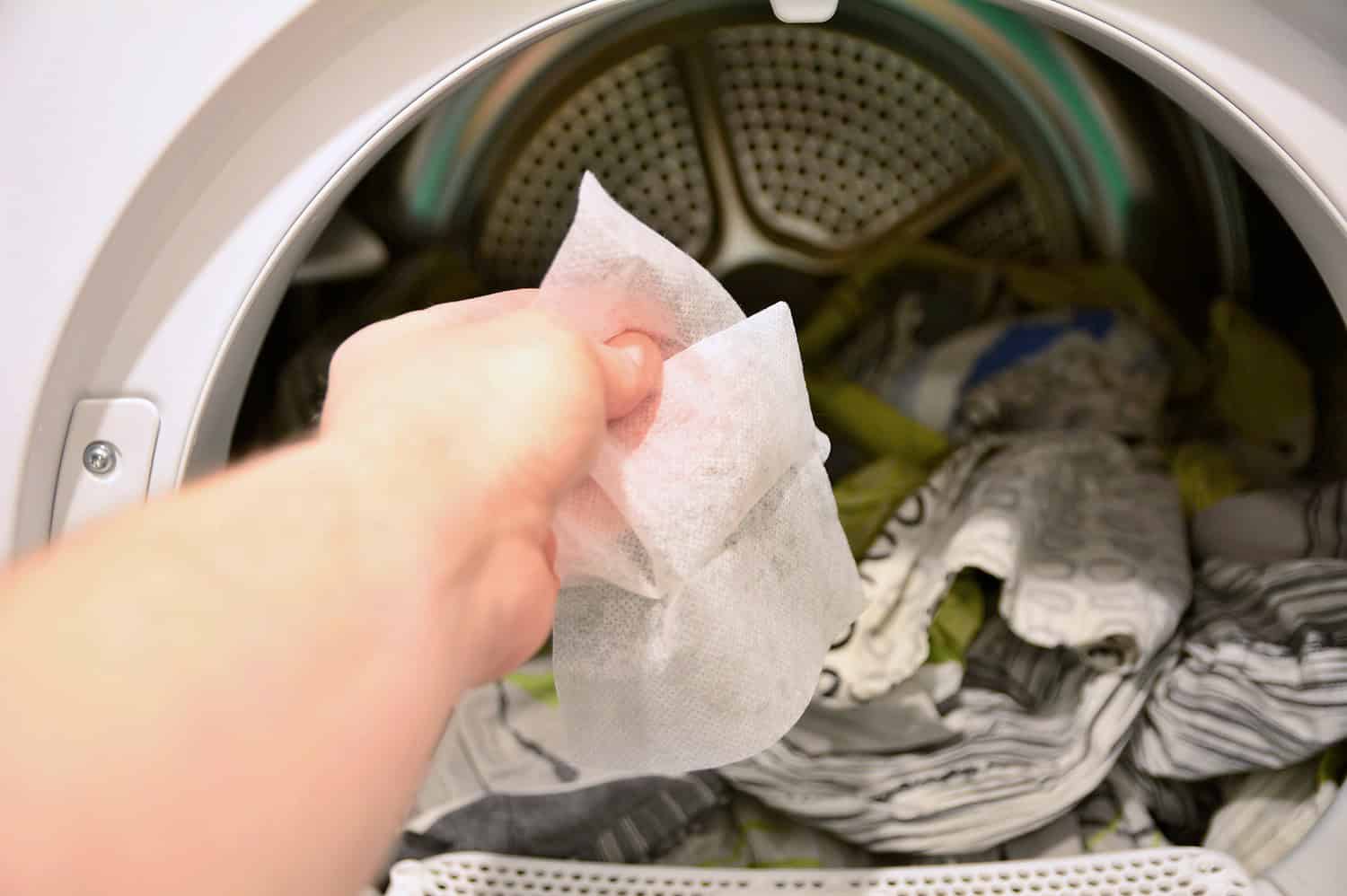
If you use dryer sheets with fragrance, be aware they can cause skin irritation, especially if your skin is sensitive.
The scented chemicals might also trigger allergies or asthma, which can be problematic for kids or anyone with respiratory issues. You might want to look for fragrance-free alternatives or use wool dryer balls to avoid these potential effects.
Antibacterial Cleaning Wipes
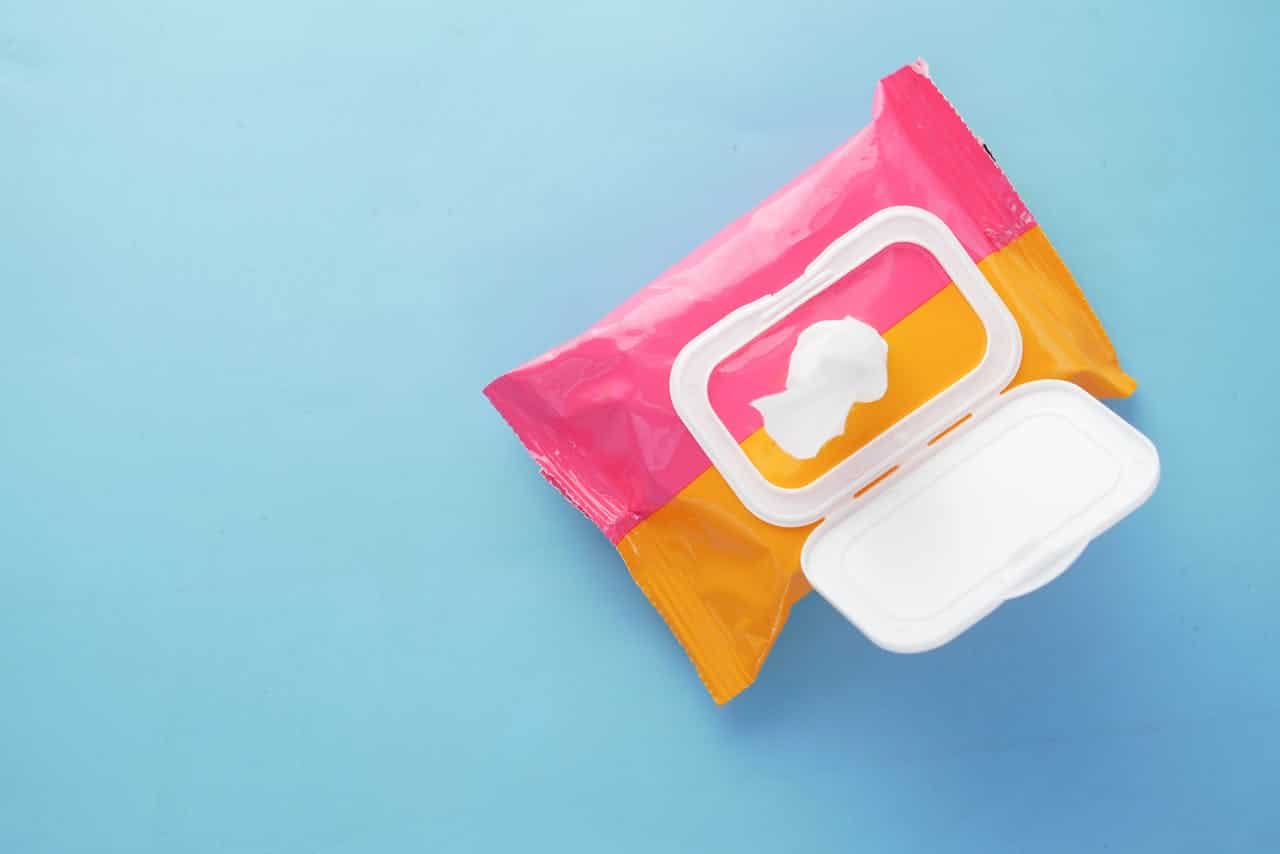
You might reach for antibacterial wipes to quickly clean surfaces or your hands. However, these wipes can leave harmful residues on your skin and might not be safe to use before eating.
They can also contribute to antimicrobial resistance, making bacteria harder to kill over time. Plus, using them on certain surfaces can cause damage or be ineffective. Choose your cleaning tools carefully to stay safe.
Air Fresheners with VOCs
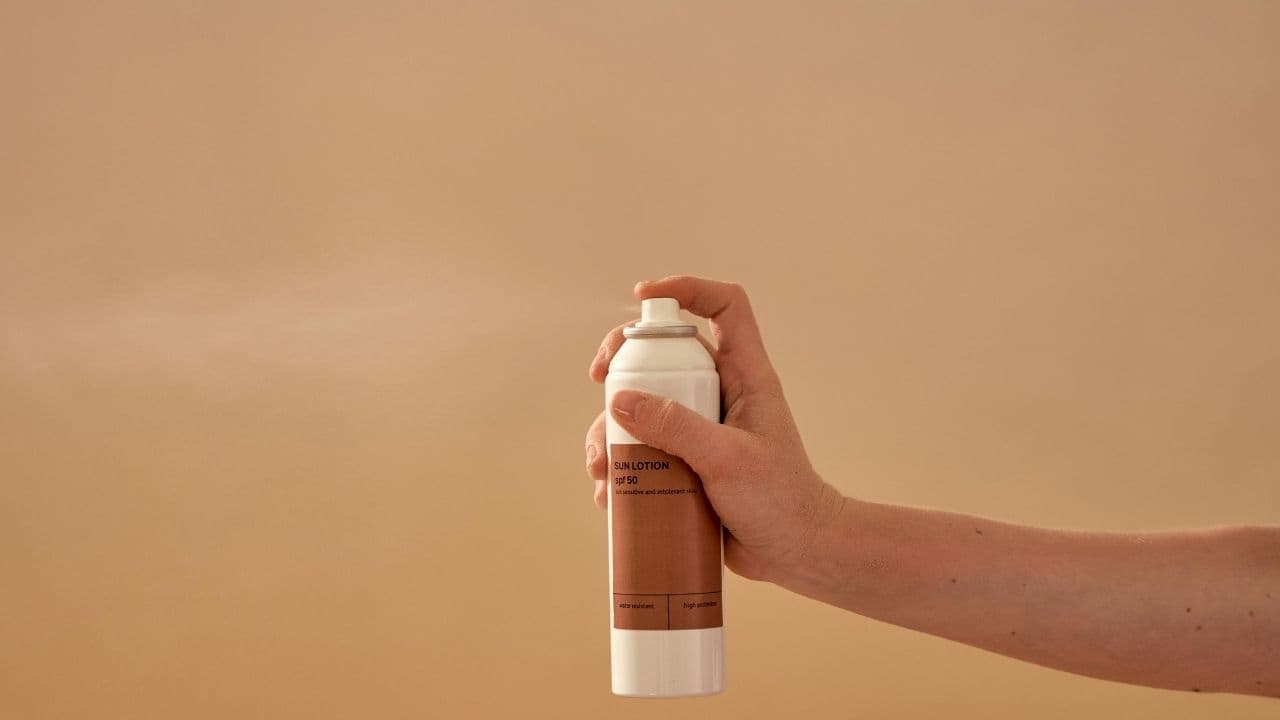
Air fresheners often release volatile organic compounds (VOCs) into your home. These chemicals can include substances like 1,4-dichlorobenzene and acetaldehyde, which may affect your lung function and health.
Using scented air fresheners regularly might increase indoor air pollution. Choosing fragrance-free or natural alternatives can help keep your indoor air cleaner and healthier.
Oven Cleaners with Harsh Chemicals
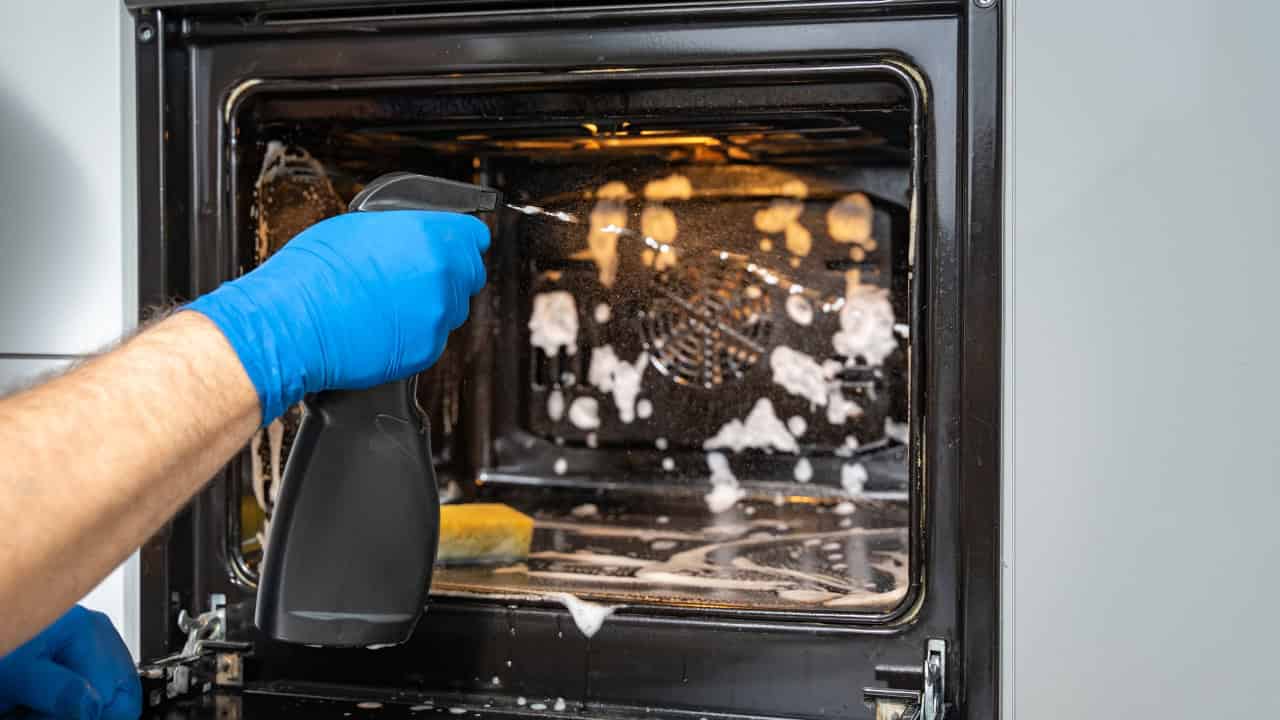
When you use oven cleaners, many contain strong chemicals like lye, which can burn your skin if you aren’t careful. These substances are effective but corrosive.
Some cleaners also have toxic ingredients like dichloromethane, which can be harmful if inhaled. You might want to consider gentler alternatives to protect yourself and your home.
All-Purpose Cleaners Containing Quaternary Ammonium Compounds
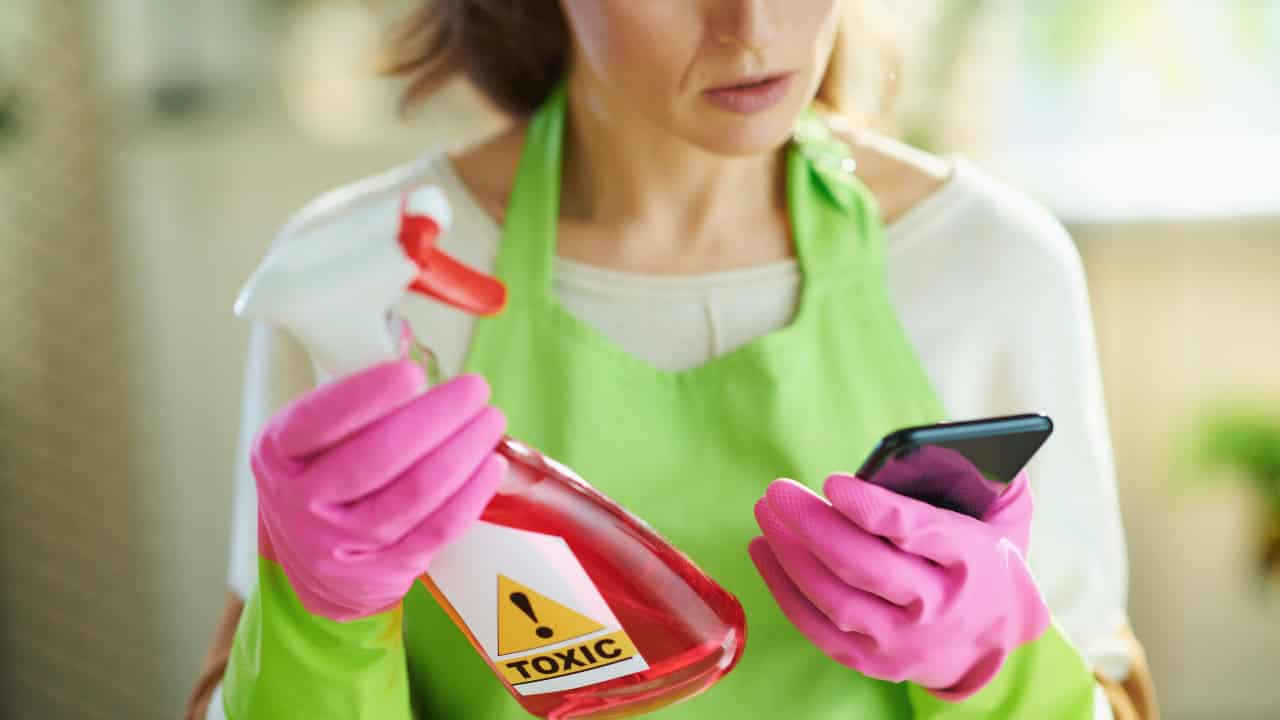
You might find quaternary ammonium compounds, or quats, in many all-purpose cleaners. They are effective at disinfecting but can also cause skin irritation and respiratory issues.
Using products with quats regularly could lead to rashes or worsen breathing problems. It’s a good idea to check your cleaner’s ingredients if you want to avoid these effects.
Laundry Detergent Boosters with Phosphates
You might find phosphate-based boosters in some laundry detergents aiming to improve cleaning power. However, these phosphates can cause damage to water ecosystems when they wash down your drain.
Using products without phosphates can help protect aquatic life and reduce pollution in nearby lakes and rivers. Keep an eye on labels to make better choices for your laundry and the environment.