As the seasons change and the world around us transforms, so too can our gardens. By carefully selecting and planting a variety of flower bulbs, we can create a continuous display of color and beauty throughout the year. Each season brings its own unique selection of blooms, and with the right planning, your garden can be a living canvas that reflects the beauty of nature’s cycles. In this post, we’ll explore 10 of the best flower bulbs to plant for seasonal blooms.
1. Tulips

Tulips are a popular choice for many gardens, and it’s easy to see why. These vibrant flowers come in a wide range of colors and typically bloom in the spring. Plant tulip bulbs in the fall, six to eight weeks before a hard, ground-freezing frost is expected. Make sure to choose a sunny location and plant the bulbs at a depth that is three times the bulb’s height.
Advertisement
Tulips are a versatile flower, suitable for borders or container gardening. They’re also excellent for cut flowers, allowing you to bring a bit of your garden’s beauty indoors. While tulips are perennials, many gardeners treat them as annuals, replanting each year for the best display.
2. Daffodils

Another spring bloomer, daffodils are a cheerful presence in any garden. They’re also quite hardy and can tolerate a bit of spring frost. Plant daffodil bulbs in the fall, in a sunny or partially shaded spot. They should be planted three times deeper than their height and at least a few inches apart.
Daffodils are deer-resistant, making them a great choice for gardens frequented by wildlife. They also naturalize well, meaning they can spread and multiply over time, creating a beautiful swath of sunny yellow in your garden. As a bonus, daffodils are excellent cut flowers, lasting longer than many other blooms.
3. Hyacinths
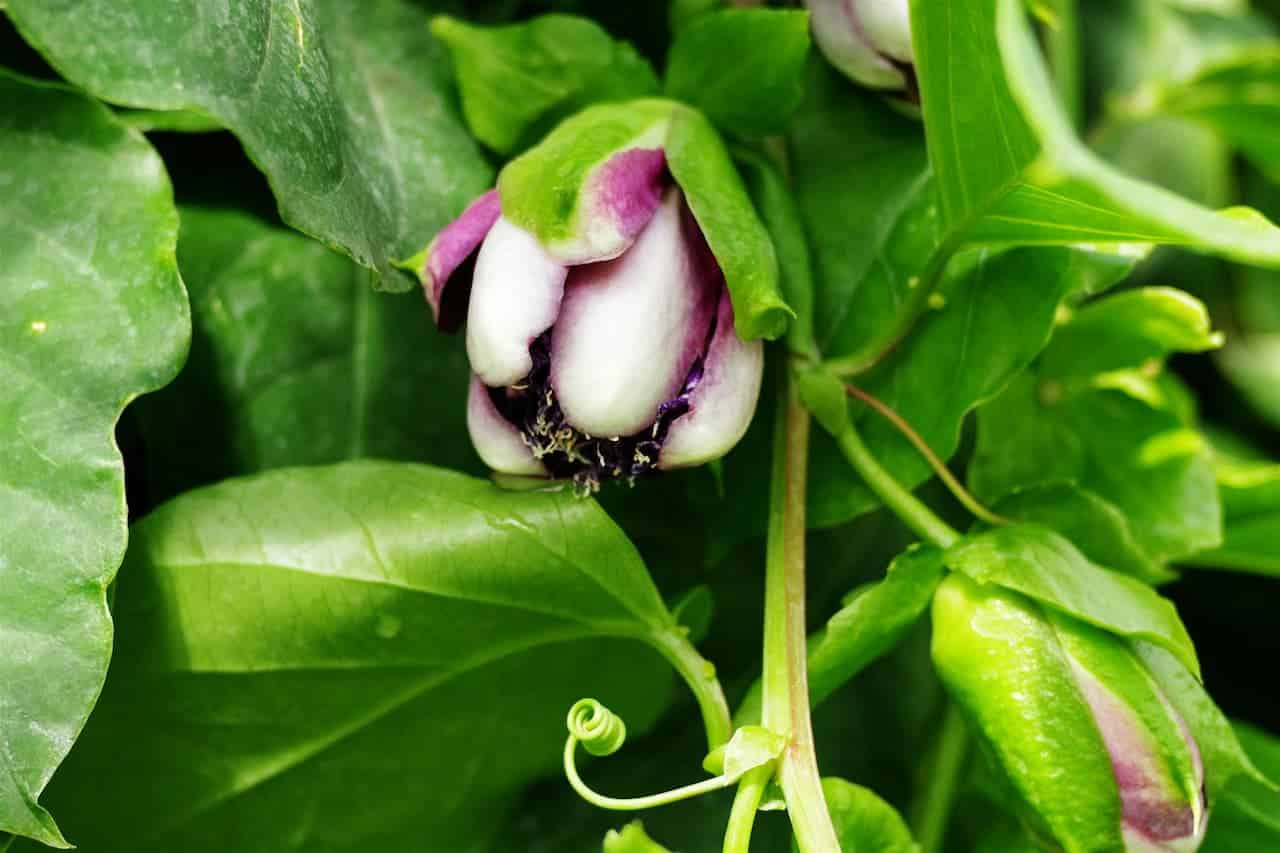
Hyacinths are well-loved for their rich, vibrant colors and intoxicating scent. These spring bloomers should be planted in the fall, in well-draining soil. They prefer full sun, but can tolerate a bit of shade.
In addition to traditional garden planting, hyacinths work well in pots or containers. They’re also a popular choice for ‘forcing’ indoors, allowing you to enjoy their blooms and fragrance during the winter months. Just remember that after forcing, hyacinth bulbs will likely not flower again and should be composted.
4. Crocuses

Crocuses are one of the first signs of spring, often pushing through the snow to bloom. Plant crocus bulbs in the fall, in full sun to partial shade. They prefer well-draining soil and should be planted about 3 inches deep and 2 to 4 inches apart.
Crocuses are perfect for naturalizing, as they multiply and spread over time. They’re also deer-resistant and attract pollinators, making them a great addition to a wildlife-friendly garden.
5. Snowdrops
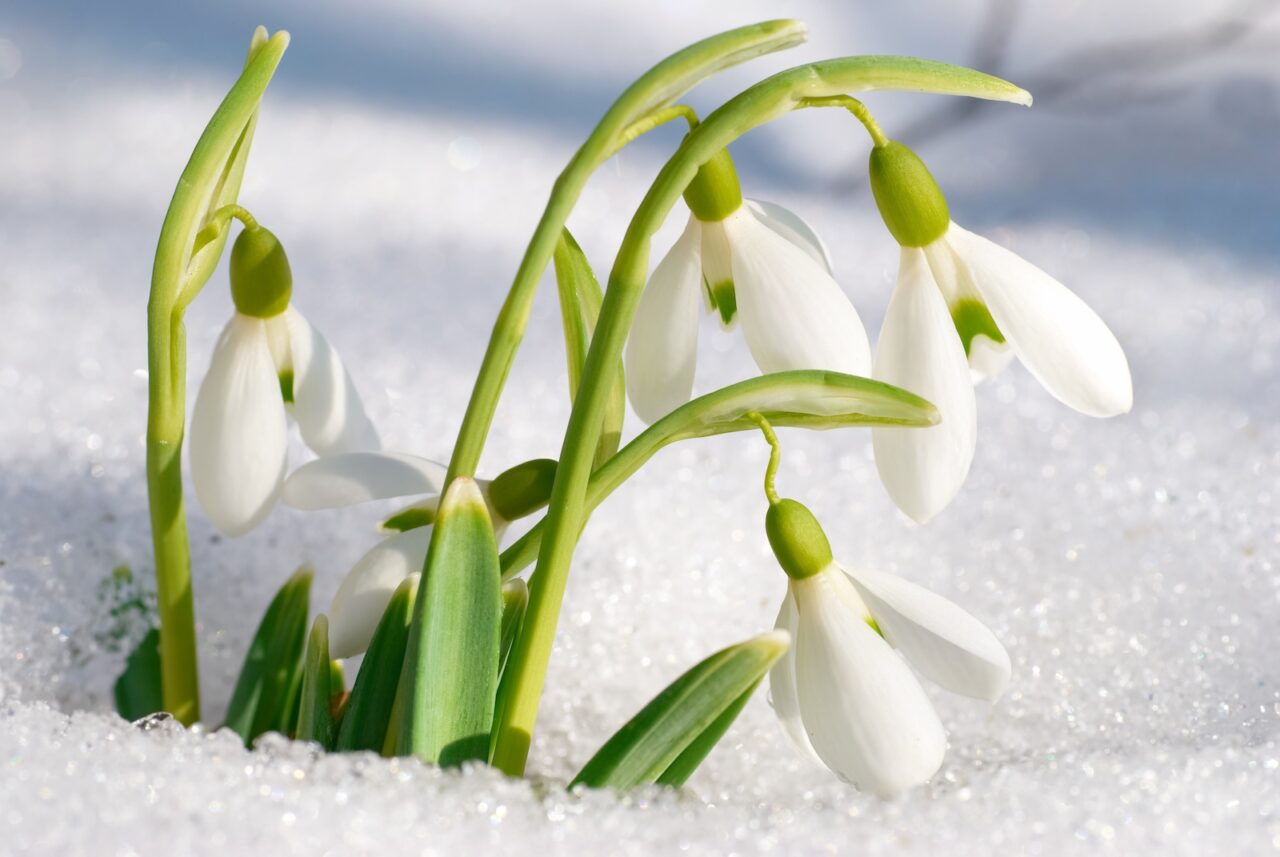
True to their name, snowdrops often bloom while there’s still snow on the ground. These hardy little flowers should be planted in the fall, in partial shade. They prefer moist, well-draining soil.
Snowdrops naturalize well and are perfect for woodland gardens or underplanting shrubs and trees. They’re also deer and rabbit-resistant, making them a good choice for gardens with wildlife visitors.
6. Alliums
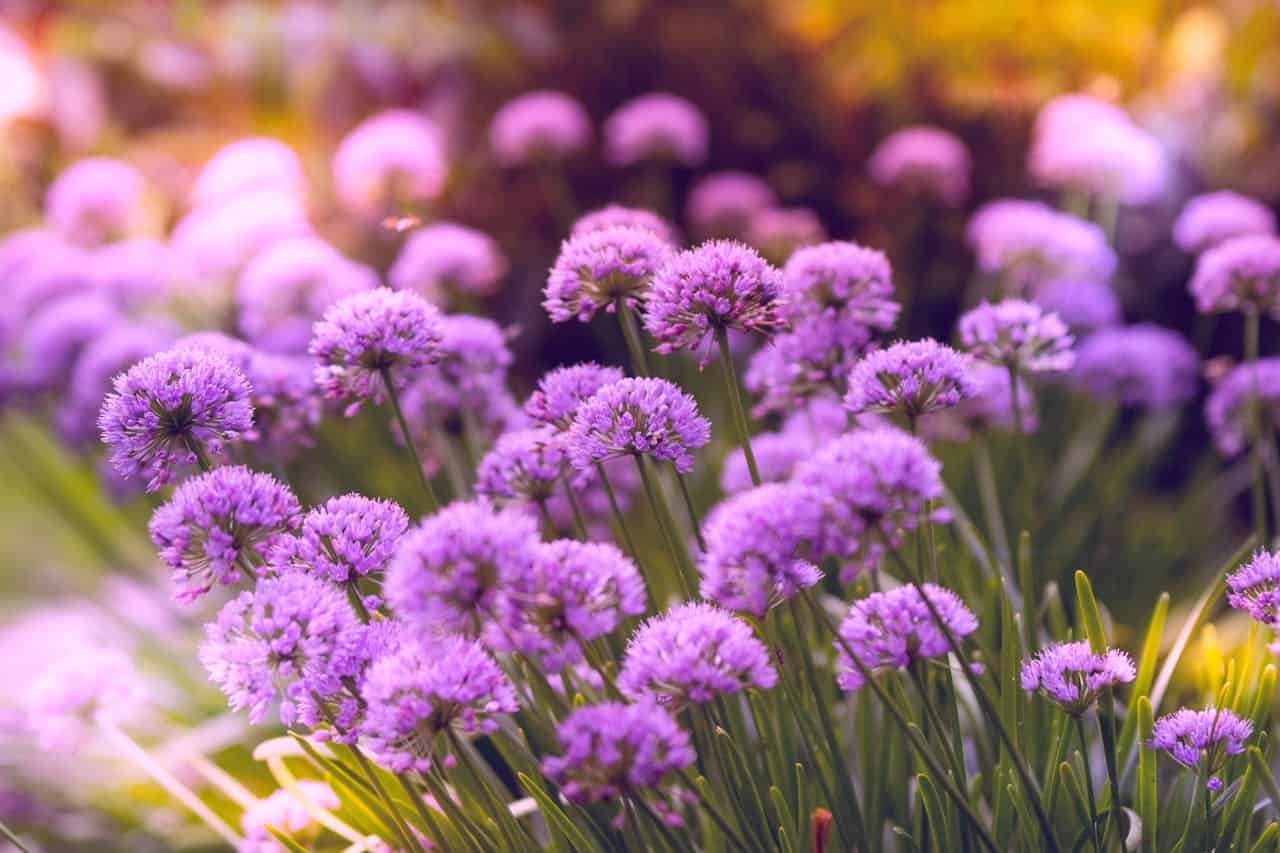
Alliums are a striking addition to any garden, with their tall stems and spherical blooms. They typically bloom in late spring to early summer and should be planted in the fall. Alliums prefer full sun and well-draining soil.
These flowers are perfect for adding height and drama to borders. They’re also deer-resistant and attract pollinators. And, interestingly, alliums are part of the onion family, but thankfully don’t smell like onions!
7. Lilies
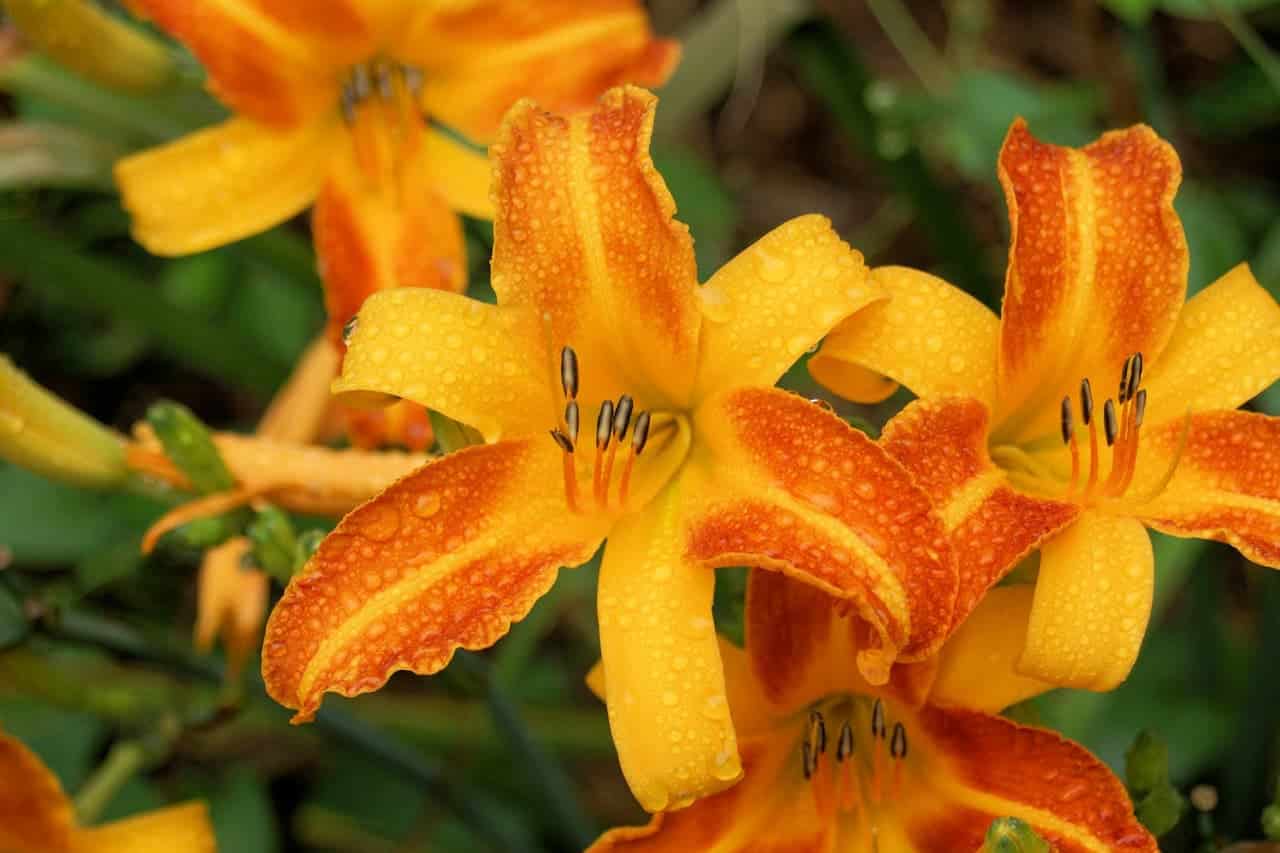
Lilies are a summer bloomer, known for their large, fragrant flowers. Plant lily bulbs in the spring or fall, in full sun to partial shade. They prefer well-draining soil and should be planted about 3 times as deep as their height.
Lilies are excellent for borders or containers and make stunning cut flowers. They come in a wide range of colors and varieties, allowing you to choose the perfect lilies for your garden’s design.
8. Dahlias
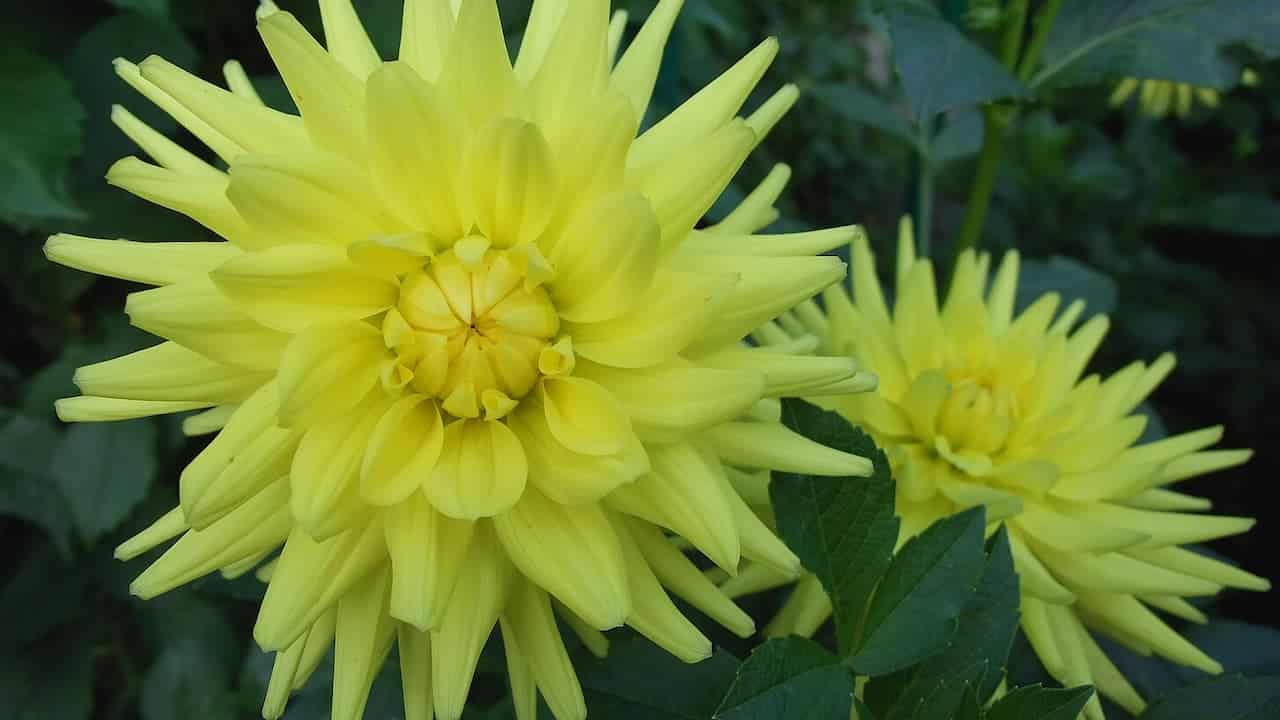
Dahlias are a showstopper in any garden, with their stunning, intricate flowers. These summer bloomers should be planted in the spring after the threat of frost has passed. Dahlias prefer full sun and well-draining soil.
These flowers are perfect for borders and make excellent cut flowers. Dahlias come in a wide variety of sizes, from dwarf varieties perfect for pots, to towering giants that can reach over 6 feet tall.
9. Gladiolus
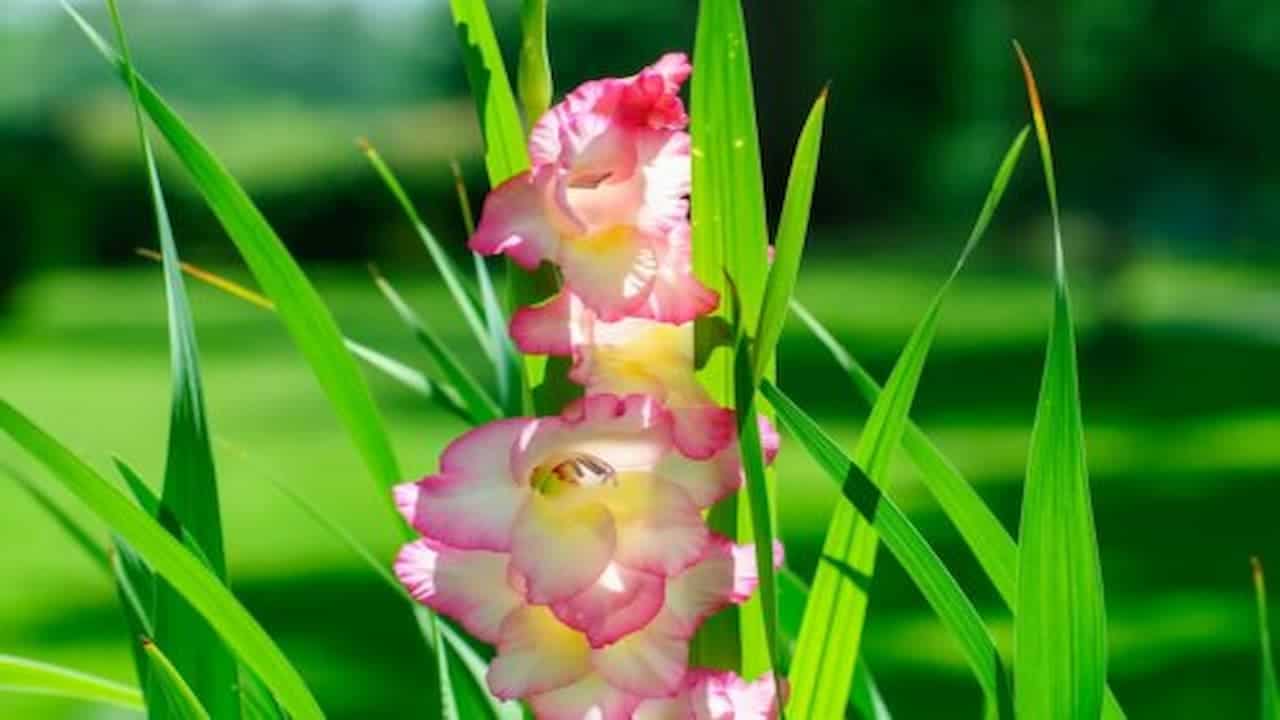
Gladiolus, also known as sword lilies, are a dramatic addition to any summer garden. Plant gladiolus bulbs in the spring, once the threat of frost has passed. They prefer full sun and well-draining soil.
These flowers are excellent for vertical interest in borders and make striking cut flowers. Gladiolus come in a wide range of vibrant colors, allowing you to create a spectacular summer display.
10. Autumn Crocus

Despite their name, autumn crocuses aren’t actually true crocuses. These fall bloomers should be planted in the summer, in full sun to partial shade. They prefer well-draining soil.
Autumn crocuses are perfect for adding a splash of color to your garden in the fall, when most other flowers have finished blooming. They’re also deer and rabbit-resistant, making them a great choice for wildlife-friendly gardens.