Starting a garden can feel overwhelming, but some vegetables make it ridiculously easy. No special skills, no fancy equipment—just plant them, keep them watered, and they’ll handle the rest.
Some crops are more forgiving than others, and picking the right ones can make all the difference. Fast growers like radishes and zucchini give you results quickly, while hardy vegetables like garlic and onions need almost no attention. With the right choices, you’ll spend less time troubleshooting and more time enjoying fresh food straight from your own backyard.
Advertisement
These vegetables are perfect for beginners because they don’t need constant care or perfect conditions. Plant them once, and they’ll practically take care of themselves.
Garlic
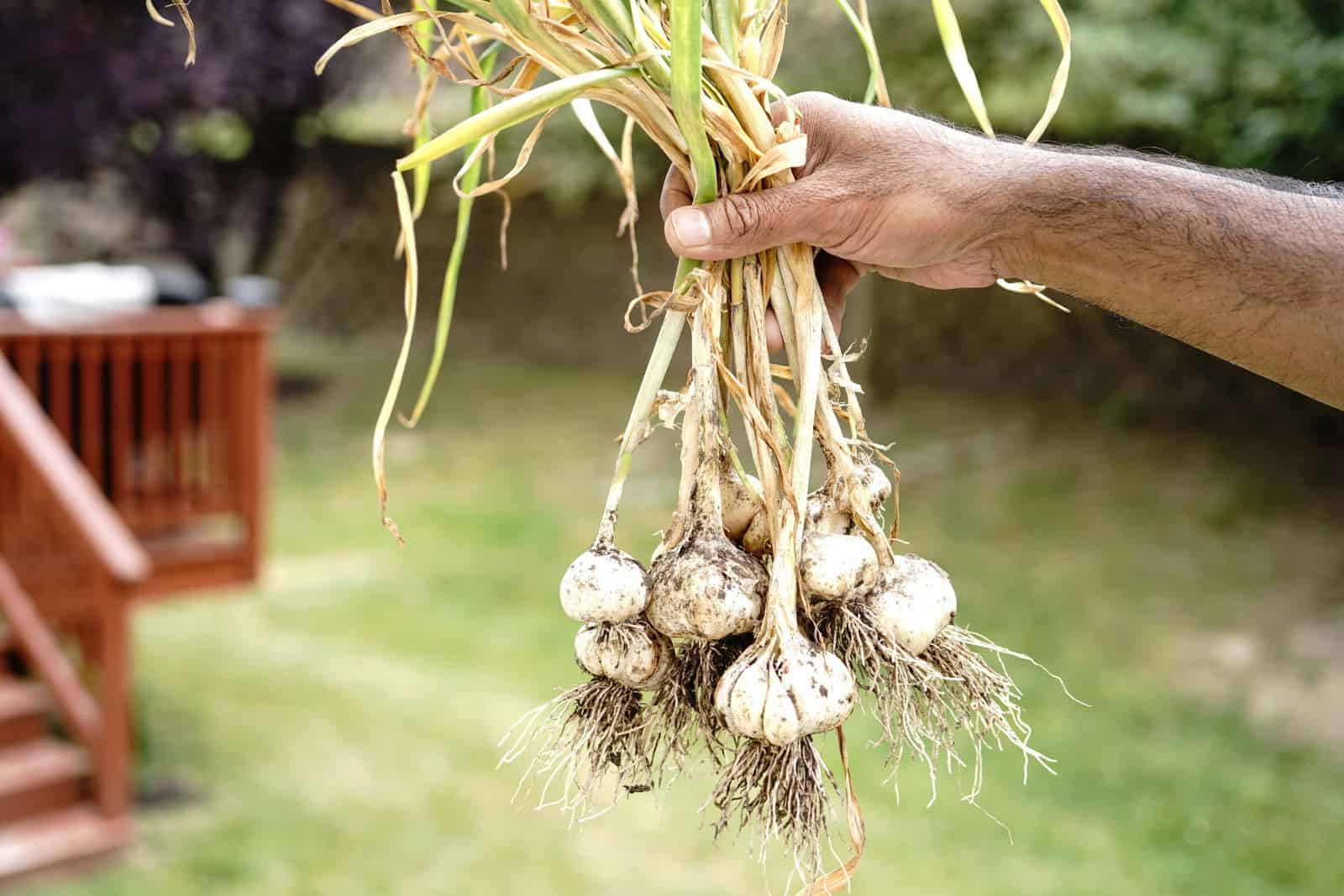
Garlic is one of the easiest crops to grow because once you plant it, there’s not much to do. Stick individual cloves in the soil in the fall, give them a little water now and then, and let them do their thing over the winter. By early summer, you’ll have fresh bulbs ready to harvest.
Garlic likes well-drained soil and full sun. Keep weeds under control so the bulbs don’t have to compete for nutrients. When the leaves start turning yellow, it’s time to dig them up. Cure them for a couple of weeks, and they’ll store for months.
Onions
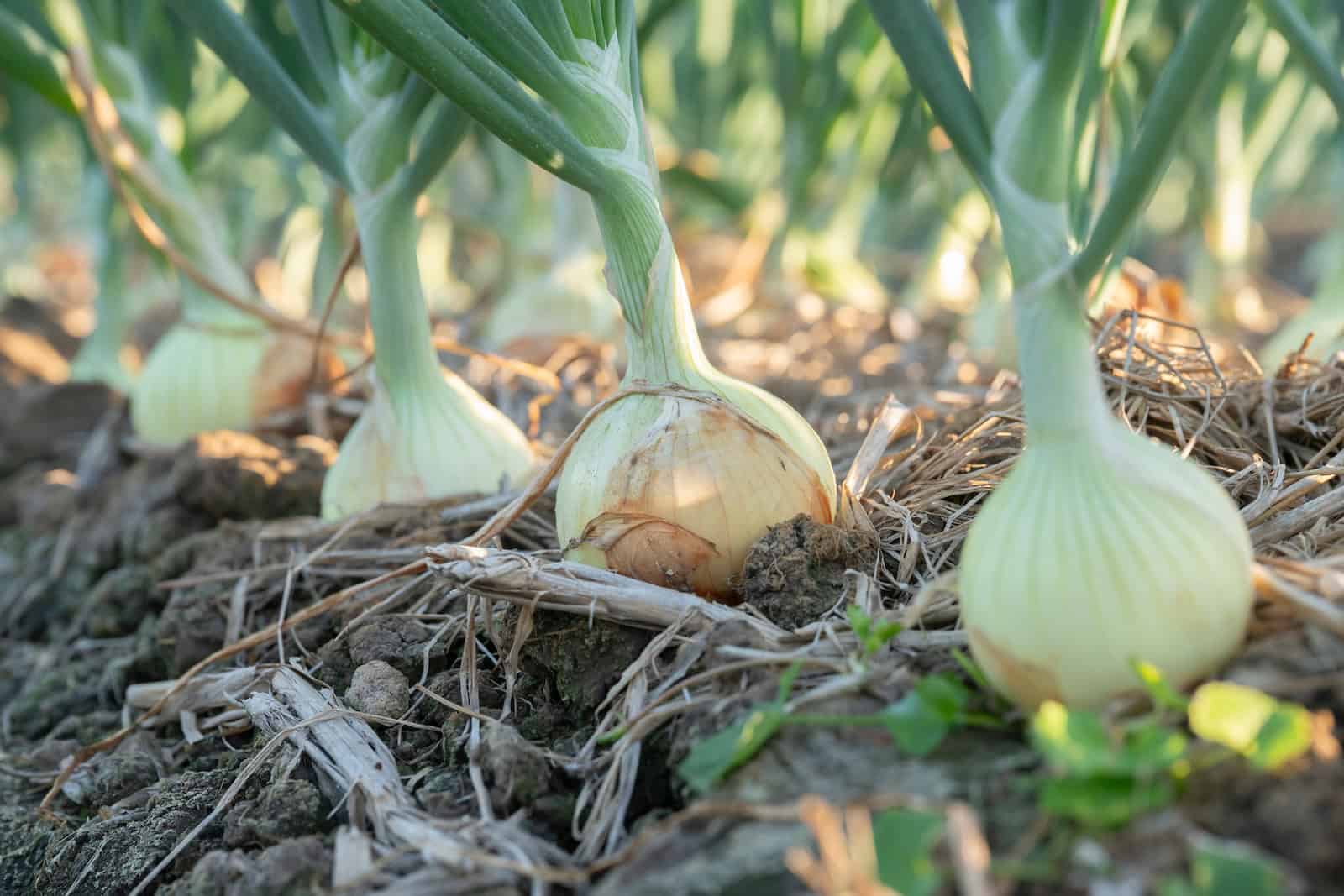
Onions don’t need much attention, making them perfect for beginners. Whether you start with seeds, sets, or small transplants, they’ll grow as long as they have loose soil and plenty of sun. Once they’re in the ground, just keep them weed-free and watered during dry spells.
The hardest part is waiting. Onions take a while to mature, but you can harvest the greens early for fresh flavor while the bulbs keep growing. When the tops start falling over, they’re ready to pull. Let them cure, and you’ll have homegrown onions that last for months.
Potatoes
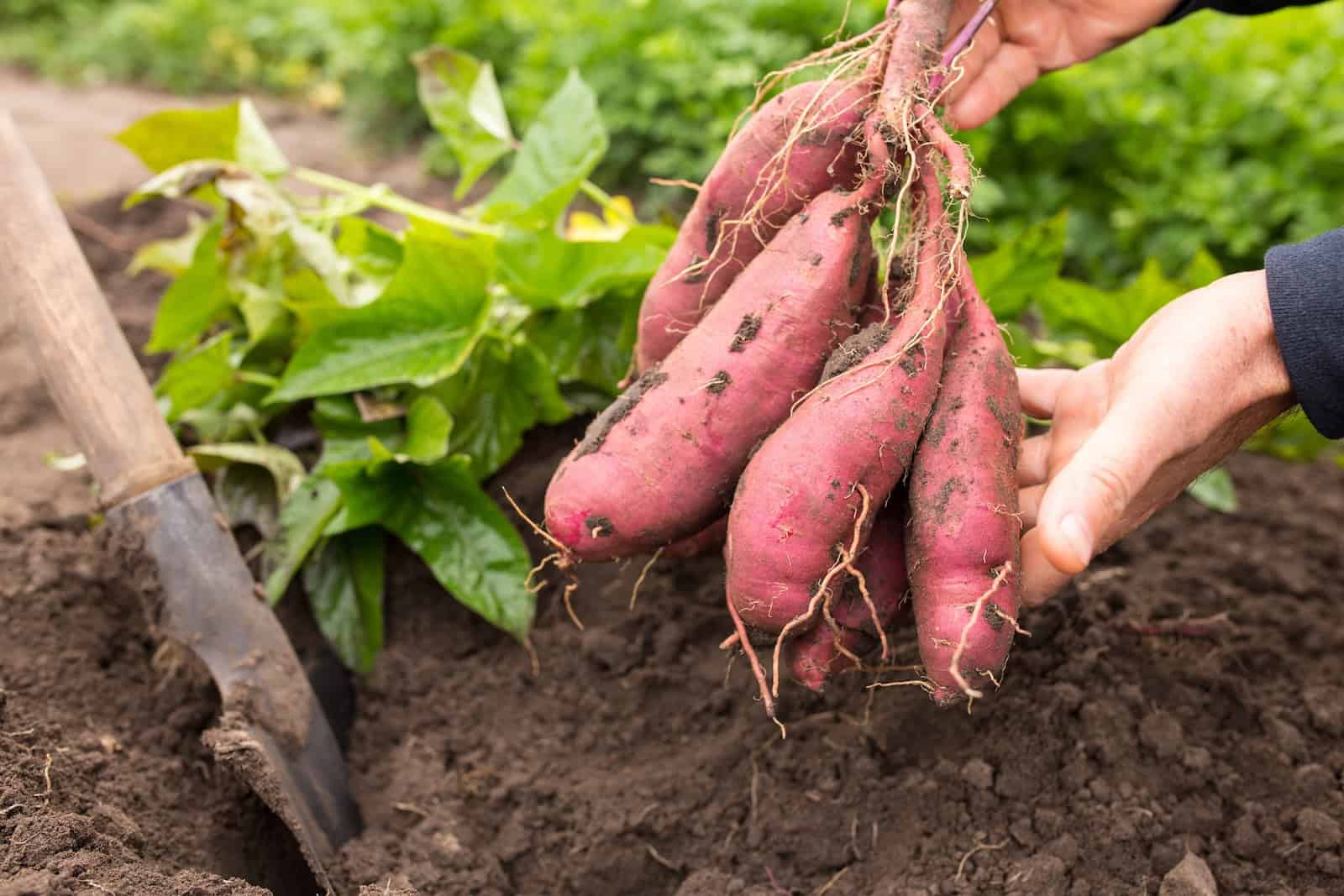
Potatoes are a great choice if you want a low-effort crop that gives you a big harvest. Plant seed potatoes in loose, well-drained soil, and cover them with a little dirt. As they grow, keep mounding soil over the stems to encourage more potatoes to form underground.
They don’t need much—just regular watering and protection from pests. When the plants start dying back, it’s time to dig them up. There’s something pretty satisfying about pulling fresh potatoes from the dirt, and since they store well, you’ll have plenty to eat long after harvest.
Cucumbers
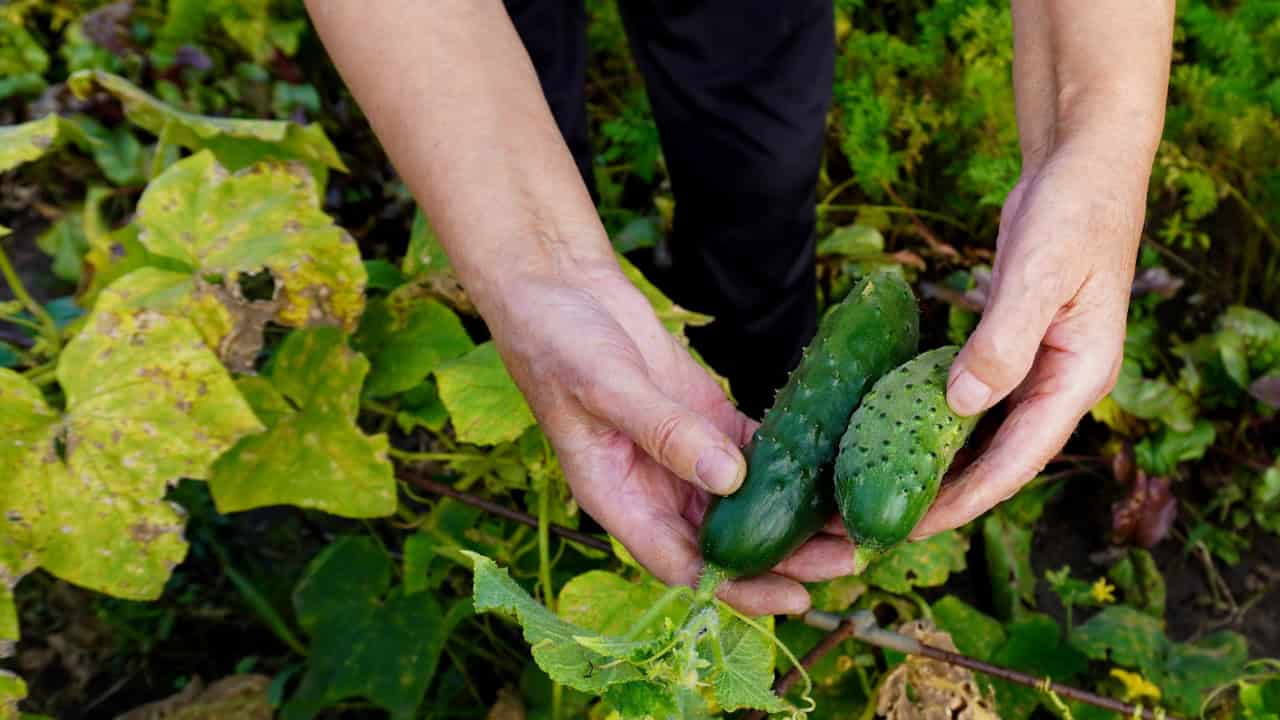
Cucumbers grow fast and keep producing as long as you pick them. They love full sun, warm weather, and soil that drains well. If you’re short on space, grow them vertically on a trellis—it keeps the vines off the ground and makes harvesting easier.
Once they get going, you’ll have more cucumbers than you know what to do with. Pick them while they’re small and tender, and don’t let them sit on the vine too long, or they’ll turn seedy and bitter. With a little water and sun, cucumbers will keep cranking out fresh produce all summer.
Beets

Beets don’t need much to thrive, making them a great choice for beginners. They grow well in loose, well-drained soil and can handle cooler temperatures, so they’re perfect for early spring or fall planting. Once the seeds are in the ground, just keep them watered, and they’ll take care of themselves.
One of the best things about beets is that you can eat both the roots and the greens. Harvest the leaves as they grow without pulling the whole plant, and dig up the beets when they’re about golf-ball-sized for the best flavor. If they get too big, they’ll turn woody, so don’t wait too long.
Peas
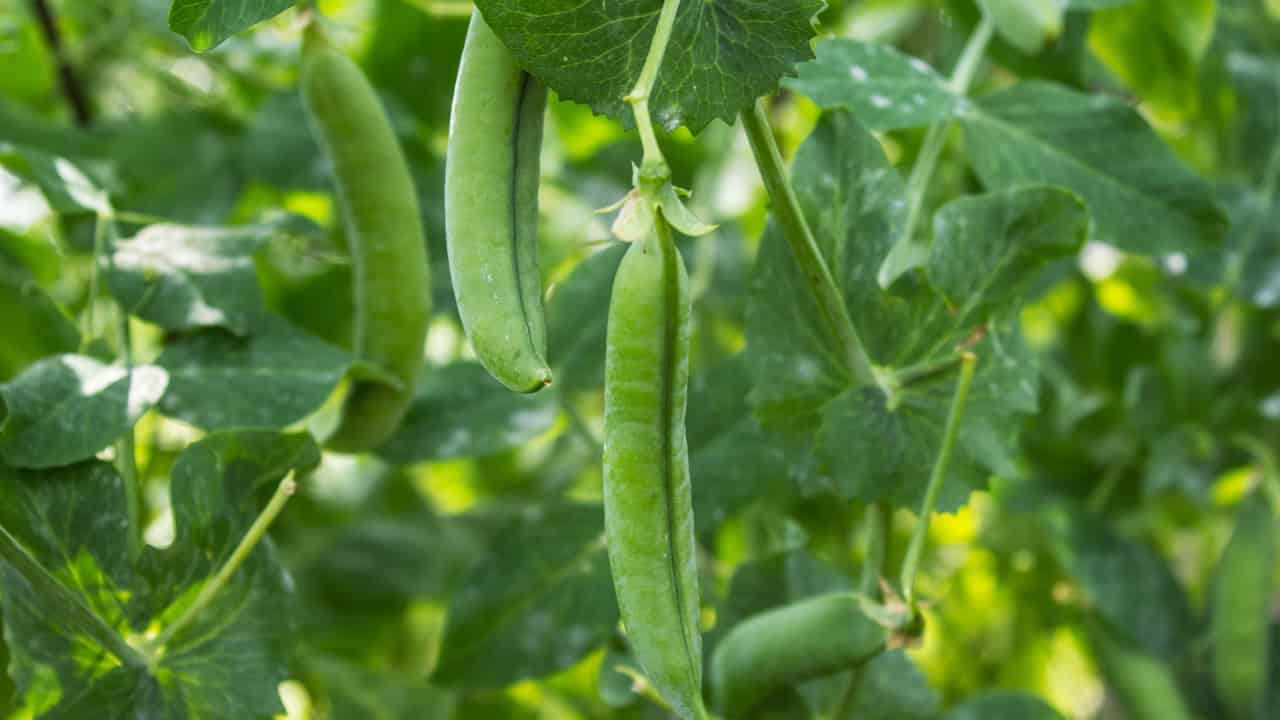
Peas are one of the easiest vegetables to grow, and they don’t take up much space. They do best in cooler weather, so plant them in early spring or late summer. Keep the soil moist, and once they start climbing, they’ll produce plenty of sweet, crunchy pods.
Trellising makes peas even easier to grow. Giving them something to climb on keeps the vines off the ground, making harvesting simpler and reducing the risk of disease. Pick peas often to encourage more production, and if you end up with extras, they freeze well for later.
Radishes

Radishes are one of the easiest vegetables to grow, and they’re perfect if you don’t want to wait months to see results. In just about four weeks, you’ll have crisp, homegrown radishes ready to pull. They don’t need much—just loose soil and regular watering to keep them from turning bitter.
Plant them directly in the ground or in a deep container, and space them out so they don’t overcrowd. Since they grow so quickly, you can plant new seeds every couple of weeks for a steady supply. They’re low-maintenance, beginner-friendly, and a great way to get started.
Lettuce

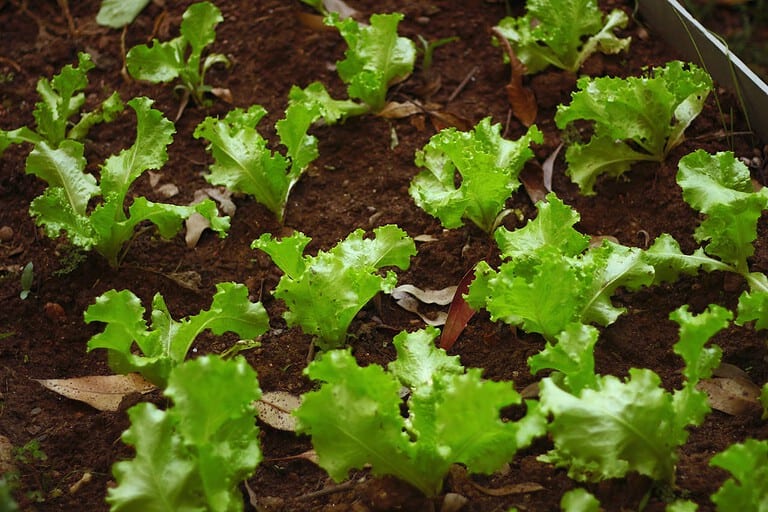
Lettuce is as low-effort as it gets. Sow the seeds in well-drained soil, keep them moist, and you’ll have fresh greens in just a few weeks. Since lettuce prefers cooler weather, it does best in early spring or fall, but you can keep it going longer by giving it some afternoon shade.
The best part? You don’t have to harvest the whole head at once. Snip the outer leaves, and the plant will keep growing for multiple harvests. For a continuous supply, plant new seeds every couple of weeks so you never run out.
Green Beans
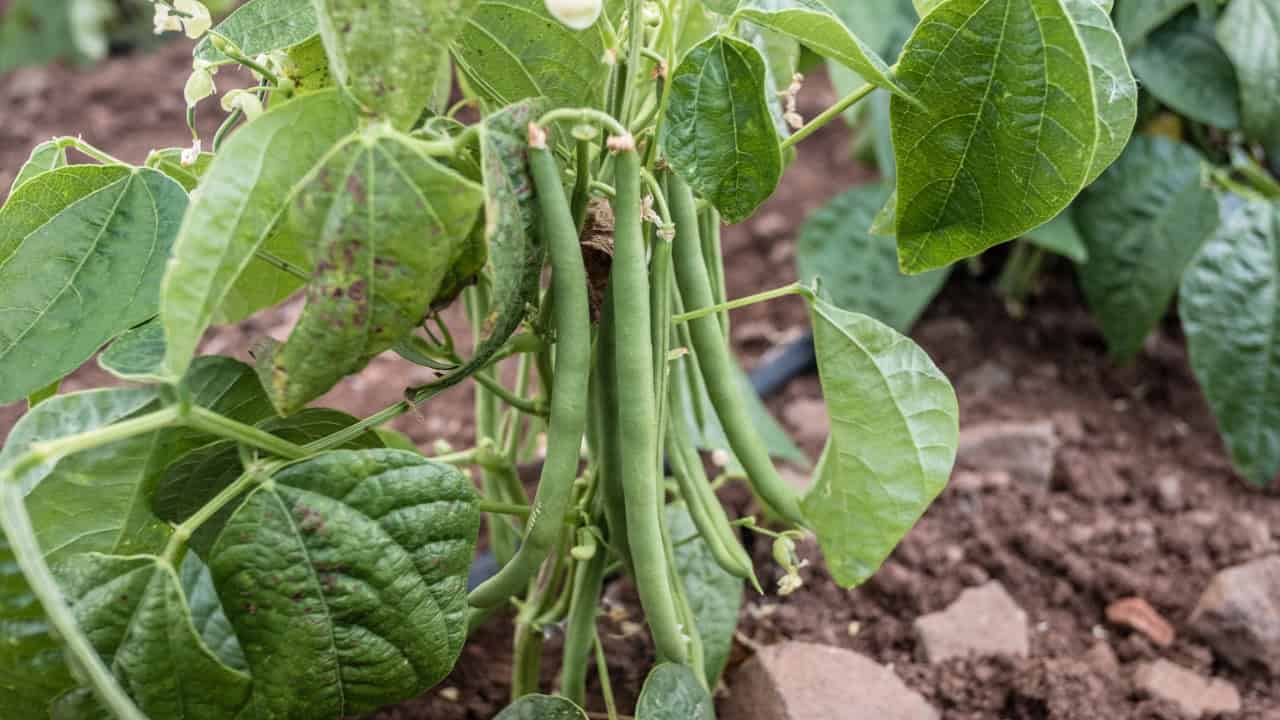
Once green beans get going, they don’t slow down. Whether you plant bush or pole varieties, they only need well-drained soil, plenty of sun, and enough space for airflow. Bush beans stay compact, while pole beans climb, making them a great choice for small gardens with a trellis.
Green beans are one of those crops that practically take care of themselves. Keep them watered, pick them often, and they’ll keep producing for weeks. Just be ready—once they start coming in, you’ll have more than enough to eat, freeze, or share.
Zucchini
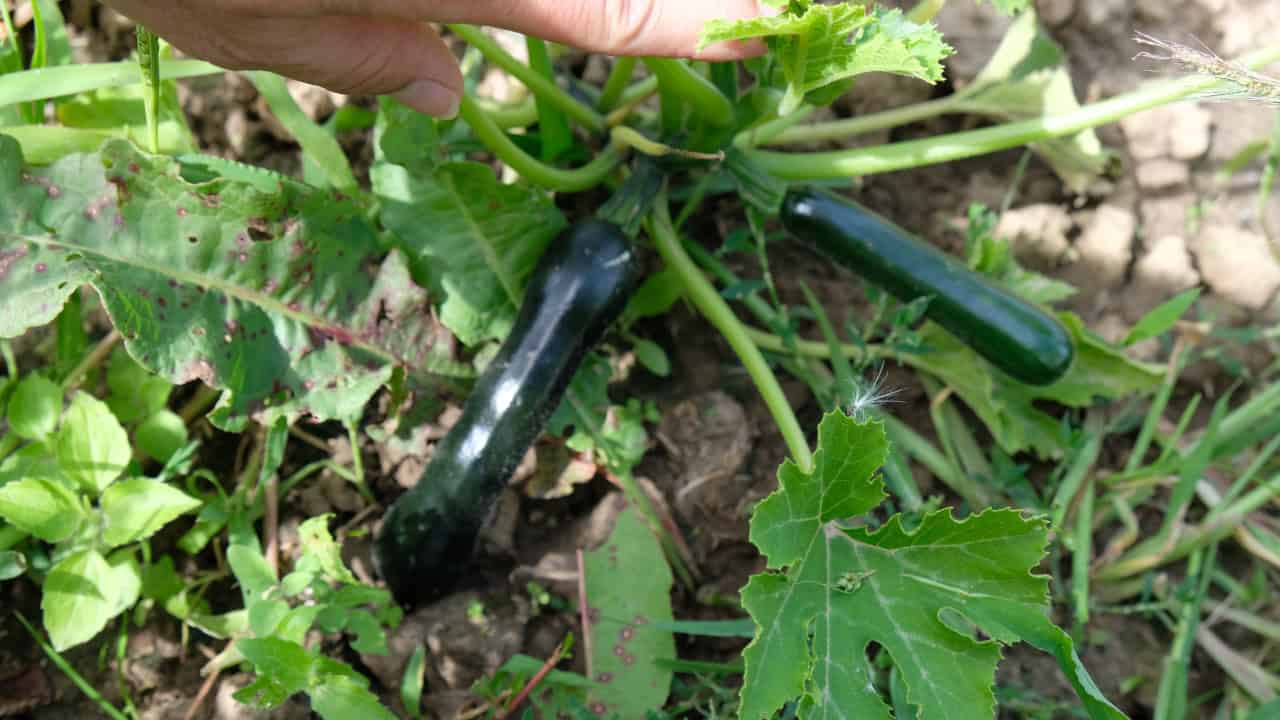
Zucchini is the vegetable that just won’t quit. Once it starts growing, it produces so much you might find yourself giving it away. It loves full sun and moist, well-drained soil, and as long as you keep up with watering, you’ll have more zucchini than you know what to do with.
Give zucchini plenty of space because the vines spread fast. Harvest them when they’re small for the best flavor, and check daily—one day, they’re tiny, and the next, they’re the size of a baseball bat. If you want an easy, high-yield vegetable, zucchini is hard to beat.