Bathroom upgrades can be tempting when you want to freshen up your space or add value to your home. However, not every improvement will give you the return you expect. Some projects might end up costing more than they’re worth or fail to impress potential buyers later on.
Knowing which bathroom upgrades are smart investments and which are not can save you both time and money. Following this advice help you avoid common pitfalls by highlighting upgrades that look good in theory but often don’t pay off in practice.
Advertisement
Freestanding Bathtubs
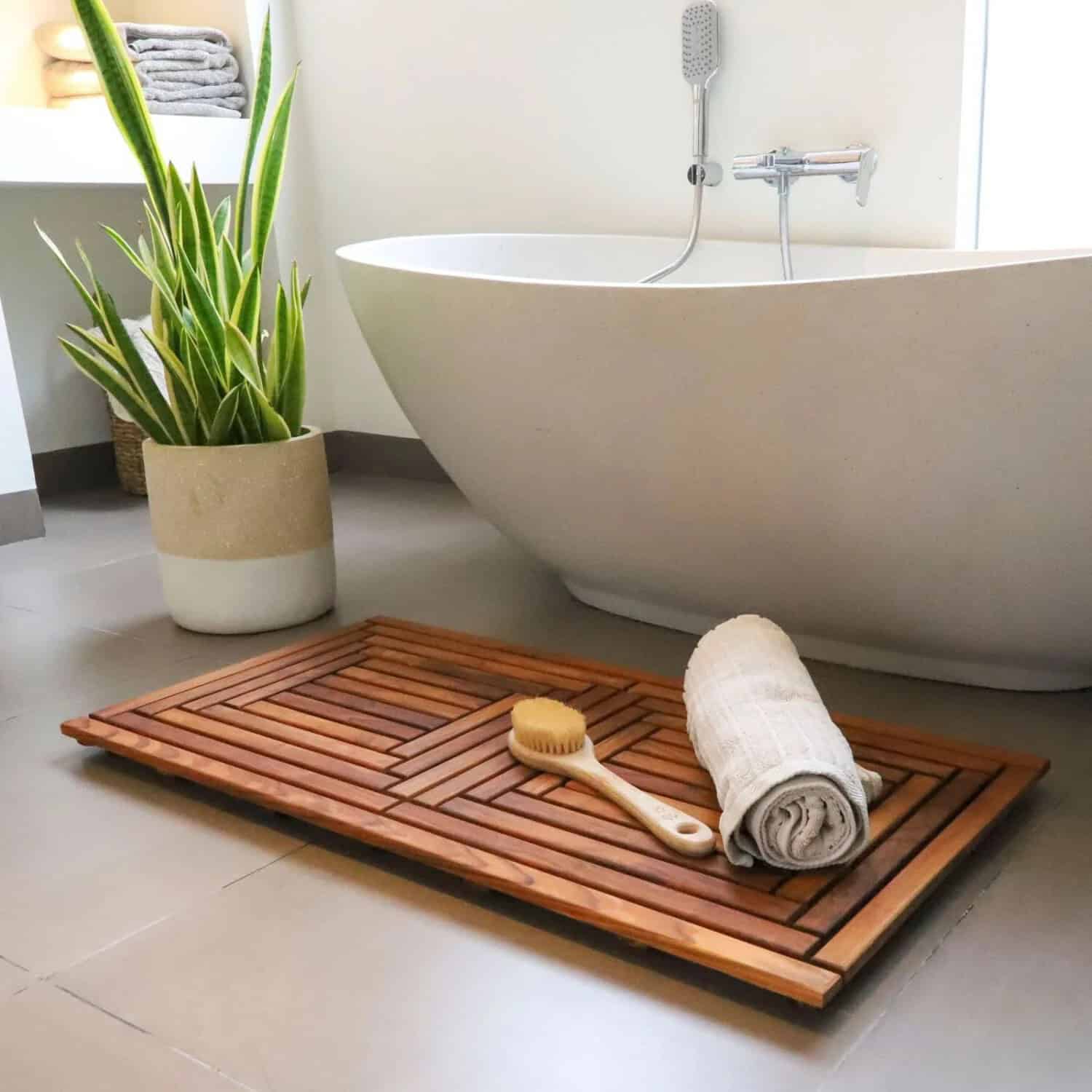
Freestanding bathtubs look stylish but can be tricky to clean around. You might find that they take up more space than you expected.
They often don’t add much value to your home compared to built-in tubs. If ease of maintenance and space are important to you, this upgrade might not be worth it.
Steam Room Add-Ons
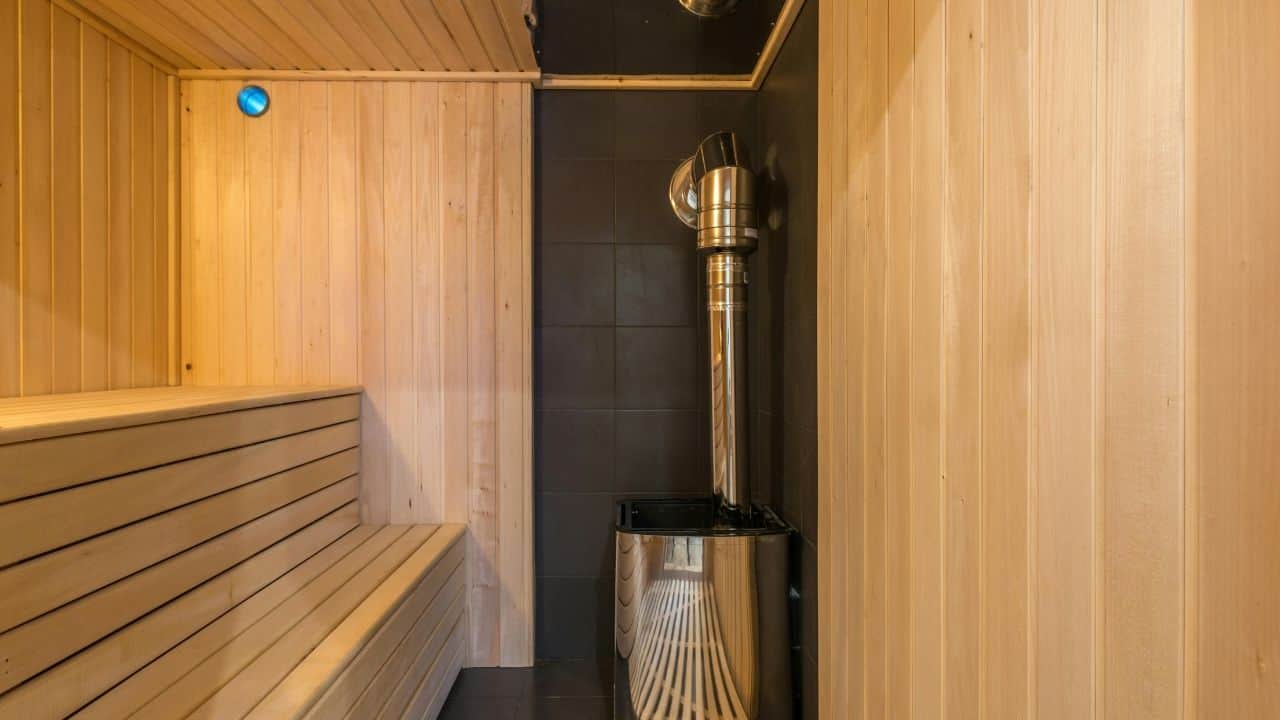
Adding a steam room to your bathroom might feel luxurious, but it often comes with high installation and maintenance costs.
You may find that the energy use and upkeep outweigh the daily benefits.
If you love steam therapy, think about using a portable steam unit instead. This saves money and keeps your bathroom simpler.
Heated Towel Racks
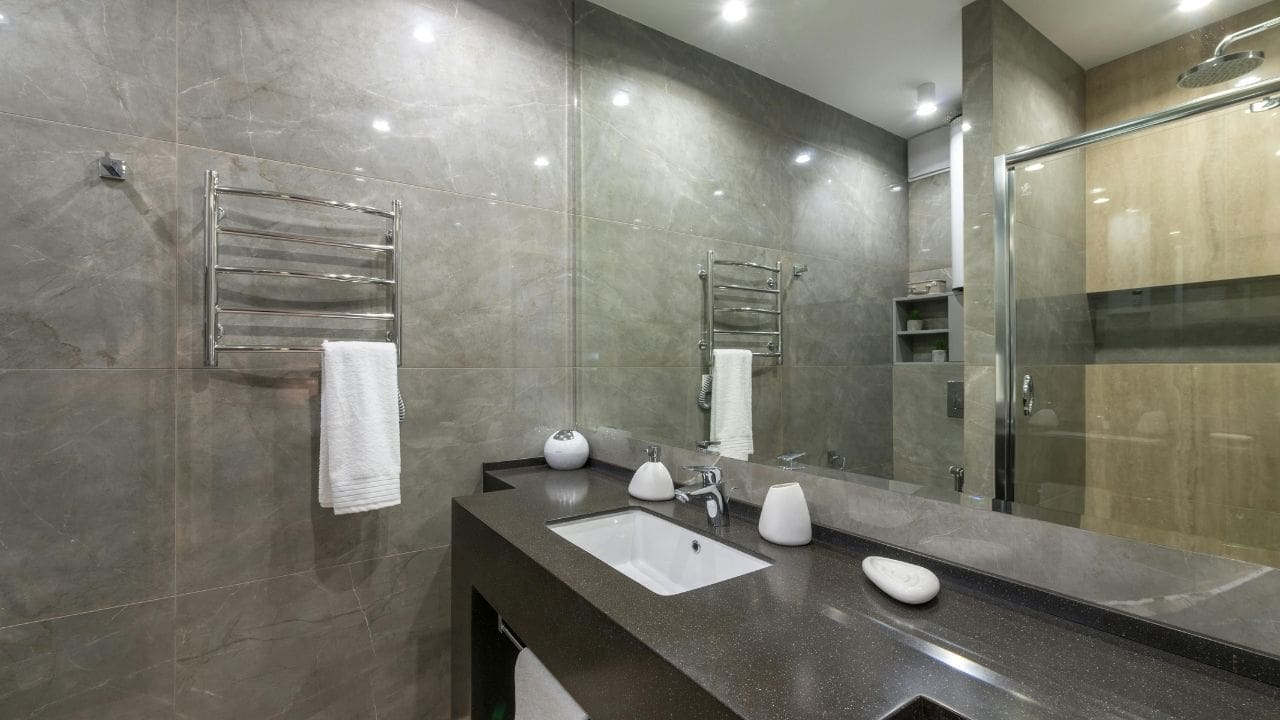
Heated towel racks can feel like a luxury addition to your bathroom. They warm your towels before use, which might sound appealing.
However, they often use electricity constantly, increasing your energy bills without providing significant comfort.
Unless you live somewhere very cold or use them daily, the benefit may not justify the cost. Consider if you truly need the extra heat before upgrading.
Smart Mirrors
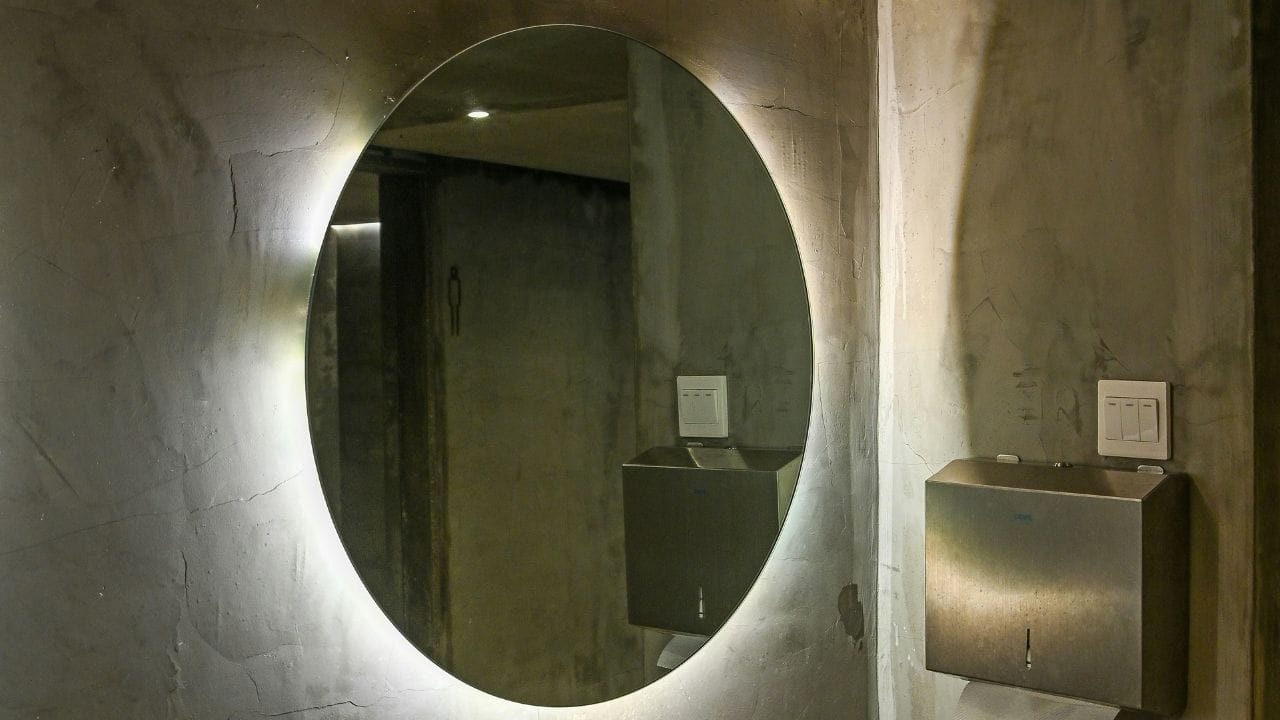
Smart mirrors offer features like weather updates, news, and voice control. They can feel futuristic and add tech appeal to your bathroom.
However, they often come with a high price and complex installation. Many users find regular mirrors with good lighting just as effective.
If you want smart tech, consider if you’ll use these features enough to justify the cost. Sometimes simpler upgrades give better value.
Toothpaste Dispensers
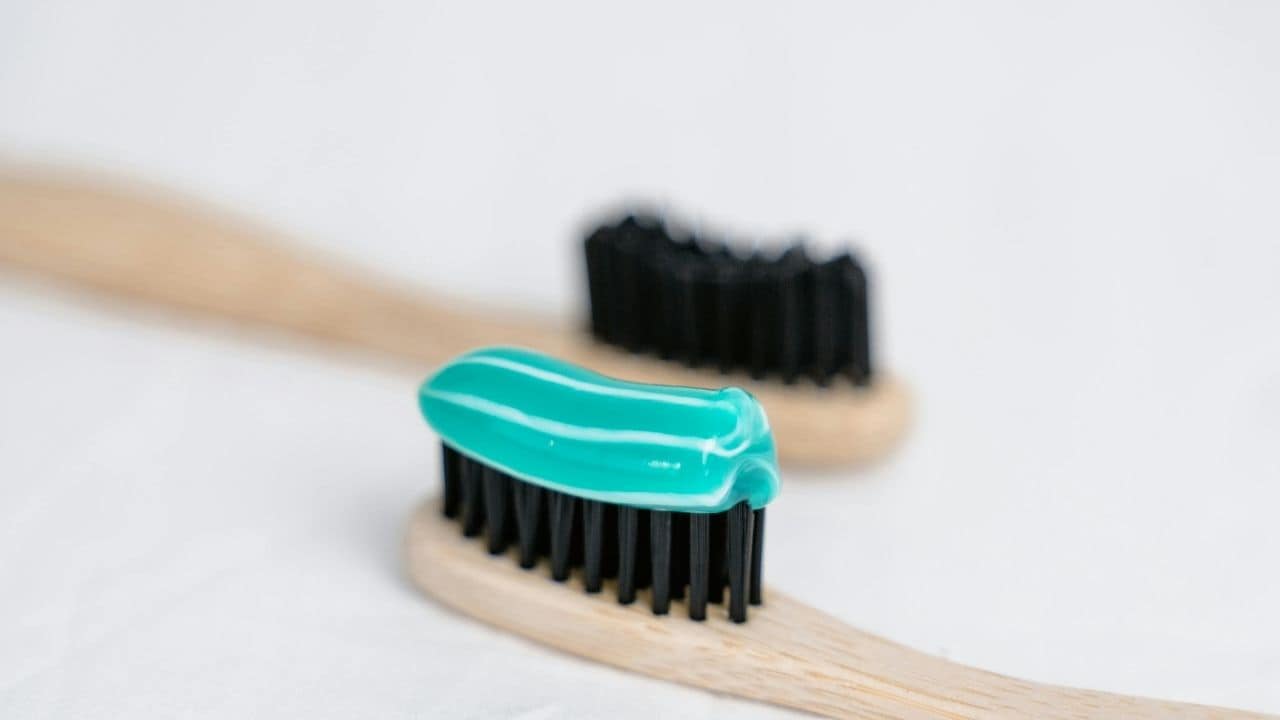
You might think a toothpaste dispenser saves time and mess, but often it’s more hassle than help. These gadgets can jam or leak, making your daily routine slower.
Plus, they take up space and can be tricky to clean. For most, simply squeezing the tube by hand works just fine.
Luxury Shower Replacements for Bathtubs
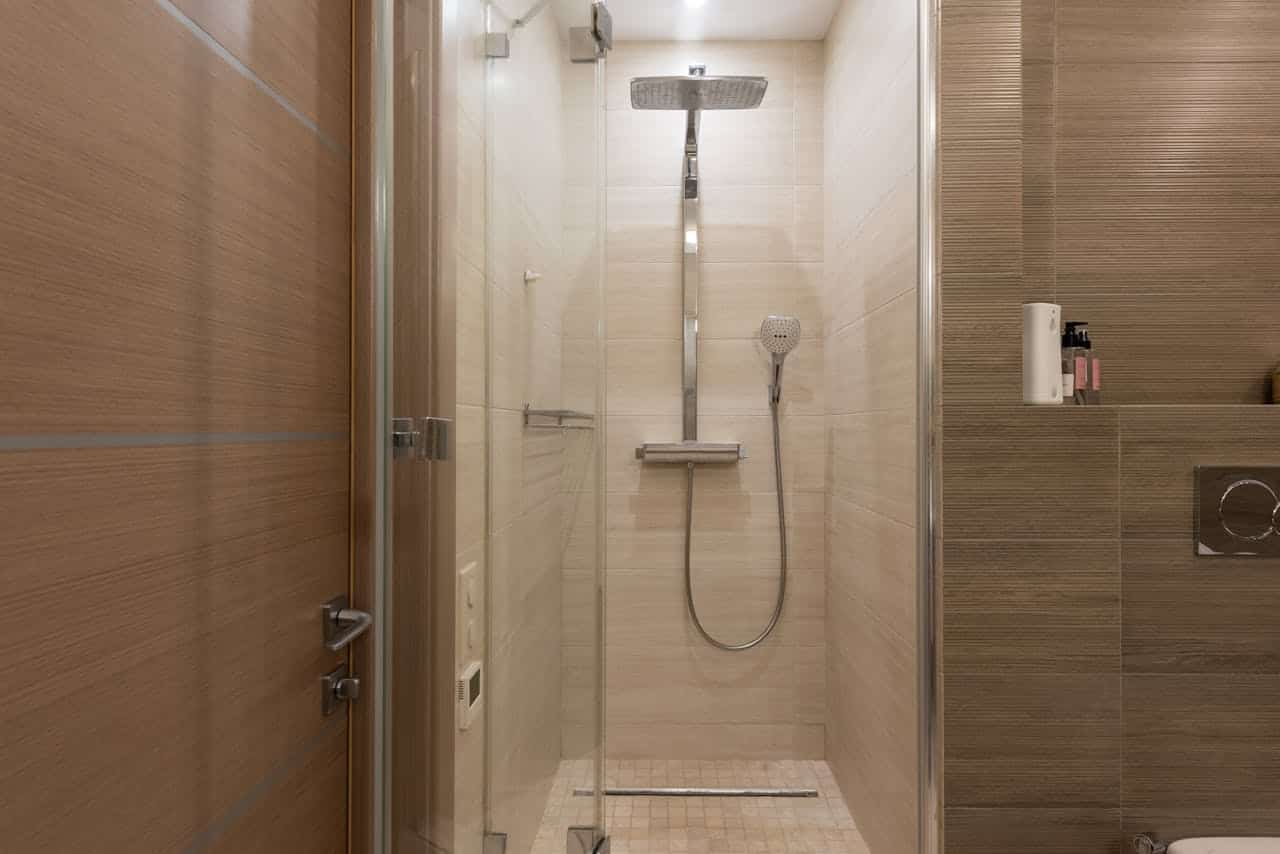
Replacing your bathtub with a luxury shower might seem like a great upgrade. However, these showers often come with a high price tag that doesn’t always add value to your home.
You might end up spending more on plumbing and custom features than you gain in comfort. Consider whether you really use the bathtub before making the switch.
DIY Tiling Jobs
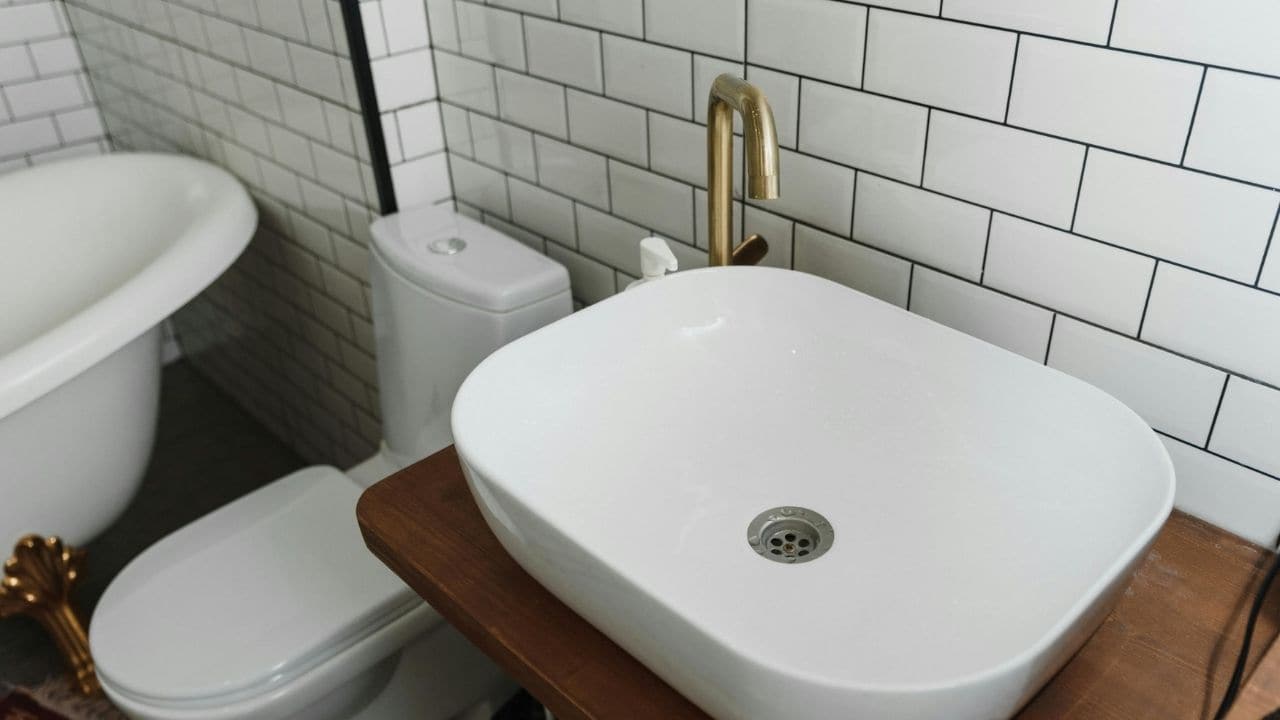
Taking on tiling yourself can seem like a smart way to save money. But without experience, mistakes happen easily. Misaligned tiles or uneven grout lines can cost more to fix than hiring a pro upfront.
Also, tiling requires precise tools and time. If your job takes longer than expected, your project might end up more expensive. Consider your skill level before jumping in.
Over-the-Top Kitchen-Style Bathroom Fixtures
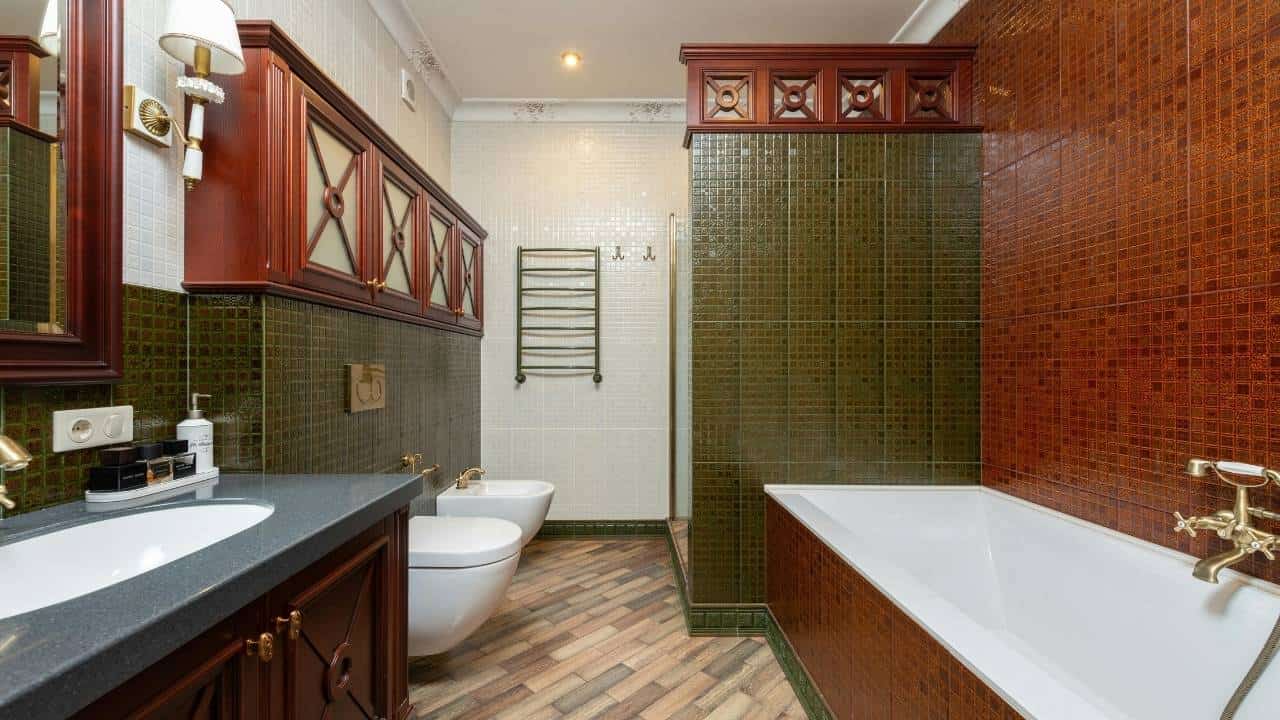
You might be tempted to install kitchen-style faucets and sinks in your bathroom for a high-end look. However, these fixtures often don’t fit the bathroom’s function or scale.
They can be pricey without adding real value to your space. Instead, choose bathroom-specific fixtures that offer better usability and comfort for your daily routine.
Tankless Water Heater Installations in Bathrooms
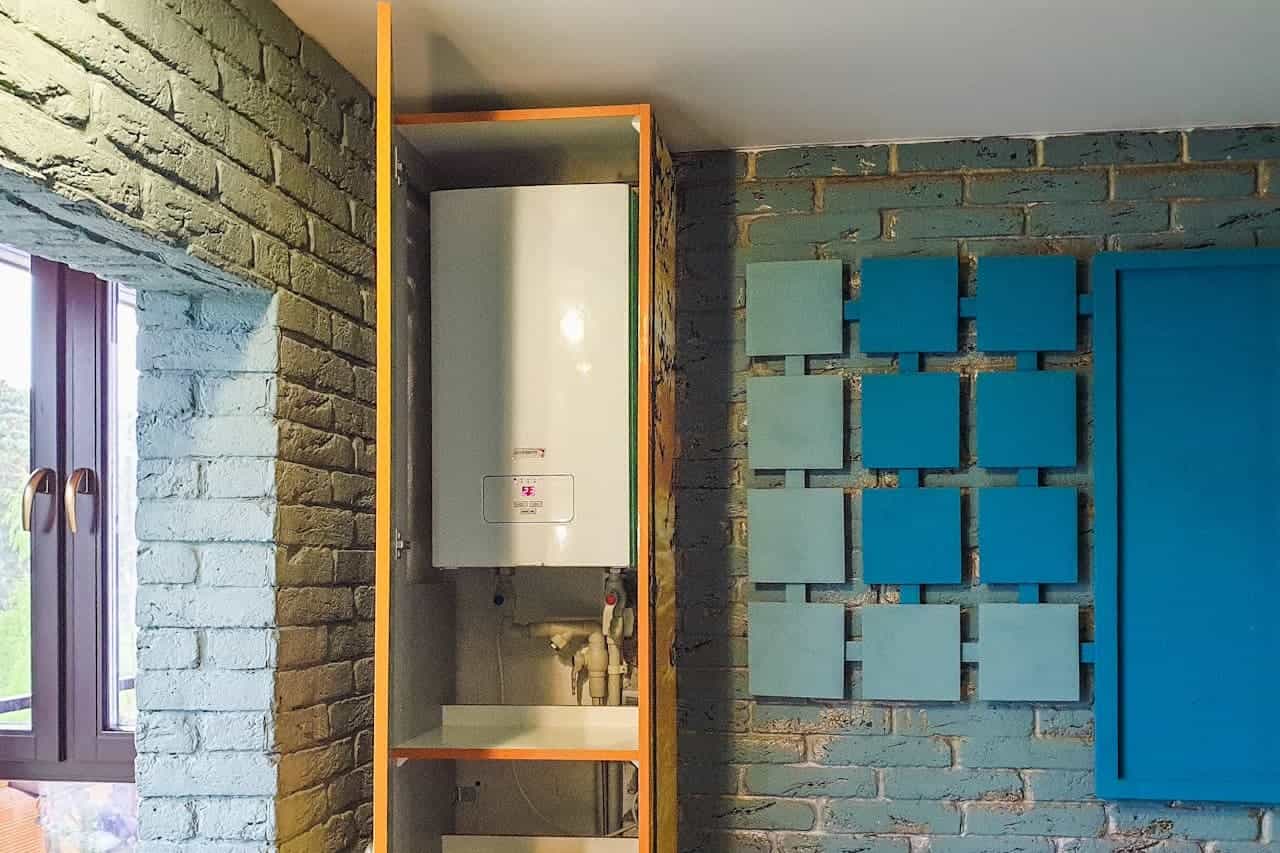
You might think a tankless water heater is a smart way to save space in your bathroom. While it’s true they take up less room, the savings on energy costs often don’t make up for the higher installation price.
These systems can be more complicated to install, which means you could face unexpected expenses. You might want to weigh the convenience against the actual financial benefits.
Wall-to-Wall Bathroom Carpeting
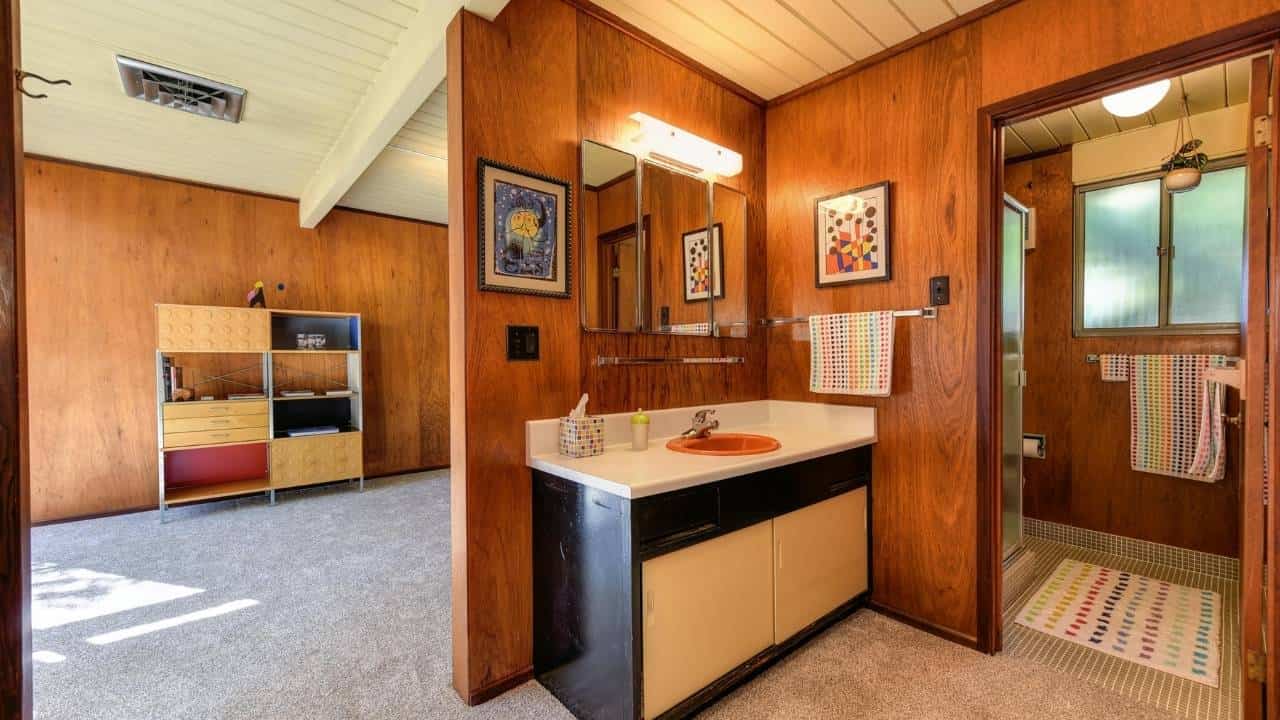
You might think wall-to-wall carpeting makes your bathroom cozy, but it often does more harm than good. Carpets can trap moisture, leading to mold and mildew problems.
Cleaning and maintaining carpet in a damp space is tough. Instead, consider water-resistant flooring that’s easier to care for and lasts longer.