The landscape of consumer products is constantly evolving, influenced by trends, technology, and shifting consumer preferences. As we look ahead to the next decade, some beloved American products may fade away and become relics of the past. Understanding which products are at risk of disappearing can help you make informed choices in your shopping habits and preserve certain favorites while you still can.
From iconic brands to everyday essentials, the factors contributing to their decline may surprise you. Whether it’s due to changing tastes, environmental impacts, or advances in technology, recognizing these trends allows you to navigate the market more effectively. Staying informed means you can adapt to the future of American products and possibly even make a few nostalgic purchases before they vanish.
Advertisement
Physical Credit Cards
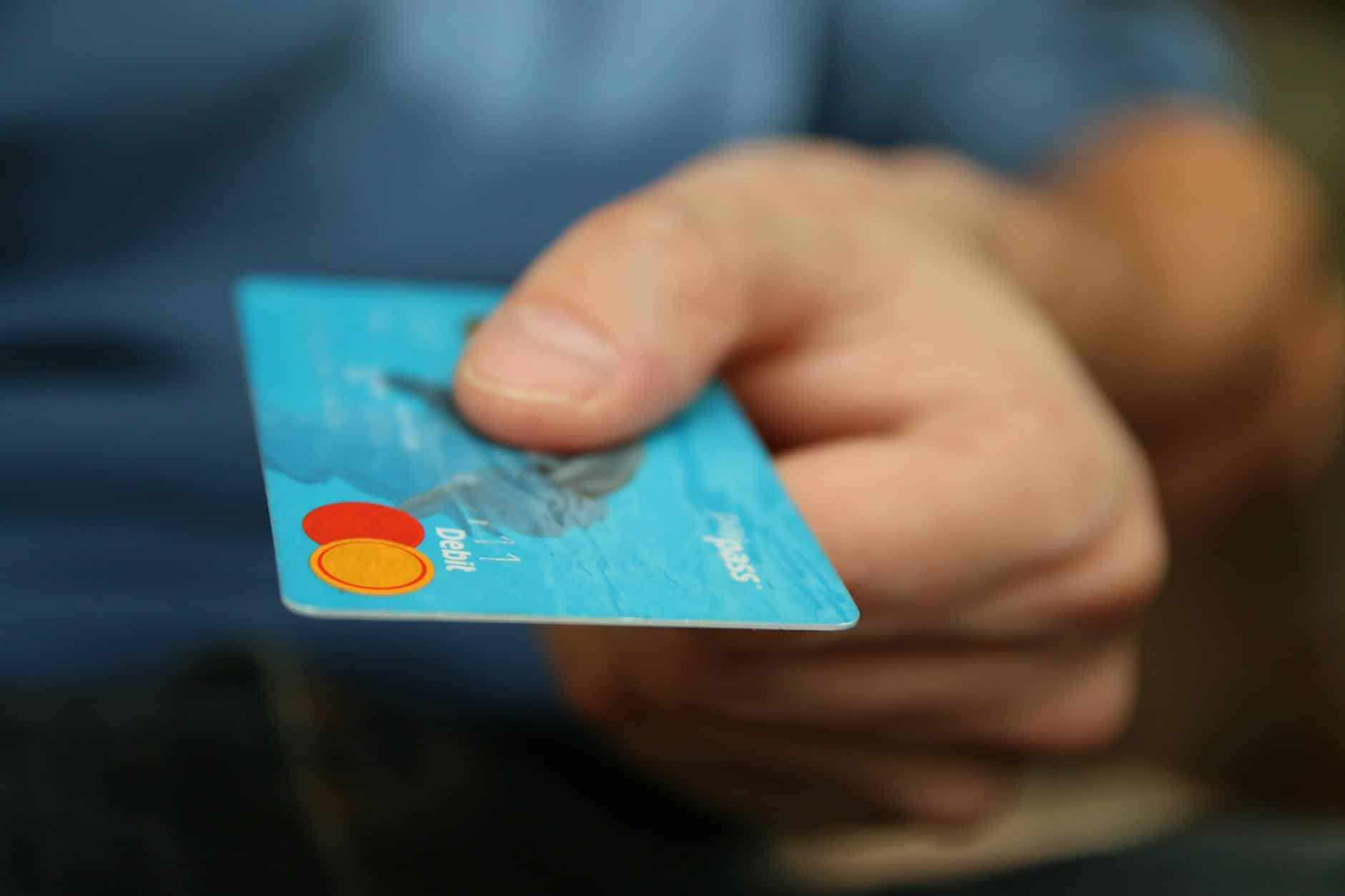
Physical credit cards are becoming less common as technology advances. With mobile payment solutions and digital wallets, you may find yourself using a virtual card more often. Soon, carrying a physical card might feel as outdated as using a checkbook. Embracing these digital options can simplify your payments and enhance your security.
Traditional Keys

Traditional keys are becoming less common as technology advances. Many people now use keyless entry systems or smart locks, making physical keys feel outdated. This shift means that your everyday experience with locks is likely to change over the next decade. Embracing these new technologies can simplify access to your home and belongings.
Paper Receipts

You may have noticed that paper receipts are becoming less common. While many businesses still provide them, digital receipts are gaining popularity.
This trend is driven by environmental concerns, as paper receipts contribute to significant waste and resource consumption. Embracing digital options could mean a cleaner future for everyone.
Above-ground power lines
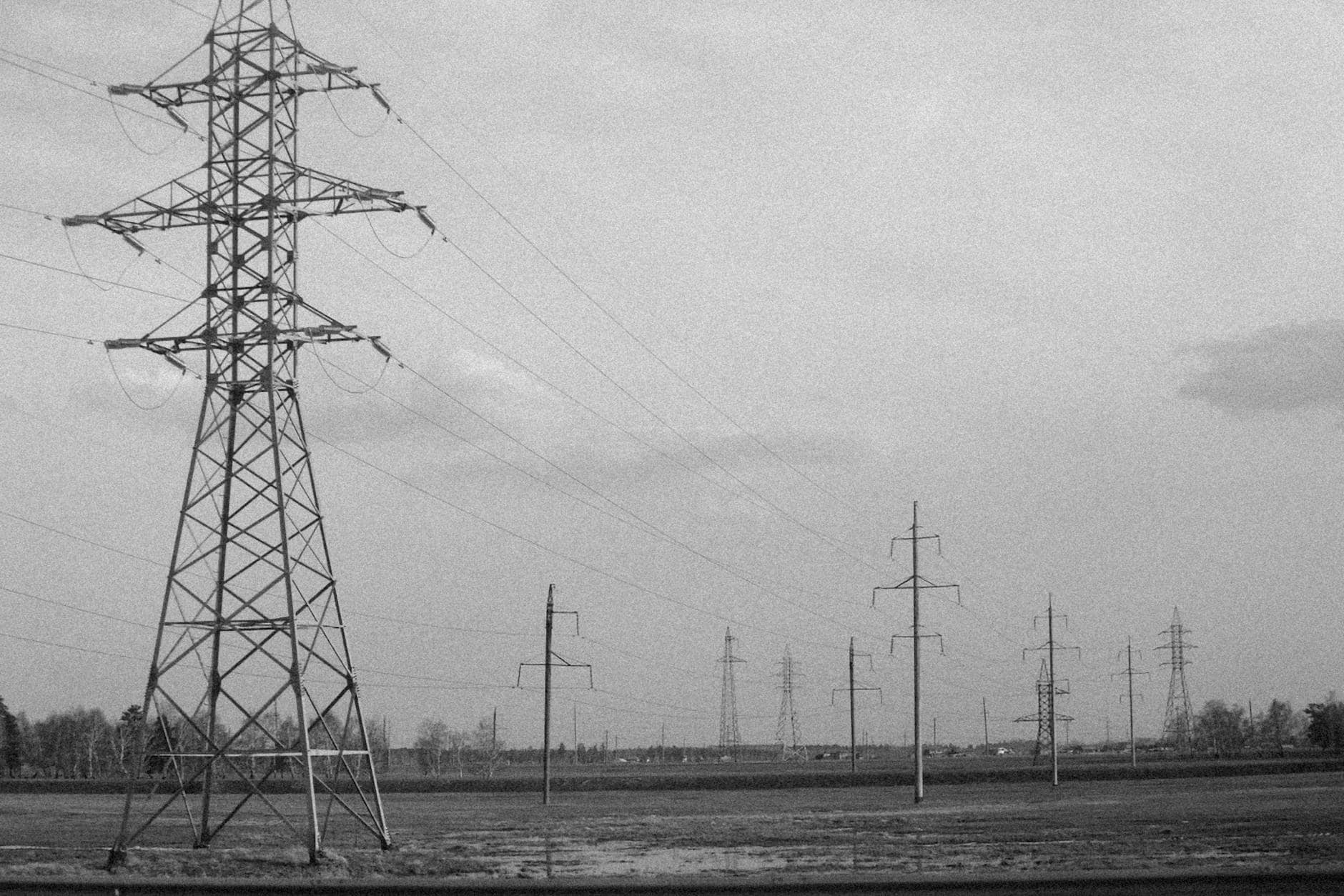
Above-ground power lines are common across the United States. They are prone to damage from severe weather, leading to outages and safety hazards.
You might have noticed that areas with frequent wildfires face pressure to move these lines underground. Doing so can help prevent fire risks and improve reliability. Transitioning to underground lines involves significant costs and time, making this a gradual change.
Parking meters
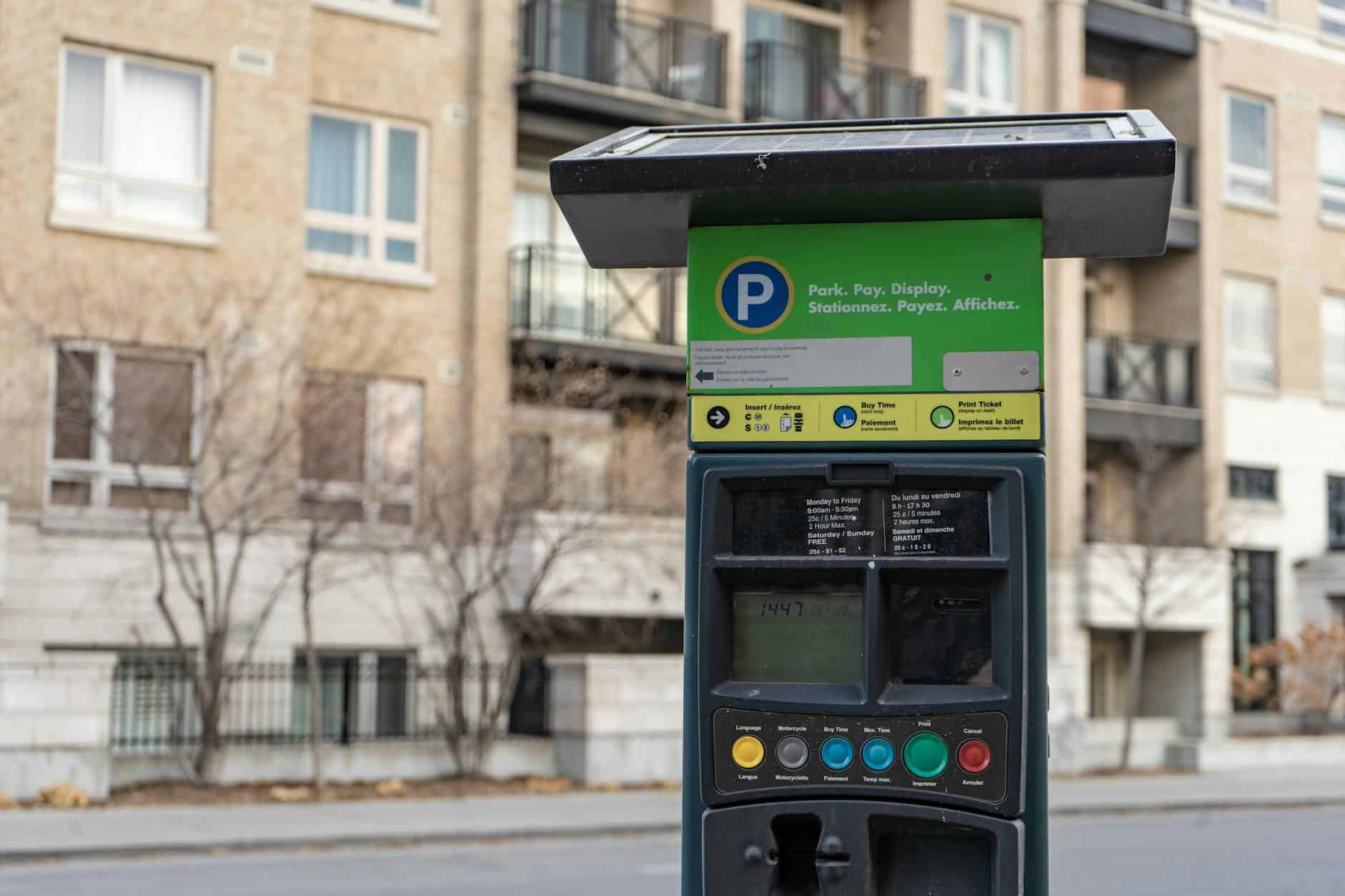
You might notice that traditional parking meters are becoming less common. Many cities are transitioning to mobile payment systems, making it more convenient for you to pay for parking through apps.
These shifts aim to streamline the parking experience, reducing the need for physical meters in the process. Enjoy the convenience as these changes unfold in your area!
Landline Phones
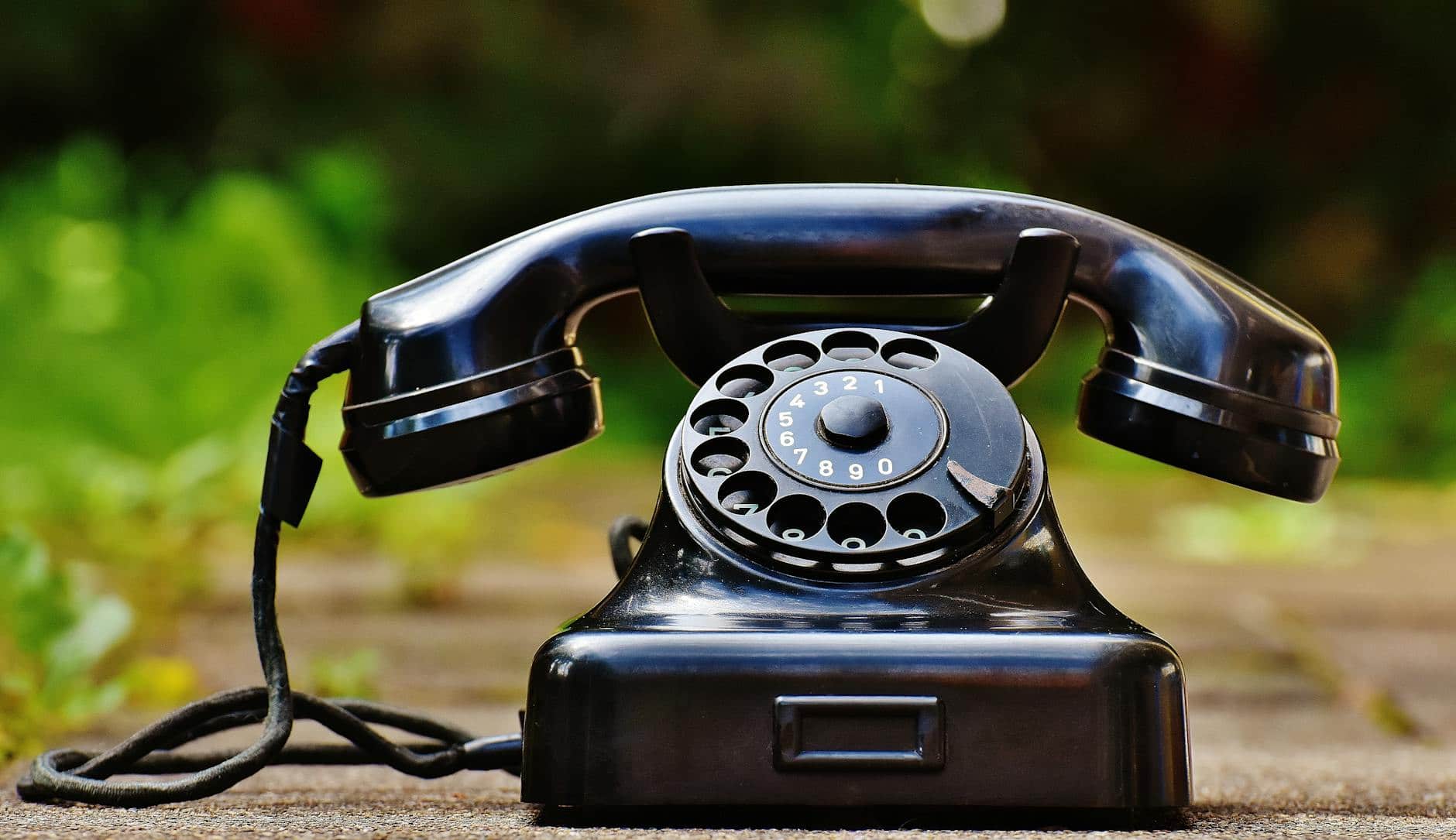
You might still rely on a landline phone, but it’s becoming less common. Many households are moving away from traditional lines in favor of mobile devices. Companies like AT&T are phasing out copper wire services, meaning landlines may vanish by 2030. As technology evolves, your trusty landline could become a thing of the past.
CDs and DVDs

CDs and DVDs have been a staple for music and movie lovers for years. However, with the rise of digital streaming services, you may find these physical formats becoming less common. Convenience and accessibility make digital options more appealing, leading many to move away from their CD and DVD collections.
Gas-powered vehicles

Many automakers are moving toward electric options. Companies like Ford and GM plan to focus solely on zero-emissions vehicles by 2040. As car sales shift, you may notice fewer gas-powered models available.
Public charging networks are expanding, making electric vehicles more convenient. This transition could lead to fewer choices for traditional gas cars in the market.
Conventional Light Bulbs
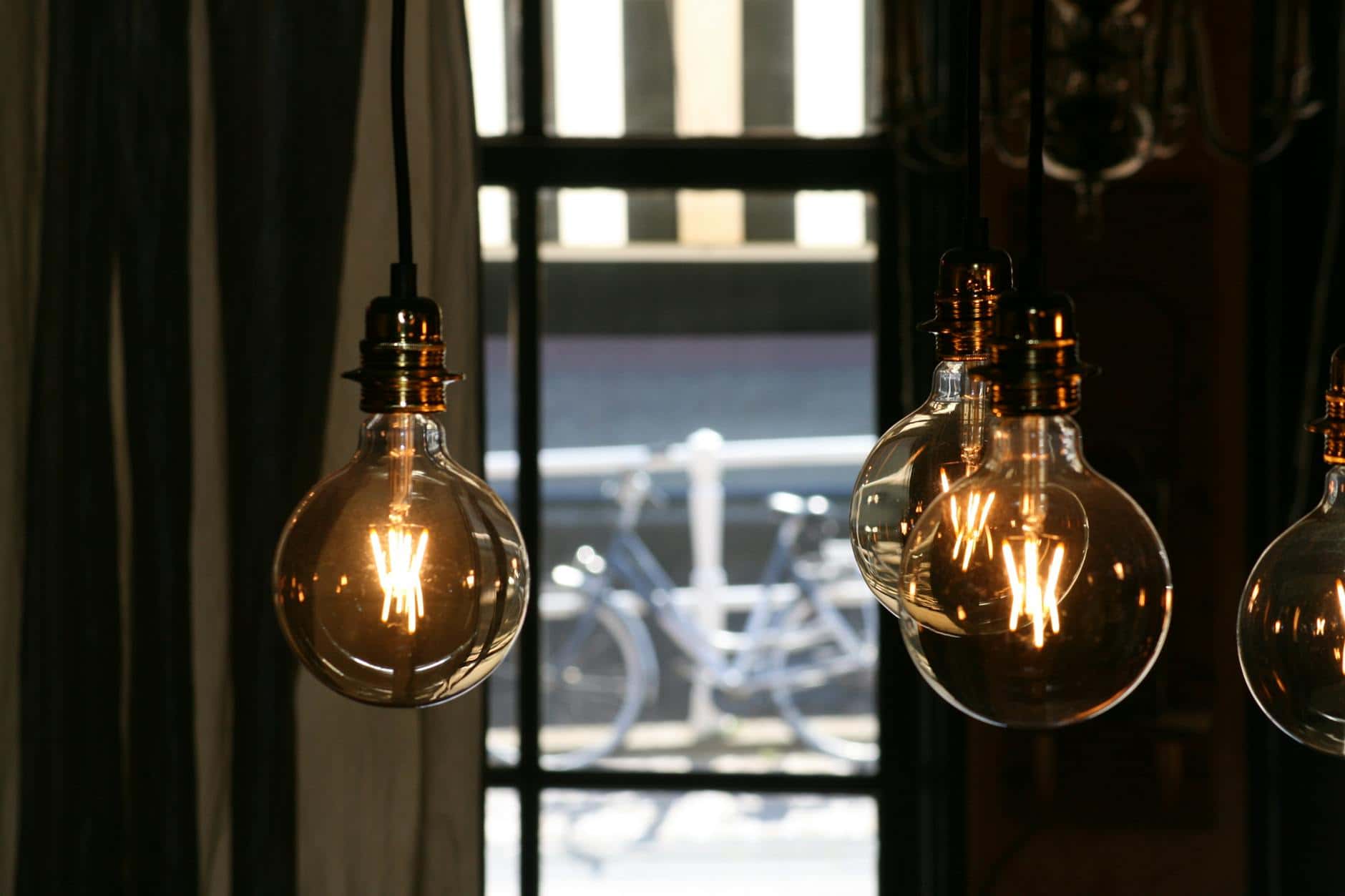
Conventional light bulbs, like incandescent and CFLs, are becoming less common in homes. They are being phased out due to energy efficiency regulations. You’ll likely notice that LED bulbs are quickly taking their place because of their longer lifespan and lower energy costs. This shift means that soon, conventional light bulbs may be hard to find.
Single-use plastic bags
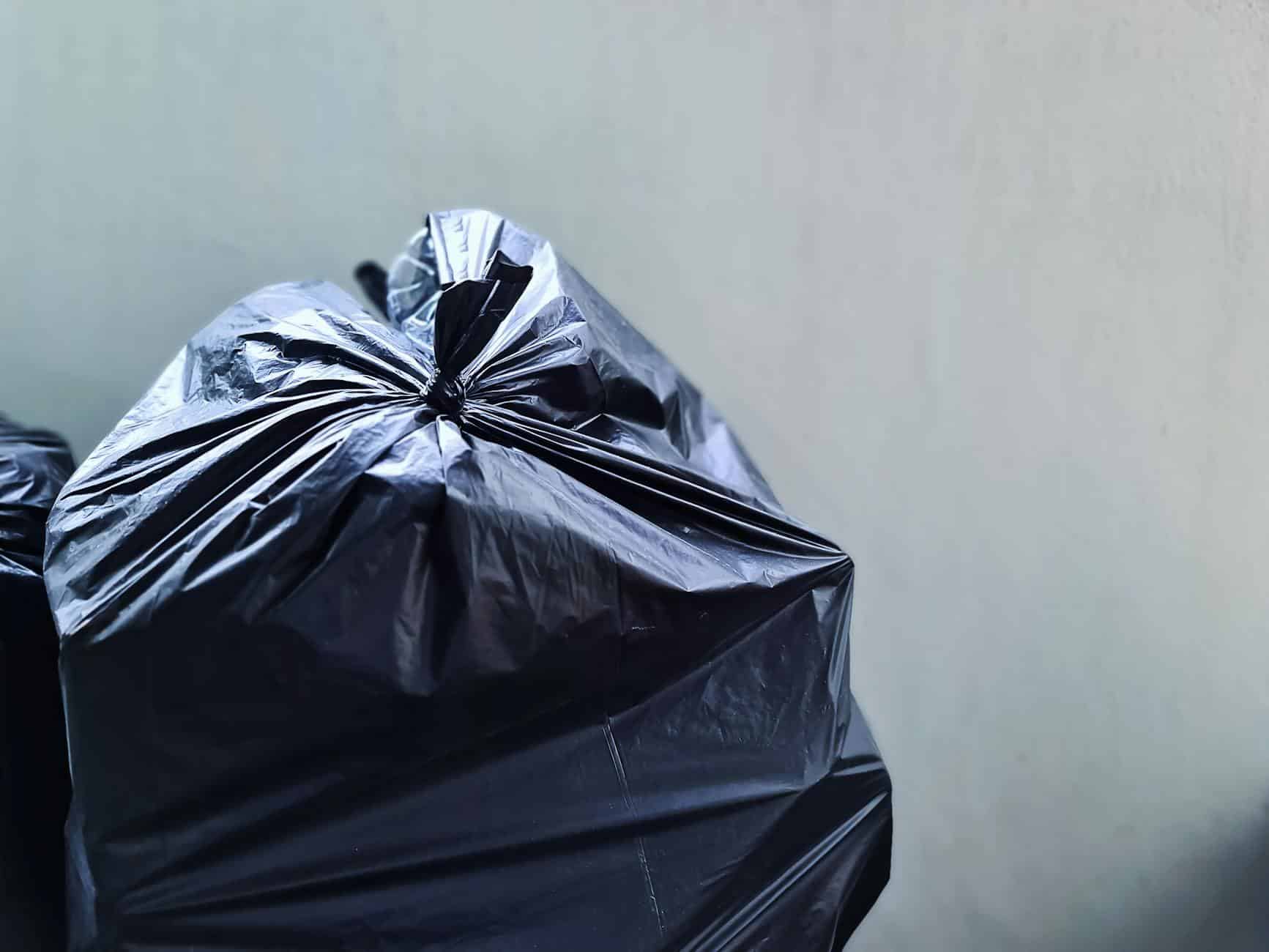
Single-use plastic bags may soon become a thing of the past. Many states and cities have already begun implementing bans on these bags due to their negative impact on the environment.
You might find alternatives like reusable bags becoming more common in your daily life. The movement to reduce plastic waste is gaining momentum, with a focus on sustainability and eco-friendliness.